White House Targets China for Extracting U.S. AI Capabilities
Key Takeaways
- Michael Kratsios accused Chinese entities of 'industrial-scale' campaigns to extract capabilities from U.S. AI models
- Stanford research shows the U.S.-China gap in top AI model performance has 'effectively closed'
- A bipartisan House bill would create a process to identify and sanction foreign actors who steal AI intellectual property
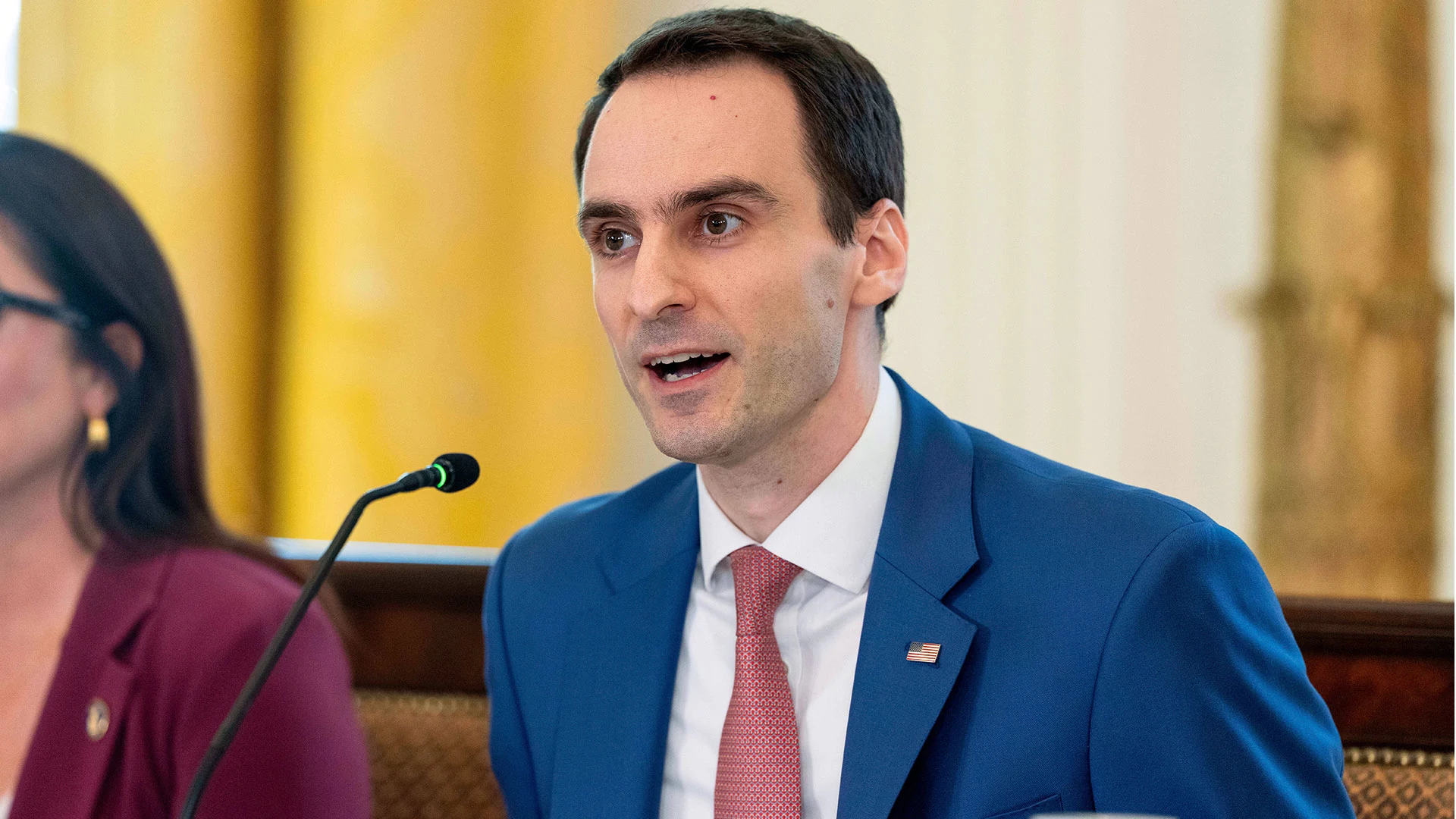
The Trump administration is escalating its tech confrontation with China. A new memo from the president's chief science and technology adviser accuses Chinese entities of running 'industrial-scale' operations to extract capabilities from American AI systems.
Michael Kratsios issued the memo Thursday, claiming foreign entities 'principally based in China' are engaged in deliberate campaigns to 'distill' leading U.S. AI systems. The practice involves extracting the knowledge and capabilities of powerful models to replicate their performance, often at lower cost.
The administration plans to work with American AI companies to identify these activities, build defenses, and find ways to punish offenders. The announcement comes as China closes the gap with the United States in artificial intelligence, an area the White House considers critical for economic and military dominance.
The Gap Has 'Effectively Closed'
The timing matters. According to a recent report from Stanford University's Institute for Human-Centered AI, the performance gap between top U.S. and Chinese AI models has 'effectively closed.' The administration frames AI leadership as essential for setting global standards and maintaining strategic advantages.
The DeepSeek episode looms over this debate. Last year, the Chinese startup released a large language model that could compete with U.S. AI giants at a fraction of the cost. The release rattled American markets and raised questions about how quickly Chinese companies had caught up.
David Sacks, then serving as Trump's AI and crypto adviser, suggested DeepSeek had copied U.S. models.
“There's substantial evidence that what DeepSeek did here is they distilled the knowledge out of OpenAI's models.”
— David Sacks, former Trump AI and crypto adviser
Bipartisan Bill Moves Forward
Congress is moving in parallel. The House Foreign Affairs Committee this week offered unanimous, bipartisan support for legislation that would establish a formal process to identify foreign actors extracting 'key technical features' from closed-source, U.S.-owned AI models. Offenders could face sanctions.
“Model extraction attacks are the latest frontier of Chinese economic coercion and theft of U.S. intellectual property. American AI models are demonstrating transformative cyber capabilities, and it is critical we prevent China from stealing these technological advancements.”
— Rep. Bill Huizenga, R-Mich., bill sponsor
The bill reflects growing concern in Washington that current export controls and licensing restrictions aren't enough to protect American AI innovation. Model distillation can happen through API access, without physical hardware transfers.
China Pushes Back
Chinese officials rejected the accusations. Liu Pengyu, the embassy spokesperson in Washington, said China 'has always been committed to promoting scientific and technological progress through cooperation and healthy competition' and 'attaches great importance to the protection of intellectual property rights.'
In Beijing, Foreign Ministry spokesperson Guo Jiakun called the U.S. claims 'groundless' and accused Washington of 'smearing the achievements of China's artificial intelligence industry.'
'China firmly opposes this. We urge the U.S. to respect facts, discard prejudice, stop suppressing China's technological development, and do more to promote scientific and technological exchange and cooperation between the two countries,' Guo said Friday.
What Model Distillation Actually Means
Model distillation is a technique where a smaller model learns to mimic the outputs of a larger, more capable model. By feeding inputs to the 'teacher' model and training the 'student' model on its responses, developers can create efficient systems that approximate the original's performance.
The technique has legitimate uses. Companies distill their own models to create smaller versions that run on edge devices or cost less to deploy. The controversy arises when the teacher model belongs to someone else, and the student model bypasses licensing restrictions or trade secrets.
OpenAI and other frontier labs prohibit using their API outputs to train competing models. Proving violations, however, is technically difficult. The distilled model doesn't contain copied weights. Instead, it has learned behaviors that may closely match the original's capabilities.
The Enforcement Challenge
The administration's memo and the congressional bill both face practical hurdles. Identifying distillation requires evidence that a specific model was used as a training source. That evidence may exist in internal logs or training records, but accessing those from foreign companies is another matter.
Sanctions could target companies found to have stolen AI capabilities, but enforcement depends on international cooperation and clear attribution. The U.S. has leverage through chip export controls, but China is working to reduce its dependence on American semiconductors.
For American AI companies, the memo signals that the government expects more collaboration on detection and defense. That could mean new reporting requirements, technical measures to detect distillation attempts, or stricter access controls for API services.
Logicity's Take
Frequently Asked Questions
What is AI model distillation?
A technique where a smaller model learns to replicate the outputs of a larger model by training on its responses. It can create efficient versions of powerful systems, but becomes controversial when applied to competitors' models without permission.
Why is the U.S. targeting China over AI model extraction?
The administration claims Chinese entities are running industrial-scale campaigns to extract capabilities from U.S. AI systems. The DeepSeek release, which matched U.S. model performance at lower cost, intensified concerns about IP theft.
What sanctions could companies face for AI model theft?
The proposed House bill would create a process to identify offenders and apply sanctions, though specifics haven't been detailed. Existing tools like trade restrictions and financial penalties could apply.
Has China responded to the accusations?
Yes. Chinese officials called the claims 'groundless' and accused the U.S. of smearing China's AI industry. They urged Washington to 'respect facts' and promote cooperation rather than suppression.
How does model distillation differ from copying model weights?
Copying weights involves directly taking the parameters that define a model. Distillation trains a new model on the outputs of an existing one, creating a system with similar capabilities but different internal structure.
Need Help Implementing This?
Source: Fast Company / Associated Press
Manaal Khan
Tech & Innovation Writer
اقرأ أيضاً

رأي مغاير: كيف يؤثر اختراق الأمن الداخلي الأميركي على شركاتنا الخاصة؟
في ظل اختراق عقود الأمن الداخلي الأميركي مع شركات خاصة، نناقش تأثير هذا الاختراق على مستقبل الأمن السيبراني. نستعرض الإحصاءات الموثوقة ونناقش كيف يمكن للشركات الخاصة أن تتعامل مع هذا التهديد. استمتع بقراءة هذا التحليل العميق

الإنسان في زمن ما بعد الوجود البشري: نحو نظام للتعايش بين الإنسان والروبوت - Centre for Arab Unity Studies
في هذا المقال، سنناقش كيف يمكن للبشر والروبوتات التعايش في نظام متكامل. سنستعرض التحديات والحلول المحتملة التي تضعها شركات مثل جوجل وأمازون. كما سنلقي نظرة على التوقعات المستقبلية وفقًا لتقرير ماكنزي

إطلاق ناسا لمهمة مأهولة إلى القمر: خطوة تاريخية نحو استكشاف الفضاء
تعتبر المهمة الجديدة خطوة هامة نحو استكشاف الفضاء وتطوير التكنولوجيا. سوف تشمل المهمة إرسال رواد فضاء إلى سطح القمر لconducting تجارب علمية. ستسهم هذه المهمة في تطوير فهمنا للفضاء وتحسين التكنولوجيا المستخدمة في استكشاف الفضاء.