Waymo's Virtual Driver Tests How Humans React to Road Surprises
Key Takeaways
- Waymo's Reference Driver model simulates how attentive humans react to sudden road hazards
- The model uses active inference, a neuroscience framework, to replicate human cognitive responses
- Waymo reports 72% fewer injury-causing crashes compared to human drivers in the same scenarios
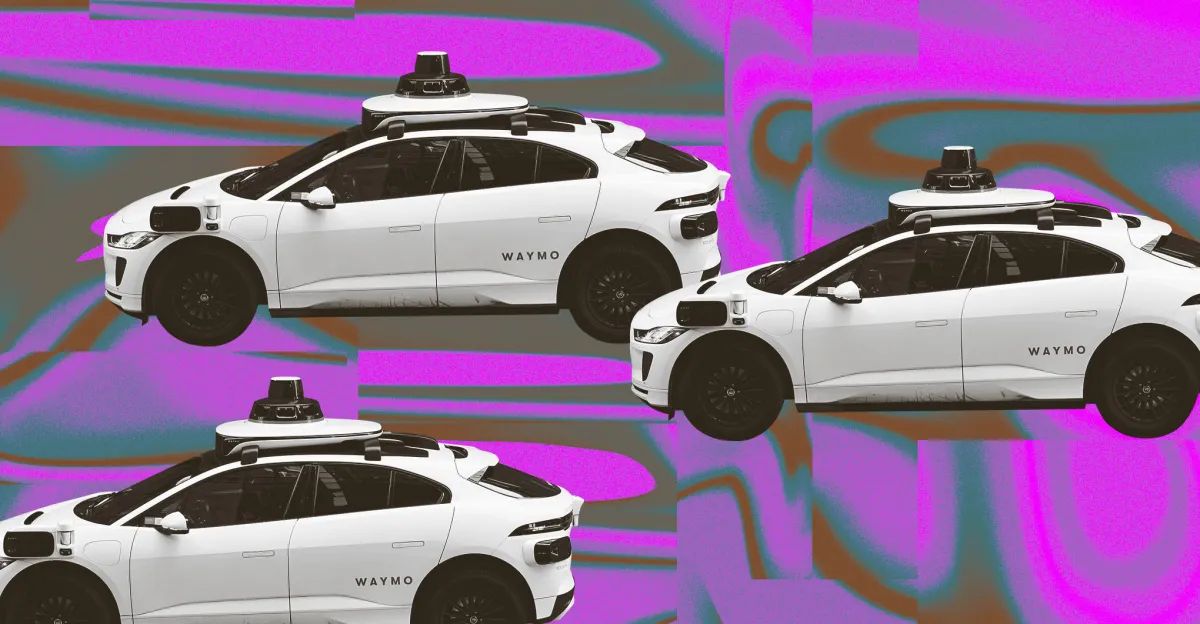
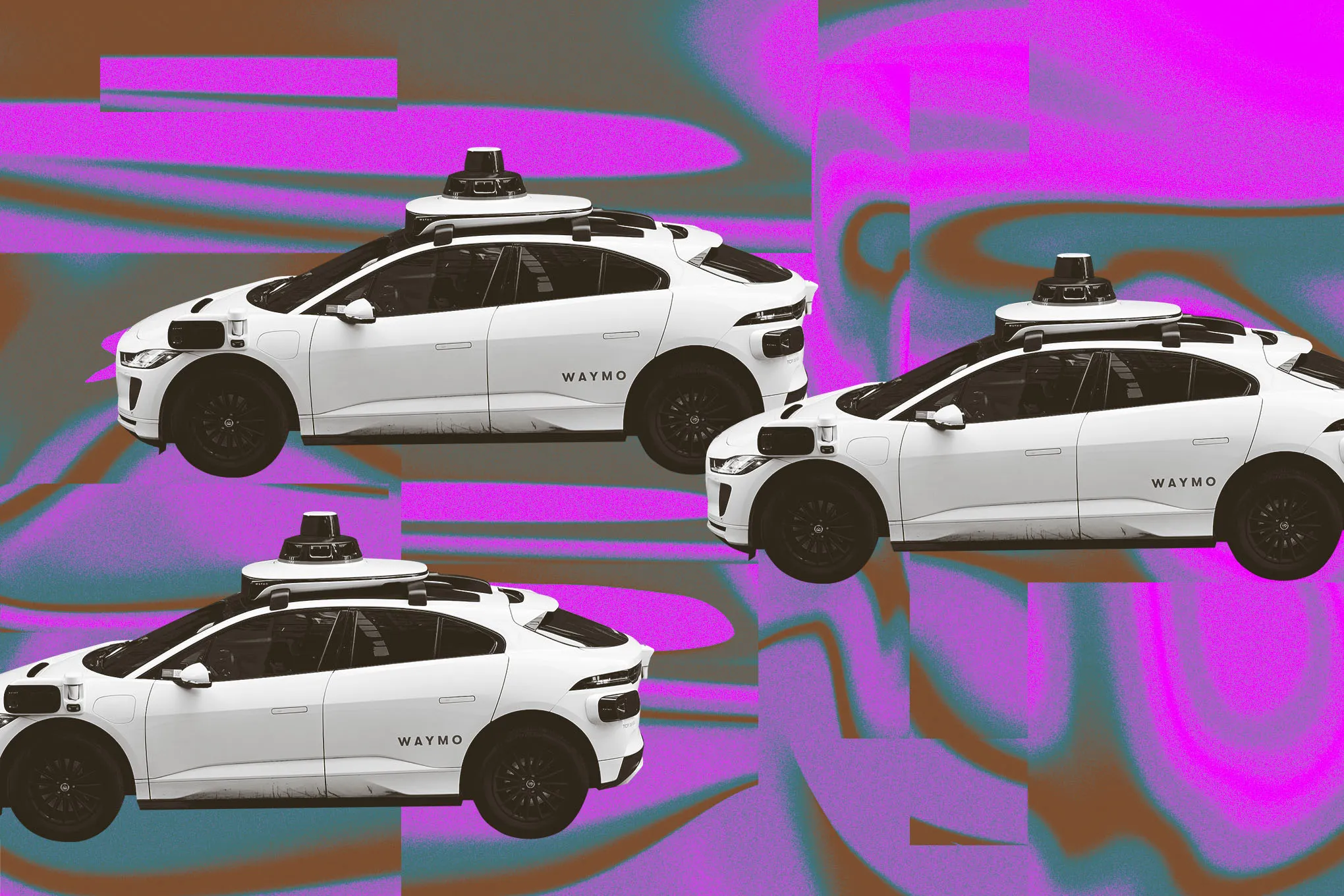
Waymo has developed a new computer model that simulates how human drivers make split-second decisions to avoid crashes. The company published the research in Nature Communications on June 10, describing a system it calls Reference Driver, or ReD.
The idea is straightforward: if you want to prove an autonomous vehicle is safer than a human driver, you need a consistent definition of how a competent human actually drives. ReD provides that definition by modeling the cognitive processes humans use when faced with sudden road hazards.
A Behavioral Crash Test Dummy
Waymo built ReD in collaboration with Delft University of Technology in the Netherlands. The model works like a behavioral crash test dummy. Where physical dummies test a car's structural safety, ReD tests how well an autonomous system avoids dangerous situations in the first place.
“Evaluating AV safety is multifaceted, and understanding how a human handles conflict is a critical piece of the puzzle. By establishing this reference model of a competent human response, we can help the industry move toward a shared, scientifically grounded approach for evaluating collision-avoidance behavior.”
— Mauricio Peña, Chief Safety Officer at Waymo
The company already has extensive simulation infrastructure. It has built realistic 3D worlds to test edge cases like natural disasters. It created virtual hyperattentive drivers to compare against its own systems. ReD adds a layer focused specifically on crash avoidance in surprise scenarios.
How Active Inference Powers the Model
ReD relies on a neuroscience framework called active inference. The core principle: human brains constantly work to minimize surprise over time. When something unexpected happens, like a car suddenly braking ahead, the brain predicts outcomes and selects actions to reduce uncertainty.
Professor Karl Friston, a leading neuroscientist who championed active inference, called the ReD model a "technical tour de force" in a statement provided by Waymo.
The model layers several human cognitive traits. One example: humans judge how threatening an approaching object is based on "looming," or how fast that object expands in their field of vision. ReD replicates this by naturally struggling to judge speeds at far distances, just as humans do.
The NIEON Benchmark
Waymo uses a specific benchmark called NIEON: Non-Impaired, with Eyes On the Non-conflict. This represents a perfectly attentive human driver who is never distracted, never fatigued, and always watching the road ahead.
Comparing against NIEON is deliberate. Many safety studies compare autonomous systems to average human drivers, who get distracted, text, or drive tired. Waymo argues that comparing against an ideal attentive human is a higher bar and a more rigorous test.
Engineers run millions of simulated "what-if" scenarios using this benchmark. They look for edge cases where the Waymo Driver can be refined: sudden road debris, erratic behavior from other drivers, pedestrians appearing unexpectedly.
Scale of Testing
Waymo creates over 1,000 high-fidelity simulation scenarios daily to test its Driver against surprises using the Reference Driver baseline. The company has logged more than 100 million miles in fully autonomous mode, providing the real-world dataset that feeds these simulations.
“By benchmarking our Driver against a 'perfect' human model, we can definitively prove when and where our technology is safer than the best human drivers.”
— Dr. Dmitri Dolgov, Co-CEO at Waymo
The company's safety engineering team describes its simulation environment as a "behavioral laboratory," treating the autonomous system as a pupil learning to handle unpredictable road conditions.
Industry Implications
Waymo positions this research as a step toward shared safety standards across the autonomous vehicle industry. Currently, different companies use different metrics to measure safety, making comparisons difficult. A peer-reviewed, neuroscience-based model could provide common ground.
The company has invested heavily in peer-reviewed research, which it says distinguishes it from competitors. Publishing in Nature Communications adds scientific credibility and invites external scrutiny of the methodology.
Discussions in autonomous vehicle communities often focus on whether simulation benchmarks can capture the chaos of real-world driving. Some users on r/SelfDrivingCars appreciate the rigor of comparing AI against an ideal human baseline rather than average driving. Others question whether any model can fully replicate human unpredictability.
Logicity's Take
Frequently Asked Questions
What is Waymo's Reference Driver model?
Reference Driver (ReD) is a computer model that simulates how attentive human drivers make split-second decisions to avoid crashes. It uses neuroscience principles to create a behavioral benchmark for testing autonomous vehicles.
How does active inference work in ReD?
Active inference is a neuroscience framework based on the idea that human brains constantly work to minimize surprise. ReD applies this by modeling how humans perceive and react to sudden threats, like judging danger based on how fast an object appears to grow in their vision.
What is the NIEON benchmark?
NIEON stands for Non-Impaired, with Eyes On the Non-conflict. It represents a perfectly attentive human driver who is never distracted or fatigued, providing a high bar for comparing autonomous vehicle safety.
How many simulations does Waymo run daily?
Waymo creates over 1,000 high-fidelity simulation scenarios each day to test its autonomous system against the Reference Driver baseline.
Why does Waymo publish its safety research?
Waymo says peer-reviewed research distinguishes it from competitors and helps move the industry toward shared, scientifically grounded safety standards.
How AI infrastructure demands are reshaping the hardware supply chain
Need Help Implementing This?
Huma Shazia
Senior AI & Tech Writer
اقرأ أيضاً

رأي مغاير: كيف يؤثر اختراق الأمن الداخلي الأميركي على شركاتنا الخاصة؟
في ظل اختراق عقود الأمن الداخلي الأميركي مع شركات خاصة، نناقش تأثير هذا الاختراق على مستقبل الأمن السيبراني. نستعرض الإحصاءات الموثوقة ونناقش كيف يمكن للشركات الخاصة أن تتعامل مع هذا التهديد. استمتع بقراءة هذا التحليل العميق

الإنسان في زمن ما بعد الوجود البشري: نحو نظام للتعايش بين الإنسان والروبوت - Centre for Arab Unity Studies
في هذا المقال، سنناقش كيف يمكن للبشر والروبوتات التعايش في نظام متكامل. سنستعرض التحديات والحلول المحتملة التي تضعها شركات مثل جوجل وأمازون. كما سنلقي نظرة على التوقعات المستقبلية وفقًا لتقرير ماكنزي

إطلاق ناسا لمهمة مأهولة إلى القمر: خطوة تاريخية نحو استكشاف الفضاء
تعتبر المهمة الجديدة خطوة هامة نحو استكشاف الفضاء وتطوير التكنولوجيا. سوف تشمل المهمة إرسال رواد فضاء إلى سطح القمر لconducting تجارب علمية. ستسهم هذه المهمة في تطوير فهمنا للفضاء وتحسين التكنولوجيا المستخدمة في استكشاف الفضاء.