University of Virginia Wins NASA's 2026 Lunabotics Challenge
Key Takeaways
- University of Virginia won the Off World Grand Prize by achieving the highest overall score across all competition events
- 74 universities participated in the 2026 challenge, which marked the first year autonomous lunar construction became the primary focus
- Winning wasn't about the biggest berm. NASA judged teams on robot weight, communications, energy use, autonomy, and systems engineering
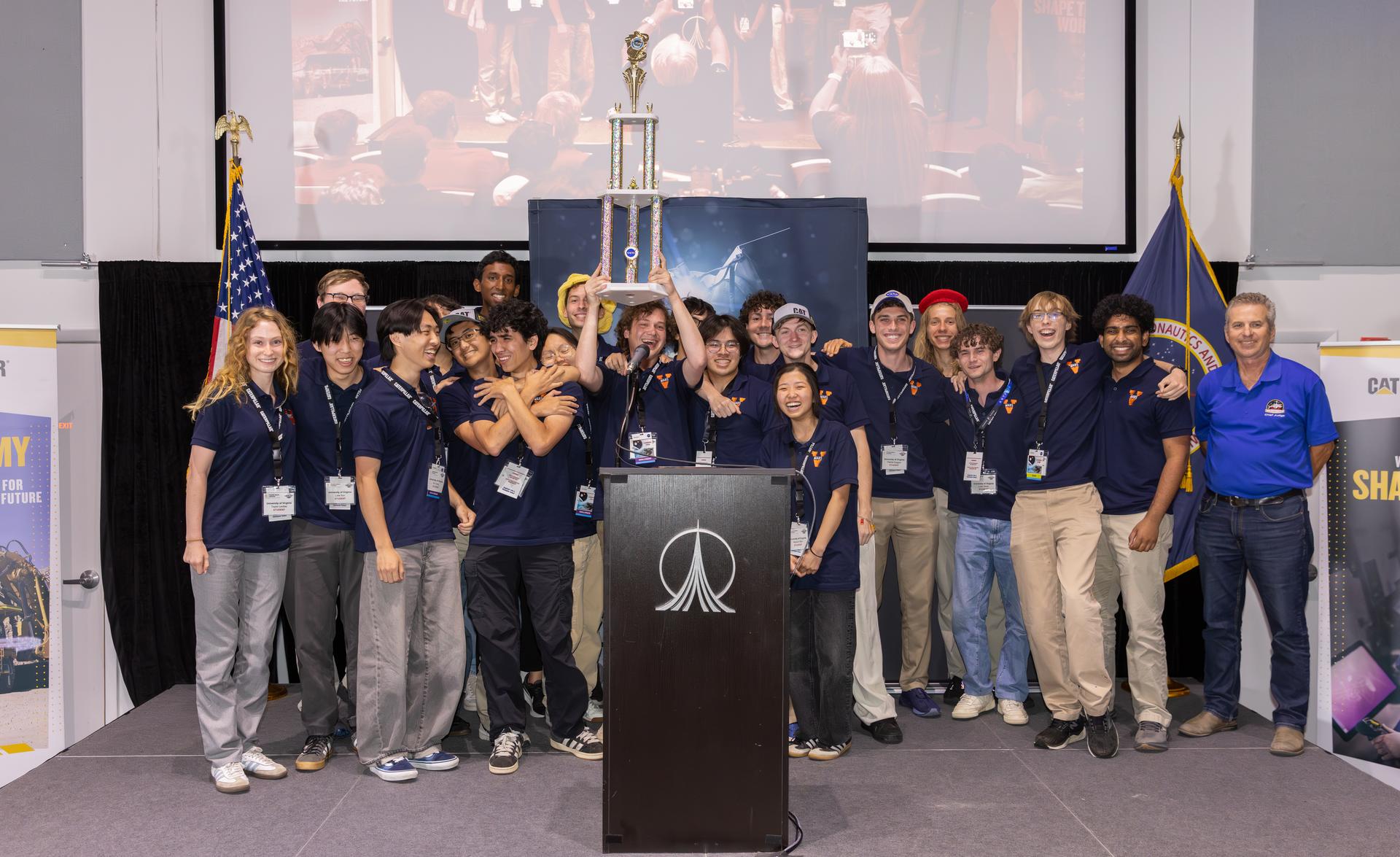
When the simulated lunar dust settled at Kennedy Space Center last week, the University of Virginia walked away with NASA's top prize for building robots that could one day construct infrastructure on the Moon.
The 2026 Lunabotics Challenge brought 47 teams to Florida for the final round of a competition that started with 74 universities last September. NASA wants autonomous machines that can excavate lunar soil, haul it across rough terrain, and pile it into protective berms. These berms shield landing pads and power systems from rocket exhaust debris and radiation.
Virginia's robot didn't build the biggest pile. That's not how NASA picked the winner.
“It's a difficult prize to win, and it's not obvious, because the team that built the biggest berm didn't win. But on an actual lunar mission, it's not just one thing that matters — it's everything in the system.”
— Robert Mueller, senior technologist at NASA Kennedy's Swamp Works and lead judge
How the Competition Works
Lunabotics runs across two semesters. Teams submit industry plans, engineering reports, and robot specifications before building anything. Judges picked 47 teams to advance to a qualifying round at the University of Central Florida's Exolith Lab in Orlando.
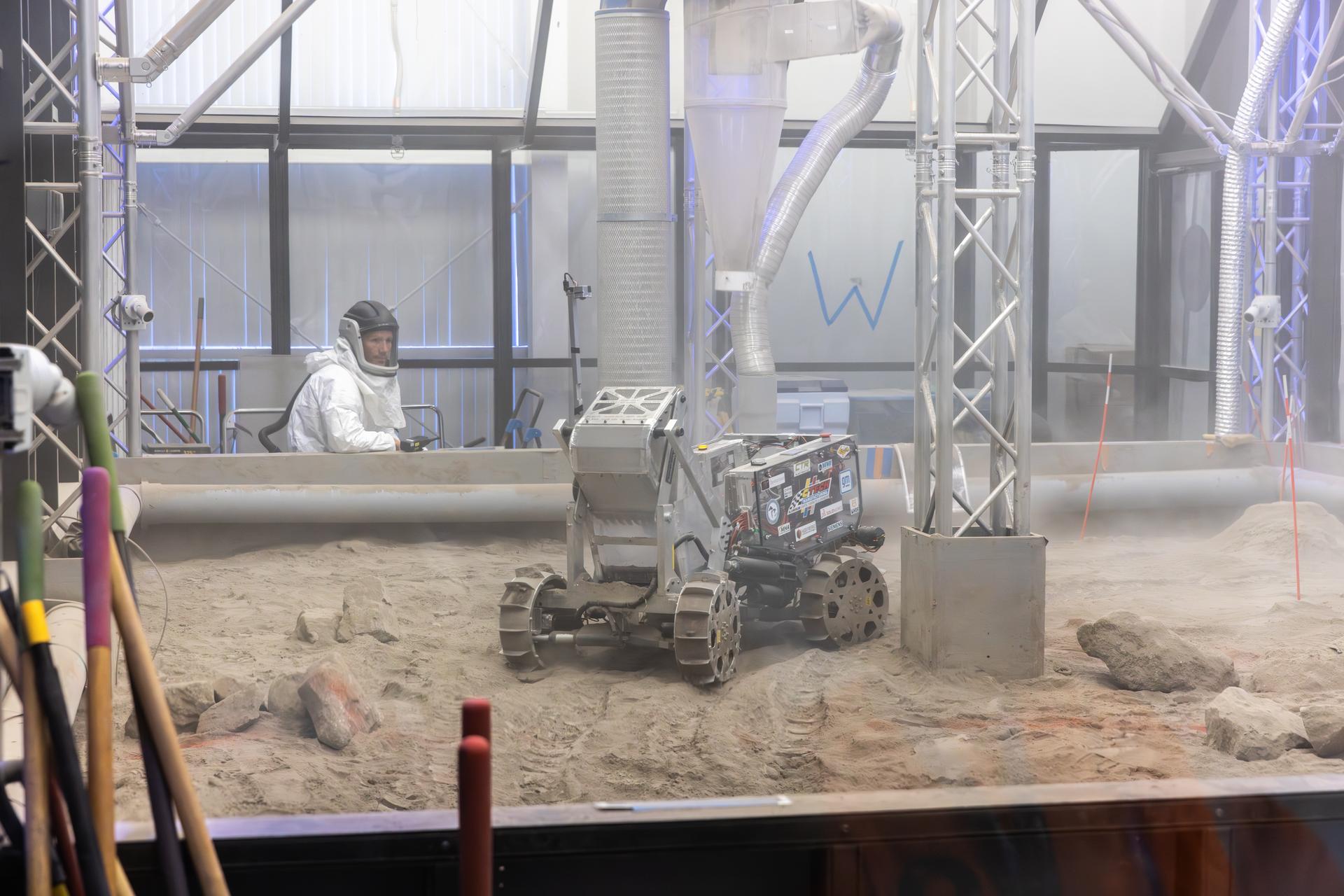
At the qualifier, robots had to dig up simulated lunar regolith, move it across uneven ground, and shape it into a berm. The top 10 teams earned a spot at the three-day finals held May 19 to 21 at the Astronauts Memorial Foundation's Center for Space Education.
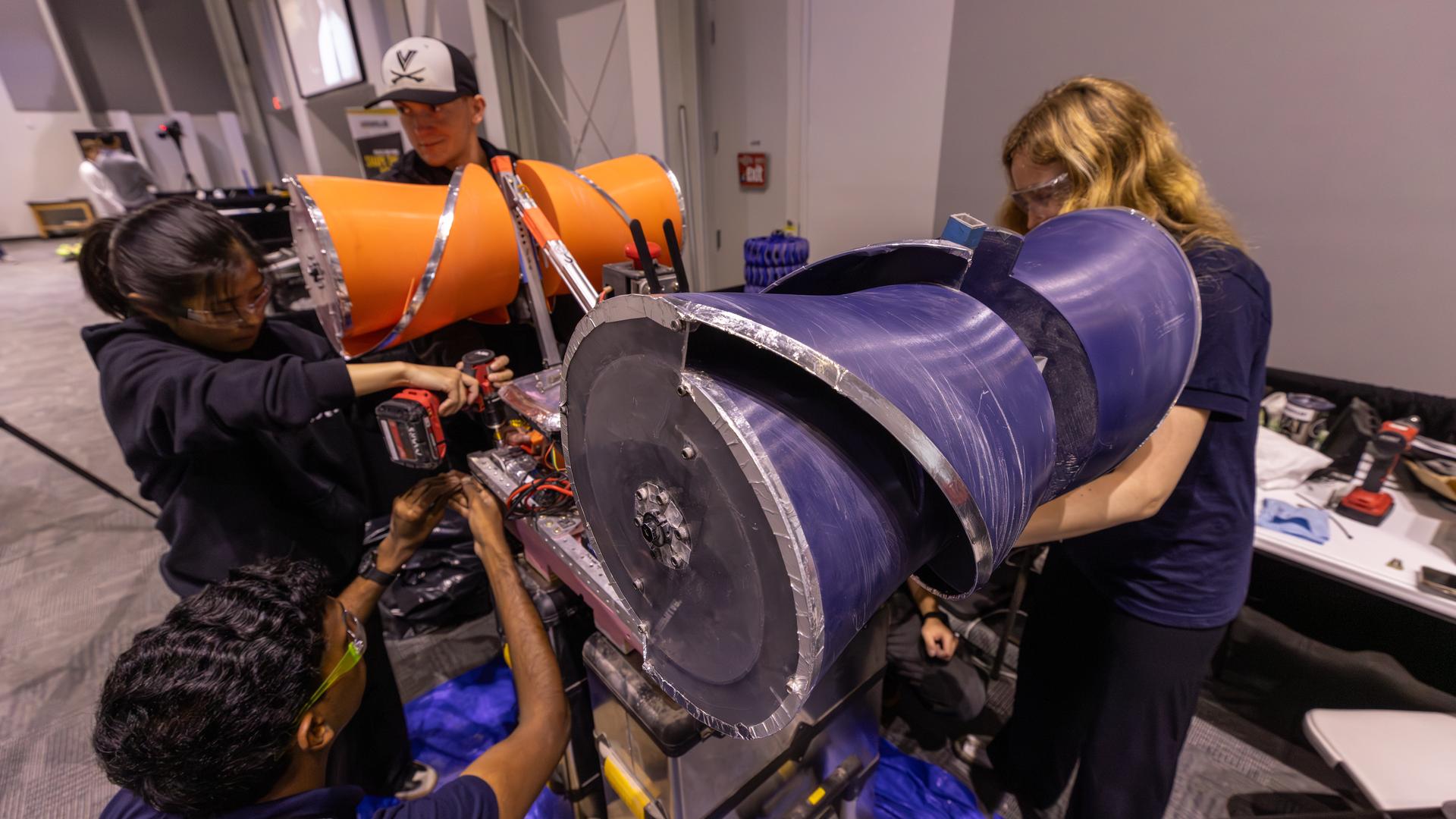
The final judging went beyond berm construction. NASA scored teams on four criteria: a STEM industry plan, a systems engineering paper, live presentations and demonstrations, and the robot's actual performance. Robot weight, communications reliability, power consumption, and level of autonomy all factored in.
Why Autonomy Matters for Artemis
This year marked a shift in the competition. For the first time, autonomous lunar construction became the primary focus. Previous years emphasized remote-controlled mining. Now NASA wants robots that can operate without constant human input.
The reason is practical. Radio signals take about 1.3 seconds to travel between Earth and Moon. That delay makes real-time control clumsy at best. Robots building a Moon base need to handle problems on their own.
“The ingenuity shown by these students in solving complex lunar construction challenges directly contributes to the systems we need to secure our permanent presence on the Moon.”
— Jason Costa, NASA Communications Official
Berms aren't just piles of dirt. They protect critical infrastructure from rocket exhaust, which kicks up regolith at high speeds during landing and takeoff. Without protective barriers, repeated missions would sandblast sensitive equipment.
Building NASA's Engineering Pipeline
Lunabotics serves two purposes. NASA gets to see what approaches student engineers develop for lunar construction. The agency also gets a look at its future workforce.
The competition teaches NASA's systems engineering principles through hands-on experience. Students learn to balance competing requirements. A lighter robot scores better but might lack the power to move heavy soil. A fully autonomous system earns points but increases complexity and failure risk.
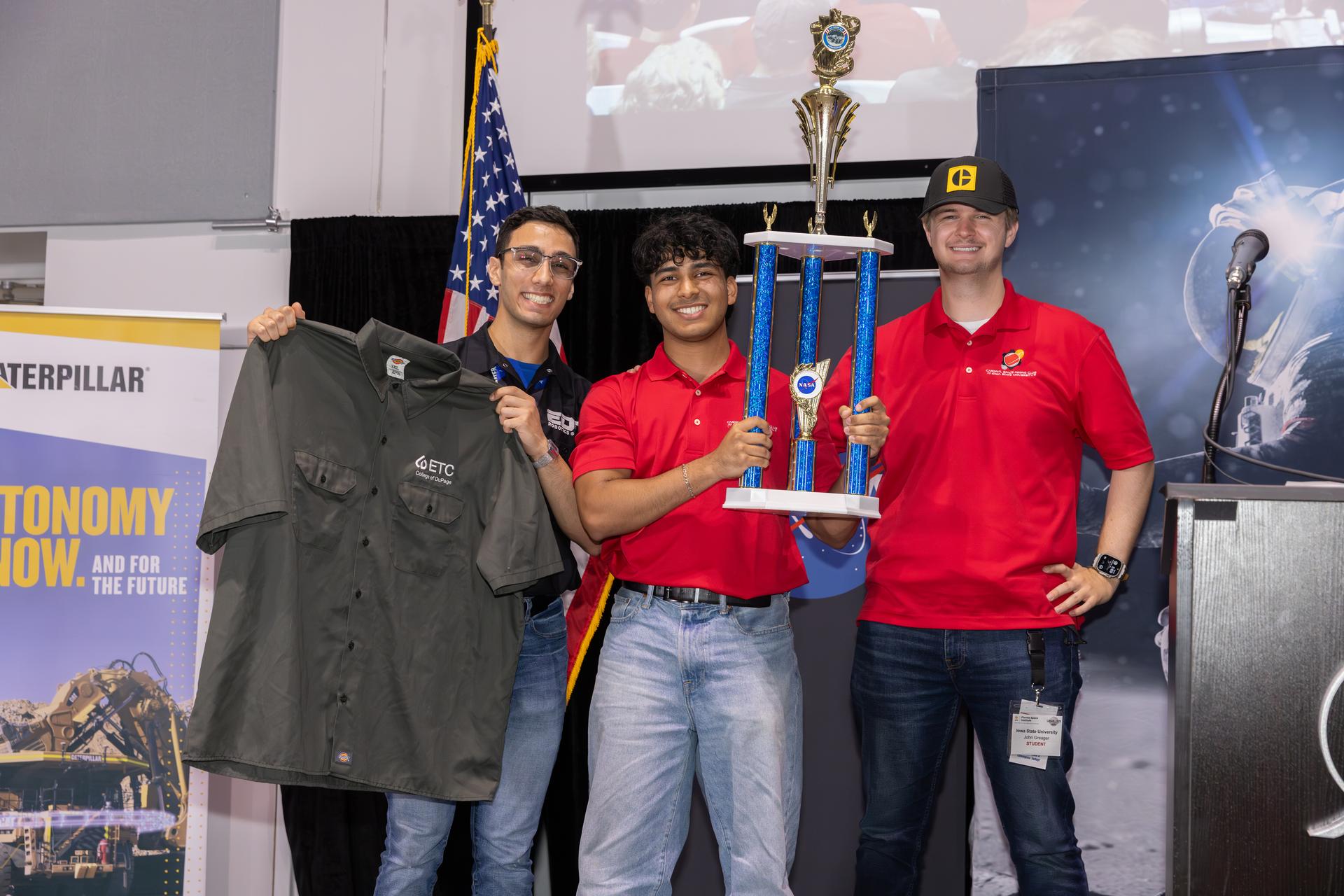
Reddit communities r/space and r/NASA have praised this year's technical jump in difficulty. Users noted that smaller schools made strong showings. Oakton College took top honors in project management, showing the engineering pipeline reaches beyond major research universities.
What Comes Next
NASA's Artemis program aims to establish sustained human presence on the Moon. Robots like those built for Lunabotics could prepare landing sites, build radiation shields, and construct berms before astronauts arrive.
The University of Virginia team now has bragging rights and a demonstration that their systems engineering approach works. For NASA, the competition delivered 74 universities worth of fresh ideas for solving problems that don't have textbook solutions yet.
Logicity's Take
Frequently Asked Questions
What is NASA's Lunabotics Challenge?
Lunabotics is an annual competition where university students design and build autonomous robots that excavate simulated lunar soil and construct protective structures called berms. NASA uses the competition to develop technologies for its Artemis lunar base program.
Who won the 2026 Lunabotics Challenge?
The University of Virginia won the Off World Grand Prize by achieving the highest overall score across all competition events, including systems engineering, STEM industry planning, and robot performance.
How many teams competed in Lunabotics 2026?
74 universities entered the competition pipeline. 47 teams advanced to the qualifying round at University of Central Florida's Exolith Lab, and 10 teams made it to the finals at Kennedy Space Center.
Why does NASA need lunar construction robots?
Robots can build protective berms and prepare landing sites before astronauts arrive. These berms shield equipment from rocket exhaust debris and radiation, which is essential for sustained lunar presence under the Artemis program.
What changed about Lunabotics in 2026?
2026 was the first year where autonomous lunar construction became the primary focus. Previous competitions emphasized remote-controlled operations, but NASA now prioritizes robots that can work independently to handle communication delays between Earth and Moon.
Need Help Implementing This?
Source: NASA
Manaal Khan
Tech & Innovation Writer
اقرأ أيضاً

رأي مغاير: كيف يؤثر اختراق الأمن الداخلي الأميركي على شركاتنا الخاصة؟
في ظل اختراق عقود الأمن الداخلي الأميركي مع شركات خاصة، نناقش تأثير هذا الاختراق على مستقبل الأمن السيبراني. نستعرض الإحصاءات الموثوقة ونناقش كيف يمكن للشركات الخاصة أن تتعامل مع هذا التهديد. استمتع بقراءة هذا التحليل العميق

الإنسان في زمن ما بعد الوجود البشري: نحو نظام للتعايش بين الإنسان والروبوت - Centre for Arab Unity Studies
في هذا المقال، سنناقش كيف يمكن للبشر والروبوتات التعايش في نظام متكامل. سنستعرض التحديات والحلول المحتملة التي تضعها شركات مثل جوجل وأمازون. كما سنلقي نظرة على التوقعات المستقبلية وفقًا لتقرير ماكنزي

إطلاق ناسا لمهمة مأهولة إلى القمر: خطوة تاريخية نحو استكشاف الفضاء
تعتبر المهمة الجديدة خطوة هامة نحو استكشاف الفضاء وتطوير التكنولوجيا. سوف تشمل المهمة إرسال رواد فضاء إلى سطح القمر لconducting تجارب علمية. ستسهم هذه المهمة في تطوير فهمنا للفضاء وتحسين التكنولوجيا المستخدمة في استكشاف الفضاء.