This Galaxy Is Blasting Wind at 2 Million MPH — And Scientists Are Shocked

A nearby starburst galaxy called M82 is ejecting superheated gas at over 2 million miles per hour, powerful enough to carry material far beyond its edges. NASA's XRISM spacecraft has captured the fastest measurements yet of these galactic winds, revealing how intense star formation can reshape entire galaxies.
Key Takeaways
- M82 is expelling gas fast enough to travel from Earth to the Moon in under 20 seconds
- The galaxy forms stars 10 times faster than the Milky Way, fueling extreme cosmic winds
- XRISM's precision data confirms long-standing theories about starburst-driven outflows
- These winds carry enough material annually to build seven Sun-sized stars
- The findings help explain how galaxies regulate growth and spread elements across space
In This Article
- The Discovery: Clocking Galactic Hurricane Winds
- M82: The Cigar Galaxy's Fiery Heart
- How Stars Power These Cosmic Hurricanes
- Why These Galactic Outflows Matter
The Discovery: Clocking Galactic Hurricane Winds
Using NASAs cutting-edge XRISM spacecraft, astronomers have measured some of the fastest-moving galactic winds ever recorded — blazing out from the Cigar Galaxy at more than 2 million miles per hour.
- XRISM's Resolve instrument detected the speed of hot gas being flung from M82 with unprecedented precision
- This marks the first time scientists could directly measure such high-velocity outflows in a starburst galaxy

M82: The Cigar Galaxy's Fiery Heart
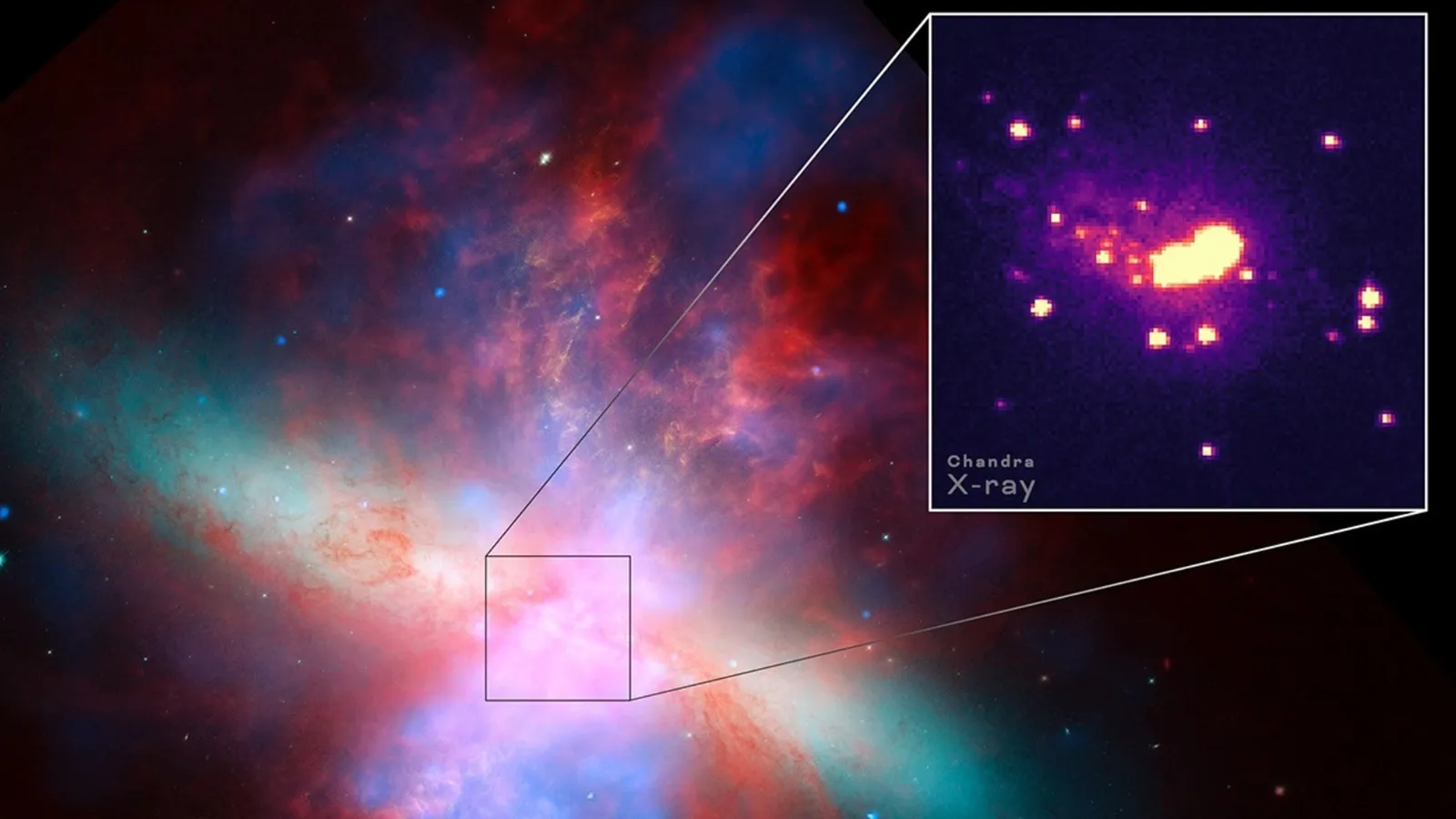
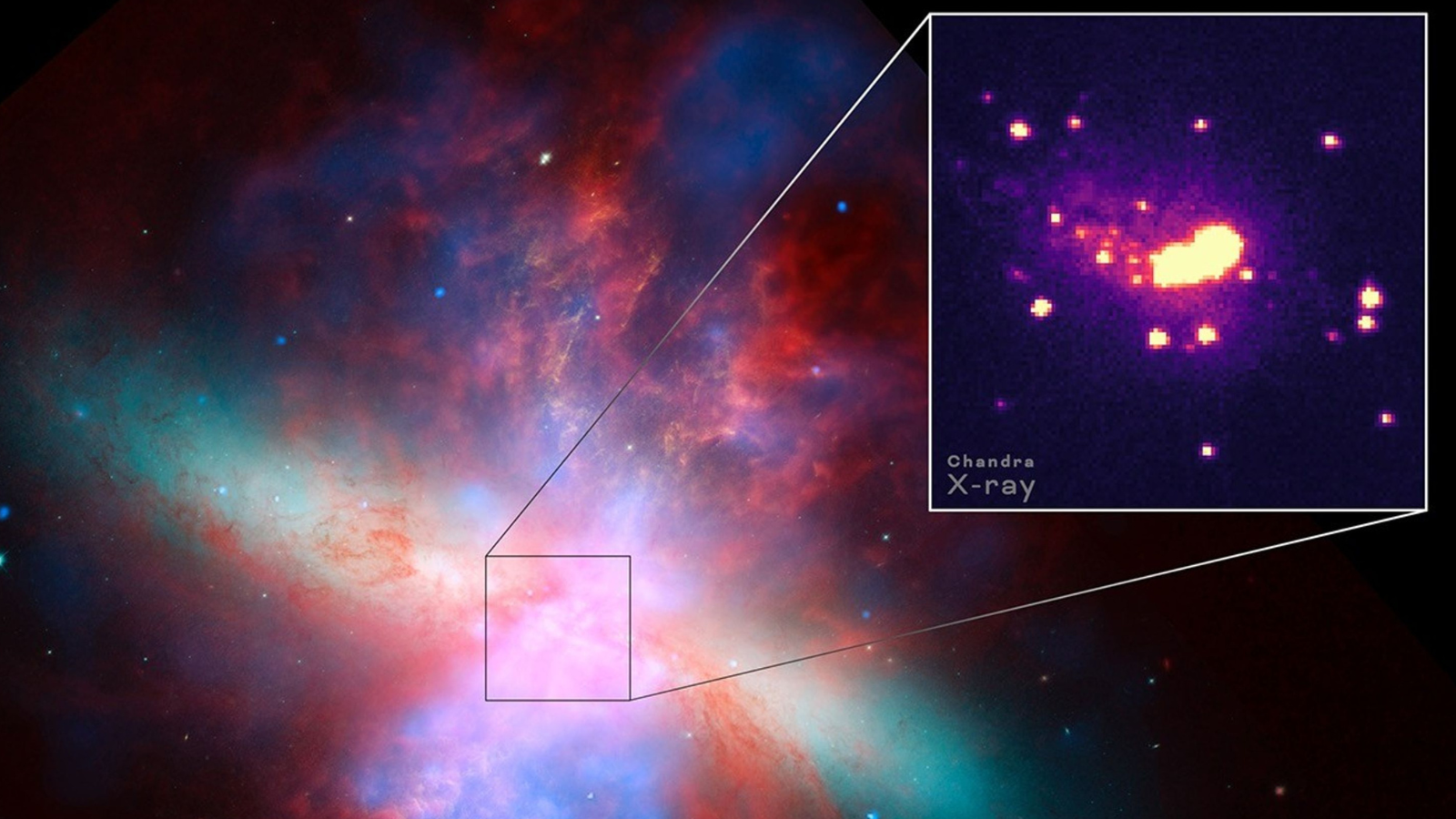
Located 12 million light-years away in Ursa Major, Messier 82 — better known as the Cigar Galaxy — stands out for its intense stellar fireworks, earning it the label 'starburst galaxy.'
- It churns out new stars ten times faster than our Milky Way, creating a violent environment in its core
- The resulting supernova explosions and stellar winds heat gas to extreme temperatures, launching massive outflows

How Stars Power These Cosmic Hurricanes
For decades, scientists theorized that clusters of newborn stars and their explosive deaths could drive massive gas ejections from galaxies. Now, they have solid proof.
- Shockwaves from supernovae and radiation pressure from massive young stars combine to push gas outward
- The energy builds up like steam in a pressure cooker until it bursts through the galaxy's disk

Why These Galactic Outflows Matter
These powerful winds aren't just cosmic fireworks — they play a crucial role in how galaxies grow, evolve, and seed the universe with elements.
- By removing gas, the winds slow down future star formation, acting as a natural brake on galactic growth
- They also spread heavy elements like carbon and oxygen into intergalactic space, potentially helping form future stars and planets
“Prior to XRISM, though, we didn't have the ability to measure the velocities needed to test that hypothesis. Now we see the gas moving even faster than some models predict, more than enough to drive the wind all the way to the edge of the galaxy.”
— Erin Boettcher, University of Maryland and NASA Goddard
Final Thoughts
With XRISM opening a new window into high-energy astrophysics, scientists are closer than ever to understanding how galaxies live, breathe, and evolve. M82s raging winds may be destructive, but they're also part of nature's grand cycle of creation across the cosmos.
Sources & Credits
Originally reported by Latest from Space.com
Manaal Khan
Tech & Innovation Writer


