Tesla Q1 2026 Earnings: $477M Profit on 16% Revenue Growth
Key Takeaways
- Tesla's net income doubled year over year to $477 million in Q1 2026
- Full Self-Driving subscriptions reached 1.3 million, up 51% from last year
- Energy storage revenue dropped 12% while automotive and services grew
Tesla reported its first quarter 2026 earnings ahead of an investor call, showing a profitable quarter despite shifting business dynamics. The company posted $477 million in net income, roughly double its profitability from the same period in 2025.
Total revenue climbed 16% year over year to $22.4 billion. Vehicle deliveries had already signaled a decent quarter, growing 6% compared to Q1 2025. But the real story lies in where Tesla made money and where it lost ground.
Automotive Still Drives Revenue, But Margins Remain Thin
Automotive revenue grew 16% to $16.2 billion. Services revenue, including Supercharger fees, jumped 42%. These gains helped offset a significant drop in regulatory credit sales. Tesla made just $380 million from selling credits to other automakers, down from $595 million in Q1 2025.
Operating margin came in at 4.2%. That's a far cry from the double-digit margins Tesla once posted, but it's twice as good as the company's performance in 2025. Leasing revenue also declined.
Operating expenses rose due to AI investments and part of the $1 trillion compensation package shareholders approved for CEO Elon Musk in November. Part of Musk's pay is now tied to active Full Self-Driving subscriptions.
Energy Storage Takes a Hit
Not everything grew. Tesla's energy storage business contracted in Q1, with revenues falling 12% to $2.4 billion. The company did not offer detailed commentary on the decline in its earnings materials.
FSD Subscriptions Surge After Pricing Shift
Tesla now reports active Full Self-Driving subscriptions as a key metric. The number hit 1.3 million, up 51% from the same period last year. The increase came after Tesla stopped selling FSD as a one-time purchase and moved to a $99 per month subscription model.
This shift matters for Musk personally. His compensation is now partially tied to FSD subscription growth, giving him a direct financial incentive to push the feature.
Optimus Robot Production Plans Come Into Focus
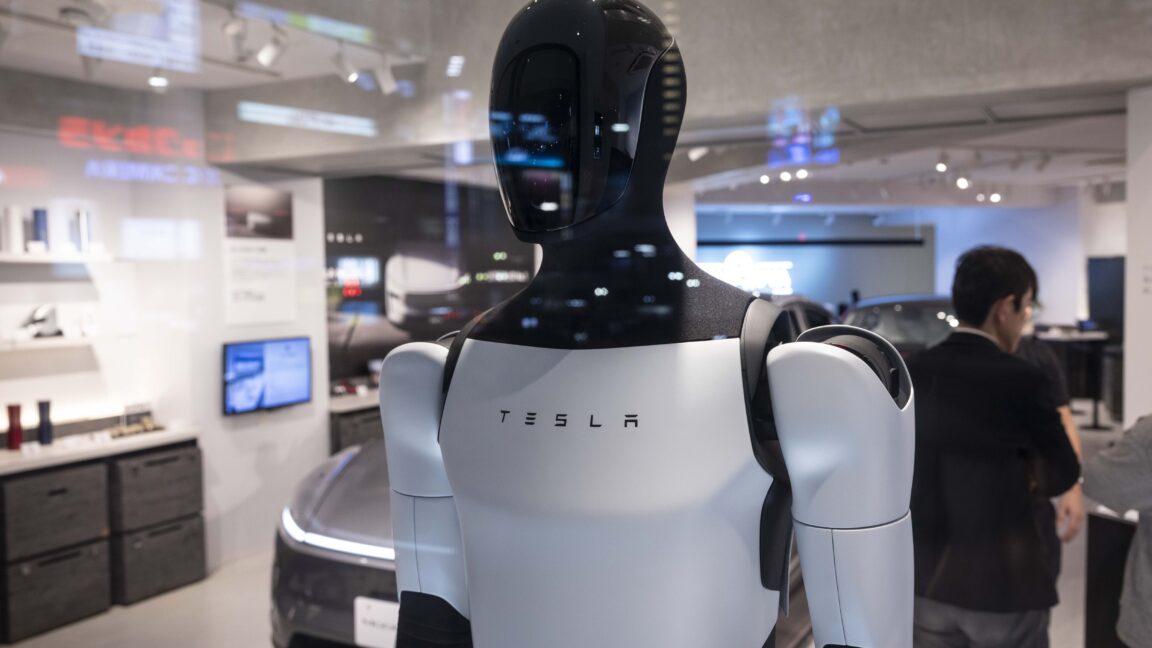
Tesla offered more detail on its humanoid robot plans than on any potential new vehicle. The company said it will begin adding capacity at its Fremont, California factory in Q2 to build Optimus robots at a rate of 1 million per year.
The Texas production line will be even larger, targeting 10 million units per year. Combined, that's 11 million robots annually if Tesla hits its targets.
Reports earlier this month mentioned a possible small Tesla EV, but the company made no mention of it. The earnings materials noted only that Tesla is "focused on optimizing our vehicle product portfolio, with an emphasis on vehicles designed for a fully autonomous future."
A Polarized Brand With a Trillion-Dollar Valuation
Tesla's market cap stood at $1.21 trillion at the time of the earnings release. The company remains valuable despite becoming an increasingly polarized brand. That tension between brand perception and financial performance will likely continue as Musk maintains his public profile.
Logicity's Take
Tesla's Q1 numbers show a company finding its footing after a rough 2025. The FSD subscription model is working, but thin margins and shrinking energy revenue leave little room for error. The Optimus production targets sound ambitious. Hitting them would transform the business. Missing them would fuel the skeptics.
Frequently Asked Questions
How much profit did Tesla make in Q1 2026?
Tesla reported $477 million in net income for Q1 2026, roughly double its profitability from the same quarter in 2025.
How many FSD subscriptions does Tesla have?
Tesla has 1.3 million active Full Self-Driving subscriptions as of Q1 2026, a 51% increase year over year.
How many Optimus robots does Tesla plan to build?
Tesla plans to build 1 million Optimus robots per year at its Fremont factory and 10 million per year at its Texas facility.
What is Tesla's current market cap?
Tesla's market cap was $1.21 trillion at the time of its Q1 2026 earnings release.
Did Tesla's energy business grow in Q1 2026?
No. Tesla's energy storage revenue fell 12% to $2.4 billion in Q1 2026.
Need Help Implementing This?
If you're tracking EV market trends or evaluating Tesla's role in your supply chain, we can help you cut through the noise. Reach out to Logicity for analysis tailored to your business context.
Source: Ars Technica
Manaal Khan
Tech & Innovation Writer
اقرأ أيضاً

رأي مغاير: كيف يؤثر اختراق الأمن الداخلي الأميركي على شركاتنا الخاصة؟
في ظل اختراق عقود الأمن الداخلي الأميركي مع شركات خاصة، نناقش تأثير هذا الاختراق على مستقبل الأمن السيبراني. نستعرض الإحصاءات الموثوقة ونناقش كيف يمكن للشركات الخاصة أن تتعامل مع هذا التهديد. استمتع بقراءة هذا التحليل العميق

الإنسان في زمن ما بعد الوجود البشري: نحو نظام للتعايش بين الإنسان والروبوت - Centre for Arab Unity Studies
في هذا المقال، سنناقش كيف يمكن للبشر والروبوتات التعايش في نظام متكامل. سنستعرض التحديات والحلول المحتملة التي تضعها شركات مثل جوجل وأمازون. كما سنلقي نظرة على التوقعات المستقبلية وفقًا لتقرير ماكنزي

إطلاق ناسا لمهمة مأهولة إلى القمر: خطوة تاريخية نحو استكشاف الفضاء
تعتبر المهمة الجديدة خطوة هامة نحو استكشاف الفضاء وتطوير التكنولوجيا. سوف تشمل المهمة إرسال رواد فضاء إلى سطح القمر لconducting تجارب علمية. ستسهم هذه المهمة في تطوير فهمنا للفضاء وتحسين التكنولوجيا المستخدمة في استكشاف الفضاء.