Taiwan Blocks Mainland Exhibitors From Computex 2026
Key Takeaways
- 219 mainland Chinese exhibitors listed for Computex 2026 faced stalled entry permits from Taiwanese authorities
- No formal rejections were issued. Applications were left pending or hit with last-minute documentation requests
- The freeze mirrors Taiwan's broader crackdown on mainland access to its semiconductor and tech sectors
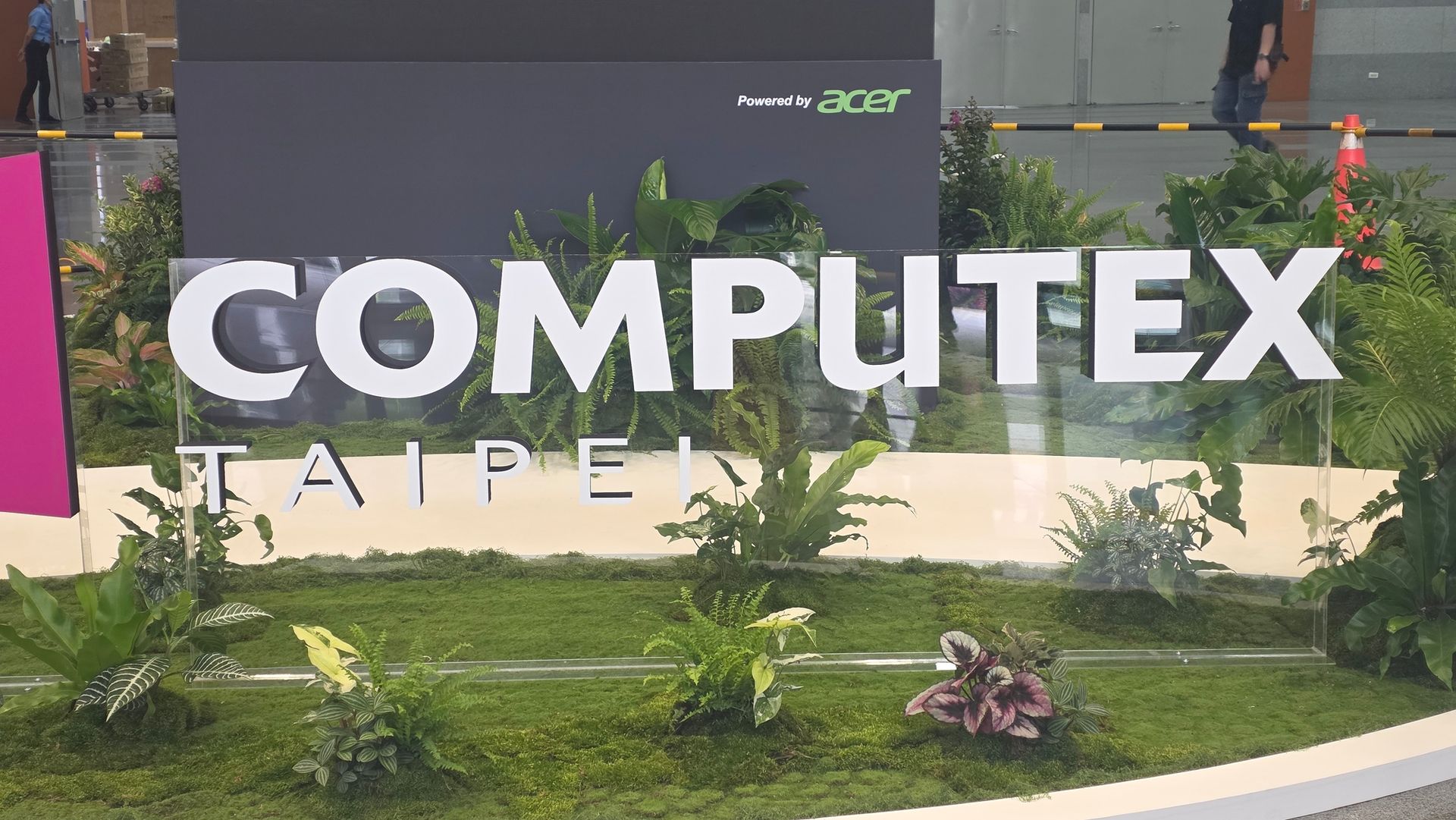
Computex 2026 opened in Taipei today with 219 empty booth allocations. The mainland Chinese companies listed as exhibitors never made it through the door.
According to a South China Morning Post report published as the four-day trade show began, staff at multiple listed exhibitors said nobody on their teams obtained an entry permit from Taiwanese authorities this year. Applications were either left pending indefinitely or met with last-minute requests for documentation that was impossible to supply on short notice.
No formal rejections were issued. That's the point.
A Freeze Without a Formal Ban
SCMP spoke to two mainland residents at listed exhibitors and a third mainland citizen employed by a multinational. All spoke anonymously given the political sensitivity. They described applications stuck in limbo while colleagues from other regions were granted access.
Two travel agencies that specialize in cross-strait trips confirmed the pattern. None of their clients, including official exhibitors, secured approvals this year.
“Nobody on our team obtained an entry permit from Taiwanese authorities this year... applications were either left pending or met with last-minute requests for documentation.”
— Anonymous staff member at a listed exhibitor, via South China Morning Post
There was one exception. Emdoor, a mainland VR and electronics maker that has exhibited at Computex for more than a decade, said it obtained permits without difficulty. The company did not explain why its experience differed.
Taiwan's National Immigration Agency, which processes the applications, told SCMP it "reviews such applications in accordance with established procedures and consults with the relevant authorities." That's bureaucratic language for discretion.
How the Process Works
Mainland nationals need travel documents from both Beijing and Taipei to attend Taiwanese trade shows. The people who spoke to SCMP were clear: Beijing wasn't the holdup.
Since 2023, mainlanders have been able to apply directly to the National Immigration Agency for short-term exhibition permits. But there's a catch. Anyone whose sponsor or activity touches high-tech sectors such as semiconductors must first secure separate special approval.
Immigration law firms Fragomen and BAL note in their advisories that the number of staff a company may send is capped under revenue-based quotas. Because these are discretionary decisions rather than outright bans, Taiwanese authorities can delay applications indefinitely without ever having to formally reject them.
It's a visa freeze that isn't technically a ban.
A Pattern, Not an Anomaly
This isn't the first time mainland exhibitors have faced this treatment in 2026. A similar permit freeze hit April's Taipei AMPA auto-parts show.
Taiwan has been taking a harder stance on mainland access to its tech sector throughout the year. In May, the island launched its first formal crackdown on illicit AI hardware exports to China. Taiwanese courts are also prosecuting TSMC trade-secret theft under the National Security Act.
The backdrop is tense. Reports this year describe intensifying Chinese efforts to poach Taiwanese chip talent. In the first quarter of 2026 alone, more than 420 Chinese military aircraft operated near the island.
What This Means for the Tech Trade Show Circuit
Computex Taipei is one of the world's largest ICT trade shows. It has traditionally served as a vital meeting point for global hardware collaboration. Taiwanese component makers, mainland assemblers, and international brands all converged here to do business.
That model is now under strain. When hundreds of exhibitors from the world's largest electronics manufacturing base can't attend, it changes the character of the event.
Online discussion on r/hardware and Hacker News has focused on what comes next. Many observers speculate this will accelerate supply chain "decoupling." Taiwanese and international firms may increasingly look to Southeast Asia for events and partnerships that avoid this political friction.
Some worry this sets a precedent that could permanently alter the structure of global tech trade shows. If exhibitors can't rely on getting into the country, they'll stop trying.
Logicity's Take
The Bigger Picture
Taiwan's semiconductor industry is the linchpin of global electronics manufacturing. TSMC alone produces over 90% of the world's most advanced chips. Protecting that industrial base from espionage and talent poaching is an existential priority for Taipei.
But trade shows exist to facilitate business. When security concerns override commercial access, the trade show itself becomes a casualty. Computex 2026 will proceed, but with a notable absence that everyone will feel.
Frequently Asked Questions
Why were Chinese exhibitors blocked from Computex 2026?
Taiwanese authorities stalled entry permit applications for mainland Chinese exhibitors. Applications were left pending or hit with last-minute documentation requests. No formal rejections were issued.
How many Chinese companies were affected at Computex 2026?
219 mainland Chinese exhibitors were listed for the show. The vast majority could not obtain entry permits, according to travel agencies and anonymous exhibitor staff.
Is Taiwan formally banning Chinese exhibitors from trade shows?
No formal ban exists. Taiwan uses discretionary permit review processes that allow indefinite delays without official rejections. This creates a de facto freeze without a documented policy.
Did any Chinese companies get into Computex 2026?
Emdoor, a mainland VR and electronics maker with over a decade of Computex history, said it obtained permits without difficulty. It appears to be an exception.
Will this affect future tech trade shows in Taiwan?
Industry observers speculate this could accelerate supply chain decoupling and push international events to Southeast Asian venues with less geopolitical friction.
Need Help Implementing This?
Source: Latest from Tom's Hardware
Manaal Khan
Tech & Innovation Writer
اقرأ أيضاً

رأي مغاير: كيف يؤثر اختراق الأمن الداخلي الأميركي على شركاتنا الخاصة؟
في ظل اختراق عقود الأمن الداخلي الأميركي مع شركات خاصة، نناقش تأثير هذا الاختراق على مستقبل الأمن السيبراني. نستعرض الإحصاءات الموثوقة ونناقش كيف يمكن للشركات الخاصة أن تتعامل مع هذا التهديد. استمتع بقراءة هذا التحليل العميق

الإنسان في زمن ما بعد الوجود البشري: نحو نظام للتعايش بين الإنسان والروبوت - Centre for Arab Unity Studies
في هذا المقال، سنناقش كيف يمكن للبشر والروبوتات التعايش في نظام متكامل. سنستعرض التحديات والحلول المحتملة التي تضعها شركات مثل جوجل وأمازون. كما سنلقي نظرة على التوقعات المستقبلية وفقًا لتقرير ماكنزي

إطلاق ناسا لمهمة مأهولة إلى القمر: خطوة تاريخية نحو استكشاف الفضاء
تعتبر المهمة الجديدة خطوة هامة نحو استكشاف الفضاء وتطوير التكنولوجيا. سوف تشمل المهمة إرسال رواد فضاء إلى سطح القمر لconducting تجارب علمية. ستسهم هذه المهمة في تطوير فهمنا للفضاء وتحسين التكنولوجيا المستخدمة في استكشاف الفضاء.