Sony Inzone M10S II Gaming Monitor: 540Hz OLED Takes on Asus and LG with Fnatic Partnership
Key Takeaways
- Sony's Inzone M10S II matches Asus ROG Swift and LG Ultragear specs with 540Hz at 1440p
- Dual-mode function switches to 1080p at 720Hz for competitive esports players
- At $1,099.99 MSRP, it's the most expensive of the three competing monitors
- LG's equivalent monitor currently sells for $750, a $350 difference
- Monitor developed with feedback from esports organization Fnatic
Read in Short
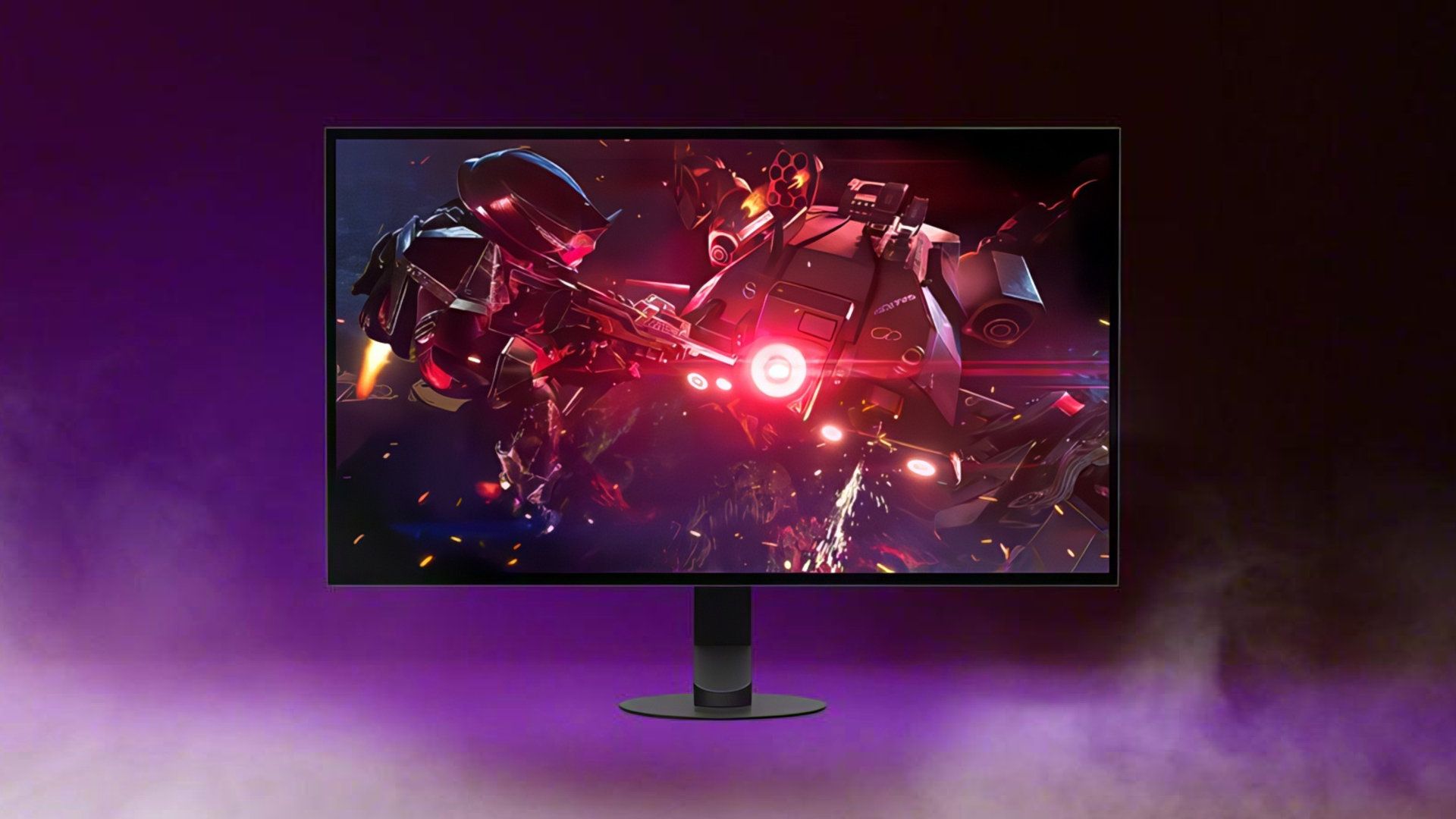
Sony just announced the Inzone M10S II, a 27-inch OLED gaming monitor with 540Hz refresh rate and dual-mode switching to 720Hz at 1080p. It's basically the same specs as what Asus and LG already sell, but Sony's asking $1,099.99 while LG's version goes for $750.
The gaming monitor market is absolutely chaotic right now. You've got dozens of manufacturers all screaming for your attention, throwing specs at you like confetti at a parade. So when Sony decides to jump into the high-refresh OLED ring, you'd expect them to come swinging with something unique, right?
Well, not exactly. The new Inzone M10S II is Sony's second collaboration with Fnatic, and while it's a solid looking display, it's essentially playing catch-up with what Asus and LG have already put on the market.
What Makes the Inzone M10S II Tick
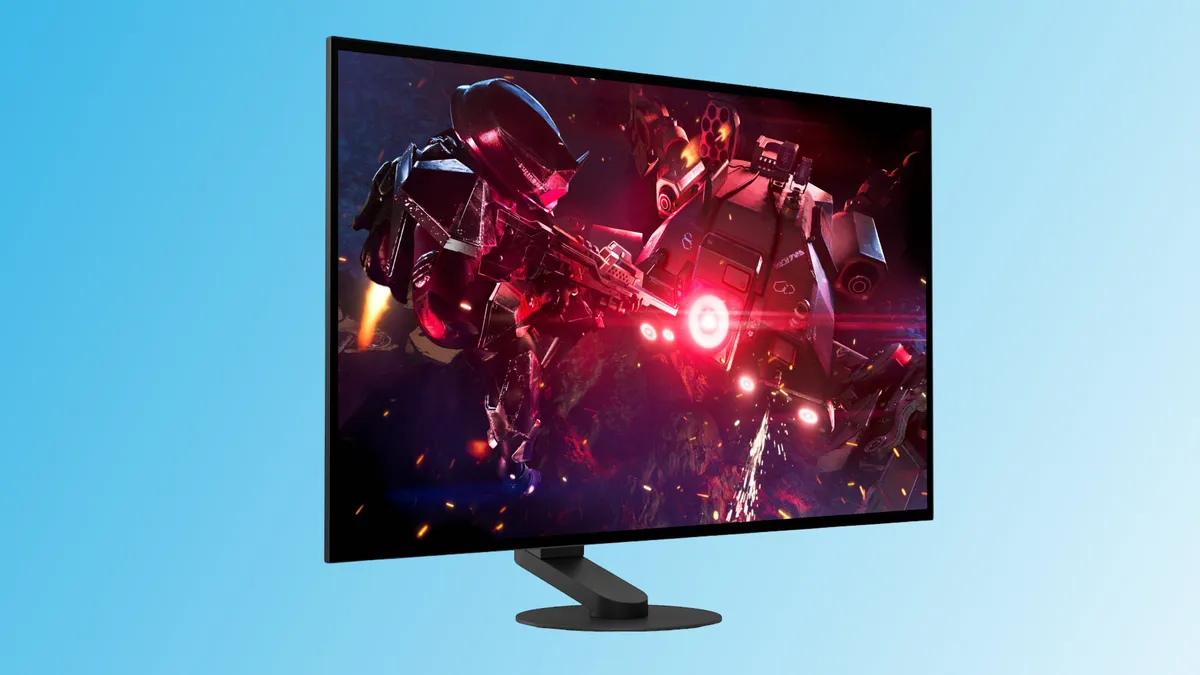
Let's break down what you're getting here. This is a 27-inch OLED panel running at 2560x1440 native resolution. The headline feature is that ridiculous 540Hz maximum refresh rate, which is the kind of number that makes competitive players drool.
But here's where it gets interesting for the esports crowd. Sony's included a dual-mode function that lets you drop down to 1080p resolution while cranking the refresh rate up to 720Hz. Just hit a button and boom, you're in full tryhard mode. The monitor can even limit the active screen area to simulate a 24-inch display, because apparently that's what the pros prefer.
The Three-Way Spec Showdown
Here's the thing that makes Sony's pitch a little awkward. The Inzone M10S II isn't breaking new ground. It's matching ground that's already been broken.
| Spec | Sony Inzone M10S II | Asus ROG Swift PG27AQWP-W | LG Ultragear 27GX790B-B |
|---|---|---|---|
| Screen Size | 27 inches | 27 inches | 27 inches |
| Panel Type | OLED | OLED | OLED |
| Native Resolution | 2560x1440 | 2560x1440 | 2560x1440 |
| Max Refresh (1440p) | 540Hz | 540Hz | 540Hz |
| Max Refresh (1080p) | 720Hz | 720Hz | 720Hz |
| Dual-Mode | Yes | Yes | Yes |
| MSRP | $1,099.99 | $1,099 | $999 (Currently $750) |
Look at that table. These three monitors are practically triplets separated at birth. Same size, same resolution, same refresh rates, same dual-mode feature. The only real difference? How much cash they want you to hand over.
The Price Problem Sony Needs to Address
And this is where Sony's in trouble. Competition is supposed to drive prices down, and LG got that memo loud and clear. Their Ultragear 27GX790B-B is currently sitting at $750 on Amazon. That's a full $350 less than what Sony's asking for essentially identical hardware.
Asus is matching Sony at $1,099, so those two are in a dead heat for most expensive option. But when a consumer can get the same specs for hundreds less, what exactly is Sony selling? Brand loyalty? The Fnatic name?
Who Is Fnatic Anyway?
If you're not deep into esports, Fnatic might not ring any bells. They're a London-based esports organization that fields competitive teams across multiple games. Think of them like a traditional sports franchise, but for gaming. Sony's hoping their stamp of approval carries weight with competitive players.
The Fnatic Factor
Sony's marketing is leaning hard on the Fnatic partnership. According to Sony, the Inzone M10S II has been "refined with feedback from Fnatic," which sounds great in a press release but doesn't tell us much of anything concrete.
What specific refinements? Better color accuracy? Improved response times? Some secret sauce in the OSD that pros love? We don't know yet. And honestly, until independent reviewers get their hands on this thing and put it through proper testing, there's no way to verify whether the Fnatic collaboration produced anything meaningful or if it's just marketing fluff.
“Until the all-singing, all-dancing gaming display has been independently tested and reviewed, there's no way of telling whether the collaboration has resulted in any tangible improvements.”
— PCGamer
Another gaming industry product launch with questionable value proposition for consumers
Who Actually Needs 720Hz?
Let's have an honest conversation here. Do you need 720Hz? Almost certainly not. Can you even perceive the difference between 540Hz and 720Hz? Studies suggest most people tap out way before those numbers.
This is hardware built for the absolute elite of competitive gaming. We're talking about the folks where shaving off a single millisecond of input lag could mean the difference between winning and losing a tournament. For everyone else playing Valorant or CS2 at home? You're probably fine with a 240Hz display that costs a fraction of the price.
But that's the esports monitor game. These companies are in an arms race to hit bigger numbers, and the actual real-world benefit becomes increasingly marginal as those numbers climb higher.
Should You Wait for Sony or Buy Now?
If you're dead set on getting one of these dual-mode OLED displays, the smart money says grab the LG while it's discounted. Same specs, significantly less damage to your wallet.
Sony's banking on its reputation and the Fnatic partnership to justify that premium pricing. Maybe independent testing will reveal some hidden advantages that make the extra cost worthwhile. Maybe the build quality is notably better. Maybe the included software or calibration settings give it an edge.
Or maybe it's just the same panel in a different shell with a different logo, and you're paying $350 extra for the privilege of saying you bought the Sony.
✅ Pros
- • Matches industry-leading 540Hz/720Hz specs
- • Fnatic partnership suggests esports-focused optimization
- • Sony brand reliability and support
- • Dual-mode switching for competitive play
❌ Cons
- • Most expensive option at $1,099.99
- • No confirmed advantages over cheaper LG alternative
- • Fnatic improvements unverified until independent review
- • Launching into market where competitors are already discounting
The Bottom Line
Sony's entering the high-refresh OLED monitor space at exactly the wrong price point. They've built a monitor that matches the competition spec-for-spec but costs more than the equivalent LG and ties with Asus for most expensive option.
The Fnatic collaboration might mean something, but until we see independent benchmarks and reviews, it's hard to recommend paying a premium for promises. If Sony really wanted to make a splash, they should've come in at $899 and put pressure on Asus and LG. Instead, they're asking customers to pay more for what appears to be the same thing.
Competition is supposed to benefit consumers through lower prices and innovation. Right now, LG's the only one in this three-way fight that seems to understand that first part.
Source: PCGamer latest
Huma Shazia
Senior AI & Tech Writer
اقرأ أيضاً

رأي مغاير: كيف يؤثر اختراق الأمن الداخلي الأميركي على شركاتنا الخاصة؟
في ظل اختراق عقود الأمن الداخلي الأميركي مع شركات خاصة، نناقش تأثير هذا الاختراق على مستقبل الأمن السيبراني. نستعرض الإحصاءات الموثوقة ونناقش كيف يمكن للشركات الخاصة أن تتعامل مع هذا التهديد. استمتع بقراءة هذا التحليل العميق

الإنسان في زمن ما بعد الوجود البشري: نحو نظام للتعايش بين الإنسان والروبوت - Centre for Arab Unity Studies
في هذا المقال، سنناقش كيف يمكن للبشر والروبوتات التعايش في نظام متكامل. سنستعرض التحديات والحلول المحتملة التي تضعها شركات مثل جوجل وأمازون. كما سنلقي نظرة على التوقعات المستقبلية وفقًا لتقرير ماكنزي

إطلاق ناسا لمهمة مأهولة إلى القمر: خطوة تاريخية نحو استكشاف الفضاء
تعتبر المهمة الجديدة خطوة هامة نحو استكشاف الفضاء وتطوير التكنولوجيا. سوف تشمل المهمة إرسال رواد فضاء إلى سطح القمر لconducting تجارب علمية. ستسهم هذه المهمة في تطوير فهمنا للفضاء وتحسين التكنولوجيا المستخدمة في استكشاف الفضاء.