Solar geoengineering moves from theory to engineering
Key Takeaways
- The Climate Systems Engineering Initiative at University of Chicago launched in 2024 to tackle practical engineering challenges of solar geoengineering
- Aircraft capable of carrying payloads to 20 kilometers altitude do not exist yet, requiring entirely new designs
- Climate models suggest geoengineering could protect 75% of oceans from marine heatwaves, but 25-75% would remain at risk
Solar geoengineering is graduating from climate models to actual engineering blueprints. A small group of researchers at the University of Chicago is now designing the aircraft, delivery mechanisms, and monitoring systems that would be required to inject reflective particles into the stratosphere and cool the planet. The work marks a shift from asking whether geoengineering could work in theory to figuring out how it would work in practice.
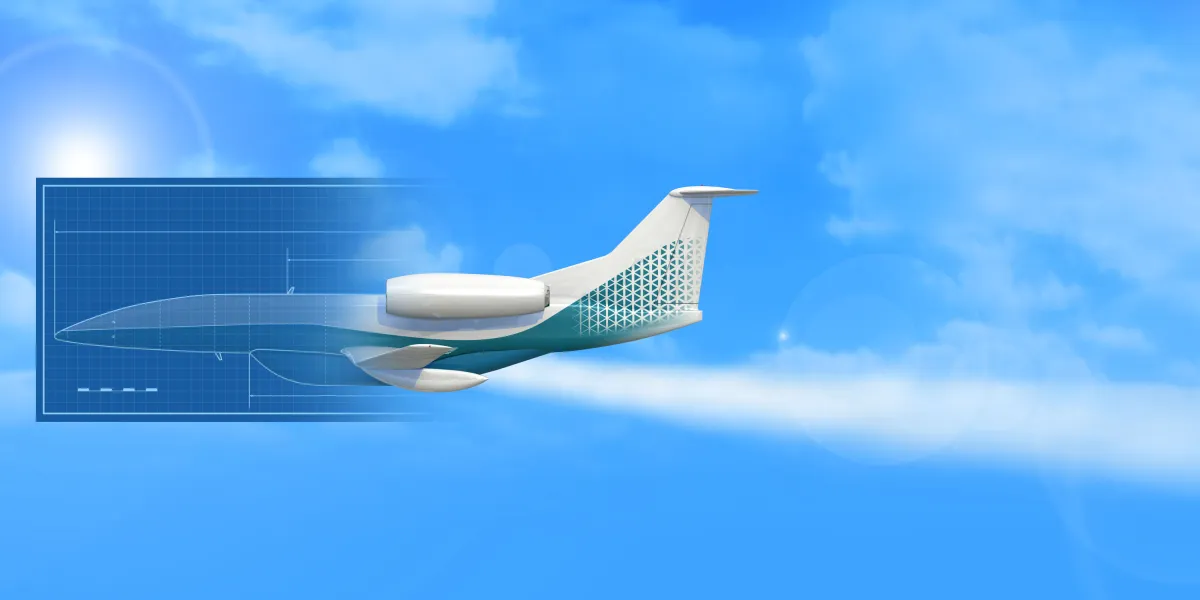
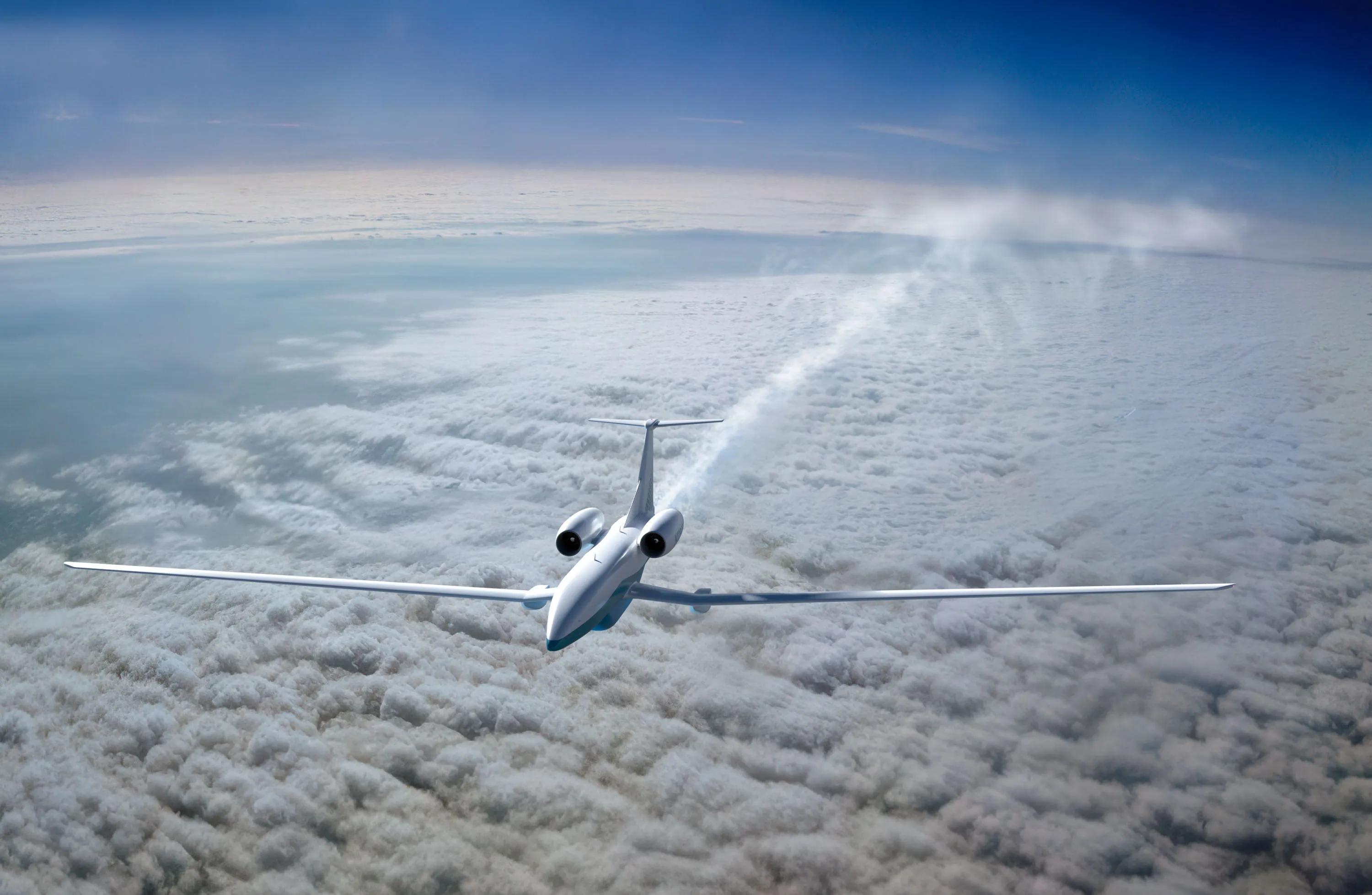
Jim Franke, a research assistant professor at the university's Climate Systems Engineering Initiative, keeps renderings of an odd aircraft on his desk. It has massive wings attached to a stubby fuselage, designed to fly 20 kilometers up, where air density drops to 5% of sea level. No commercial aircraft reaches that altitude. No existing plane can carry the payloads this work would require.
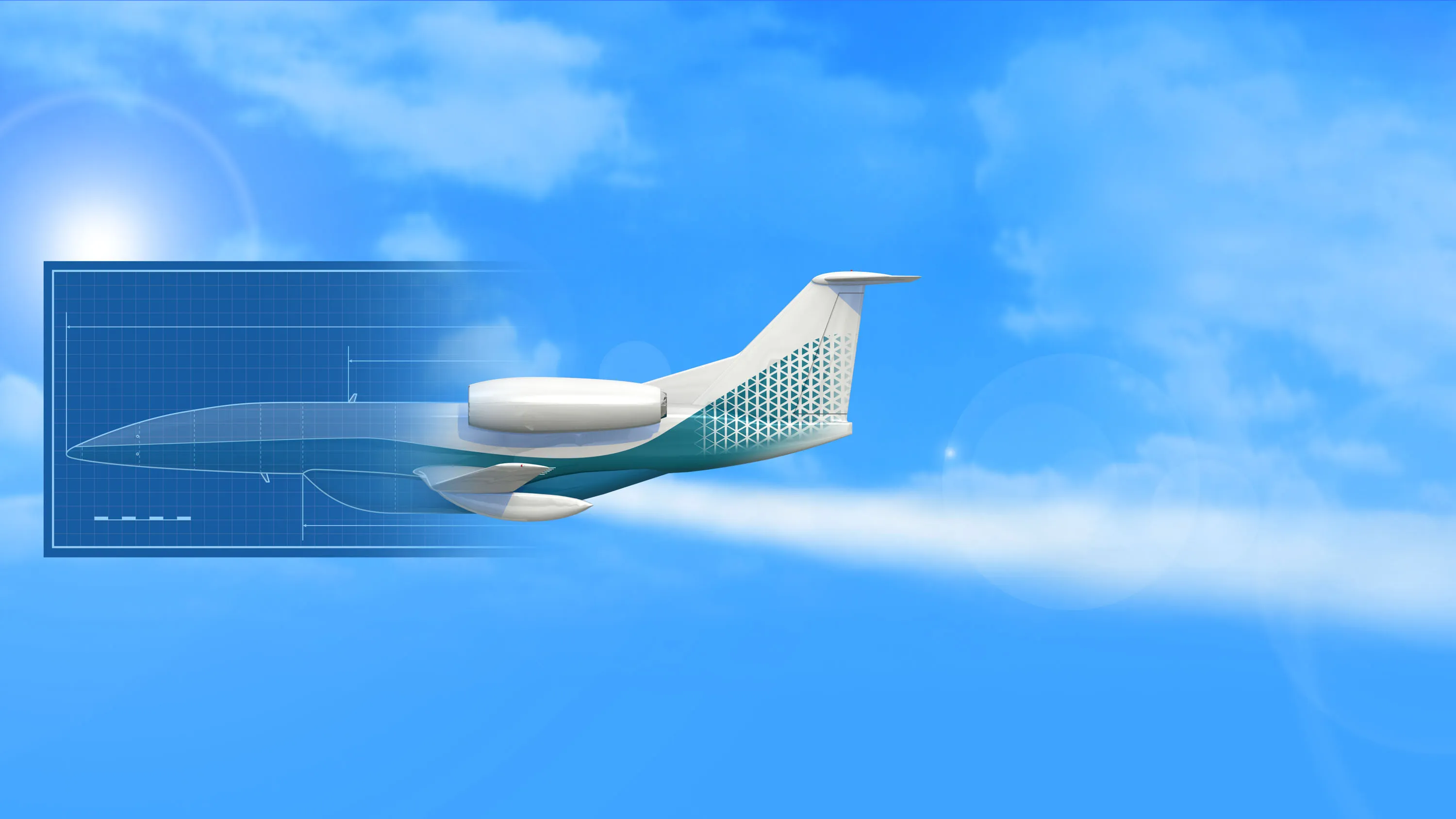
"If you want to get to 20 kilometers in the near term, this is probably the best bet," Franke told MIT Technology Review. He's a professional engineer who earned his doctorate in geosciences, and he's now overseeing research projects aimed at resolving the field's biggest engineering unknowns.
Why climate models are no longer enough
The basic science behind solar geoengineering comes from volcanoes. Major eruptions blast sulfur dioxide into the stratosphere, where it converts into particles that scatter sunlight and temporarily cool the Earth. Mount Pinatubo's 1991 eruption lowered global temperatures by about 0.5°C for a year.
Hundreds of computer simulations over recent decades have suggested that humans could mimic this effect deliberately. The models are encouraging. But models are approximations. They gloss over engineering problems that have no solutions yet.
- Aircraft capable of stratospheric payloads don't exist
- Researchers don't know how to release material so it forms tiny reflective particles instead of clumping and falling
- The optimal substance to spray remains undetermined, with open questions about safety, cost, and effectiveness
Franke argues that more computer simulations won't answer the big remaining questions. "I'm kind of personally skeptical," he said, pointing to the need to understand what he calls the "boogeyman" of what could go wrong.
Who is building the research infrastructure
The Climate Systems Engineering Initiative launched formally in 2024 under David Keith, a prominent geoengineering researcher who has spent decades studying the concept. The initiative represents one of the few places where practical engineering work on solar geoengineering is happening at scale.
The work spans multiple overlapping projects: aircraft design, atmospheric chemistry, particle dispersion mechanisms, and monitoring systems. The monitoring piece matters because any geoengineering program would need to verify its effects are actually occurring.
That 75% figure sounds impressive until you consider its flip side. Between 25% and 75% of the world's seas would remain at high risk of overheating even with large-scale intervention. The protection geoengineering provides would be unequal, a point critics emphasize when discussing environmental justice.
The case against moving forward
Not everyone thinks this practical research is a good idea. Jennie Stephens, a professor of climate justice at Maynooth University in Ireland, argues that engineering progress creates deployment momentum.
“The more investment that's made, the further the advances, the more likely it is that it will be deployed.”
— Jennie Stephens, Professor of Climate Justice, Maynooth University
Her concern is straightforward: we cannot predict the consequences of manipulating planetary systems at this scale. Climate, ocean currents, and weather patterns are interconnected. Intervening in one place produces effects elsewhere, and those effects may harm regions that had no say in the decision to deploy.
Critics also worry about governance. Who decides to geoengineer? A single nation could theoretically begin a program unilaterally, affecting weather patterns worldwide. The technology doesn't require global consensus to deploy, only resources and willingness.
Could geoengineering be done in secret
One common fear is that a nation or private entity could begin geoengineering covertly. Franke argues this is essentially impossible at any meaningful scale.
The aircraft flights alone would be observable. The atmospheric changes would show up in monitoring systems operated by multiple countries and independent research institutions. Secrecy at scale seems implausible.
What proponents say about practical research
Researchers like Franke and Keith argue that practical engineering work improves understanding of both benefits and risks. If someone, somewhere in the world eventually decides to geoengineer, better that they do so with real knowledge rather than guesswork.
The alternative, in their view, is worse: a future where geoengineering gets deployed in a crisis without adequate understanding of what will happen. Climate disasters are intensifying. Political pressure to "do something" will grow. Research now could prevent mistakes later.
This is still a niche field. Most climate research funding goes elsewhere. But the Chicago initiative and a handful of other programs are steadily building the knowledge base that would be required for any real-world deployment.
Frequently Asked Questions
What is stratospheric aerosol injection?
A form of solar geoengineering that would release reflective particles into the stratosphere, about 20 kilometers up, to scatter sunlight back into space and cool Earth's surface. The concept mimics the cooling effect of major volcanic eruptions.
Do aircraft exist that can deliver geoengineering payloads?
No. Current aircraft cannot carry the necessary loads to the required altitudes. Researchers at University of Chicago are designing new aircraft with oversized wings capable of flying in the thin air 20 kilometers above Earth's surface.
Could a country geoengineer the planet secretly?
Researchers say no. The scale of flights and atmospheric changes would be visible to satellite monitoring and atmospheric sensors operated by multiple nations and independent institutions.
What are the main risks of solar geoengineering?
Unpredictable effects on weather patterns, unequal protection across regions, governance challenges about who decides to deploy, and the possibility that stopping suddenly could cause rapid warming.
Logicity's Take
The real story here isn't whether geoengineering works in simulations. It's that the engineering gap between theory and deployment is forcing researchers to confront practical questions that models conveniently ignore. The fact that suitable aircraft don't exist is a bigger constraint than most policy discussions acknowledge. This work may ultimately reveal that stratospheric aerosol injection is harder, more expensive, or riskier than models suggest. That would be useful to know before anyone tries it at scale.
Another example of major climate tech investment and valuation dynamics
Need Help Implementing This?
Logicity helps technology leaders understand emerging climate tech, research partnerships, and strategic implications. Contact our team for custom briefings on geoengineering developments and their business relevance.
Source: MIT Technology Review
Manaal Khan
Tech & Innovation Writer
اقرأ أيضاً

رأي مغاير: كيف يؤثر اختراق الأمن الداخلي الأميركي على شركاتنا الخاصة؟
في ظل اختراق عقود الأمن الداخلي الأميركي مع شركات خاصة، نناقش تأثير هذا الاختراق على مستقبل الأمن السيبراني. نستعرض الإحصاءات الموثوقة ونناقش كيف يمكن للشركات الخاصة أن تتعامل مع هذا التهديد. استمتع بقراءة هذا التحليل العميق

الإنسان في زمن ما بعد الوجود البشري: نحو نظام للتعايش بين الإنسان والروبوت - Centre for Arab Unity Studies
في هذا المقال، سنناقش كيف يمكن للبشر والروبوتات التعايش في نظام متكامل. سنستعرض التحديات والحلول المحتملة التي تضعها شركات مثل جوجل وأمازون. كما سنلقي نظرة على التوقعات المستقبلية وفقًا لتقرير ماكنزي

إطلاق ناسا لمهمة مأهولة إلى القمر: خطوة تاريخية نحو استكشاف الفضاء
تعتبر المهمة الجديدة خطوة هامة نحو استكشاف الفضاء وتطوير التكنولوجيا. سوف تشمل المهمة إرسال رواد فضاء إلى سطح القمر لconducting تجارب علمية. ستسهم هذه المهمة في تطوير فهمنا للفضاء وتحسين التكنولوجيا المستخدمة في استكشاف الفضاء.