Science Corp Brain Sensor Trial: Max Hodak's Biohybrid BCI Gets Yale Neurosurgeon for First Human Implant
Key Takeaways
- Science Corp has recruited Dr. Murat Günel from Yale to lead its first U.S. human brain sensor trial
- The company closed $230 million in Series C funding at a $1.5 billion valuation in March 2026
- Their biohybrid approach uses lab-grown neurons instead of traditional metal electrodes that can damage brain tissue
- 84% of blind patients in PRIMA trials regained the ability to read text
- The sensor sits on the cortical surface rather than penetrating brain tissue, reducing scarring risk
Read in Short
Max Hodak's Science Corp just locked in Yale's top brain surgeon to stick their first sensor in a human brain. Unlike Neuralink's electrode approach, they're betting on lab-grown neurons to create a more natural bridge between computers and your grey matter. And with $230 million fresh in the bank, they're not messing around.
So here's the thing about brain-computer interfaces: everyone's racing to be the company that finally cracks the code on letting humans control machines with their thoughts. Neuralink gets all the headlines because, well, Elon Musk. But the guy who actually helped build Neuralink? He left and started something that might be way more interesting.
Max Hodak co-founded Neuralink back in the day, served as president, and then bounced in 2021 to start Science Corporation. And now his company is about to do something that could reshape how we think about connecting brains to computers.
Why Yale's Top Brain Surgeon Just Joined the Team
Dr. Murat Günel isn't some random hire. He's the chair of Yale Medical School's Department of Neurosurgery, and he's been in discussions with Science Corp for two years before finally signing on as a scientific adviser. His job? Surgically place the company's first sensor into a human patient's brain.
“By placing sensors on the cortical surface during necessary clinical procedures, we can gather unprecedented data with minimal added risk to the patient.”
— Dr. Murat Günel, Chair of Neurosurgery at Yale Medical School
That quote tells you everything about their strategy. They're not recruiting healthy volunteers and cutting into their skulls just for science. They're piggybacking on surgeries that patients already need, adding the sensor placement during procedures that were happening anyway. The Hacker News crowd is calling this the more ethical path to BCI trials, and honestly, it's hard to argue with that.
The Problem With Shoving Metal Into Your Brain
Here's why Hodak left the conventional BCI playbook behind. Traditional brain-computer interfaces use metal electrodes or probes that penetrate brain tissue. They work. Patients with ALS and spinal injuries have used them to control computers and generate words on screens just by thinking. That's genuinely amazing.
But there's a catch. A big one.
The Electrode Problem
Metal probes cause brain damage that degrades device performance over time. The brain treats foreign objects like invaders, forming scar tissue around electrodes that eventually interferes with signal quality. This is why long-term BCI performance remains a major unsolved challenge.
According to Günel, this scarring is likely to undermine how well these devices work as the years go by. So you get this incredible technology that helps people communicate again, but it might slowly stop working. Not ideal when you're talking about something permanently implanted in someone's skull.
Lab-Grown Neurons: Science Corp's Wild Bet
Hodak's solution sounds like science fiction, but that's kind of the point. Instead of metal electrodes touching brain tissue, Science Corp wants to use actual neurons, grown in a lab, as the interface between electronics and the human nervous system. They're calling it a biohybrid approach.
“Electrodes are a crude solution... the future of brain-computer interfaces lies in biohybrids that use lab-grown neurons to bridge the gap between machine and mind.”
— Max Hodak, CEO of Science Corp
The idea is that your brain won't freak out and form scar tissue around biological cells the way it does around metal. Neurons are supposed to be there. Electronics are not. So you use the neurons as translators, essentially.
“The idea of using natural connections through neurons and creating a biological interface between the electronics and the human brain is genius.”
— Dr. Murat Günel
Now, is this actually going to work? That's the billion-dollar question. Over on Reddit's neuroscience community, people are debating whether keeping lab-grown cells alive inside a host body long-term is even feasible. The complexity might be the ultimate bottleneck. But if anyone's going to figure it out, a team with $230 million and Yale's neurosurgery chair is a reasonable bet.
Another major tech company bringing in heavyweight medical expertise to bridge the gap between cutting-edge tech and healthcare applications.
PRIMA: The Proof That Science Corp Can Actually Ship
All this biohybrid brain stuff is future-looking. But Science Corp already has a product that's changing lives right now. PRIMA is a retinal implant for people who've lost vision due to macular degeneration, and the results are kind of stunning.
“This is the first time restoration of the ability to fluently read has ever been definitively shown in blind patients.”
— Max Hodak, on the PRIMA retinal implant results
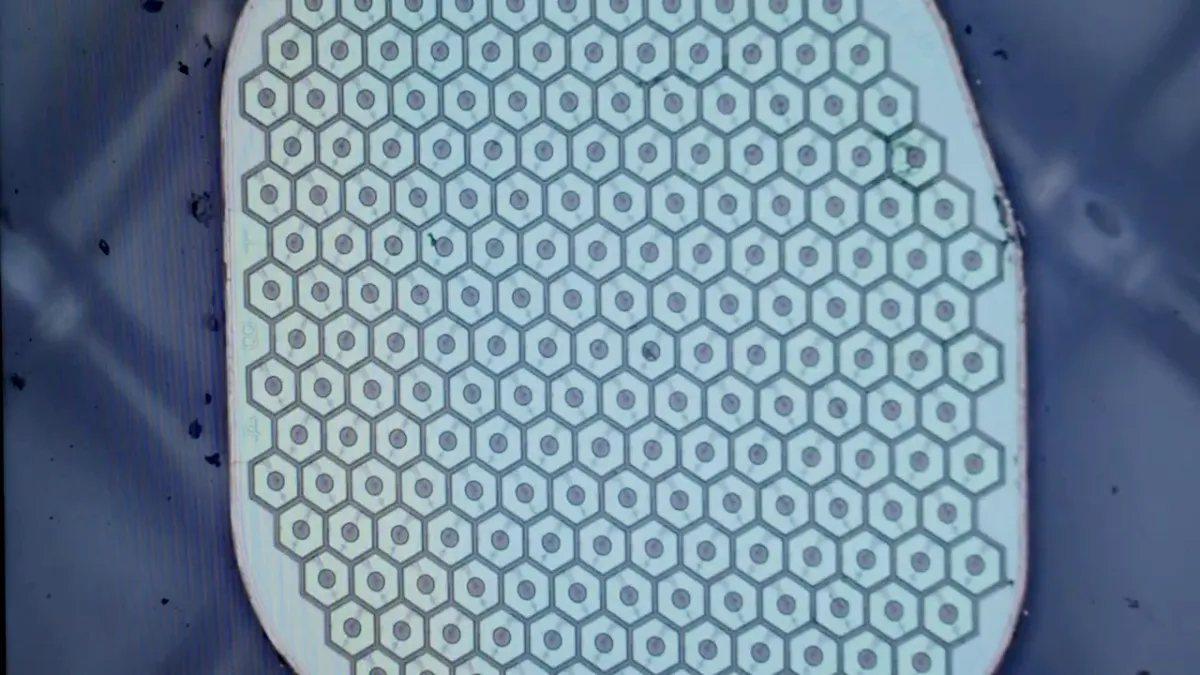
Science Corp acquired the PRIMA technology in 2024 and has been pushing it through clinical trials ever since. They're aiming to make it widely available in Europe once they get regulatory approval, potentially this year. The 520-electrode sensor is about the size of a pea and sits on the surface level, consistent with their philosophy of not penetrating tissue whenever possible.
Hodak vs. Musk: Two Very Different Approaches
The tech community on X can't stop comparing these two. And look, the contrast is real. Neuralink moves at Elon's typical breakneck pace, optimizing for consumer tech timelines and generating constant headlines. Science Corp is taking what people are calling the academic and medical-first path.
| Aspect | Science Corp | Neuralink |
|---|---|---|
| Approach | Biohybrid (lab-grown neurons) | Electronic (metal electrodes) |
| Implant Method | Surface-level, non-penetrating | Threads inserted into brain tissue |
| Leadership | Former Neuralink president + Yale neurosurgery chair | Elon Musk-led |
| Valuation | $1.5 billion | $5+ billion |
| Current Product | PRIMA vision restoration (84% reading restoration) | Telepathy (motor control for paralyzed patients) |
| Philosophy | Medical outcomes first | Consumer tech pace |
Neither approach is objectively wrong. Neuralink's electrode-based system has helped people with paralysis control devices with their minds. That's not nothing. But Hodak clearly believes the long-term limitations of metal-in-brain will eventually hit a wall that biohybrids won't.
And then there's that viral tweet from Hodak about longevity. The man who's trying to merge neurons with electronics also thinks the first people who'll live to 1,000 years old are probably already born. He's not thinking small. He's thinking centuries ahead.
What Happens Next
The immediate goal is straightforward: get that first sensor into a human brain during an existing surgical procedure, gather data, and prove the concept works. But Hodak's long-term vision goes way beyond treating medical conditions. He's talked openly about human enhancement, about adding entirely new senses to the body.
- First human sensor placement during a necessary clinical procedure (targeting 2026)
- Continued PRIMA trials with European regulatory approval potentially this year
- Development of full biohybrid interface combining lab-grown neurons with electronics
- Long-term goal of reliable two-way communication between computers and human brains
The regulatory path remains murky for the whole BCI industry. And the patient pool for current applications is relatively small, limited mostly to people with ALS, spinal injuries, and similar conditions. But every major technology starts with narrow applications before finding its mainstream moment.
The Bottom Line
Science Corp is making a fundamentally different bet than the rest of the brain-computer interface industry. Instead of refining electrodes, they're trying to grow biological bridges. Instead of rushing to market, they're partnering with top academic surgeons and piggybacking on existing procedures. And they've already proven they can restore vision to blind patients at rates nobody else has achieved.
Is it going to work? Nobody knows. Keeping lab-grown neurons alive in a host body for years might turn out to be impossibly hard. But if you're going to bet on someone figuring it out, the former Neuralink president with Yale's neurosurgery chair, $230 million in fresh funding, and an 84% success rate on vision restoration seems like a reasonable choice.
The first sensor goes in soon. And honestly? This is one of those moments where we might look back and realize we watched something huge begin.
Source: TechCrunch / Tim Fernholz
Huma Shazia
Senior AI & Tech Writer
اقرأ أيضاً

رأي مغاير: كيف يؤثر اختراق الأمن الداخلي الأميركي على شركاتنا الخاصة؟
في ظل اختراق عقود الأمن الداخلي الأميركي مع شركات خاصة، نناقش تأثير هذا الاختراق على مستقبل الأمن السيبراني. نستعرض الإحصاءات الموثوقة ونناقش كيف يمكن للشركات الخاصة أن تتعامل مع هذا التهديد. استمتع بقراءة هذا التحليل العميق

الإنسان في زمن ما بعد الوجود البشري: نحو نظام للتعايش بين الإنسان والروبوت - Centre for Arab Unity Studies
في هذا المقال، سنناقش كيف يمكن للبشر والروبوتات التعايش في نظام متكامل. سنستعرض التحديات والحلول المحتملة التي تضعها شركات مثل جوجل وأمازون. كما سنلقي نظرة على التوقعات المستقبلية وفقًا لتقرير ماكنزي

إطلاق ناسا لمهمة مأهولة إلى القمر: خطوة تاريخية نحو استكشاف الفضاء
تعتبر المهمة الجديدة خطوة هامة نحو استكشاف الفضاء وتطوير التكنولوجيا. سوف تشمل المهمة إرسال رواد فضاء إلى سطح القمر لconducting تجارب علمية. ستسهم هذه المهمة في تطوير فهمنا للفضاء وتحسين التكنولوجيا المستخدمة في استكشاف الفضاء.