Quantum Dot TVs vs RGB LED TVs: Nanosys Demo Shows the Gaps
Key Takeaways
- RGB LED TVs showed visible color crosstalk in Nanosys's side-by-side demo
- Super quantum dot (SQD) technology uses blue LEDs with quantum dots for color conversion
- The comparison was run by Nanosys, which manufactures the quantum dots in SQD TVs
RGB LED is the buzzword in TV technology for 2026. Samsung, Hisense, LG, and Sony are all pushing RGB LED backlights as the next leap in picture quality. But at Display Week 2026 in Los Angeles, quantum dot manufacturer Nanosys set up a demo to argue the opposite case.
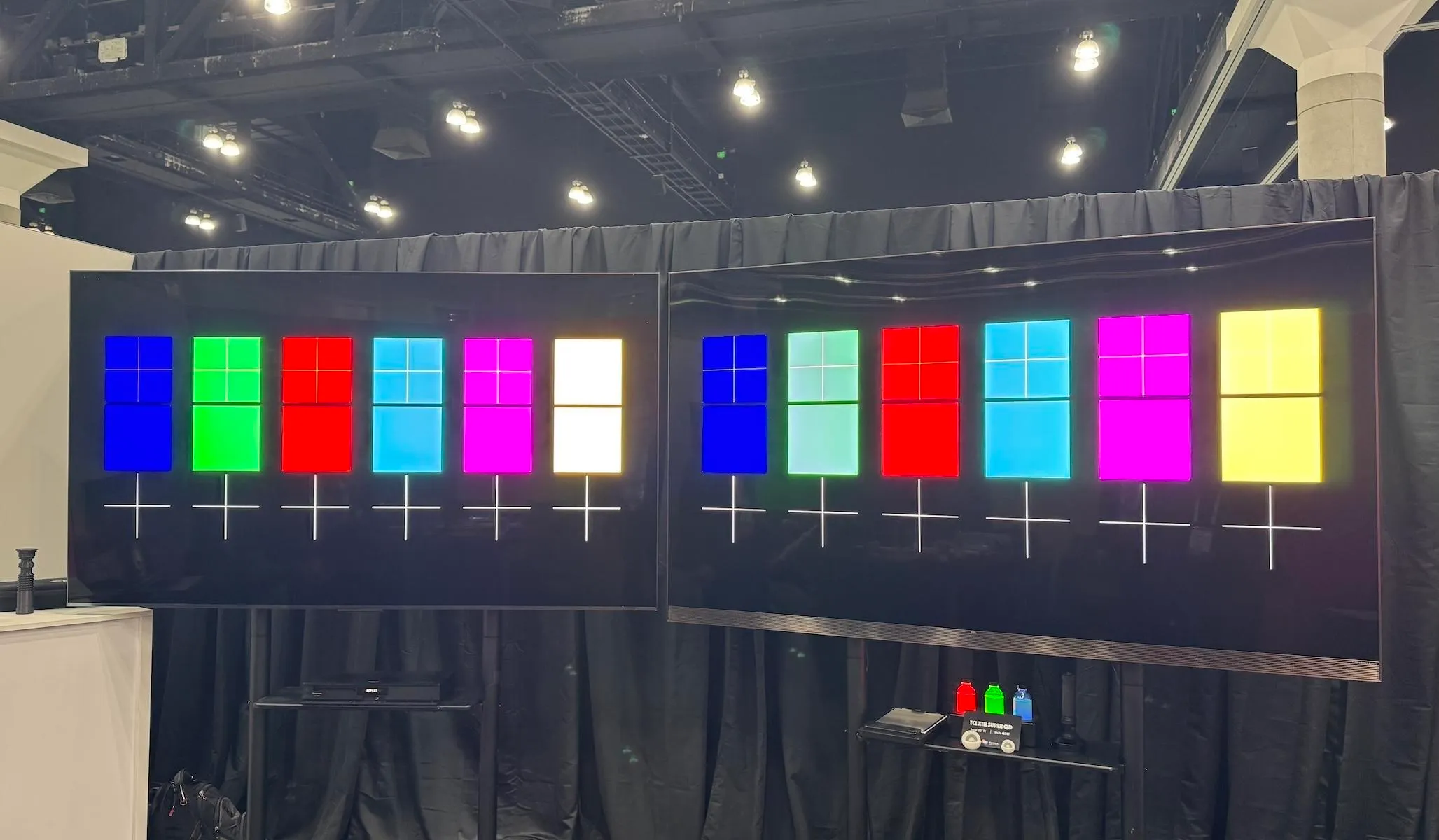
Two 85-inch TVs sat side by side in the Nanosys meeting room. One used super quantum dots (SQD) with a blue LED backlight. The other was an RGB LED panel. Both played identical content simultaneously. The goal: show where RGB LED falls short.
The demo did exactly that. But there's a caveat worth stating upfront: Nanosys makes the quantum dots in the first TV. This was a company promoting its own technology against a competitor's approach.
How RGB LED and SQD backlights differ
RGB LED backlights group red, green, and blue LEDs into zones. The TV adjusts each zone's color output based on the image on screen. In theory, this produces more vibrant, saturated colors without relying entirely on quantum dots for color conversion.
SQD (super quantum dot) technology takes a different route. It uses blue LEDs for the backlight, then quantum dots convert that blue light into red and green. The result is a full-color spectrum from a single LED color source.
The trade-off with RGB LED is a phenomenon called color crosstalk. Colored light from one zone can bleed into adjacent pixels or zones that should display a different color. A bright red shirt might tint nearby skin tones reddish. That's the problem Nanosys wanted to demonstrate.
What the demo showed
The Verge's John Higgins, who attended the demo, identified the SQD TV as the TCL X11L based on its distinctive striped lower grille. The RGB LED TV was likely the TCL RM9L, though Nanosys wouldn't confirm. Higgins noted it wasn't one of the RGB LED models from Hisense, Samsung, LG, or Sony.
Jeff Yurek, Nanosys's VP of marketing, said both TVs were set to Filmmaker Mode with native color settings. This allowed each panel to hit its widest possible color gamut for a fair comparison.
One test displayed two rows of colored boxes: blue, green, red, cyan, magenta, and yellow. The top row then added white crosses inside each box. On the RGB LED TV, the color intensity of the boxes shifted noticeably when the white elements appeared. The SQD panel held steady.
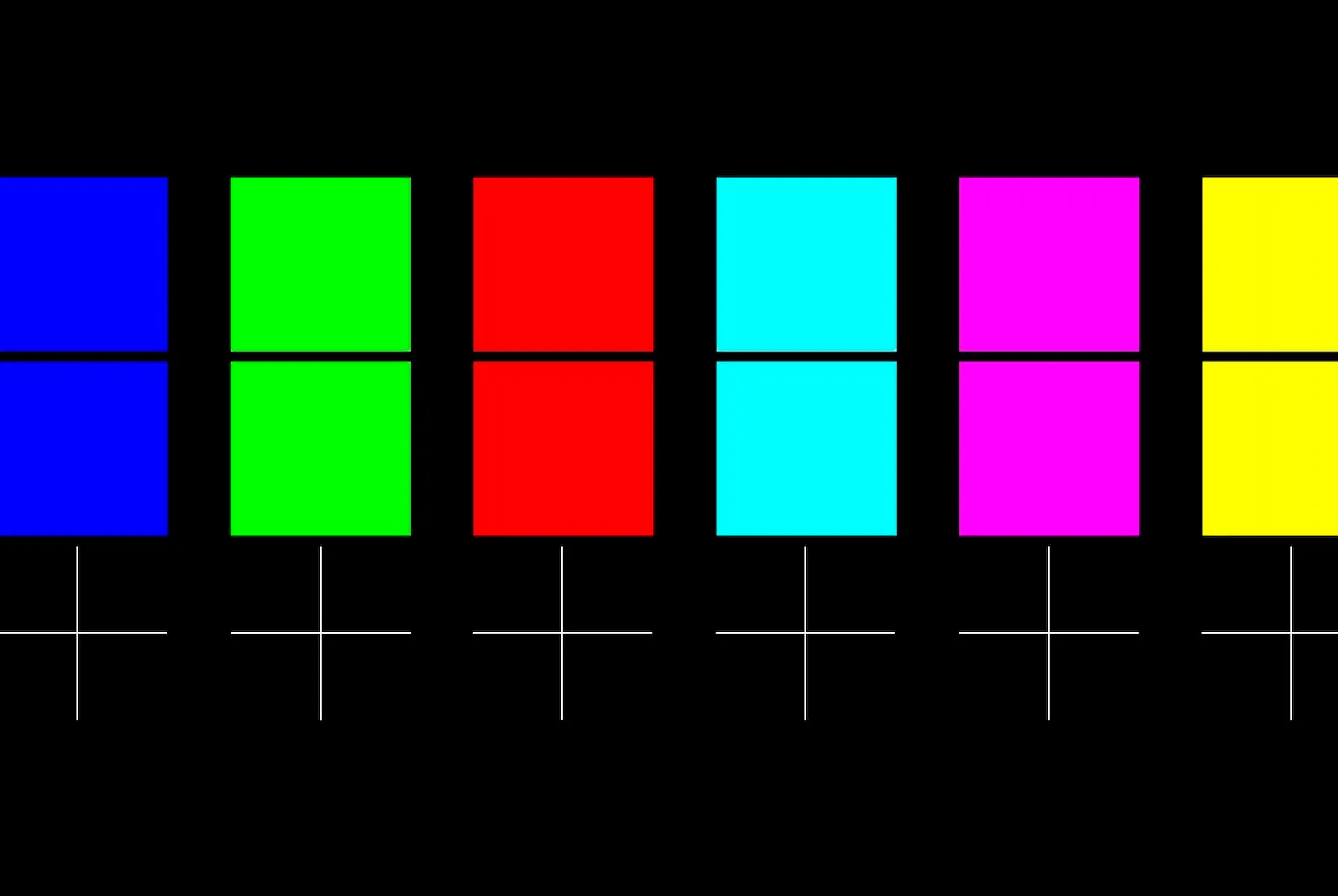
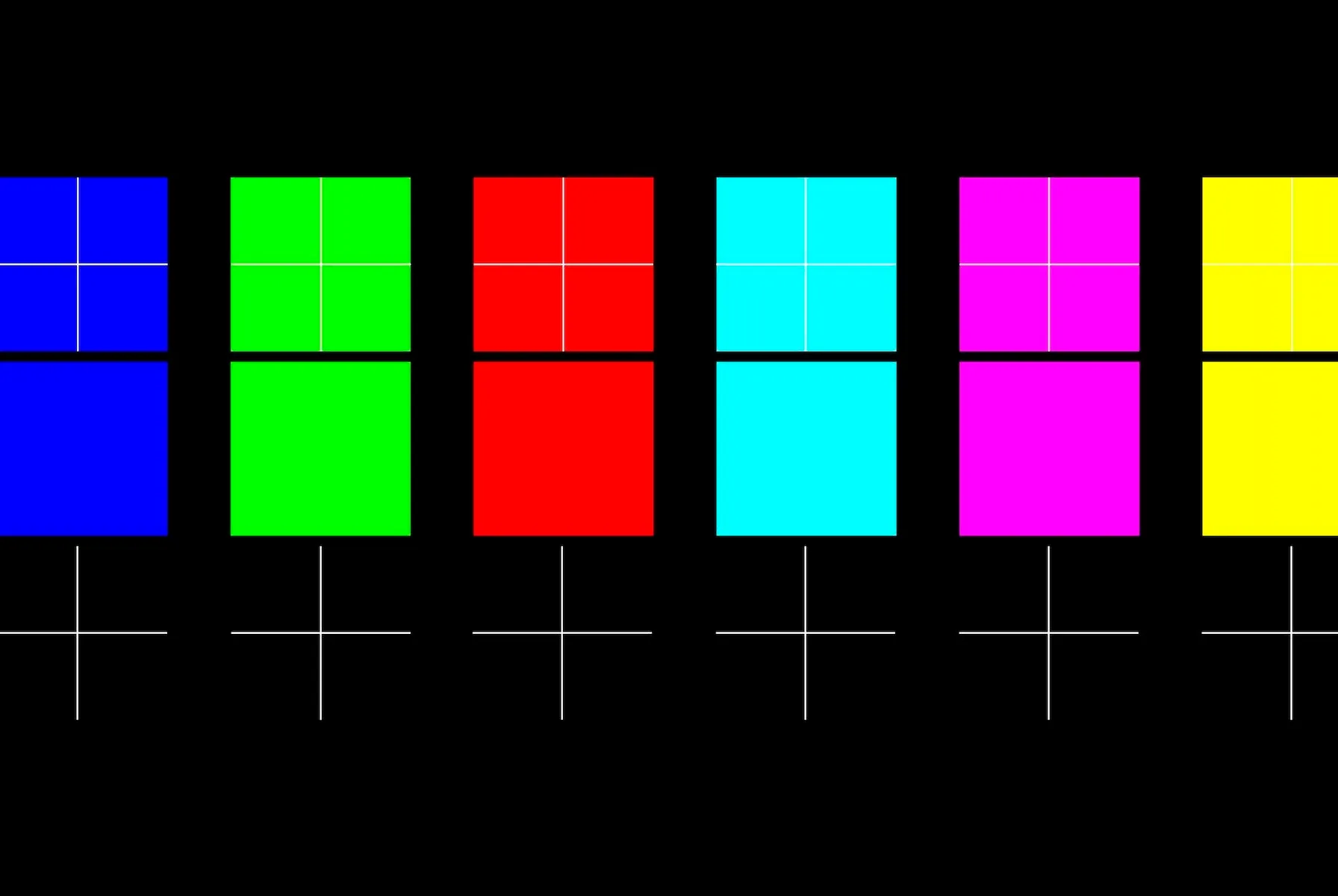
This is color crosstalk in action. The RGB LED backlight's colored zones were affecting pixels they shouldn't. When bright white content appeared, the surrounding colors couldn't maintain their accuracy.
The color gamut comparison
Nanosys also displayed CIE triangle charts comparing the color coverage of both technologies. These charts map how much of the visible color spectrum a display can reproduce.
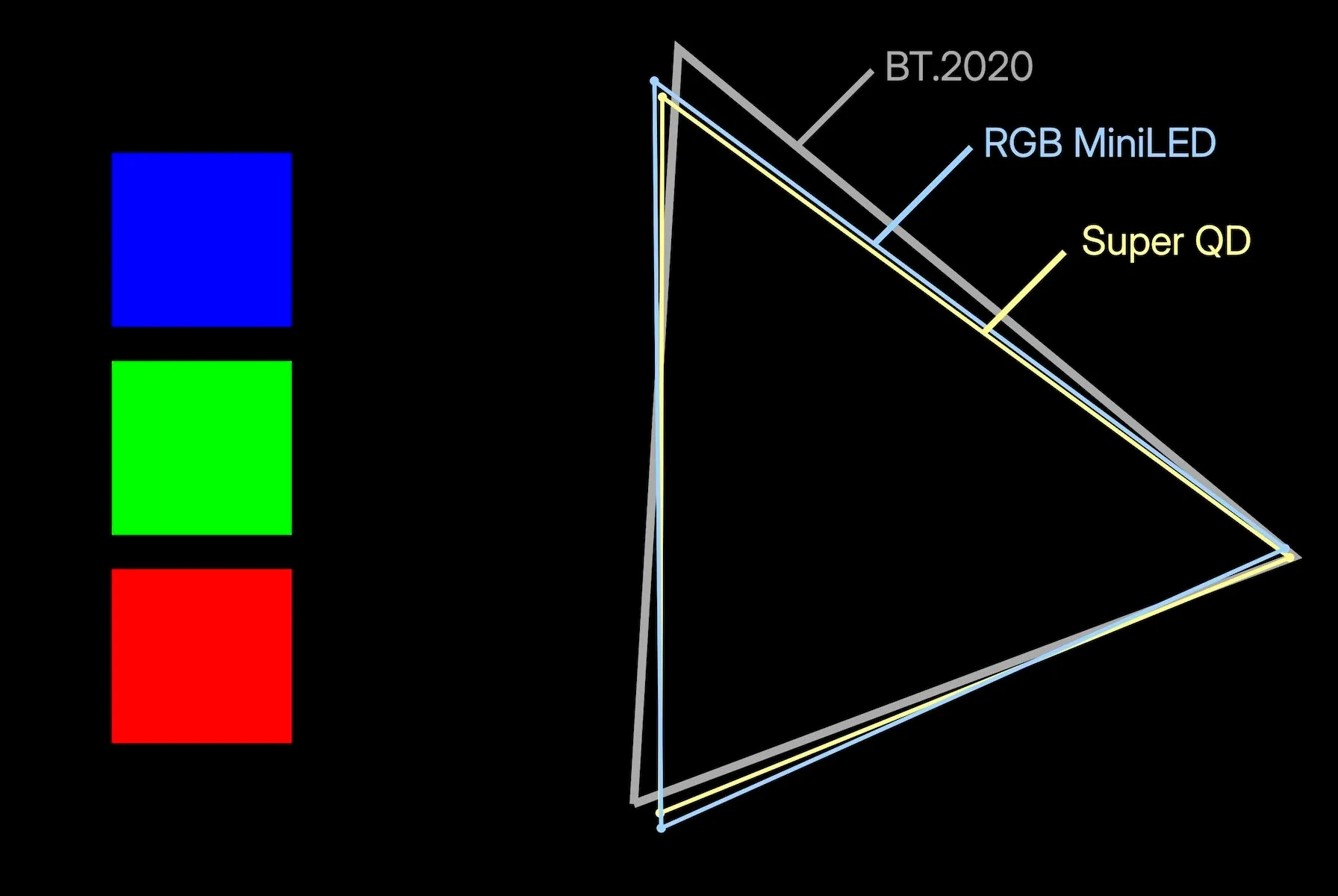

The graphs showed SQD achieving better BT.2020 area and coverage than the RGB LED panel. BT.2020 is the color standard for ultra-high-definition content. The wider a TV's coverage of this standard, the more accurately it can display HDR content as creators intended.

Context matters here
This was a controlled demo in a meeting room, not an independent lab test. Nanosys selected the content, the settings, and the comparison TV. The company has a direct financial interest in quantum dot technology looking better than RGB LED.
That doesn't mean the color crosstalk issue is fabricated. It's a known trade-off with RGB LED backlights. But the severity varies by implementation. Some manufacturers have developed processing techniques to minimize crosstalk. Whether the TV in this demo represented the best RGB LED engineering available in 2026 is unclear.
RGB LED proponents argue the technology offers better peak brightness in colored content and more precise local dimming. These advantages weren't the focus of Nanosys's demo.
Logicity's Take
What this means for 2026 TV buyers
If you're shopping for a premium TV this year, you'll see RGB LED models from most major brands. Samsung, LG, Hisense, and Sony all have entries. TCL offers both RGB LED and SQD options in its lineup.
The safe advice: don't buy based on backlight technology alone. Wait for independent testing from outlets that measure color accuracy, crosstalk, and brightness under controlled conditions. Both RGB LED and SQD have strengths. Real-world performance depends heavily on each manufacturer's implementation.
Frequently Asked Questions
What is color crosstalk in RGB LED TVs?
Color crosstalk happens when colored light from one backlight zone bleeds into adjacent pixels or zones displaying a different color. This can cause unintended color tinting, like a red object making nearby white or skin-tone areas appear reddish.
What are super quantum dots (SQD)?
SQD is Nanosys's term for its latest quantum dot technology. It uses blue LEDs for the backlight, with quantum dots converting that light into red and green wavelengths. This creates a full-color spectrum from a single backlight color.
Is RGB LED or quantum dot better for TVs?
Both technologies have trade-offs. RGB LED can achieve high brightness in colored content but may suffer from color crosstalk. Quantum dot TVs offer stable color accuracy but depend on blue LED backlights. Performance varies significantly by manufacturer and model.
What is BT.2020 color coverage?
BT.2020 is the color standard for ultra-high-definition content, covering a wider range of colors than older standards. A TV's BT.2020 coverage percentage indicates how much of this expanded color space it can display, affecting HDR content accuracy.
Need Help Implementing This?
Huma Shazia
Senior AI & Tech Writer
اقرأ أيضاً

رأي مغاير: كيف يؤثر اختراق الأمن الداخلي الأميركي على شركاتنا الخاصة؟
في ظل اختراق عقود الأمن الداخلي الأميركي مع شركات خاصة، نناقش تأثير هذا الاختراق على مستقبل الأمن السيبراني. نستعرض الإحصاءات الموثوقة ونناقش كيف يمكن للشركات الخاصة أن تتعامل مع هذا التهديد. استمتع بقراءة هذا التحليل العميق

الإنسان في زمن ما بعد الوجود البشري: نحو نظام للتعايش بين الإنسان والروبوت - Centre for Arab Unity Studies
في هذا المقال، سنناقش كيف يمكن للبشر والروبوتات التعايش في نظام متكامل. سنستعرض التحديات والحلول المحتملة التي تضعها شركات مثل جوجل وأمازون. كما سنلقي نظرة على التوقعات المستقبلية وفقًا لتقرير ماكنزي

إطلاق ناسا لمهمة مأهولة إلى القمر: خطوة تاريخية نحو استكشاف الفضاء
تعتبر المهمة الجديدة خطوة هامة نحو استكشاف الفضاء وتطوير التكنولوجيا. سوف تشمل المهمة إرسال رواد فضاء إلى سطح القمر لconducting تجارب علمية. ستسهم هذه المهمة في تطوير فهمنا للفضاء وتحسين التكنولوجيا المستخدمة في استكشاف الفضاء.