Only 10% of Agentic AI Projects Deliver Real ROI
Key Takeaways
- Only 10% of organisations see meaningful returns from agentic AI deployments, per Deloitte
- Fear of data leaks causes companies to block AI access, killing potential ROI before projects start
- The operator playbook starts with core workflows, not chasing AI trends
The 90% Failure Rate Problem
Agentic AI is everywhere in pitch decks and product announcements. It's far less common in production systems that actually make money. A recent Deloitte study found that only 10% of organisations achieve meaningful, measurable returns from their agentic AI deployments. The other 90% are stuck in what panelists at the Inc42 AI Summit 2026 called "endless cycles of experimentation."
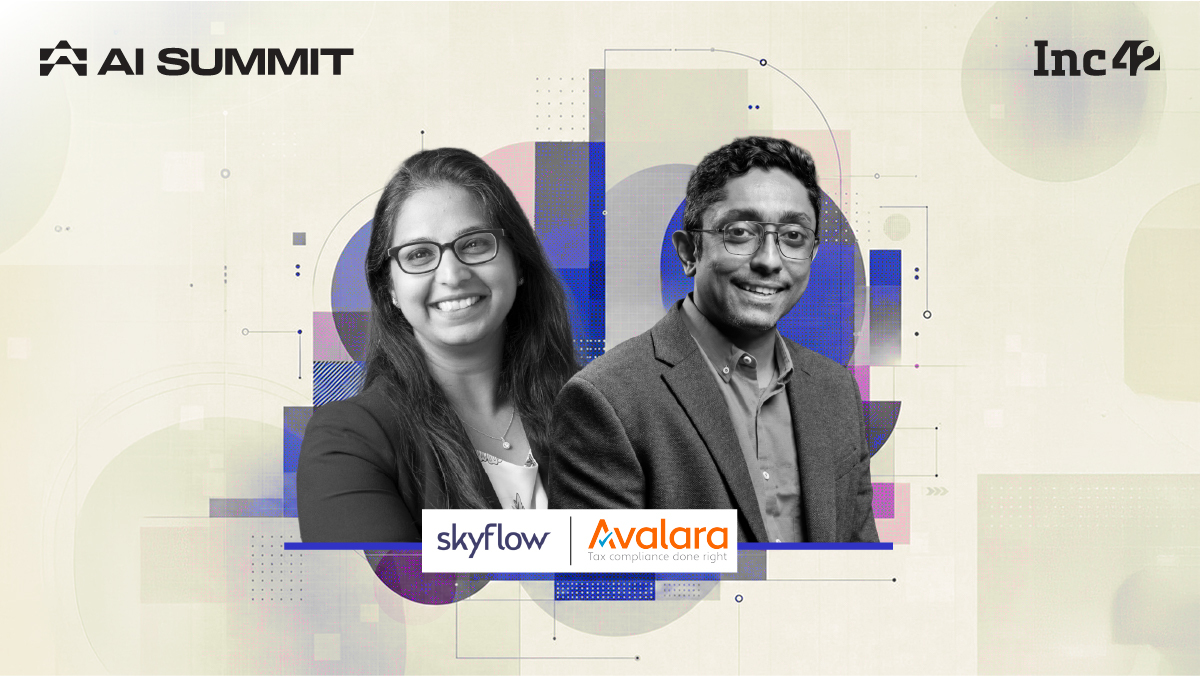
The session, titled 'The Operator Playbook For Building And Scaling Agentic AI Systems That Deliver Real Business ROI', brought together leaders from Razorpay, Skyflow, Shipsy, Avalara, and Wingify. Naganand Doraswamy, founder and managing partner of Ideaspring Capital, moderated the discussion.
Why Companies Block AI From the Data It Needs
The panelists agreed on a central irony: AI models have become commoditized and easy to access. The bottleneck isn't the technology. It's the business context that makes AI useful. And most companies are too scared to provide that context.
“Everyone is blocking data and then they say they are not getting the value out of the agent.”
— Amruta Moktali, CPO, Skyflow
Skyflow's Amruta Moktali identified fear of data leaks as the primary project killer. Management gets spooked by the idea of autonomous agents accessing internal data. So they lock everything down. Then they complain when the AI can't do anything useful.
The solution isn't binary. Moktali argued that organisations should protect sensitive information within documents while still allowing AI systems to access the context they need. This requires granular data governance, not blanket restrictions.
The Operator Playbook: Work Backwards From Workflows
Rather than chasing the latest AI capability announcements, the panelists advocated for what they called the "operator playbook." The approach starts with core business workflows and works backwards to determine where AI agents can add value.
This means establishing strict operational boundaries before deployment. What can the agent do? What decisions require human approval? Where are the guardrails? These questions come before selecting models or building infrastructure.
Avalara's Job Sam Koshy framed the approach in customer terms. His team isn't trying to keep up with every AI development. They're focused on what brings "ease, fastness, and accuracy" to customers. The capability that solves a real problem matters more than the capability that sounds impressive in a demo.
The Experimentation Trap
AI capabilities evolve almost overnight. A model that was state-of-the-art six months ago is now table stakes. This creates a trap: teams keep experimenting with new tools without translating any of that work into production systems that generate revenue.
The panelists drew a clear line between experimentation and deployment. Controlled testing environments are useful for learning. But entrusting autonomous agents with business-critical tasks requires a different level of engineering rigour. Data security, state management, and failure handling become paramount.
What's Working: Process-Specific Deployments
Companies that have achieved ROI share a pattern. They're not trying to build general-purpose AI assistants. They're targeting specific processes in finance, compliance, and operations. Research from the summit indicated that focused deployments can achieve 25-40% cost reductions within 90 days of going to production.
The key word is "specific." An agent that handles invoice processing for a particular vendor type is more likely to succeed than one that tries to handle all financial operations. Narrow scope allows for tighter guardrails and clearer success metrics.
Developer Concerns: State Management in Production
Online discussions following the summit, particularly on HackerNews, highlighted a technical concern the panel didn't fully address. Managing state for agents in production environments is hard. An agent that works in a demo may fail unpredictably when handling real transactions with real consequences.
Developers expressed frustration with the gap between "agentic hype" and the engineering required to maintain guardrails. Multi-step decision-making sounds impressive. But each step introduces failure modes that need handling. Most frameworks don't make this easy.
Logicity's Take
Frequently Asked Questions
Why do most agentic AI projects fail to deliver ROI?
Most failures stem from companies blocking AI access to the data and context it needs to perform. Fear of data leaks leads to restrictions that prevent agents from being useful.
What is the operator playbook for agentic AI?
The operator playbook starts with core business workflows and works backwards to determine where AI can add value. It establishes strict operational boundaries before deployment rather than chasing new AI capabilities.
How long does it take to see ROI from agentic AI?
Companies with focused, process-specific deployments report 25-40% cost reductions within 90 days of going to production. Broad, general-purpose AI projects take longer or never reach ROI.
What industries are seeing the best agentic AI results?
Finance, compliance, and operations functions show the strongest results, particularly for specific tasks like invoice processing or regulatory checks rather than general automation.
Related coverage on AI workflow automation tools
Need Help Implementing This?
Source: Inc42 Media / Team Inc42
Huma Shazia
Senior AI & Tech Writer
اقرأ أيضاً

رأي مغاير: كيف يؤثر اختراق الأمن الداخلي الأميركي على شركاتنا الخاصة؟
في ظل اختراق عقود الأمن الداخلي الأميركي مع شركات خاصة، نناقش تأثير هذا الاختراق على مستقبل الأمن السيبراني. نستعرض الإحصاءات الموثوقة ونناقش كيف يمكن للشركات الخاصة أن تتعامل مع هذا التهديد. استمتع بقراءة هذا التحليل العميق

الإنسان في زمن ما بعد الوجود البشري: نحو نظام للتعايش بين الإنسان والروبوت - Centre for Arab Unity Studies
في هذا المقال، سنناقش كيف يمكن للبشر والروبوتات التعايش في نظام متكامل. سنستعرض التحديات والحلول المحتملة التي تضعها شركات مثل جوجل وأمازون. كما سنلقي نظرة على التوقعات المستقبلية وفقًا لتقرير ماكنزي

إطلاق ناسا لمهمة مأهولة إلى القمر: خطوة تاريخية نحو استكشاف الفضاء
تعتبر المهمة الجديدة خطوة هامة نحو استكشاف الفضاء وتطوير التكنولوجيا. سوف تشمل المهمة إرسال رواد فضاء إلى سطح القمر لconducting تجارب علمية. ستسهم هذه المهمة في تطوير فهمنا للفضاء وتحسين التكنولوجيا المستخدمة في استكشاف الفضاء.