Nvidia RTX Spark: ARM CPU Meets RTX 5070 in New Laptop Chip
Key Takeaways
- RTX Spark pairs a 20-core Nvidia Grace ARM CPU with a 6,144 CUDA core Blackwell GPU on TSMC's 3nm process
- 128GB of unified LPDDR5X memory enables running large AI models locally without cloud dependency
- Microsoft, Dell, Lenovo, and five other OEMs will ship RTX Spark laptops starting fall 2026
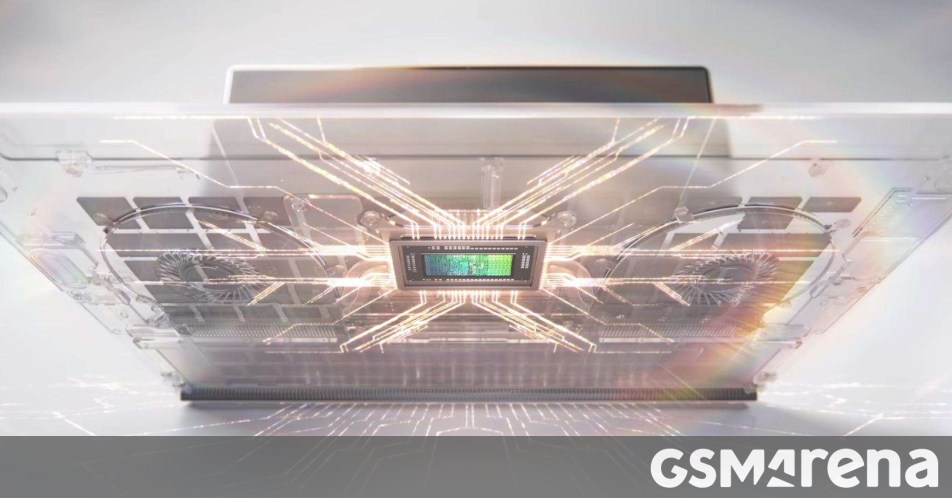
Nvidia entered the consumer CPU market at Computex 2026 with the RTX Spark, a system-on-chip that merges an ARM-based processor with a discrete-class GPU. The company is betting that the next wave of computing will run AI agents locally on your machine, not in the cloud.
The chip combines Nvidia's Grace CPU (up to 20 ARM cores) with a Blackwell GPU packing 6,144 CUDA cores. That GPU matches the spec of the standalone RTX 5070. Nvidia fabricates the whole package on TSMC's 3nm node.
128GB Unified Memory Is the Real Story
The RTX Spark supports up to 128GB of LPDDR5X unified memory, shared between CPU and GPU. That's a big number for a laptop chip. It matters because running large language models and AI agents locally requires both fast compute and a lot of RAM to hold model weights.
“The RTX Spark is not just a processor; it is the engine for the next generation of autonomous, local AI agents that will reside on every PC.”
— Jensen Huang, CEO of NVIDIA
Nvidia claims the chip delivers 1 petaFLOP of peak AI compute performance. The CPU and GPU chiplets connect via NVLink-C2C at 600 GB/s, while the memory pool offers 300 GB/s bandwidth. These numbers position the RTX Spark for workloads that would normally require cloud infrastructure.
Eight OEM Partners, Fall 2026 Launch
Nvidia has lined up Acer, Asus, Dell, Gigabyte, HP, Lenovo, MSI, and Microsoft as launch partners. Microsoft will use the RTX Spark in something called the Surface Laptop Ultra, which the company describes as its most powerful laptop yet.
Laptops using the chip will ship in fall 2026. Nvidia did not announce pricing. For reference, the enterprise-focused DGX Spark mini-PC, which uses the same GB10 chip, costs between $3,500 and $4,700. Consumer laptops with premium OLED displays will likely carry similar or higher price tags.
Gaming Performance: 1440p at 100 FPS
While Nvidia pitched the RTX Spark primarily for AI workloads, the company also showed gaming benchmarks. It claims 1440p resolution at 100 FPS in AAA titles using DLSS 4.5. That's competitive with current high-end gaming laptops, though real-world thermal constraints in thin chassis will matter.
“By merging Grace and Blackwell into a single 3nm package, we've effectively brought data-center-grade compute to a laptop form factor.”
— Senior Architect, NVIDIA Hardware Division
Why This Matters: The End of Cloud Dependency for AI
Most AI tools today run in the cloud. That creates latency, costs money per query, and raises privacy concerns when sensitive data leaves your machine. Nvidia argues that the RTX Spark changes this equation by putting enough compute and memory on a laptop to run 120-billion-parameter models locally.
AI agents are more demanding than chatbots. They perform multi-step reasoning, call external tools, and execute complex tasks autonomously. Running them locally requires sustained compute and memory headroom that current laptop chips can't deliver. That's the gap Nvidia is targeting.
Community Skepticism: Pricing and Thermals
Early reactions on Reddit's r/hardware forum show enthusiasm for the unified memory architecture but skepticism about two things: price and thermal management. Fitting data-center-grade compute into a thin laptop chassis raises questions about sustained performance under load.
HackerNews discussions focused on Nvidia's new "OpenShell" runtime. Despite the name, some developers question whether it will truly be open or become another vendor lock-in mechanism. Nvidia has not published licensing details yet.
AMD's budget gaming chips offer a contrast to Nvidia's premium positioning
Current laptop landscape context as RTX Spark machines prepare to launch
What We Don't Know Yet
- Retail pricing for RTX Spark laptops
- Battery life estimates under AI and gaming workloads
- Windows driver maturity for the ARM-based Grace CPU
- Whether Microsoft's Surface Laptop Ultra will be exclusive to business channels or available retail
Logicity's Take
Frequently Asked Questions
When will RTX Spark laptops be available?
Nvidia and its OEM partners plan to ship RTX Spark laptops in fall 2026. Specific dates have not been announced.
How much will RTX Spark laptops cost?
Nvidia has not announced consumer pricing. The enterprise DGX Spark starts at $3,500, suggesting consumer laptops will also carry premium prices.
Can the RTX Spark run Windows?
Yes. The enterprise DGX Spark runs Ubuntu Linux, but consumer RTX Spark laptops will run Windows on the ARM-based Grace CPU.
How does RTX Spark compare to Apple Silicon?
RTX Spark offers more CUDA cores and higher memory capacity than current Apple Silicon, targeting GPU-intensive AI workloads. Direct benchmarks are not yet available.
Which companies will make RTX Spark laptops?
Acer, Asus, Dell, Gigabyte, HP, Lenovo, MSI, and Microsoft have been announced as launch partners.
Need Help Implementing This?
Source: GSMArena.com / Ivan
Surface Laptop Ultra and RTX Spark Technical Specifications
The new source provides specific technical details about the RTX Spark's architecture, including the use of NVLink C2C interconnects and 300 GB/s memory bandwidth, alongside performance claims of 1 petaflop of AI compute. It also confirms the first specific product implementation, the Microsoft Surface Laptop Ultra, detailing its 15-inch mini-LED display specifications, port selection, and weight.
Manaal Khan
Tech & Innovation Writer
اقرأ أيضاً

رأي مغاير: كيف يؤثر اختراق الأمن الداخلي الأميركي على شركاتنا الخاصة؟
في ظل اختراق عقود الأمن الداخلي الأميركي مع شركات خاصة، نناقش تأثير هذا الاختراق على مستقبل الأمن السيبراني. نستعرض الإحصاءات الموثوقة ونناقش كيف يمكن للشركات الخاصة أن تتعامل مع هذا التهديد. استمتع بقراءة هذا التحليل العميق

الإنسان في زمن ما بعد الوجود البشري: نحو نظام للتعايش بين الإنسان والروبوت - Centre for Arab Unity Studies
في هذا المقال، سنناقش كيف يمكن للبشر والروبوتات التعايش في نظام متكامل. سنستعرض التحديات والحلول المحتملة التي تضعها شركات مثل جوجل وأمازون. كما سنلقي نظرة على التوقعات المستقبلية وفقًا لتقرير ماكنزي

إطلاق ناسا لمهمة مأهولة إلى القمر: خطوة تاريخية نحو استكشاف الفضاء
تعتبر المهمة الجديدة خطوة هامة نحو استكشاف الفضاء وتطوير التكنولوجيا. سوف تشمل المهمة إرسال رواد فضاء إلى سطح القمر لconducting تجارب علمية. ستسهم هذه المهمة في تطوير فهمنا للفضاء وتحسين التكنولوجيا المستخدمة في استكشاف الفضاء.