NASA's Moon Mission Hits a Toilet Emergency – Astronauts Struggle with Space Potty Glitch

Just hours after launch, NASA's Artemis 2 mission encountered a critical toilet malfunction aboard the Orion spacecraft. While astronauts can still handle solid waste, a jammed fan has disabled urine collection—sparking a real-time fix from Mission Control.
Key Takeaways
- A fan failure in Orion's space toilet disabled urine collection shortly after launch
- Astronauts can still poop, but not pee, using the main system
- Mission Control guided Christina Koch through troubleshooting steps
- Backup systems are in place, but NASA aims to restore full toilet function
- The Universal Waste Management System was a major upgrade over Apollo-era bags
In This Article
- Toilet Trouble Strikes Artemis 2
- How Do Toilets Even Work in Space?
- NASA Springs Into Action
- From Bags to High-Tech: The Evolution of Space Toilets
Toilet Trouble Strikes Artemis 2
What should have been a smooth journey around the Moon turned into a high-stakes bathroom emergency when NASA's Artemis 2 crew reported a malfunction in their spacecraft's most-used amenity: the space toilet.
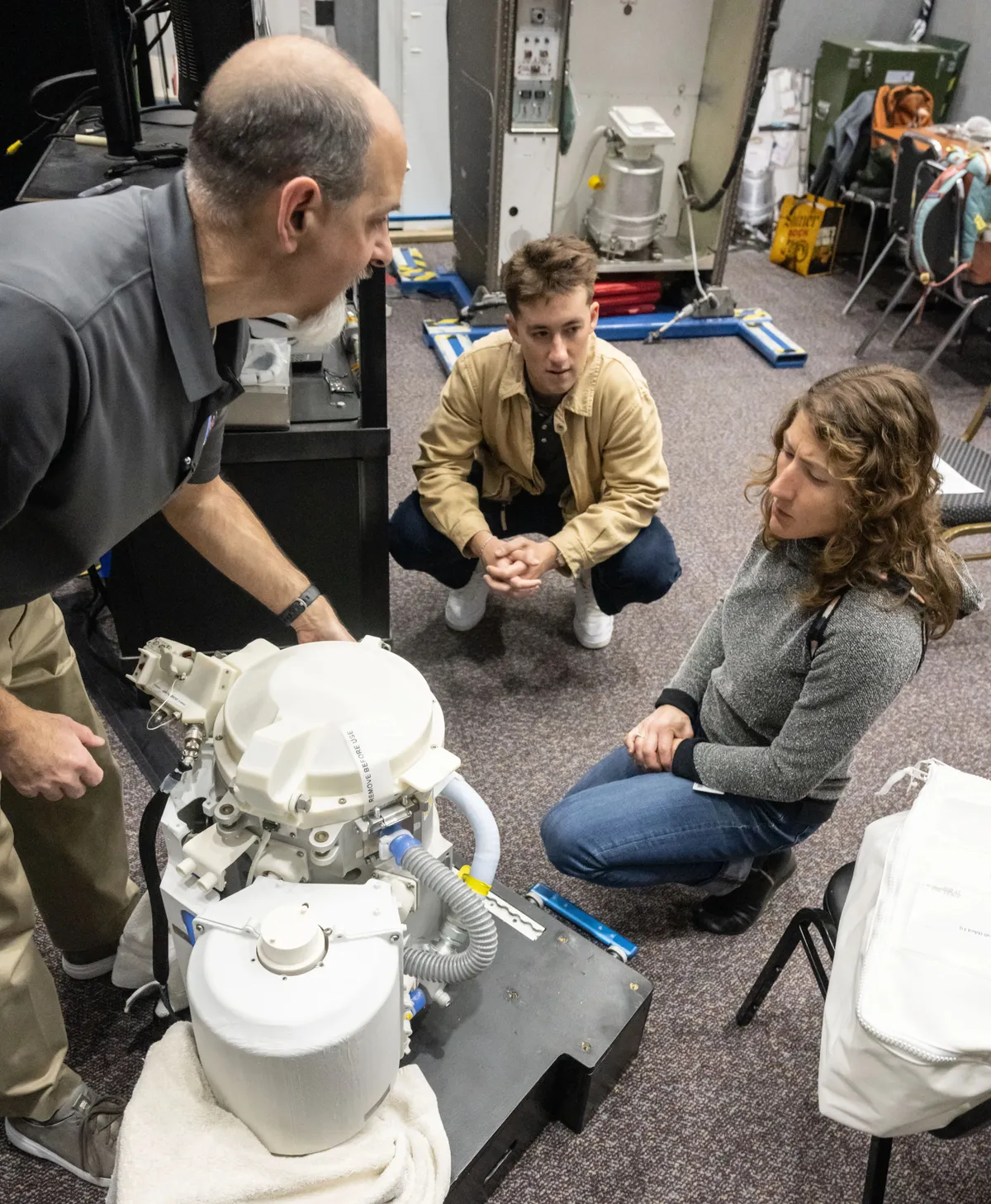
- Within hours of liftoff, mission specialist Christina Koch flagged an issue with the Orion capsule's Universal Waste Management System (UWMS)
- The problem centered on the urine collection unit, where a jammed fan prevented normal operation
- NASA confirmed the glitch did not affect solid waste handling, but urination was temporarily off-limits
How Do Toilets Even Work in Space?
In zero gravity, going to the bathroom isn't as simple as flipping a switch. Without gravity, everything floats—including waste—so spacecraft rely on powerful airflow systems to do the job.
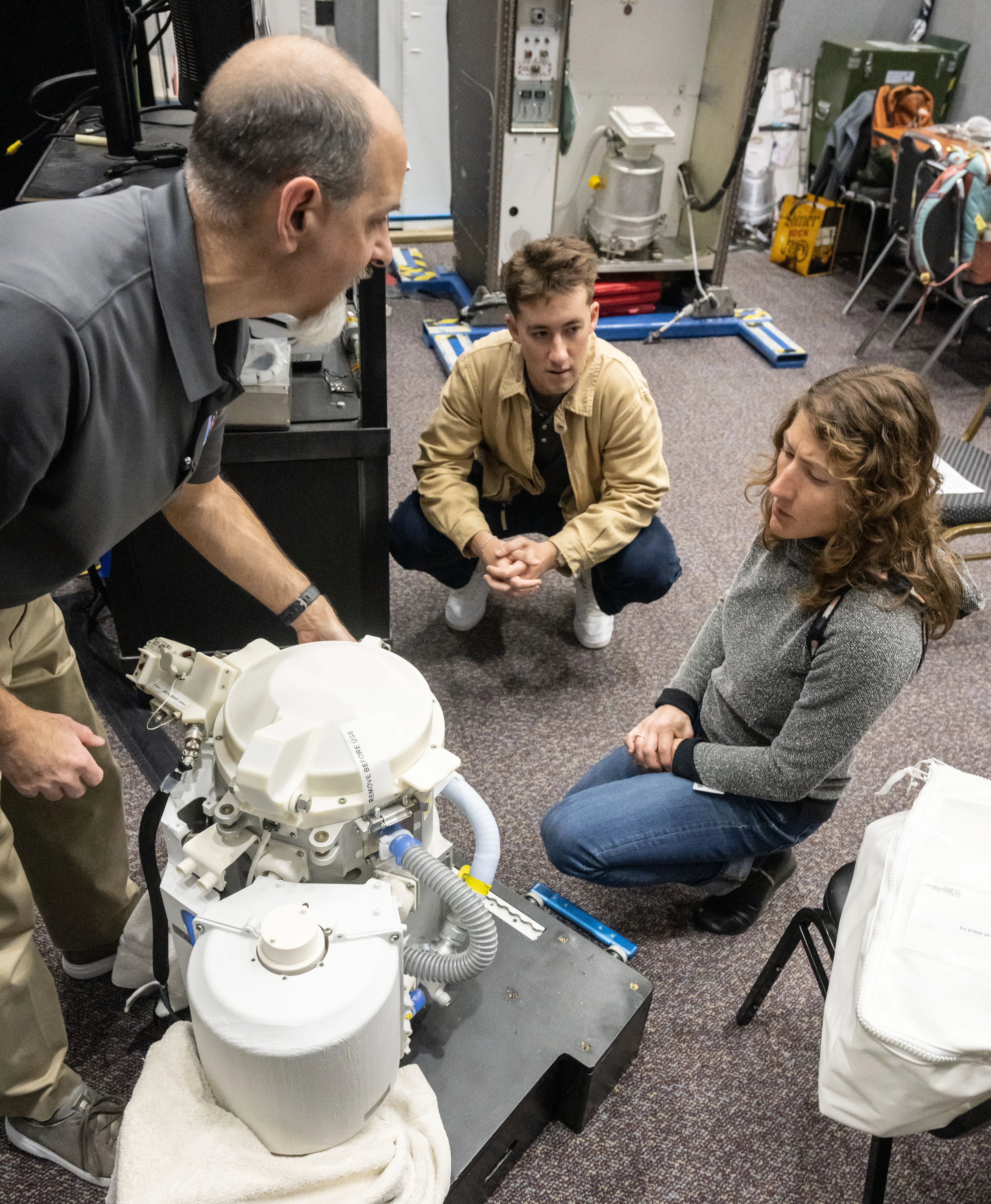
- Space toilets use suction fans to pull urine and feces away from the body and into separate containment units
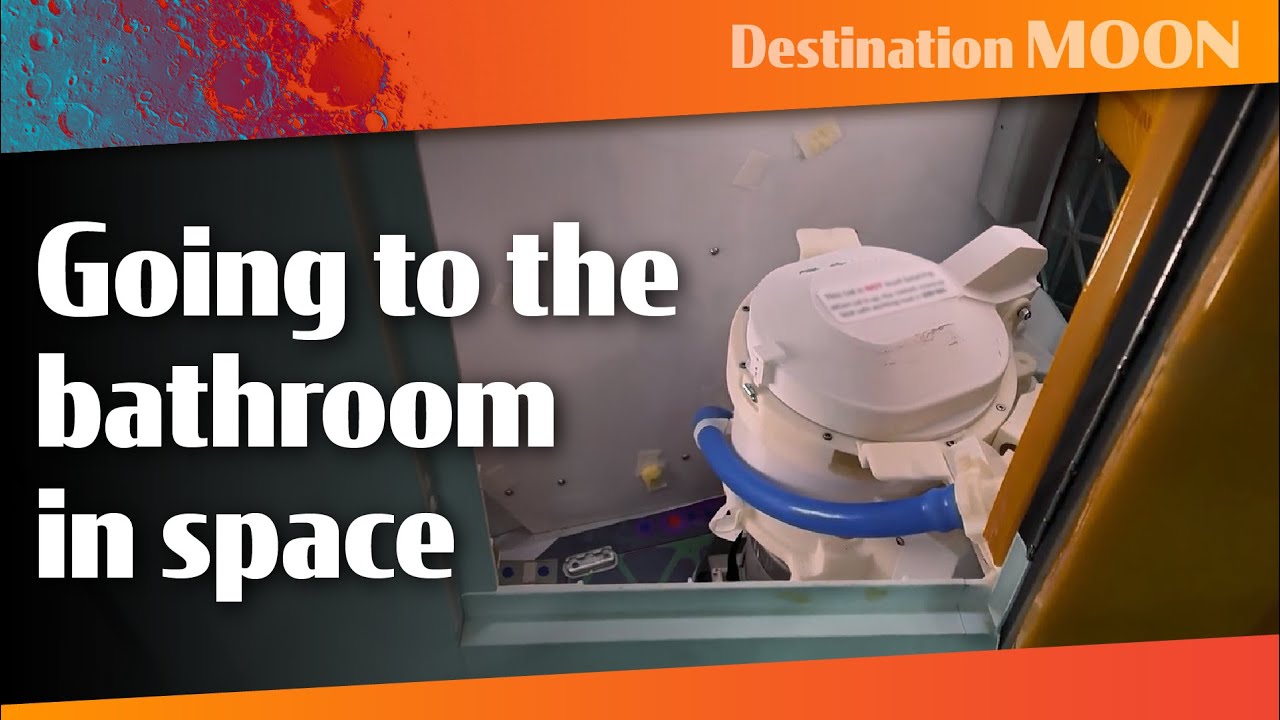
- The Orion's UWMS is a next-gen system designed for comfort, privacy, and efficiency on long-duration missions
- A blocked or jammed fan disrupts this airflow, making urine collection unsafe or impossible
NASA Springs Into Action
When the fan failure was reported, engineers on the ground didn't panic—they got to work. With astronauts 240,000 miles from Earth, remote troubleshooting became mission-critical.
- Flight controllers developed step-by-step instructions for the crew to access and clear the jammed fan
- Christina Koch led the in-cabin efforts, using tools and guidance from Mission Control
- Contingency waste kits were made available to manage urine until the system is restored

From Bags to High-Tech: The Evolution of Space Toilets
Today's astronauts may complain about broken fans, but they're light-years ahead of Apollo crews who had to poop into sealed plastic bags—with no way to flush.
- Apollo astronauts used 'fecal collection bags' that required manual sealing and storage—messy and unpleasant
- The Space Shuttle era introduced rudimentary airflow toilets, but they were noisy and unreliable
- Orion's UWMS is quieter, more hygienic, and designed for deep-space missions like Artemis 3 and beyond
“The toilet fan is reported to be jammed. Now the ground teams are coming up with instructions on how to get into the fan and clear that area to revive the toilet for the mission.”
— Gary Jordan, NASA Spokesperson
“The fecal collection of the toilet, that specific capability, can still be used with the waste management system aboard Orion.”
— Gary Jordan, NASA Spokesperson
Final Thoughts
While the Artemis 2 toilet glitch is far from mission-ending, it's a reminder that even the most advanced spacecraft depend on everyday systems working perfectly. As NASA prepares for longer lunar missions and eventual Mars trips, reliable life support—including working toilets—will be more critical than ever.
Sources & Credits
Originally reported by Latest from Space.com
Huma Shazia
Senior AI & Tech Writer
More Articles

رأي مغاير: كيف يؤثر اختراق الأمن الداخلي الأميركي على شركاتنا الخاصة؟
في ظل اختراق عقود الأمن الداخلي الأميركي مع شركات خاصة، نناقش تأثير هذا الاختراق على مستقبل الأمن السيبراني. نستعرض الإحصاءات الموثوقة ونناقش كيف يمكن للشركات الخاصة أن تتعامل مع هذا التهديد. استمتع بقراءة هذا التحليل العميق

الإنسان في زمن ما بعد الوجود البشري: نحو نظام للتعايش بين الإنسان والروبوت - Centre for Arab Unity Studies
في هذا المقال، سنناقش كيف يمكن للبشر والروبوتات التعايش في نظام متكامل. سنستعرض التحديات والحلول المحتملة التي تضعها شركات مثل جوجل وأمازون. كما سنلقي نظرة على التوقعات المستقبلية وفقًا لتقرير ماكنزي

إطلاق ناسا لمهمة مأهولة إلى القمر: خطوة تاريخية نحو استكشاف الفضاء
تعتبر المهمة الجديدة خطوة هامة نحو استكشاف الفضاء وتطوير التكنولوجيا. سوف تشمل المهمة إرسال رواد فضاء إلى سطح القمر لconducting تجارب علمية. ستسهم هذه المهمة في تطوير فهمنا للفضاء وتحسين التكنولوجيا المستخدمة في استكشاف الفضاء.