NASA's Moon Mission Has a Hidden Military Agenda

As NASA prepares for its historic Artemis II mission, the US military is quietly expanding its presence in space, eyeing the Moon and beyond as potential battlegrounds in a new era of space competition with China.
Key Takeaways
- The Artemis II mission includes former military pilots and relies on military support for launch and recovery
- The US Space Force and Air Force are deeply involved in public safety and emergency response
- Space is now seen as a warfighting domain, especially with rising tensions with China
- The Moon and cislunar space may become future military zones
- Past NASA-DOD collaborations, like the Clementine mission, laid the groundwork for today's strategic interests
In This Article
- Artemis II: NASA’s Crewed Return to the Moon
- The Military Machinery Behind the Mission
- Space: The New Warfighting Frontier
- Why the Moon Could Be the Next Military Flashpoint
- A Longstanding Partnership Between NASA and the Pentagon
- What Comes After Artemis?
- What Leaders Are Saying
Artemis II: NASA’s Crewed Return to the Moon
NASA is on the verge of launching its first crewed mission to the Moon in over 50 years, and despite its civilian focus, the fingerprints of the US military are all over it.
- Artemis II will send four astronauts on a 9-day journey around the Moon, marking humanity’s closest approach to the lunar surface since the Apollo era
- Commander Reid Wiseman and pilot Victor Glover both came from elite Navy test pilot backgrounds before joining NASA
- The spacecraft will launch atop the massive Space Launch System (SLS) rocket from Kennedy Space Center in Florida
- While NASA leads the mission, critical roles in tracking, safety, and recovery are handled by military branches
The Military Machinery Behind the Mission
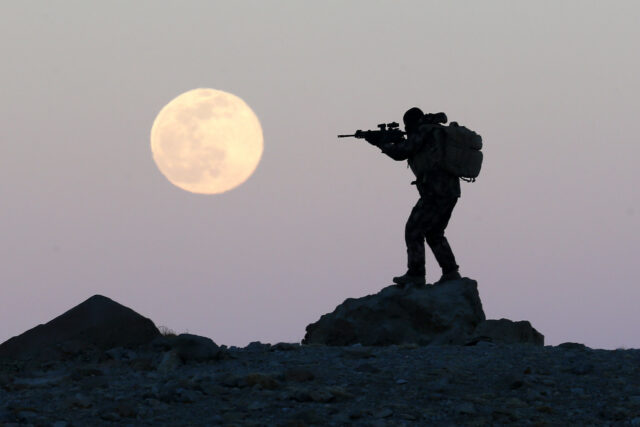
Even though Artemis II is a NASA show, the Department of Defense plays a crucial behind-the-scenes role in ensuring everything goes smoothly—and safely.
- The Space Force is responsible for tracking the SLS rocket during ascent, monitoring its path over the Atlantic Ocean
- If the rocket veers off course, they hold the authority to trigger a destruct command—a tough call with astronauts onboard
- An Air Force rescue team stands ready to deploy instantly in case of an in-flight emergency or abort scenario
- At mission’s end, the Navy will recover the Orion capsule and crew from the Pacific Ocean, echoing their Apollo-era duties
Space: The New Warfighting Frontier
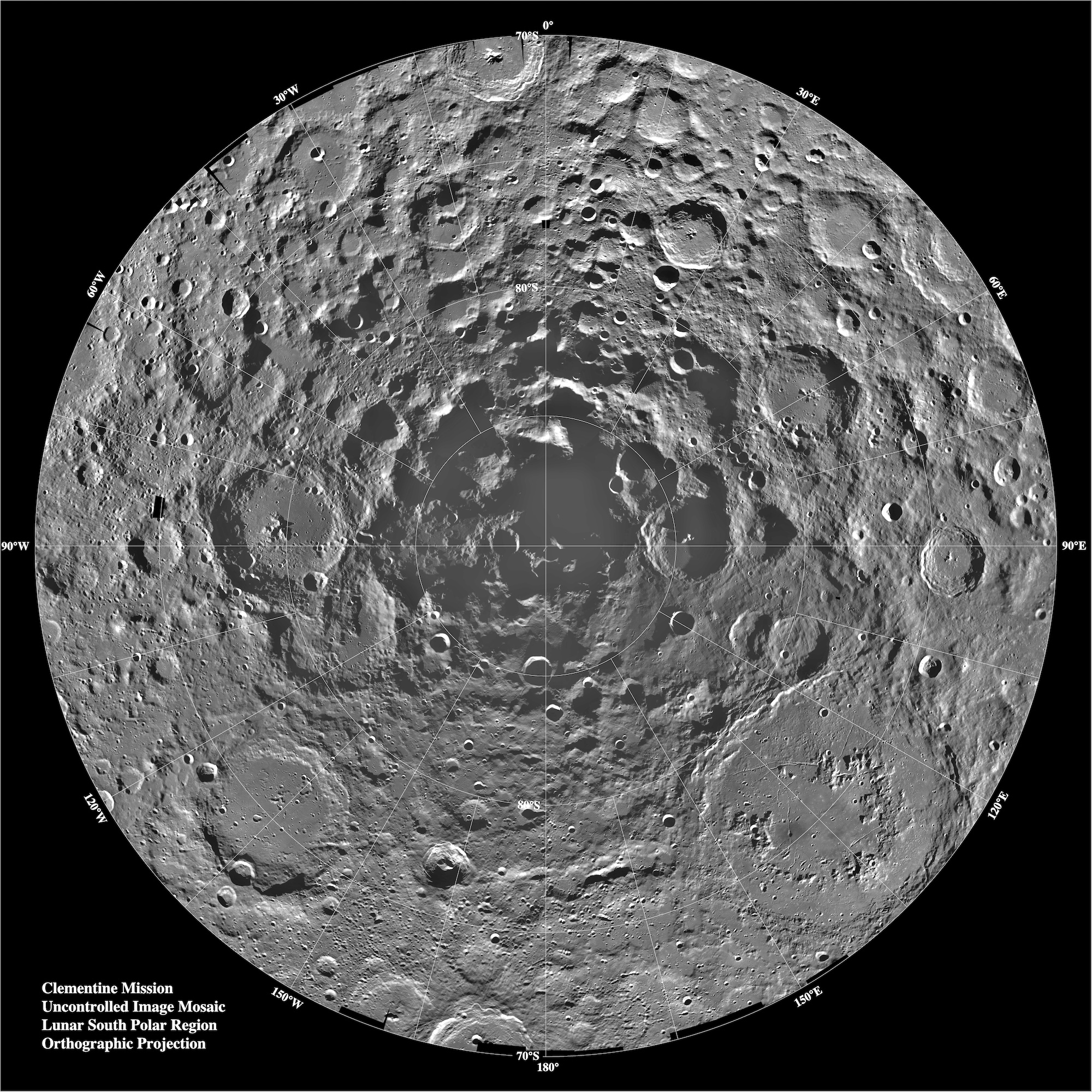
What’s changed isn’t just who’s going to space—but how the Pentagon sees it. Space is no longer just a scientific frontier; it’s a potential combat zone.
- The US now officially treats space as a warfighting domain, much like land, sea, air, and cyberspace
- China’s rapid advancements in anti-satellite weapons have triggered concerns about space-based threats
- Military planners are already drafting long-term strategies for operations in cislunar space—the zone between Earth and the Moon
- A classified 15-year roadmap from the Space Force will reportedly address how to defend national interests beyond low-Earth orbit
Why the Moon Could Be the Next Military Flashpoint
The Moon isn’t just a destination for science and exploration anymore—it’s a strategic asset with resources and positioning that could shape future power dynamics.
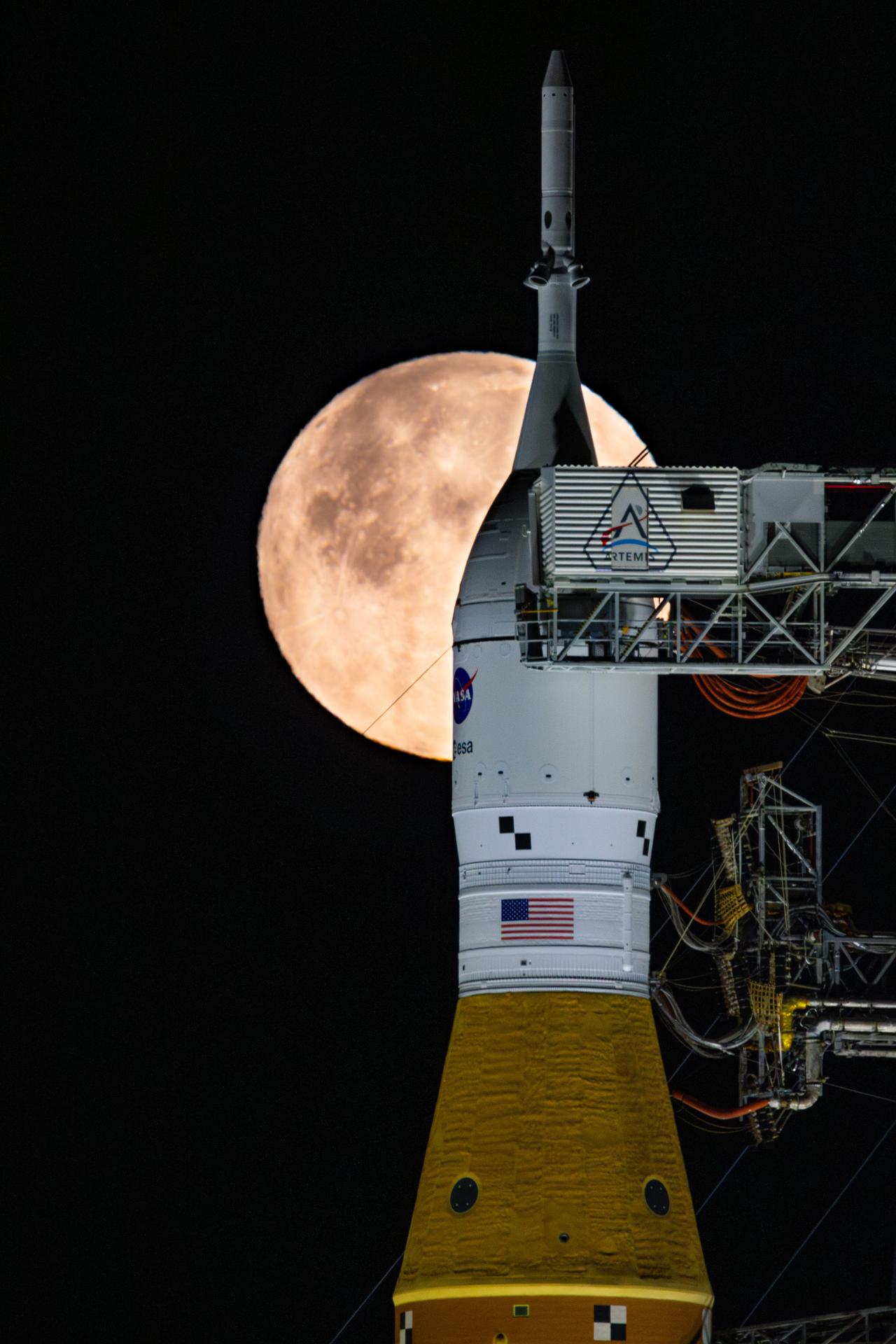
- The Moon’s south pole holds water ice in permanently shadowed craters, a vital resource for future bases and fuel production
- The Clementine mission in the 1990s, a joint NASA-DoD effort, first revealed these ice deposits, foreshadowing today’s strategic interest
- Controlling cislunar space could offer surveillance and communication advantages over Earth
- If major powers race to claim lunar territory or infrastructure, the risk of conflict grows
A Longstanding Partnership Between NASA and the Pentagon
The line between civilian space exploration and military involvement has always been blurry—and Artemis is just the latest chapter.
- From the earliest days of the space race, most astronauts were military test pilots with security clearances
- NASA and the Department of Defense have collaborated on numerous missions, blending science with national security goals
- Even today’s commercial space launches rely on military range safety and tracking systems
- This deep integration means military support isn’t an exception—it’s the norm
What Comes After Artemis?
Artemis II is just the beginning. What happens next could define how humanity uses—and protects—space in the decades to come.
- Future Artemis missions aim to land humans on the lunar surface, possibly establishing a long-term presence
- As infrastructure grows on the Moon, so will the need to protect it—potentially leading to military outposts
- International treaties currently ban weapons on the Moon, but enforcement is unclear as technology evolves
- Experts warn that without clear rules, space could become the next arena for geopolitical tension
What Leaders Are Saying
Top officials are sounding the alarm about staying prepared as space becomes more contested.
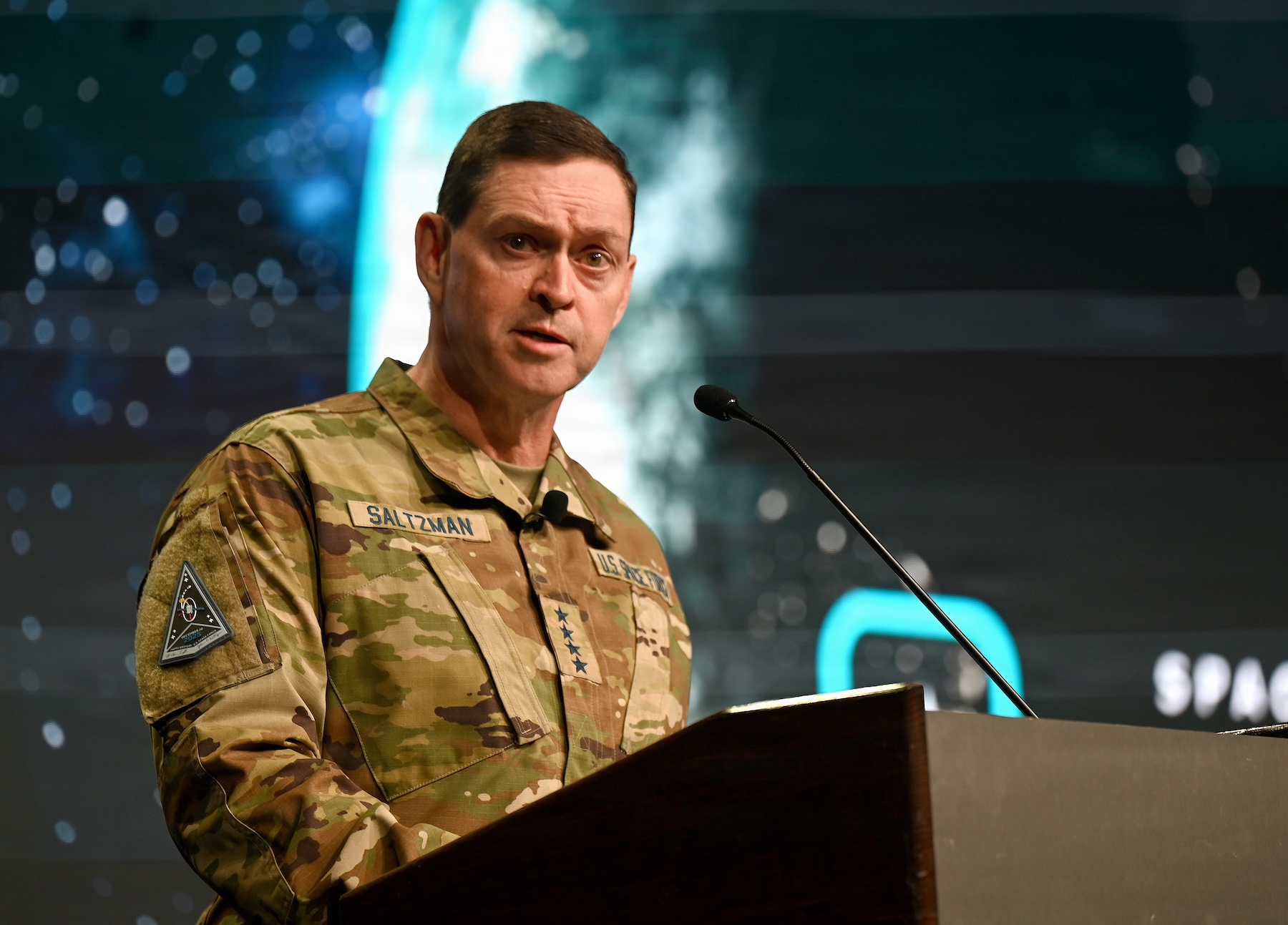
- Military leaders stress the need to avoid being caught unprepared in space
- Strategic planning now includes scenarios once considered science fiction
- The focus is shifting from Earth orbit to deep space as a domain of national interest
“I just don't want to get caught flat-footed when we start to have to protect US interests out there.”
— Stephen Clark, Ars Technica
Final Thoughts
NASA’s return to the Moon is a giant leap for exploration, but it’s also a stepping stone for a new era of space security. With great power rivalry heating up, the race isn’t just about who gets there first—it’s about who controls what happens next.
Sources & Credits
Originally reported by Ars Technica
Huma Shazia
Senior AI & Tech Writer


