NASA's April Fools' Day Moon Launch: No Joke!

NASA is launching its Artemis 2 mission to the moon on April 1, a historic crewed flight test that will pave the way for future moon landings. The mission will send four astronauts around the moon, testing the Space Launch System rocket and Orion spacecraft. With a successful launch, NASA aims to start building a permanent moon base by 2032.
Key Takeaways
- NASA's Artemis 2 mission launches on April 1
- The mission will send four astronauts around the moon
- A successful launch will pave the way for future moon landings and a permanent moon base
In This Article
- What's the Mission All About?
- Launch Details: When and Where
- No April Fools' Jokes Allowed
- What's Next for NASA's Moon Missions?
- What the Experts Say
- The Future of Space Exploration
What's the Mission All About?
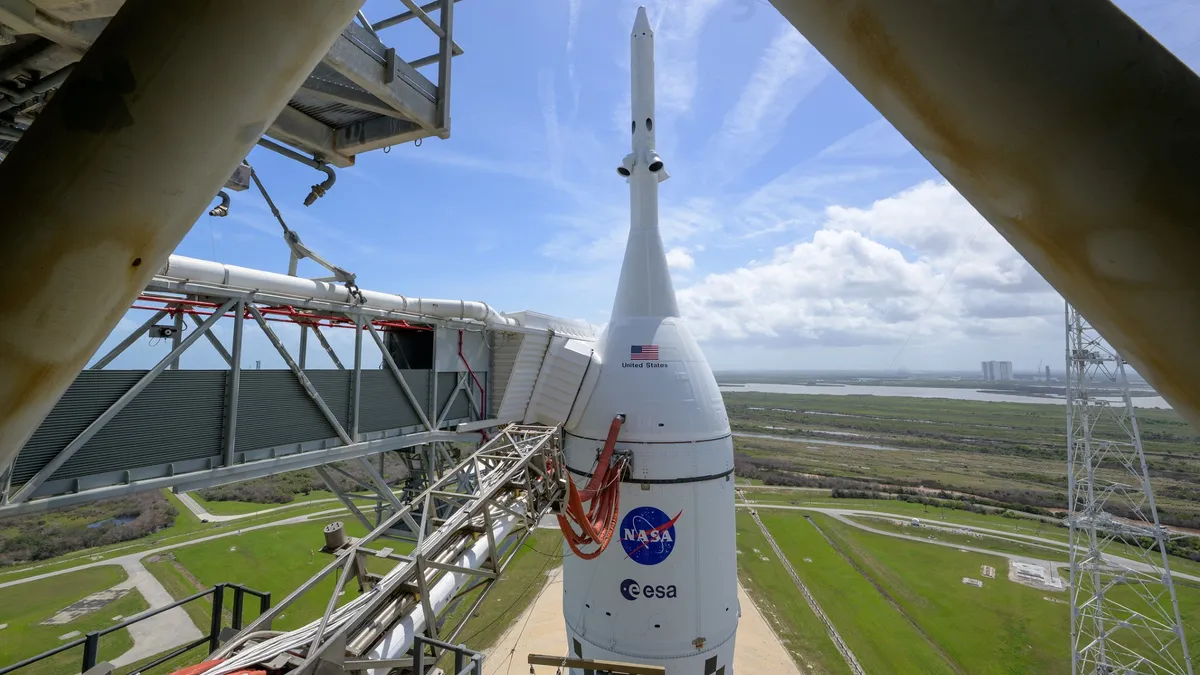
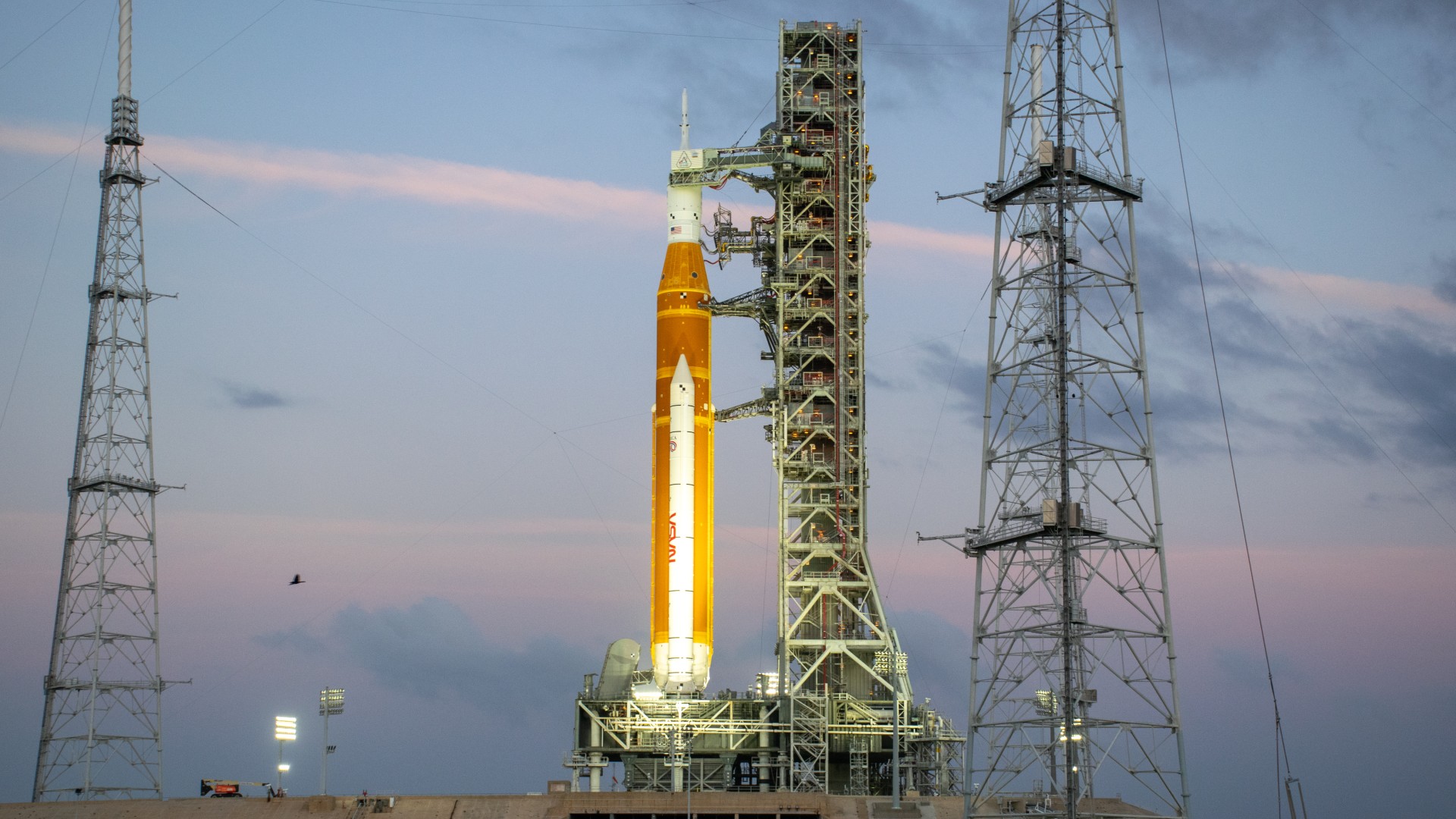
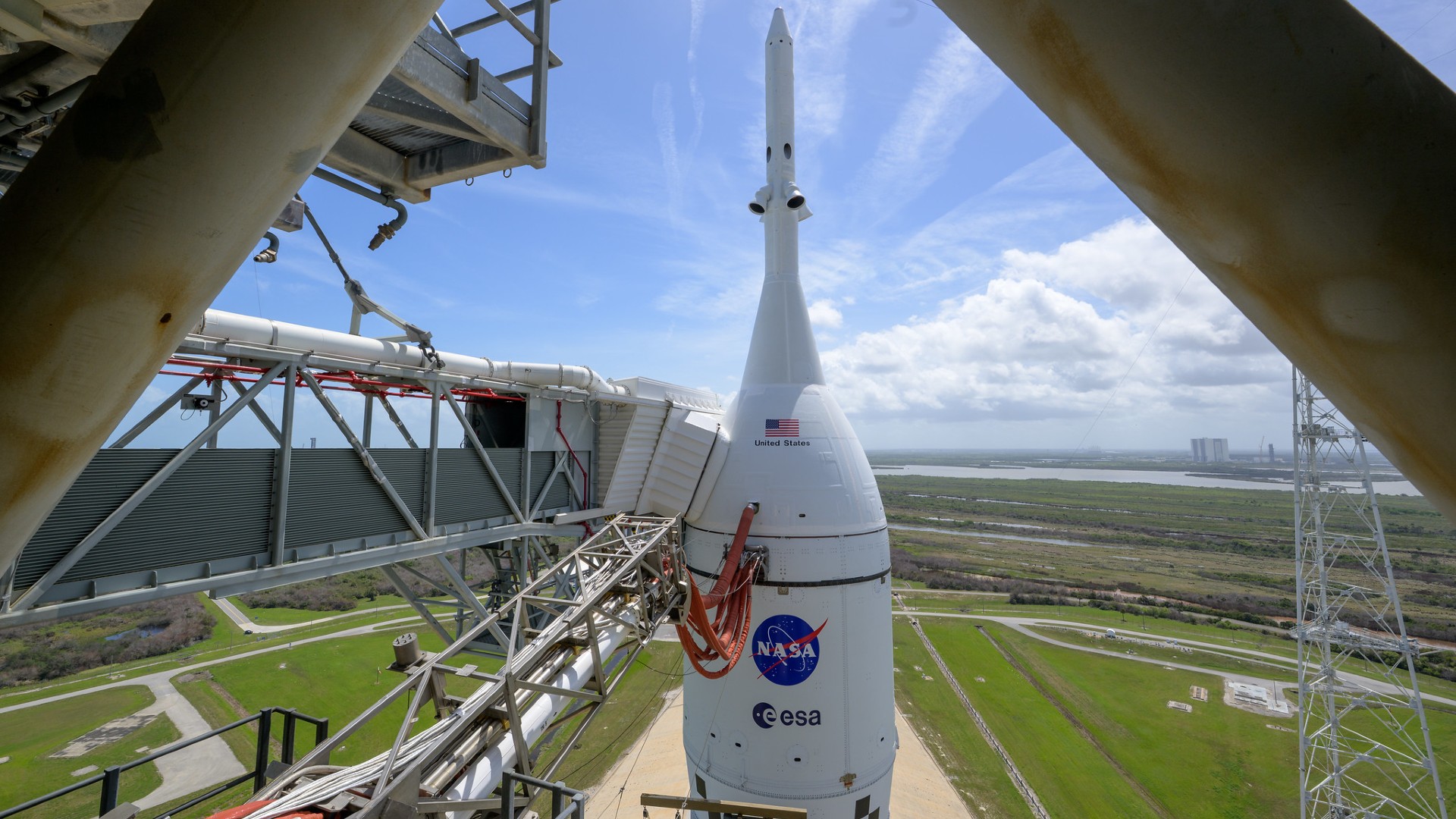
The Artemis 2 mission is a significant step towards NASA's goal of establishing a human presence on the moon. The mission will test the Space Launch System rocket and Orion spacecraft, which will be used for future moon landings.
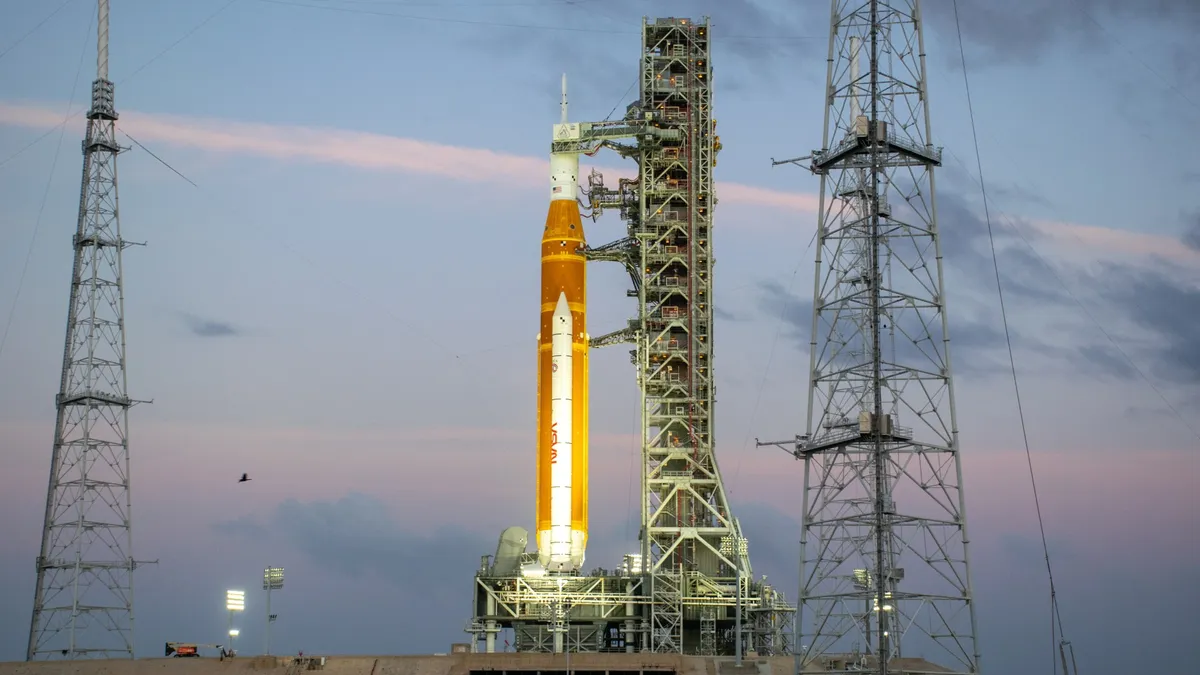
- The mission will launch from Pad 39B at the Kennedy Space Center
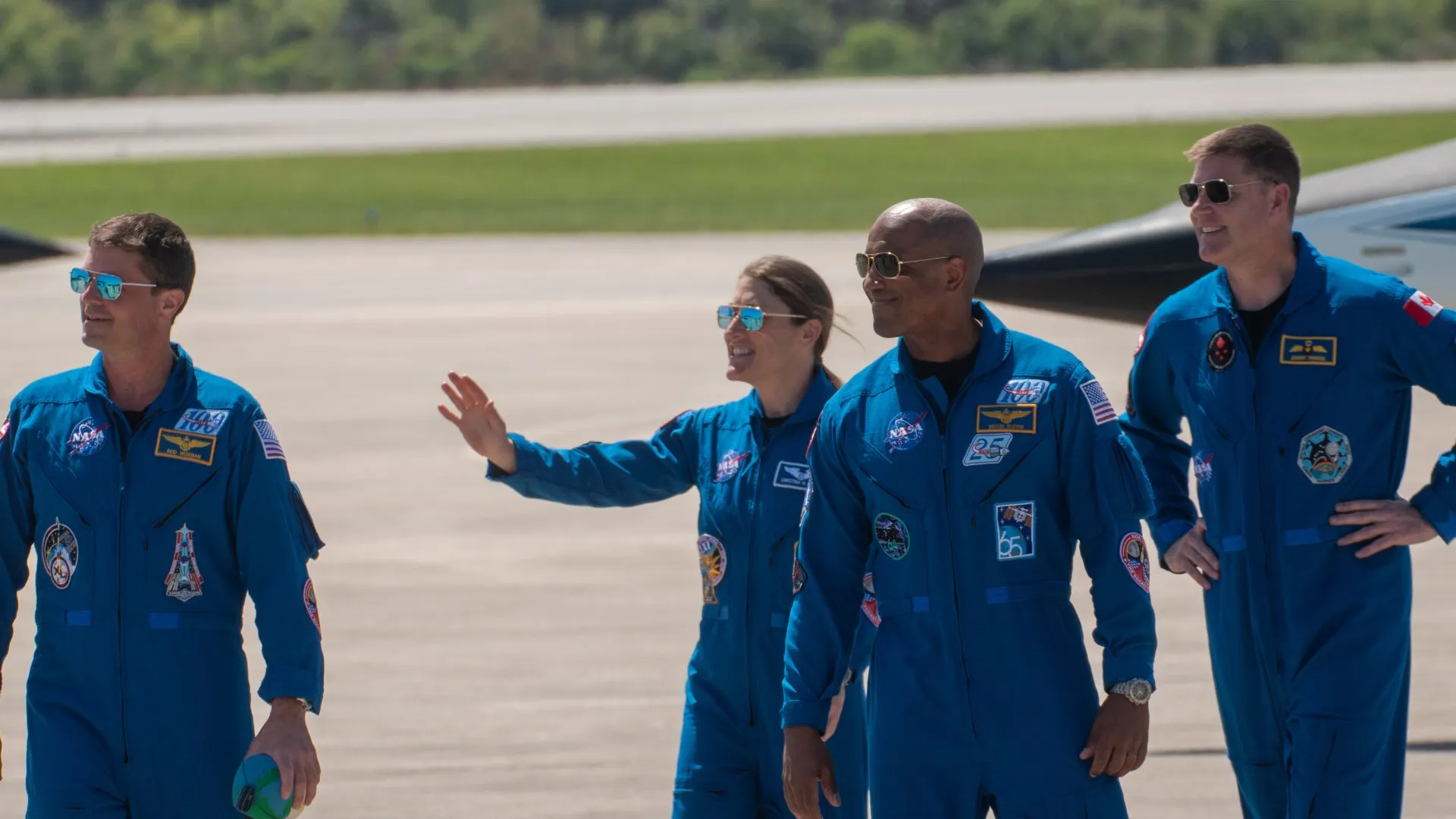
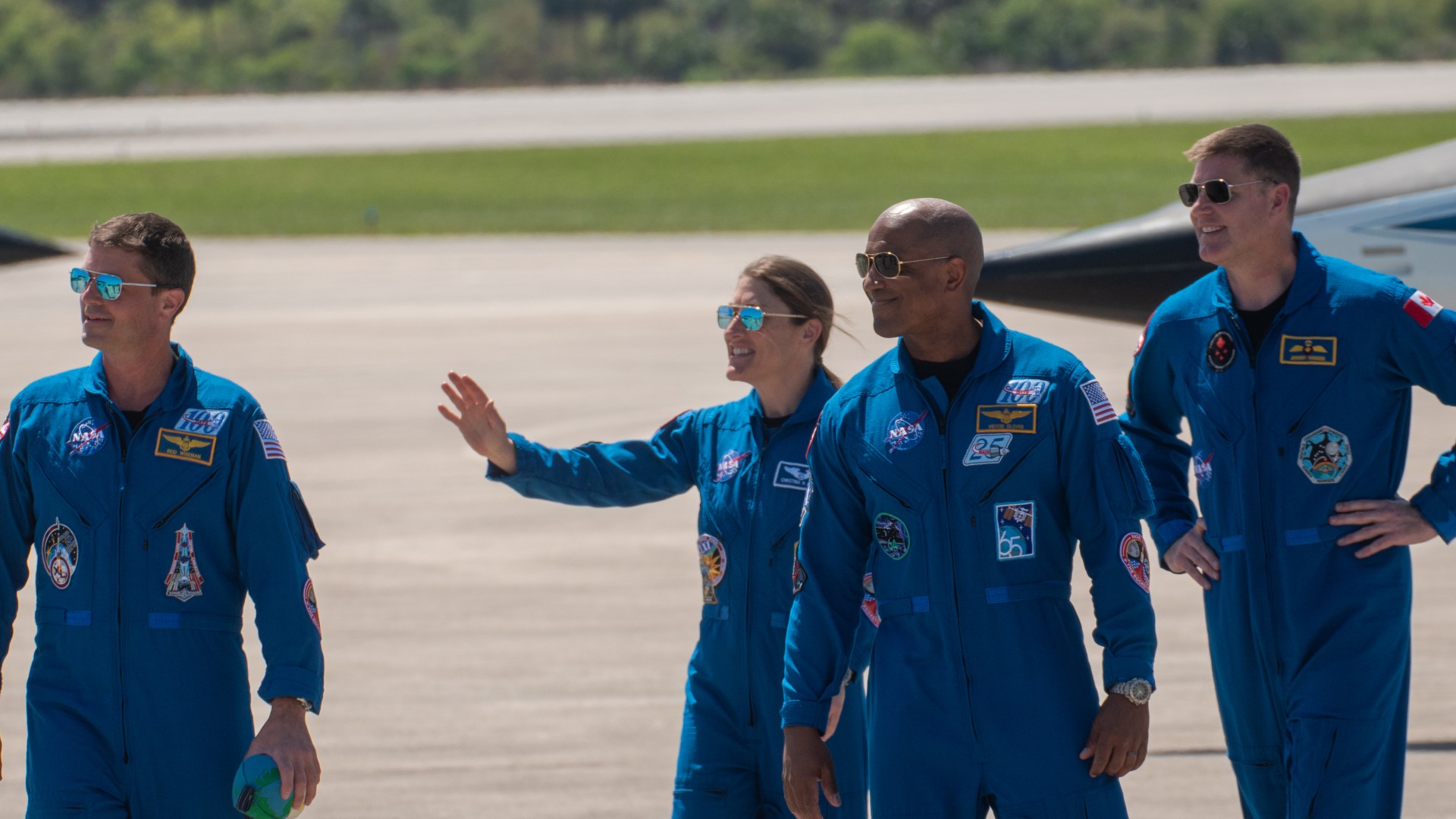
- The crew will include NASA astronauts Reid Wiseman, Victor Glover, Christina Koch, and Canadian Space Agency astronaut Jeremy Hansen
We are going back 🇺🇸 https://t.co/IR4NTquH9J
— NASA Administrator Jared Isaacman (@NASAAdmin) March 30, 2026
Launch Details: When and Where
The launch is scheduled to take place on April 1, with a liftoff time of 6:24 p.m. EDT. The weather forecast looks promising, with an 80% chance of good conditions at launch time.
- The launch will be streamed live on NASA's website and other online platforms
- The countdown clock is already ticking down, with NASA's livestream set to go live at 12:50 p.m. EDT
No April Fools' Jokes Allowed
Despite the mission launching on April Fools' Day, NASA is taking a serious approach to the launch. Test director Jeff Spaulding made it clear that no pranks or jokes will be tolerated.
- Spaulding emphasized the importance of staying focused on the launch
- The crew and launch team are fully prepared for the mission
What's Next for NASA's Moon Missions?
The success of the Artemis 2 mission will pave the way for future moon landings and the establishment of a permanent moon base. NASA Administrator Jared Isaacman outlined an ambitious schedule for the Artemis program, with plans to start building the moon base by 2032.
- The Artemis program aims to send the first woman and the first person of color to the moon
- The program will also include private sector partnerships and international cooperation

What the Experts Say
NASA Administrator Jared Isaacman expressed his enthusiasm for the mission, stating that 'We are going back' to the moon. Test director Jeff Spaulding emphasized the importance of staying focused on the launch.
- Isaacman unveiled an ambitious schedule for the Artemis program
- Spaulding made it clear that no pranks or jokes will be tolerated during the launch
The Future of Space Exploration
The Artemis 2 mission is a significant step towards NASA's goal of establishing a human presence on the moon. With a successful launch, the agency will be one step closer to achieving its ambitious plans for space exploration.
- The mission will pave the way for future moon landings and a permanent moon base
- The success of the Artemis program will depend on the collaboration of NASA, private sector partners, and international partners
“We are going back”
— Jared Isaacman, NASA Administrator
“So I am not aware of any pranks or any attempts to pull anything on the flight crew, or on the launch team itself, so I think I'll just leave it at that”
— Jeff Spaulding, Test Director
Final Thoughts
As NASA prepares to launch the Artemis 2 mission, the agency is one step closer to achieving its goal of establishing a human presence on the moon. With a successful launch, the agency will be able to move forward with its ambitious plans for space exploration, including the establishment of a permanent moon base by 2032.
Sources & Credits
Originally reported by Latest from Space.com
Huma Shazia
Senior AI & Tech Writer


