NASA's 750 Space Station Studies Yield Surgery and Bone Results
Key Takeaways
- NASA tested miniature robotic surgery in space, finding timing delays had minimal impact on accuracy
- Bone graft materials grown using magnetic levitation in microgravity showed superior bone regeneration capacity
- Research supports future medical capabilities for Moon and Mars missions
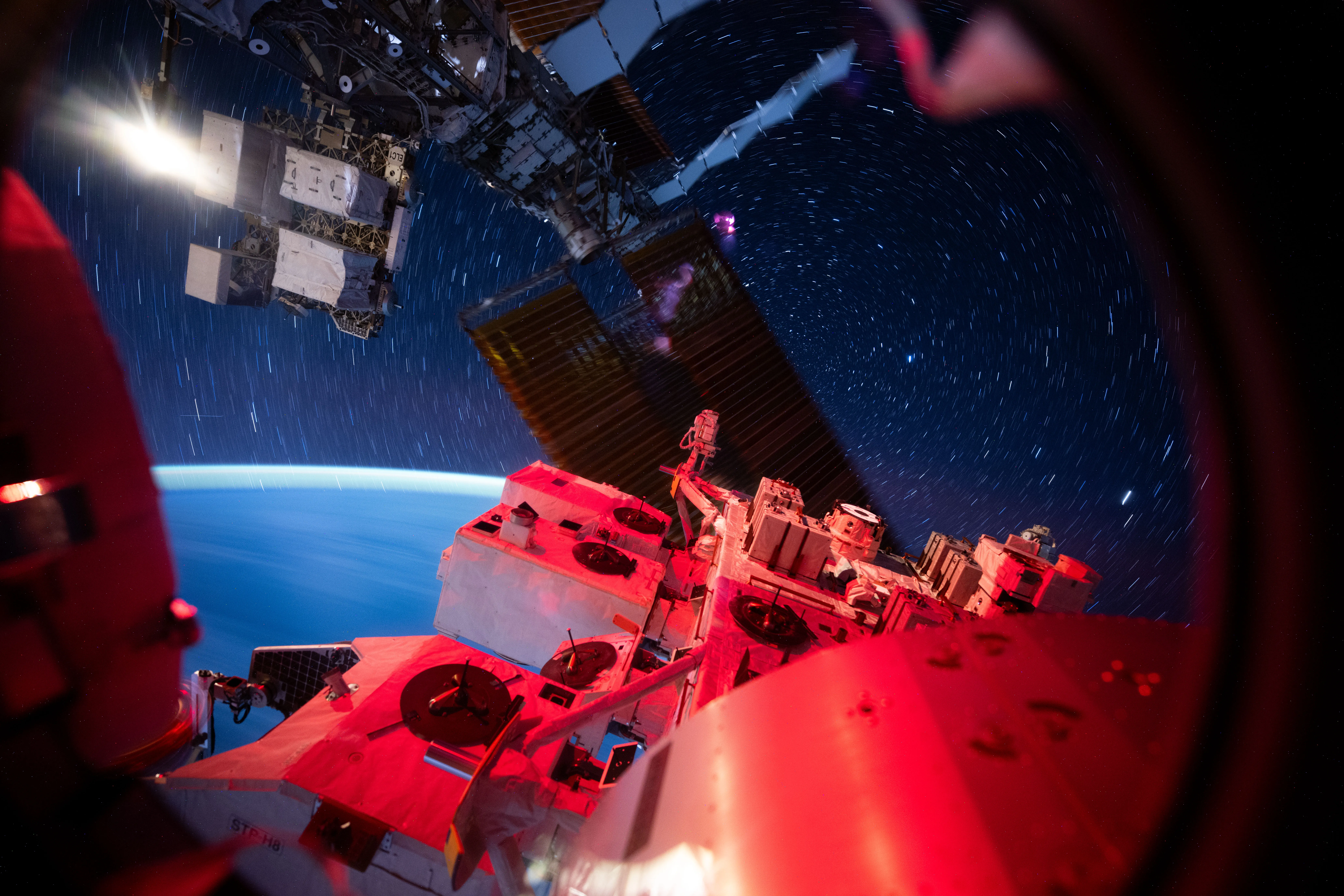
NASA published its 2025 Annual Highlights of Results in May 2026, documenting a year of research aboard the International Space Station. The orbital laboratory hosted more than 750 investigations in 2025, spanning life sciences, materials research, and technology demonstrations for future Moon and Mars missions.
Two results stand out. First, a robotic surgery system performed surgical tasks in microgravity with high precision despite communication delays from Earth. Second, synthetic bone graft materials grown using magnetic levitation showed better structural organization than Earth-based samples.
Robotic Surgery Passes Microgravity Test
NASA's Robotic Surgery Tech Demo evaluated whether a miniature robotic system could perform surgical tasks in space. The device, developed by Virtual Incision, used rubber bands to simulate surgical procedures aboard the station. Ground-based surgeons operated the robot remotely, allowing researchers to observe how communication delays affected performance.

Results showed that timing delays increased the duration of procedures but had minimal impact on robotic accuracy. The finding matters for deep space exploration. A surgeon on Earth could guide a robot performing an appendectomy on Mars, even with the roughly 20-minute signal delay between planets.
The compact design also has Earth applications. Remote regions without surgical specialists could benefit from robotic systems operated by distant medical centers.
Bone Grafts Grown by Magnetic Levitation
A Roscosmos investigation called Magnetic 3D Bioprinter used magnetic levitation to form complex tissue structures in microgravity. Researchers positioned calcium phosphate crystals into structures that can serve as synthetic bone grafts.
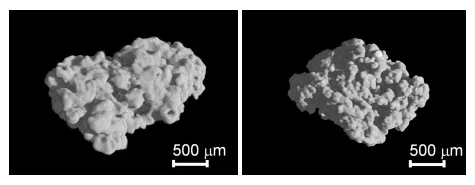
Samples formed in microgravity showed superior structural organization and a high capacity for bone tissue regeneration compared to Earth-grown versions. The technique required minimal materials while achieving high precision.
Astronauts lose bone density in space and face higher fracture risk on long-duration missions. This research could allow crews to fabricate medical treatments on demand during missions to Mars, where resupply from Earth is impossible.
Melanin-Infused Materials Under Study
NASA continued testing materials outside the space station through the Materials International Space Station Experiment program. The station's robotic manipulator, Dextre, handled sample hardware exposed to the harsh space environment.
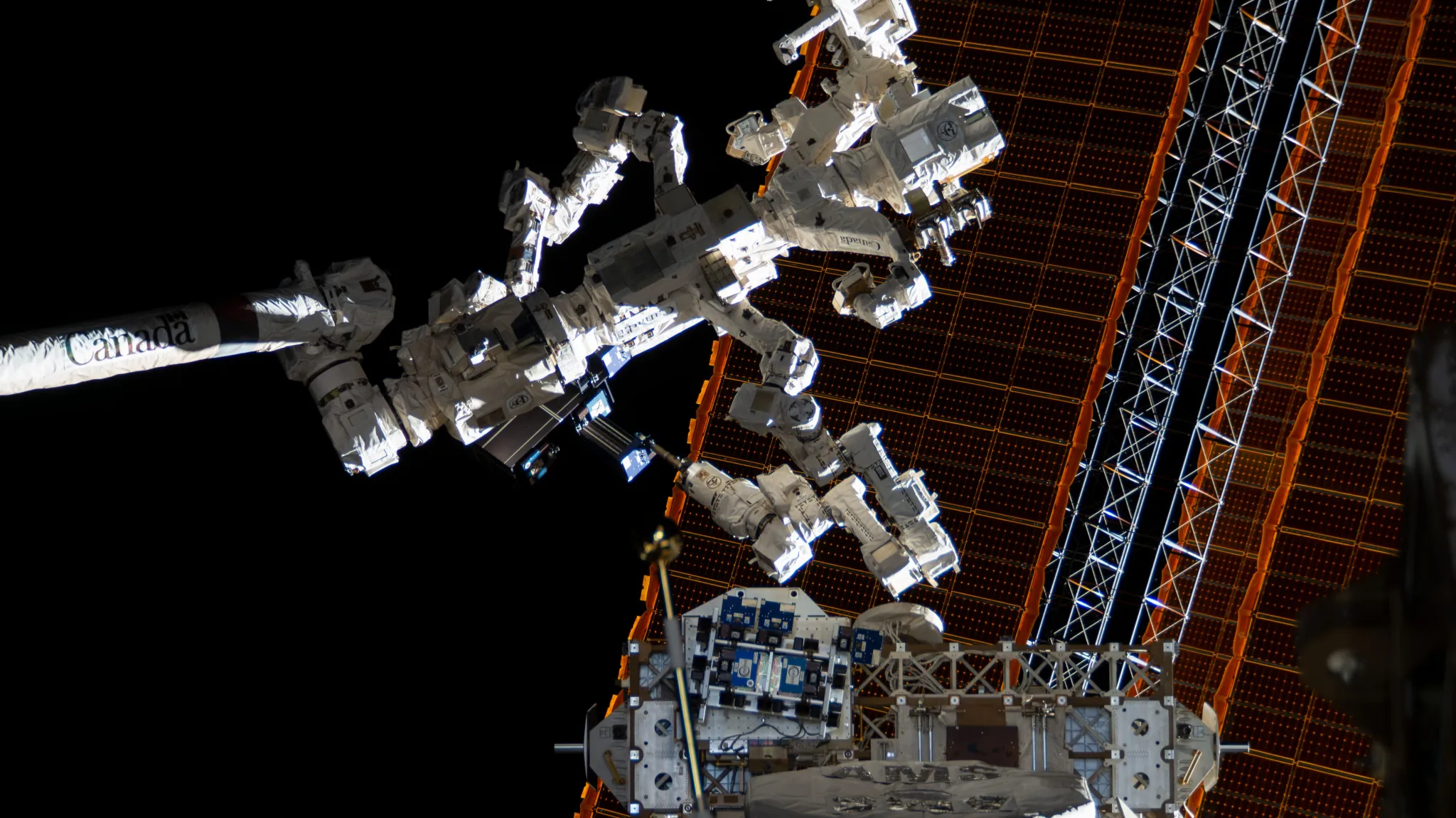
While NASA's release did not detail specific melanin-infused material results, the ongoing experiment series tests how various materials degrade under radiation, atomic oxygen bombardment, and extreme temperature swings. Results inform spacecraft design and protective coatings for future missions.
Supporting Moon and Mars Exploration
The 750-plus investigations conducted in 2025 share a common thread: preparing humans to live and work far from Earth. Robotic surgery means astronauts don't need a surgeon on board. On-demand bone grafts mean crews can treat injuries without cargo resupply. Materials testing means spacecraft can withstand years of radiation exposure.
NASA's Artemis program aims to establish a sustained human presence on the Moon, then use that experience to prepare for Mars. Each ISS investigation contributes data that reduces risk for those missions.
Logicity's Take
Frequently Asked Questions
How many investigations did the ISS conduct in 2025?
NASA reported more than 750 investigations aboard the International Space Station in 2025, covering life sciences, materials research, and exploration technology.
Can robotic surgery work with communication delays?
Yes. NASA's tests showed timing delays increased procedure duration but had minimal impact on robotic accuracy, making remote-controlled surgery viable for Moon or Mars missions.
Why grow bone grafts in space?
Microgravity allows magnetic levitation to position materials with high precision and minimal resources. The resulting bone graft structures showed better organization and regeneration capacity than Earth-grown samples.
When did NASA release the 2025 ISS research highlights?
NASA released the 2025 Annual Highlights of Results in May 2026.
Need Help Implementing This?
Source: NASA
Manaal Khan
Tech & Innovation Writer
اقرأ أيضاً

رأي مغاير: كيف يؤثر اختراق الأمن الداخلي الأميركي على شركاتنا الخاصة؟
في ظل اختراق عقود الأمن الداخلي الأميركي مع شركات خاصة، نناقش تأثير هذا الاختراق على مستقبل الأمن السيبراني. نستعرض الإحصاءات الموثوقة ونناقش كيف يمكن للشركات الخاصة أن تتعامل مع هذا التهديد. استمتع بقراءة هذا التحليل العميق

الإنسان في زمن ما بعد الوجود البشري: نحو نظام للتعايش بين الإنسان والروبوت - Centre for Arab Unity Studies
في هذا المقال، سنناقش كيف يمكن للبشر والروبوتات التعايش في نظام متكامل. سنستعرض التحديات والحلول المحتملة التي تضعها شركات مثل جوجل وأمازون. كما سنلقي نظرة على التوقعات المستقبلية وفقًا لتقرير ماكنزي

إطلاق ناسا لمهمة مأهولة إلى القمر: خطوة تاريخية نحو استكشاف الفضاء
تعتبر المهمة الجديدة خطوة هامة نحو استكشاف الفضاء وتطوير التكنولوجيا. سوف تشمل المهمة إرسال رواد فضاء إلى سطح القمر لconducting تجارب علمية. ستسهم هذه المهمة في تطوير فهمنا للفضاء وتحسين التكنولوجيا المستخدمة في استكشاف الفضاء.