NASA Just Pulled Off Something Humanity Hasn't Done in 50 Years—But the Hard Part Is Still Ahead

Four astronauts splashed down in the Pacific Ocean on April 10, 2026, completing a historic 700,000-mile journey around the Moon. While Artemis II marks humanity's triumphant return to deep space after half a century, NASA officials are already warning that this was actually the 'easy' mission. The real challenges—landing humans on the lunar surface—are just beginning.
Key Takeaways
- Artemis II successfully returned four astronauts after a 700,237-mile journey, marking humanity's first lunar voyage in over 50 years
- NASA revised its Artemis roadmap: Artemis III in mid-2027 will test lunar lander docking in Earth orbit, while Artemis IV in 2028 will attempt the actual Moon landing
- The astronauts broke the Apollo 13 record by traveling 248,655 miles from Earth—the farthest any human has ever ventured
- SpaceX's Starship and Blue Origin's Blue Moon are competing to provide the lunar lander, with the winner determined by 2027 test results
- NASA officials candidly admit that Artemis II was the 'lowest hanging fruit'—the complex multi-vehicle operations ahead will be far more challenging
In This Article
- A Bullseye Landing After Half a Century
- Victory Lap with a Reality Check
- The New Artemis Playbook: Adding a Crucial Stepping Stone
- SpaceX vs. Blue Origin: The Billion-Dollar Lunar Showdown
- Where the Critical Hardware Stands Right Now
- The Heat Shield Question Mark
A Bullseye Landing After Half a Century
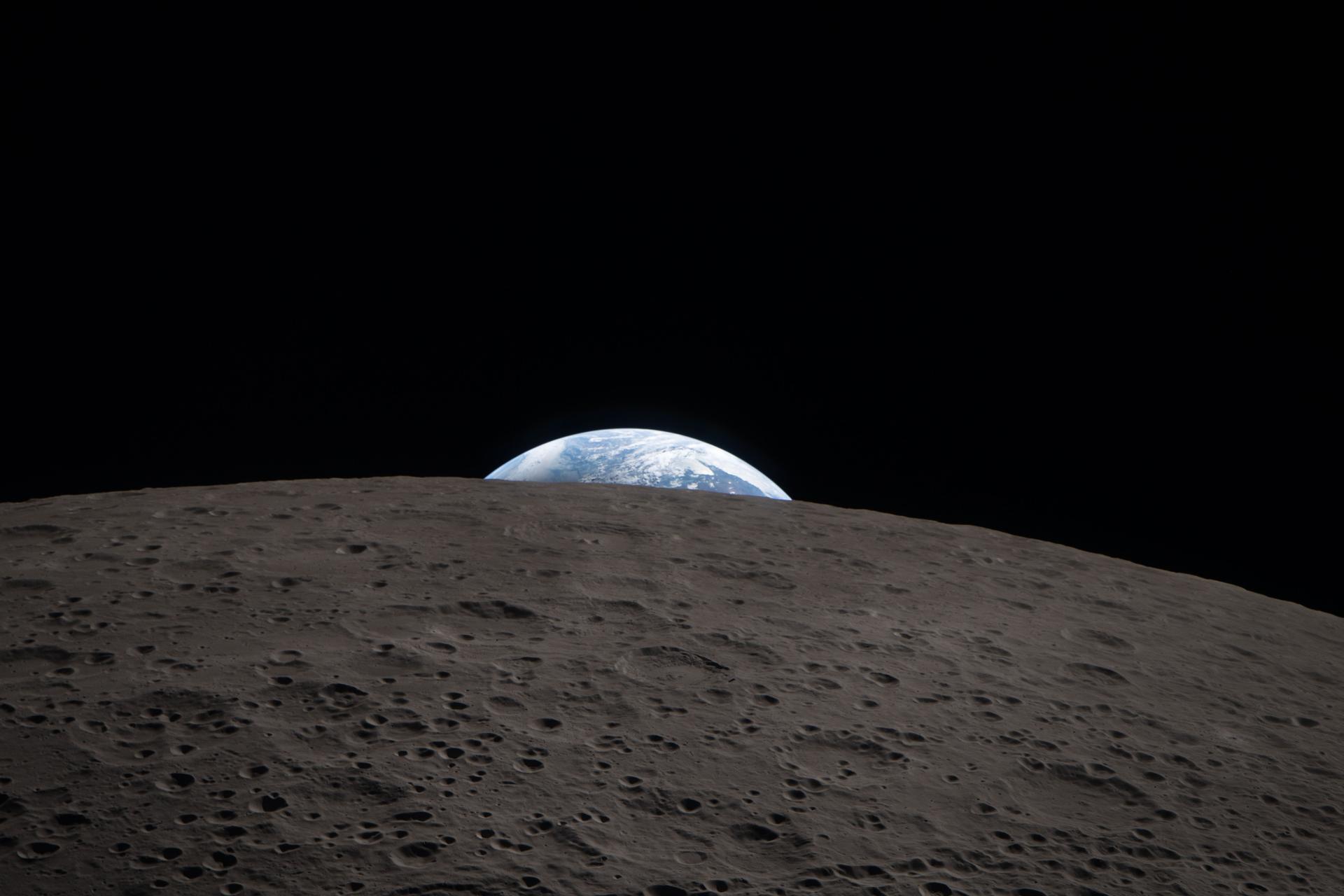
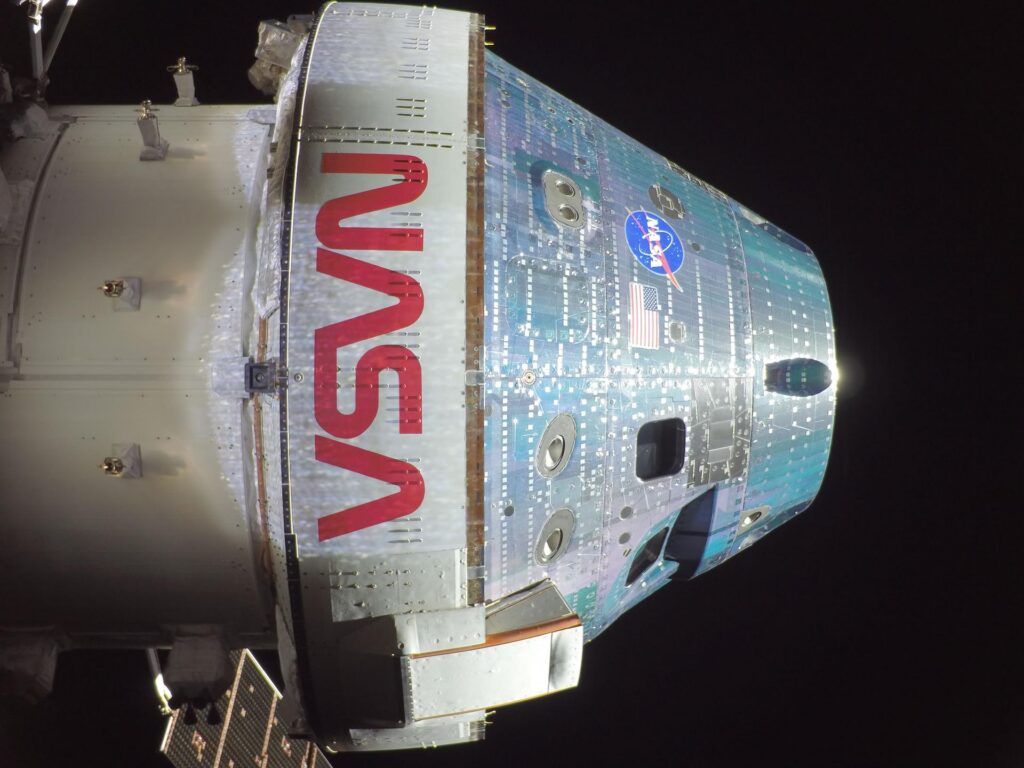
At 8:07 p.m. EDT on Friday, April 10, 2026, the Orion spacecraft—nicknamed 'Integrity'—gently splashed into the Pacific waters off the California coast. Commander Reid Wiseman, pilot Victor Glover, mission specialist Christina Koch, and Canadian Space Agency astronaut Jeremy Hansen became the first humans to journey toward the Moon since the Apollo era ended in 1972.
- The spacecraft nailed its landing with remarkable precision, touching down less than a mile from the target zone—what NASA called a 'bullseye landing'
- Over ten days, the crew traveled more than 700,000 miles and reached speeds exceeding 24,600 miles per hour during atmospheric reentry
- On April 6, they shattered the Apollo 13 distance record, venturing 248,655 miles from Earth—the farthest humans have ever traveled from our planet
Victory Lap with a Reality Check
The champagne corks were barely popping before NASA officials started delivering some sobering truths. Yes, this mission was a spectacular success. But in the grand scheme of returning humans to the lunar surface, they've only completed the prologue.
- NASA Associate Administrator Amit Kshatriya didn't mince words after splashdown: 'The work ahead is greater than the work behind us'
- Kshatriya also struck an optimistic note, declaring that 'the path to the surface is open now' after this successful test of the Orion spacecraft
- The Space Launch System rocket performed exceptionally well, hitting its target orbit with better than 99 percent accuracy—proving the much-delayed vehicle can deliver when it counts
The New Artemis Playbook: Adding a Crucial Stepping Stone
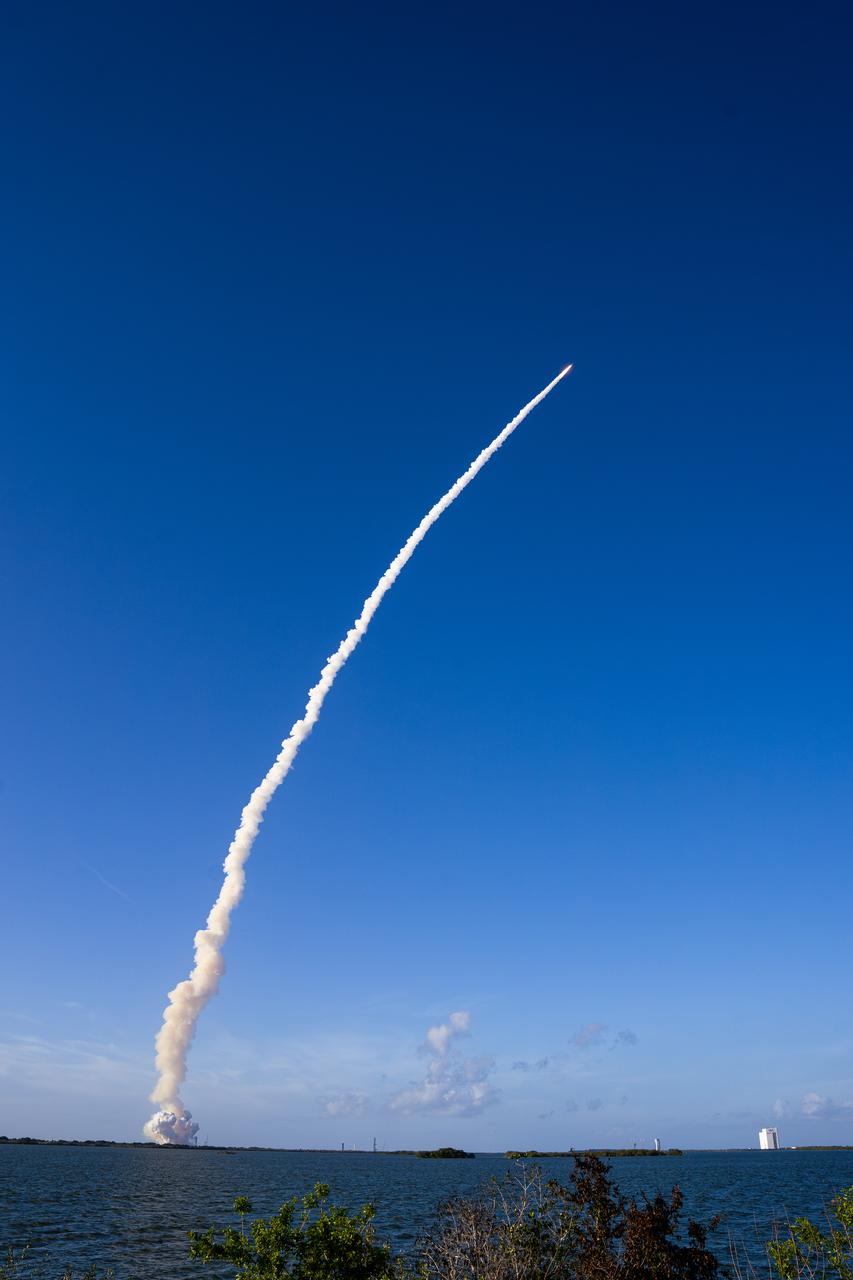
If you've been following NASA's lunar ambitions, you might remember when Artemis III was supposed to land astronauts on the Moon. That plan has evolved significantly. Administrator Jared Isaacman announced a major restructuring that adds a critical intermediate mission before anyone sets foot on lunar soil.
- Artemis III, now targeting mid-2027, will serve as a dress rehearsal—testing rendezvous and docking procedures with commercial lunar landers in Earth orbit rather than attempting a Moon landing
- The actual lunar landing has shifted to Artemis IV, currently scheduled for early 2028, which will mark the first crewed landing since Apollo 17 in December 1972
- This approach mirrors Apollo 9's mission philosophy from 1969, where astronauts tested the lunar module in Earth orbit before committing to the higher-stakes lunar descent
SpaceX vs. Blue Origin: The Billion-Dollar Lunar Showdown
Perhaps the biggest wild card in NASA's lunar return isn't the agency's own hardware—it's the commercial landers being developed by SpaceX and Blue Origin. Both companies are racing to prove their vehicles can safely ferry astronauts to the Moon's surface.
- SpaceX's Starship Human Landing System and Blue Origin's Blue Moon are the two contenders, and Artemis III's Earth orbit tests will help determine which lander gets the call for the historic landing
- The selection will ultimately depend on each company's readiness to deliver a flight-worthy spacecraft by the Artemis IV launch window
- NASA has smartly given itself options by contracting with both aerospace giants, reducing the risk that delays from one company could derail the entire program
Where the Critical Hardware Stands Right Now
Getting astronauts back to the Moon requires an intricate ballet of rockets, spacecraft, and lunar landers all coming together at precisely the right moments. Here's where the key pieces currently stand.
- The Space Launch System core stage for Artemis III is expected to ship from NASA's Michoud facility in Louisiana to Kennedy Space Center this month, with other rocket components already in place or arriving soon
- The Mobile Launch Tower sustained moderate damage during the Artemis II launch and will undergo refurbishment in the Vehicle Assembly Building before being readied for the next mission
- Orion spacecraft production for Artemis III was tracking toward January 2028 readiness, but the revised timeline means Lockheed Martin must accelerate its manufacturing pace
- NASA has one final Interim Cryogenic Propulsion Stage upper stage remaining—likely to be reserved for Artemis IV—with the new Centaur V upper stage debuting on Artemis V
The Heat Shield Question Mark
One lingering technical concern involves Orion's heat shield, which experienced some unexpected degradation during the uncrewed Artemis I mission in 2022. NASA is closely examining how the shield performed during Friday's scorching reentry.
- Engineers are conducting immediate post-flight assessments on the heat shield's condition after the spacecraft punched through the atmosphere at nearly 25,000 miles per hour
- The shield must withstand temperatures around 5,000 degrees Fahrenheit—half as hot as the Sun's surface—making it one of the most critical components for crew safety
- How the shield held up this time will influence confidence levels heading into the more complex missions ahead
“The work ahead is greater than the work behind us.”
— Amit Kshatriya, NASA Associate Administrator
“I think the path to the surface is open now. This was an incredible test of an incredible machine.”
— Amit Kshatriya, NASA Associate Administrator
“Integrity and her crew of four astronauts flew 700,237 miles, we reached a peak velocity of 24,664 miles per hour, we hit our flight path angle target within 0.4%, we flew an entry range of 1,957 miles, and we landed within less than a mile of our target.”
— Rick Henfling, Entry Flight Director
Final Thoughts
Artemis II represents a genuine triumph—humanity reclaiming its place as an interplanetary species after a generation-long hiatus. But NASA's candid acknowledgment that this was the 'lowest hanging fruit' should temper expectations. The coming years will test not just the agency's engineering prowess, but its ability to coordinate an unprecedented collaboration between government and commercial partners. If Artemis III's orbital tests go smoothly in 2027, and if either SpaceX or Blue Origin can deliver a lunar lander on schedule, we could witness astronauts walking on the Moon again by 2028. That's a lot of 'ifs'—but after Friday's picture-perfect splashdown, there's genuine reason to believe NASA might just pull this off.
Sources & Credits
Originally reported by Ars Technica
Manaal Khan
Tech & Innovation Writer
Also Read

رأي مغاير: كيف يؤثر اختراق الأمن الداخلي الأميركي على شركاتنا الخاصة؟
في ظل اختراق عقود الأمن الداخلي الأميركي مع شركات خاصة، نناقش تأثير هذا الاختراق على مستقبل الأمن السيبراني. نستعرض الإحصاءات الموثوقة ونناقش كيف يمكن للشركات الخاصة أن تتعامل مع هذا التهديد. استمتع بقراءة هذا التحليل العميق

الإنسان في زمن ما بعد الوجود البشري: نحو نظام للتعايش بين الإنسان والروبوت - Centre for Arab Unity Studies
في هذا المقال، سنناقش كيف يمكن للبشر والروبوتات التعايش في نظام متكامل. سنستعرض التحديات والحلول المحتملة التي تضعها شركات مثل جوجل وأمازون. كما سنلقي نظرة على التوقعات المستقبلية وفقًا لتقرير ماكنزي

إطلاق ناسا لمهمة مأهولة إلى القمر: خطوة تاريخية نحو استكشاف الفضاء
تعتبر المهمة الجديدة خطوة هامة نحو استكشاف الفضاء وتطوير التكنولوجيا. سوف تشمل المهمة إرسال رواد فضاء إلى سطح القمر لconducting تجارب علمية. ستسهم هذه المهمة في تطوير فهمنا للفضاء وتحسين التكنولوجيا المستخدمة في استكشاف الفضاء.