NASA Fast-Tracks Air-Launched Rocket to Save $500M Telescope
Key Takeaways
- NASA's Swift Observatory has decayed from 373 miles to 249 miles altitude and faces atmospheric re-entry without intervention
- Katalyst Space's LINK satellite will attempt to rendezvous with and boost Swift using an air-launched Pegasus XL rocket
- The mission went from contract to launch in just 8 months, demonstrating 'tactically responsive' space capabilities
NASA is scrambling to save a $500 million telescope from burning up in Earth's atmosphere. The agency is preparing to launch a robotic servicing satellite that will rendezvous with the Neil Gehrels Swift Observatory and push it back to a stable orbit.
The rescue mission involves four separate vehicles: a mothership aircraft, an air-launched rocket, a servicing spacecraft, and the telescope itself. It's one of the most complex orbital rescue attempts NASA has ever attempted.
Swift's Slow Fall From Space
Swift launched on November 20, 2004, on what was supposed to be a two-year mission to study gamma-ray bursts. Twenty-one years later, it's still working. But its orbit has decayed significantly.
The observatory started at 373 miles (600 kilometers) above Earth. It's now down to about 249 miles (400 km). Without intervention, atmospheric drag will pull it lower until it re-enters and burns up.
The Rescue Plan
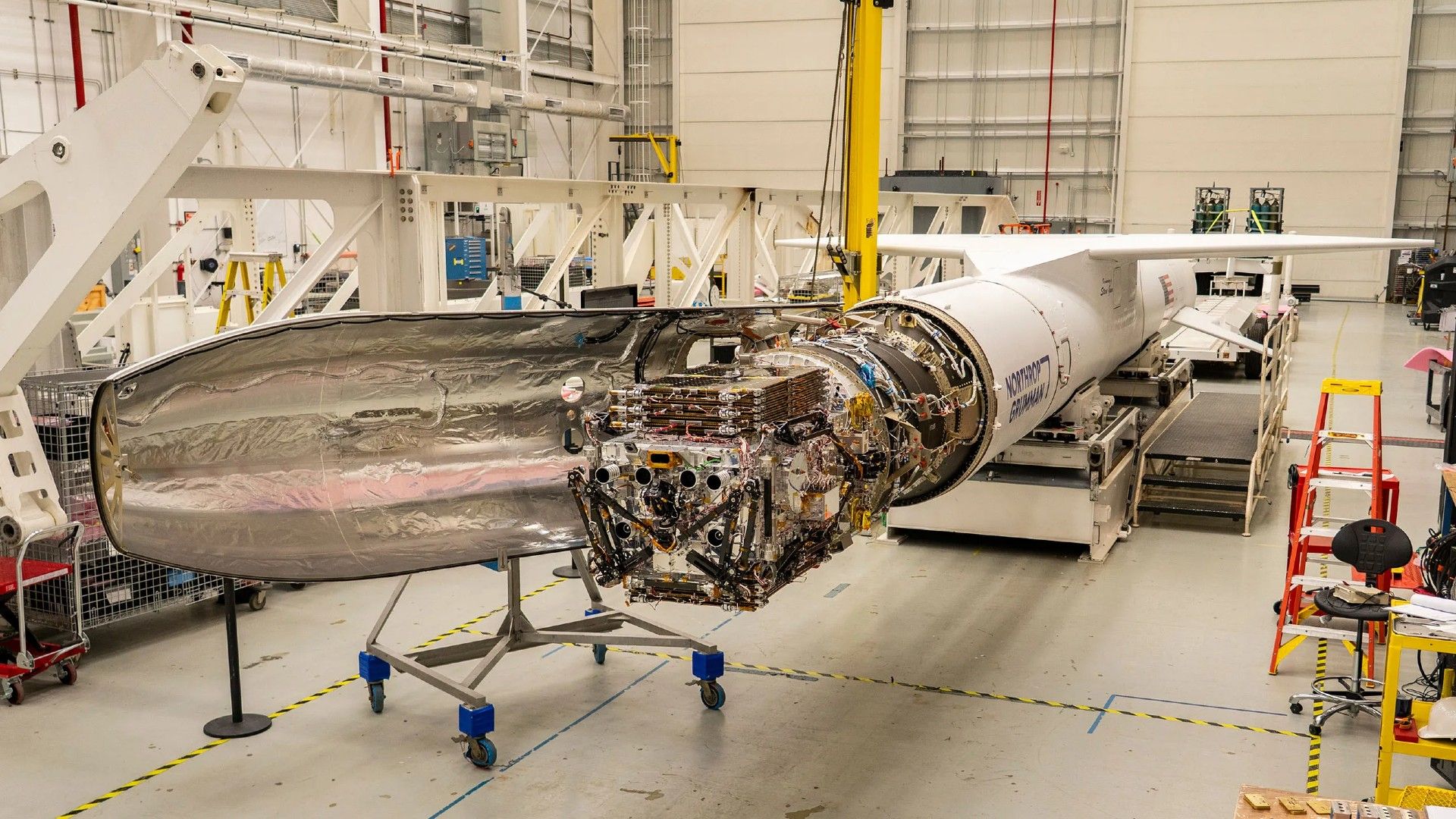
On June 8, 2026, Katalyst Space's LINK robotic servicing satellite was prepped for encapsulation inside a Northrop Grumman Pegasus XL rocket at NASA's Wallops Flight Facility in Virginia.
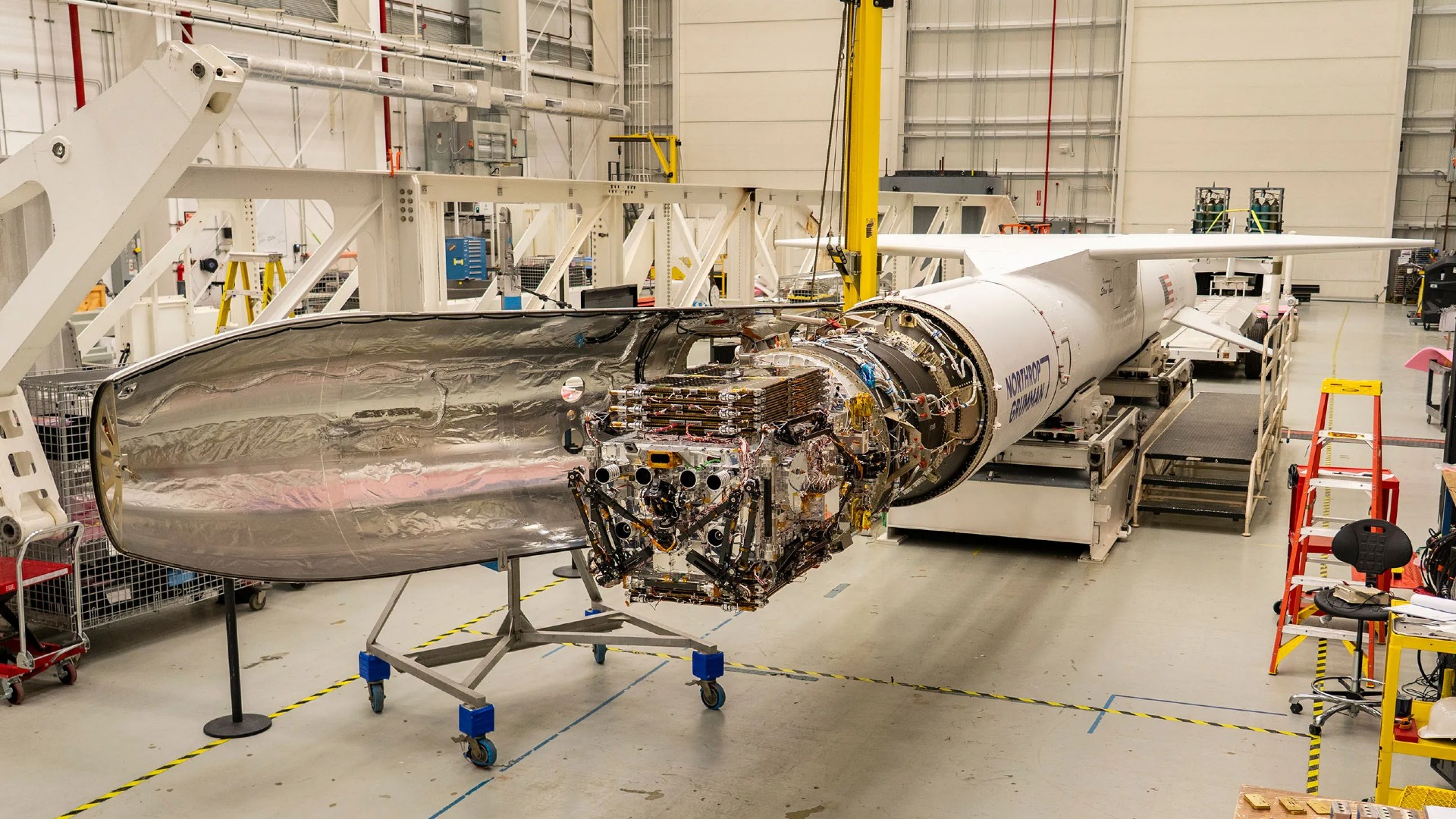
Pegasus XL is an air-launched system. A Lockheed L-1011 TriStar mothership called Stargazer carries the rocket to about 39,000 feet (12,000 meters). At altitude, the aircraft releases the rocket, which ignites its motor and sends its payload to orbit.
Once in space, LINK will attempt to locate Swift, rendezvous with it, and boost it back to a healthy orbit. The challenge: NASA is still working to predict exactly where Swift will be when LINK catches up to it.
“This mission isn't just about saving a telescope; it's about proving that we can actively manage and extend the life of our vital space assets on demand.”
— Dr. Sarah Jenkins, Lead Mission Architect at Katalyst Space Technologies
Eight Months From Contract to Launch
The mission moved from contract award to scheduled launch in roughly 8 months. Space industry observers are calling it a demonstration of "tactically responsive" space capabilities. The fast turnaround shows NASA and its commercial partners can react quickly when high-value assets are at risk.
Swift has been a workhorse for high-energy astrophysics. It studies gamma-ray bursts, the most powerful explosions in the universe. Losing it would mean losing two decades of calibration data and a proven instrument that continues to deliver science.
Why Air-Launch?
Pegasus XL is one of the few operational air-launched orbital rockets. Starting at 39,000 feet gives the rocket a head start. It doesn't have to fight through the thickest part of the atmosphere. That efficiency helps with smaller payloads like LINK.
The system also offers flexibility. Stargazer can launch from various locations, not just fixed launch pads. For a time-sensitive rescue mission, that adaptability matters.
The Bigger Picture for On-Orbit Servicing
If successful, this mission proves that aging satellites don't have to be written off. On-orbit servicing could extend the life of expensive space hardware, reduce space debris, and change how agencies and companies plan satellite end-of-life.
Catching a "non-cooperative" satellite like Swift, one that wasn't designed to be serviced, is significantly harder than docking with a spacecraft built for it. Success here opens doors for rescuing other legacy assets.
Logicity's Take
Frequently Asked Questions
What is the Neil Gehrels Swift Observatory?
Swift is a NASA space telescope launched in 2004 to study gamma-ray bursts. It has operated for 21 years, far exceeding its planned two-year mission.
How does an air-launched rocket work?
A carrier aircraft, in this case the Stargazer L-1011, carries the rocket to about 39,000 feet. The rocket is released and ignites its motor mid-air, using the altitude advantage to reach orbit more efficiently.
What is on-orbit satellite servicing?
It's the practice of using one spacecraft to maintain, repair, refuel, or reposition another spacecraft already in orbit. The LINK satellite will attempt to boost Swift to a higher, more stable orbit.
Why can't Swift boost itself to a higher orbit?
Swift has limited onboard propulsion and wasn't designed for significant orbital maneuvers. After 21 years, it lacks the fuel or capability to raise its own orbit substantially.
Need Help Implementing This?
Source: Latest from Space.com
Manaal Khan
Tech & Innovation Writer
اقرأ أيضاً

رأي مغاير: كيف يؤثر اختراق الأمن الداخلي الأميركي على شركاتنا الخاصة؟
في ظل اختراق عقود الأمن الداخلي الأميركي مع شركات خاصة، نناقش تأثير هذا الاختراق على مستقبل الأمن السيبراني. نستعرض الإحصاءات الموثوقة ونناقش كيف يمكن للشركات الخاصة أن تتعامل مع هذا التهديد. استمتع بقراءة هذا التحليل العميق

الإنسان في زمن ما بعد الوجود البشري: نحو نظام للتعايش بين الإنسان والروبوت - Centre for Arab Unity Studies
في هذا المقال، سنناقش كيف يمكن للبشر والروبوتات التعايش في نظام متكامل. سنستعرض التحديات والحلول المحتملة التي تضعها شركات مثل جوجل وأمازون. كما سنلقي نظرة على التوقعات المستقبلية وفقًا لتقرير ماكنزي

إطلاق ناسا لمهمة مأهولة إلى القمر: خطوة تاريخية نحو استكشاف الفضاء
تعتبر المهمة الجديدة خطوة هامة نحو استكشاف الفضاء وتطوير التكنولوجيا. سوف تشمل المهمة إرسال رواد فضاء إلى سطح القمر لconducting تجارب علمية. ستسهم هذه المهمة في تطوير فهمنا للفضاء وتحسين التكنولوجيا المستخدمة في استكشاف الفضاء.