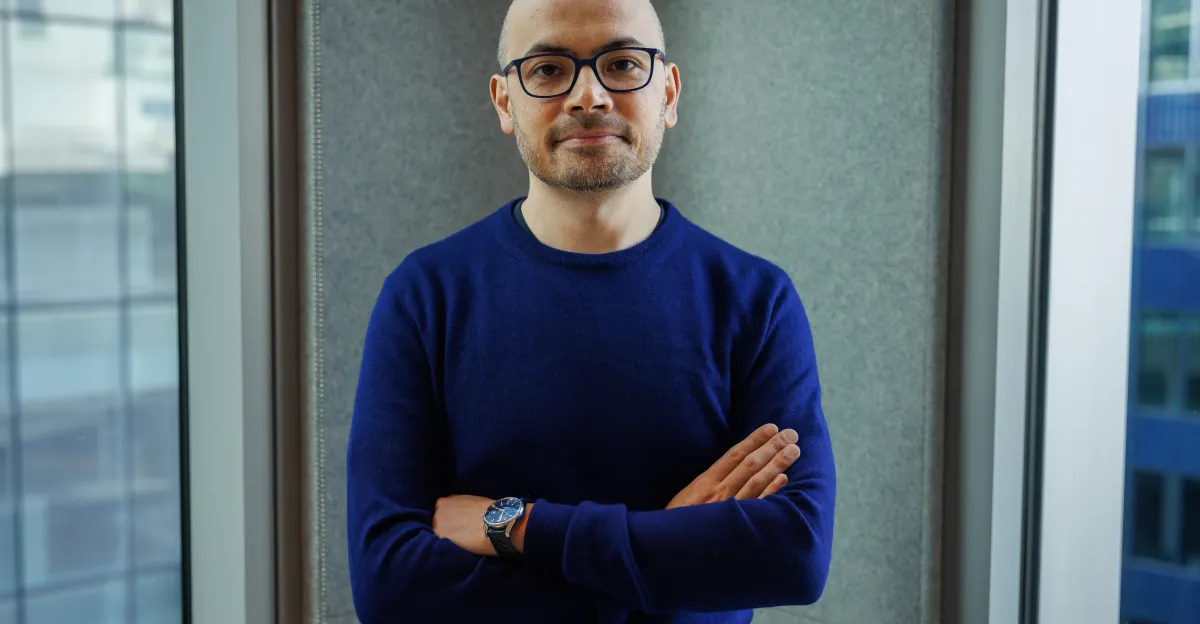
Musk Was 'Fixated' on DeepMind's Demis Hassabis
Key Takeaways
- Greg Brockman testified Musk was 'very consistent and fixated' on DeepMind CEO Demis Hassabis
- Musk once asked at an AI dinner: 'Is Demis Hassabis evil?'
- OpenAI was designed from the start to oppose Google's AI dominance
One week into the Musk v. Altman trial, a name keeps surfacing in testimony and court documents: Demis Hassabis. The Google DeepMind CEO isn't a party to the lawsuit, but he haunted the early years of OpenAI like a specter the founders couldn't shake.
Greg Brockman, OpenAI's president and co-founder, testified this week that Elon Musk talked about Hassabis 'many, many times' during OpenAI's formative period. Brockman described Musk as 'very consistent and fixated' on the DeepMind leader.
“Is Demis Hassabis evil?”
— Elon Musk, asking this question at an AI-focused dinner with Altman and Brockman, according to Brockman's testimony
That question, reportedly the first thing Musk asked when Brockman arrived at the dinner, captures the anxious energy surrounding OpenAI's founding. The organization wasn't just another AI lab. It was built as a counterweight to Google.
OpenAI Was Built to Fight Google
Musk testified that a conversation with Google co-founder Larry Page inspired him to start OpenAI. According to Musk, Page shrugged off the idea that AI could wipe out humanity. That apparent indifference alarmed Musk enough to fund a rival lab.
Hassabis founded DeepMind as an independent startup in 2010. Google acquired it four years later for a reported $400 million to $650 million. Since then, Hassabis has led some of Google's biggest AI research wins, including AlphaFold, the protein structure prediction system that earned him a Nobel Prize in Chemistry in 2024.
Today, Hassabis runs Google Gemini, the team formerly known as Google Brain, and Isomorphic Labs, a for-profit DeepMind spinoff focused on drug discovery. He's arguably the most powerful AI researcher inside any major tech company.
'Puppy Bowl' vs. 'Super Bowl'
Court documents show Musk's anxiety about Google's AI lead was intense and ongoing. In one 2016 email to Brockman and fellow co-founder Ilya Sutskever, Musk described a dinner with Hassabis as 'extremely alarming.'
“I feel like they are playing the Super Bowl and we are playing the Puppy Bowl. Unless we want to have our ass handed to us, we need to step up our game dramatically.”
— Elon Musk in a 2016 email to OpenAI co-founders
The email reveals how far behind Musk believed OpenAI was at the time. DeepMind had Google's resources, talent pipeline, and years of head start. OpenAI had a mission statement and some of Silicon Valley's wealthiest backers, but catching up looked daunting.
Hassabis Pushed Back on 'Open' Branding
Hassabis appears in court documents shortly after OpenAI's founding, when Musk was promoting the new lab's 'open' approach to AI development in the press. In January 2016, Musk forwarded a message from Hassabis to Altman and Sutskever. The source material indicates Hassabis disagreed with how OpenAI was positioning itself, though the full content of his objection wasn't detailed in the available documents.
Sutskever himself had been poached from Google, adding to the competitive tension between the two organizations. The talent war was personal.
What This Means for the Trial
The Hassabis fixation matters because it speaks to Musk's motivations. His legal team argues he invested in OpenAI to ensure AI development remained safe and open to humanity, not locked inside a profit-driven corporation. The Google rivalry supports that narrative.
But it also shows Musk wasn't purely altruistic. He wanted to win. The Puppy Bowl email suggests competitive drive, not just existential concern.
Hassabis hasn't been called to testify, and there's no indication he will be. But his shadow over OpenAI's founding gives the court a window into the real stakes: this was always a fight for AI supremacy, dressed up in the language of safety.
Logicity's Take
More on AI safety challenges and how frontier models can be manipulated
Frequently Asked Questions
Who is Demis Hassabis?
Demis Hassabis is the CEO of Google DeepMind. He founded DeepMind in 2010, sold it to Google for $400-650 million in 2014, and now leads Google's AI research including Gemini and Isomorphic Labs.
Why was Elon Musk fixated on Demis Hassabis?
Musk saw DeepMind and Google as the biggest threat in AI development. He founded OpenAI partly to counter Google's dominance after a conversation with Larry Page alarmed him about AI safety.
What is the Musk v. Altman trial about?
Musk is suing OpenAI and Sam Altman, alleging the company abandoned its nonprofit mission. The trial involves testimony from OpenAI founders and documents revealing the organization's early days.
Did Demis Hassabis testify in the Musk v. Altman trial?
No. Hassabis has not testified and there's no public indication he will. He appears in the trial only through emails and testimony from other witnesses.
What is DeepMind's AlphaFold?
AlphaFold is an AI system that predicts protein structures. The breakthrough earned Hassabis a share of the 2024 Nobel Prize in Chemistry.
Need Help Implementing This?
Huma Shazia
Senior AI & Tech Writer
اقرأ أيضاً

رأي مغاير: كيف يؤثر اختراق الأمن الداخلي الأميركي على شركاتنا الخاصة؟
في ظل اختراق عقود الأمن الداخلي الأميركي مع شركات خاصة، نناقش تأثير هذا الاختراق على مستقبل الأمن السيبراني. نستعرض الإحصاءات الموثوقة ونناقش كيف يمكن للشركات الخاصة أن تتعامل مع هذا التهديد. استمتع بقراءة هذا التحليل العميق

الإنسان في زمن ما بعد الوجود البشري: نحو نظام للتعايش بين الإنسان والروبوت - Centre for Arab Unity Studies
في هذا المقال، سنناقش كيف يمكن للبشر والروبوتات التعايش في نظام متكامل. سنستعرض التحديات والحلول المحتملة التي تضعها شركات مثل جوجل وأمازون. كما سنلقي نظرة على التوقعات المستقبلية وفقًا لتقرير ماكنزي

إطلاق ناسا لمهمة مأهولة إلى القمر: خطوة تاريخية نحو استكشاف الفضاء
تعتبر المهمة الجديدة خطوة هامة نحو استكشاف الفضاء وتطوير التكنولوجيا. سوف تشمل المهمة إرسال رواد فضاء إلى سطح القمر لconducting تجارب علمية. ستسهم هذه المهمة في تطوير فهمنا للفضاء وتحسين التكنولوجيا المستخدمة في استكشاف الفضاء.