Moto G Stylus 2026 Review: $500 for an Active Stylus Phone
Key Takeaways
- The Moto G Stylus 2026 costs $500 and includes an upgraded active stylus with hardware button and clicker
- Key improvements over the 2025 model include IP69 rating, faster UFS 3.1 storage, and a 5,200mAh battery
- The phone remains exclusive to North American markets with only two guaranteed Android updates
What You Get for $500
The Moto G Stylus 2026 arrives as Motorola's annual update to its note-taking phone line. At $500, it sits squarely in the midrange segment but faces an awkward comparison: the 2025 model now sells for $300. That $200 gap forces buyers to evaluate whether the upgrades justify the premium.
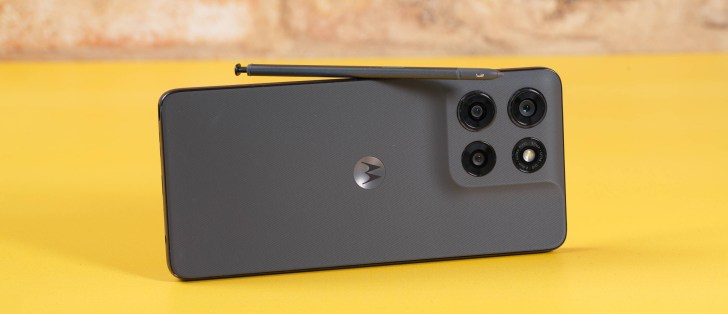
The standout feature remains the integrated stylus, but this year Motorola made it active. The stylus now includes a hardware button and a clicker on top. For anyone who uses the stylus regularly for notes or sketches, the tactile feedback makes a difference.
The phone ships in a thin white box with just a USB-C cable and SIM ejection pin. No charger, screen protector, or case. Motorola says any USB Power Delivery charger can hit the 68W maximum charging speed.
Display and Design
Motorola equipped the phone with a 6.7-inch AMOLED panel running at 1,220p resolution and 120Hz refresh rate. The screen size works well for stylus input and general media consumption.
The body earns praise for durability. A textured back provides grip, and Motorola added two new Pantone colors to the lineup. The design sits on the attractive side for this price range.
Durability gets a notable bump with an IP69 rating alongside IP68. The higher rating means the phone can handle high-pressure, high-temperature water jets. Most competitors at this price stop at IP68 or skip water resistance entirely.
Performance and Storage
The Snapdragon 6 Gen 3 chip pairs with 8GB RAM. Storage runs on UFS 3.1, a step up from the UFS 2.2 in the 2025 model. The faster storage helps with app loading times and file transfers.
MicroSD expansion remains available. The phone also keeps the headphone jack. Both features grow rarer each year, even in budget phones.
Camera Setup
The main camera uses a 50MP sensor with optical image stabilization. It covers standard and 2x shots. A 13MP ultrawide sits alongside it, and the autofocus capability allows for closeup shots.
The front camera packs 32MP with a wide-angle lens and records 4K video. Selfie performance matters for video calls, and the specs suggest capable results.
Battery and Charging
A 5,200mAh battery powers the phone, 200mAh more than the 2025 model's 5,000mAh cell. Wired charging tops out at 68W. Wireless charging runs at 15W.
The combination of a large battery with fast wired charging covers most use cases. Wireless charging at 15W won't win speed contests, but its presence at this price point adds convenience.
Software and Updates
The phone boots Android 16 out of the box. Motorola guarantees two major OS updates. That means Android 17 and Android 18. After that, security updates may continue, but feature development stops.
Two OS updates falls below Samsung and Google, both of which offer longer support windows. Buyers planning to keep the phone for more than two years should weigh this limitation.
2026 vs 2025: Worth the Upgrade?
| Feature | Moto G Stylus 2026 | Moto G Stylus 2025 |
|---|---|---|
| Price | $500 | $300 |
| Stylus Type | Active with button | Passive |
| IP Rating | IP68 + IP69 | IP68 |
| Storage Speed | UFS 3.1 | UFS 2.2 |
| Battery | 5,200mAh | 5,000mAh |
The 2026 model brings meaningful upgrades: an active stylus, faster storage, stronger water resistance, and a larger battery. Whether those justify a $200 premium depends on how much you use the stylus. For occasional note-takers, the 2025 model at $300 delivers most of the same experience.
Availability
The Moto G Stylus 2026 remains exclusive to North American markets. Motorola has not announced plans to expand availability to Europe, Asia, or other regions. Buyers outside North America will need to look elsewhere for stylus-equipped phones.
✅ Pros
- • Active stylus with hardware button and clicker
- • IP69 rating for high-pressure water resistance
- • Headphone jack and microSD slot retained
- • 68W wired and 15W wireless charging
❌ Cons
- • Only two guaranteed OS updates
- • $200 premium over capable 2025 model
- • Limited to North American markets
- • No charger in the box
Logicity's Take
Frequently Asked Questions
Is the Moto G Stylus 2026 available outside the US?
No. The phone remains exclusive to North American markets. Motorola has not announced any expansion plans.
How many Android updates will the Moto G Stylus 2026 receive?
Motorola guarantees two major OS updates, covering Android 17 and Android 18.
Does the Moto G Stylus 2026 have wireless charging?
Yes. The phone supports 15W wireless charging alongside 68W wired charging.
What's new about the stylus in the 2026 model?
The 2026 model uses an active stylus with a hardware button and a clicker on top. The 2025 model had a passive stylus.
Does the Moto G Stylus 2026 have a headphone jack?
Yes. The phone includes a 3.5mm audio jack and microSD expansion, features that grow rare in modern phones.
Need Help Implementing This?
Source: GSMArena.com
Manaal Khan
Tech & Innovation Writer
اقرأ أيضاً

رأي مغاير: كيف يؤثر اختراق الأمن الداخلي الأميركي على شركاتنا الخاصة؟
في ظل اختراق عقود الأمن الداخلي الأميركي مع شركات خاصة، نناقش تأثير هذا الاختراق على مستقبل الأمن السيبراني. نستعرض الإحصاءات الموثوقة ونناقش كيف يمكن للشركات الخاصة أن تتعامل مع هذا التهديد. استمتع بقراءة هذا التحليل العميق

الإنسان في زمن ما بعد الوجود البشري: نحو نظام للتعايش بين الإنسان والروبوت - Centre for Arab Unity Studies
في هذا المقال، سنناقش كيف يمكن للبشر والروبوتات التعايش في نظام متكامل. سنستعرض التحديات والحلول المحتملة التي تضعها شركات مثل جوجل وأمازون. كما سنلقي نظرة على التوقعات المستقبلية وفقًا لتقرير ماكنزي

إطلاق ناسا لمهمة مأهولة إلى القمر: خطوة تاريخية نحو استكشاف الفضاء
تعتبر المهمة الجديدة خطوة هامة نحو استكشاف الفضاء وتطوير التكنولوجيا. سوف تشمل المهمة إرسال رواد فضاء إلى سطح القمر لconducting تجارب علمية. ستسهم هذه المهمة في تطوير فهمنا للفضاء وتحسين التكنولوجيا المستخدمة في استكشاف الفضاء.