MIT Sweeps NASA RASC-AL 2026 With Lunar Power System
Key Takeaways
- MIT's ECLIPSE lunar power system won first place, with another MIT project taking second
- 14 university teams competed in the finals at Cocoa Beach, Florida
- Winning concepts focus on Artemis moon mission infrastructure and Mars exploration
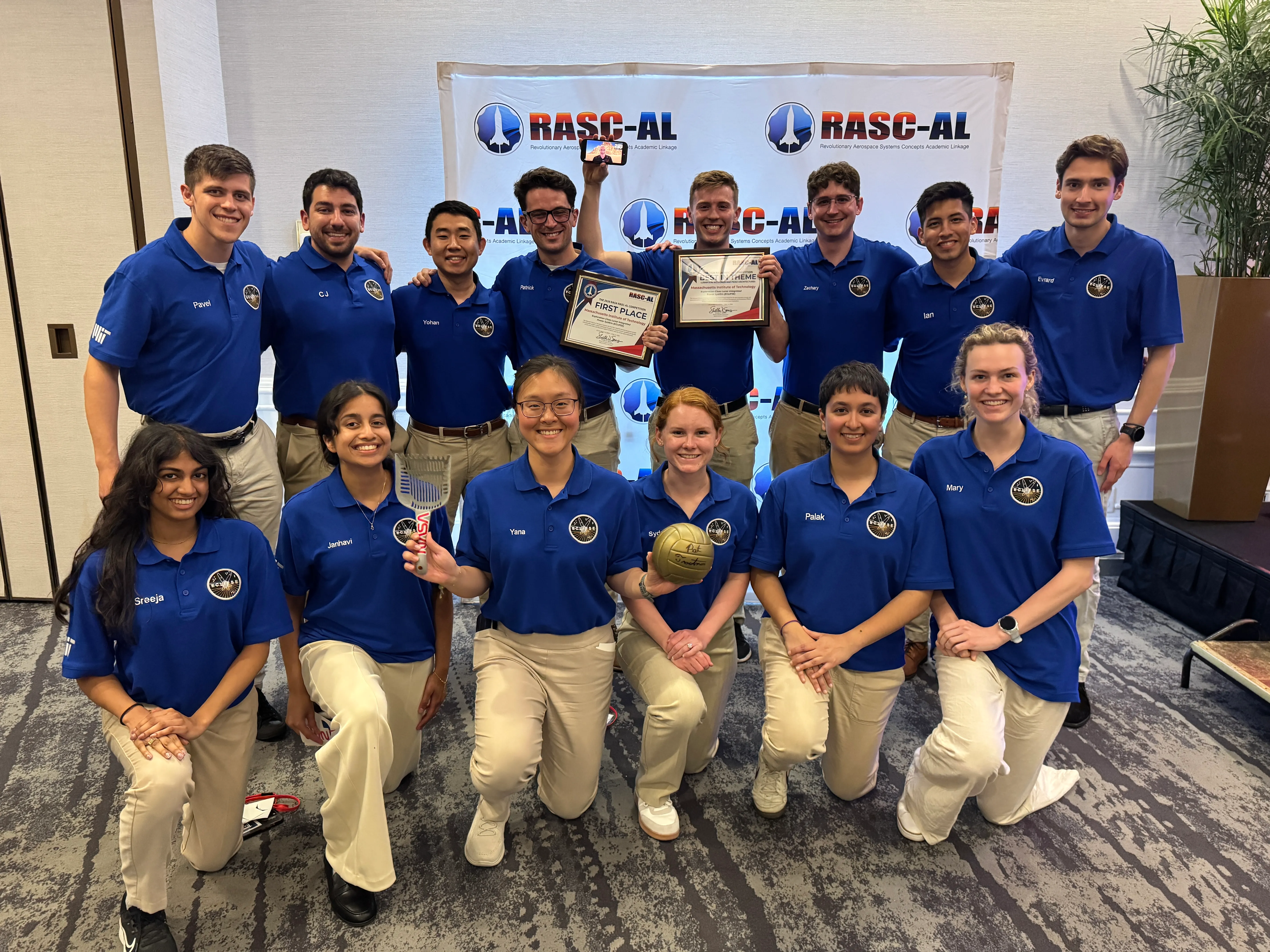
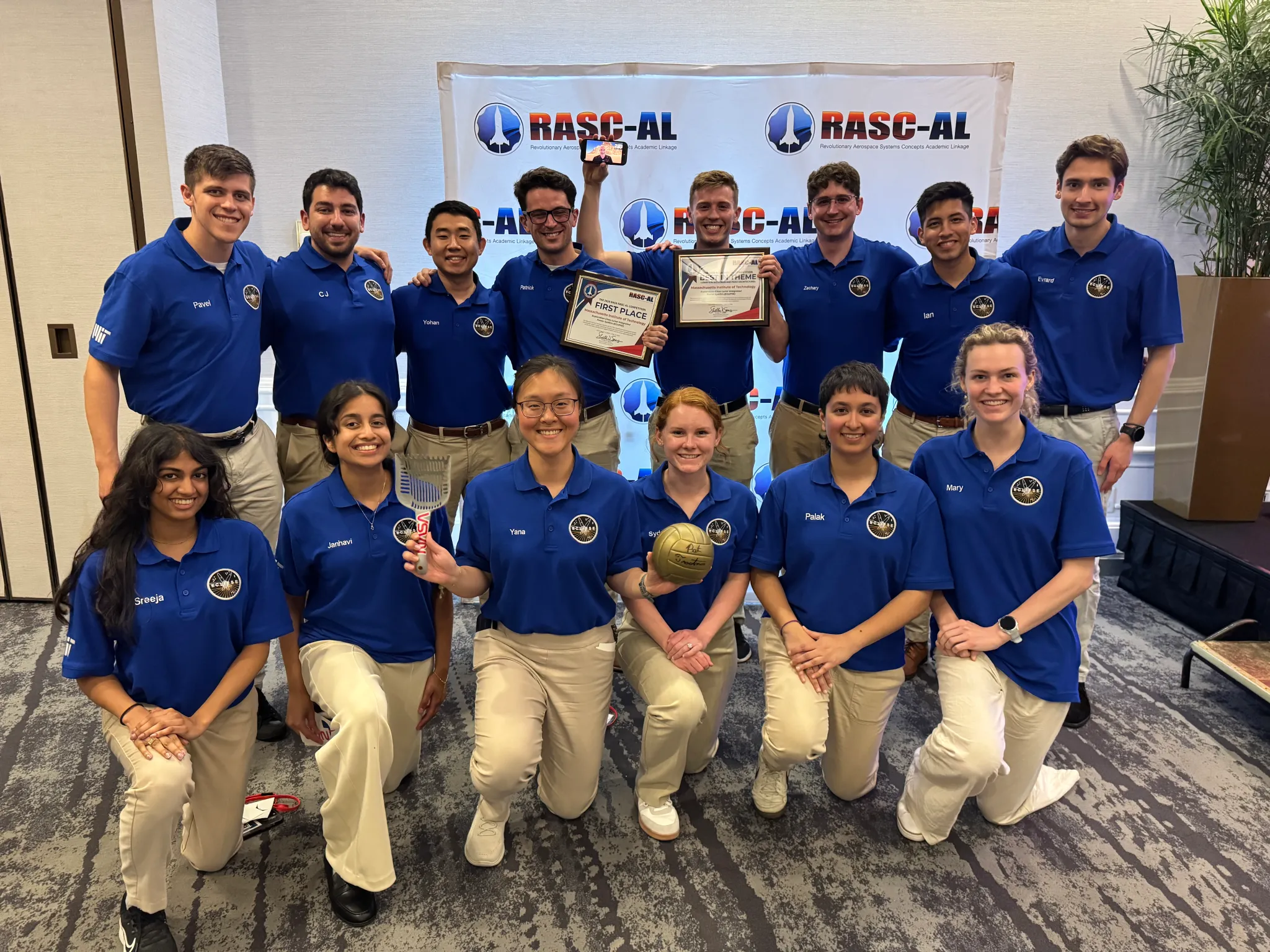
NASA announced MIT as the dominant force at its 2026 Revolutionary Aerospace Systems Concepts – Academic Linkage competition. The university's Exploration-Class Lunar Integrated Power SystEm (ECLIPSE) project took first place, while a second MIT team claimed second with their Mars Exploration Layered Infrastructure for Operations, Research, and Advancement (MELIORA) design.
Virginia Polytechnic Institute and State University rounded out the top three with the Mars Pylon Network.
The competition challenges university students to design system concepts and prototypes that address real gaps in aerospace technology. This year's 14 finalists presented at a multi-day forum in Cocoa Beach, Florida, delivering formal presentations on mission architectures, technology solutions, and supporting analysis.
Why These Projects Matter for Artemis
The winning projects aren't academic exercises. They target specific infrastructure problems NASA needs solved before astronauts can establish a sustained presence on the Moon and eventually reach Mars.
“These students are not just solving homework problems; they are architecting the literal power and communication grids that our astronauts will rely on at the lunar south pole.”
— Dr. Sarah Martinez, NASA STMD Program Manager
ECLIPSE addresses lunar surface power and power management. For Artemis missions targeting the lunar south pole, where extended periods of darkness make solar power unreliable, robust power distribution systems are essential.
Daniel Mazanek, program sponsor for RASC-AL and senior space systems engineer at NASA's Langley Research Center, said the winning teams showed how academic work can directly support Artemis goals.
“Their work highlights the important role student research plays in shaping future space exploration, and the results showcase how disciplined analysis can elevate innovative ideas into viable exploration concepts.”
— Daniel Mazanek, NASA Langley Research Center
Full Award List
Beyond the top three placements, NASA recognized excellence in specific technical categories:
- Best in Communications, Position, Navigation, and Time Architectures for Mars Surface Operations: MIT (MELIORA)
- Best in Lunar Sample Return Concept: South Dakota State University (SELENE)
- Best in Lunar Surface Power and Power Management: MIT (ECLIPSE)
Top prizes carried cash awards exceeding $10,000 intended for further prototype development.
The Competition Format
RASC-AL finalists don't just submit papers. They give formal presentations to NASA engineers and receive real-time feedback. The agency uses this format intentionally. It exposes students to the same scrutiny applied to human spaceflight concepts under active development.
Teams were evaluated on technical rigor, innovation, and mission alignment. The forum structure also serves NASA's workforce development goals. Students gain hands-on experience in mission architecture development, systems engineering, and technical communication, skills the agency needs in its future workforce.
MIT Dominance Sparks Debate
The results reignited a familiar discussion in aerospace circles. On Reddit's r/AerospaceEngineering, users debated whether MIT's sweep reflects superior work or reveals structural advantages that top-tier schools hold in these competitions.
Critics argue that schools with larger budgets, established aerospace programs, and NASA connections have inherent advantages in competitions requiring sophisticated prototypes and mission architecture documentation. Supporters counter that the judging criteria are public, and nothing stops other schools from assembling competitive teams.
The debate raises a practical question for NASA: does concentrating recognition on a handful of elite institutions limit the diversity of engineering perspectives the competition was designed to capture?
Logicity's Take
Frequently Asked Questions
What is NASA's RASC-AL competition?
The Revolutionary Aerospace Systems Concepts – Academic Linkage (RASC-AL) competition challenges university students to design mission architectures and prototypes addressing gaps in aerospace technology for NASA's Artemis and Mars programs.
What did the winning ECLIPSE project design?
ECLIPSE is a lunar integrated power system designed to address surface power and power management challenges for Artemis missions at the lunar south pole.
How many teams competed in RASC-AL 2026?
14 university teams reached the final round and presented at the forum in Cocoa Beach, Florida.
What prizes do RASC-AL winners receive?
Top teams receive cash awards exceeding $10,000 intended for further prototype development, plus recognition that can advance students' aerospace careers.
Need Help Implementing This?
Source: NASA
Manaal Khan
Tech & Innovation Writer
اقرأ أيضاً

رأي مغاير: كيف يؤثر اختراق الأمن الداخلي الأميركي على شركاتنا الخاصة؟
في ظل اختراق عقود الأمن الداخلي الأميركي مع شركات خاصة، نناقش تأثير هذا الاختراق على مستقبل الأمن السيبراني. نستعرض الإحصاءات الموثوقة ونناقش كيف يمكن للشركات الخاصة أن تتعامل مع هذا التهديد. استمتع بقراءة هذا التحليل العميق

الإنسان في زمن ما بعد الوجود البشري: نحو نظام للتعايش بين الإنسان والروبوت - Centre for Arab Unity Studies
في هذا المقال، سنناقش كيف يمكن للبشر والروبوتات التعايش في نظام متكامل. سنستعرض التحديات والحلول المحتملة التي تضعها شركات مثل جوجل وأمازون. كما سنلقي نظرة على التوقعات المستقبلية وفقًا لتقرير ماكنزي

إطلاق ناسا لمهمة مأهولة إلى القمر: خطوة تاريخية نحو استكشاف الفضاء
تعتبر المهمة الجديدة خطوة هامة نحو استكشاف الفضاء وتطوير التكنولوجيا. سوف تشمل المهمة إرسال رواد فضاء إلى سطح القمر لconducting تجارب علمية. ستسهم هذه المهمة في تطوير فهمنا للفضاء وتحسين التكنولوجيا المستخدمة في استكشاف الفضاء.