Jensen Huang's AI social norms pitch: just use it more
Key Takeaways
- Jensen Huang argues society must develop new social norms for AI, similar to how we adapted to automobiles
- His concrete advice for this norm shift: 'just go engage it' by using AI tools
- Critics point out that 'free' AI tiers are subsidized by energy costs, paid tiers, and inflated market valuations
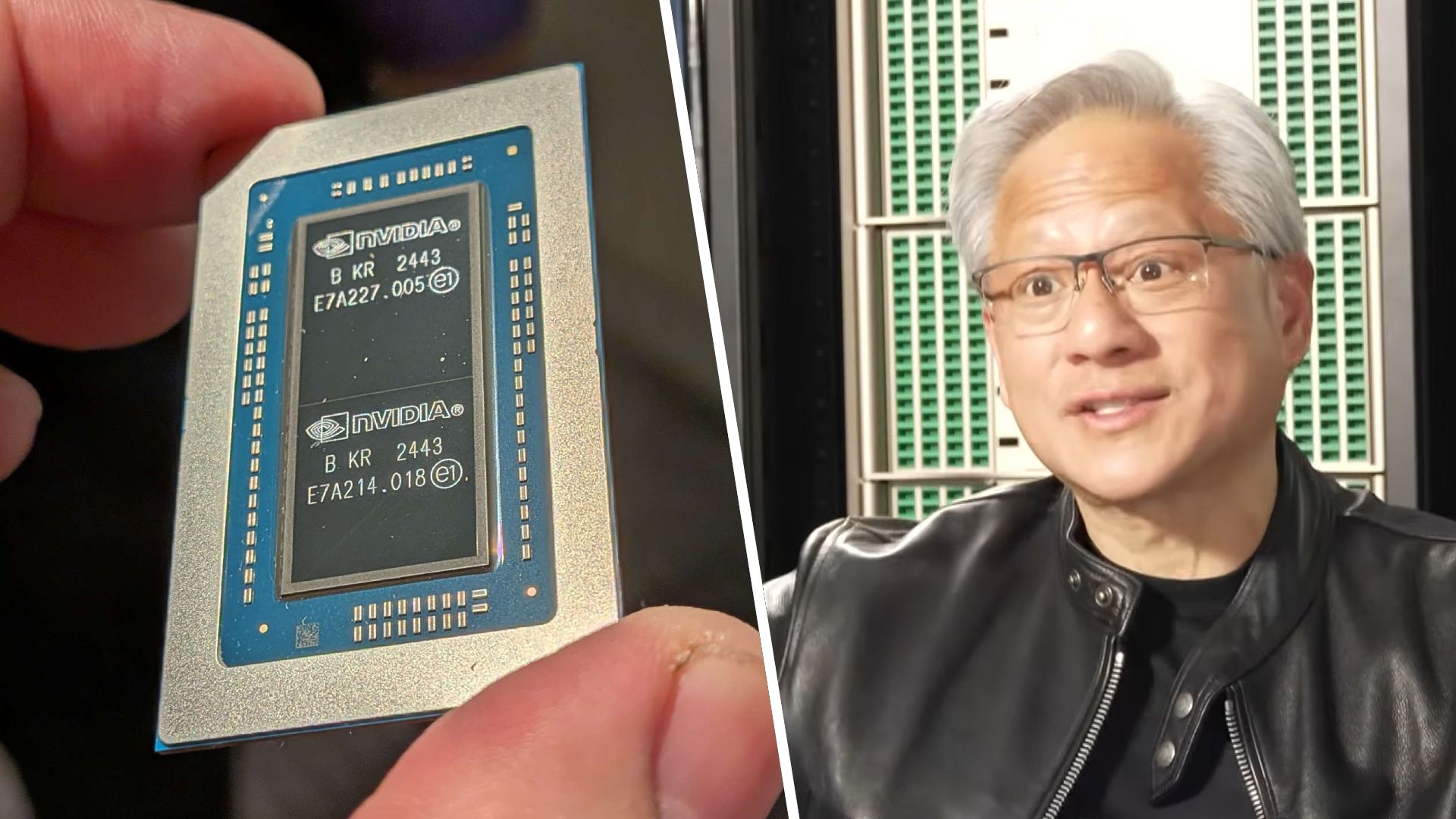
Nvidia CEO Jensen Huang wants society to develop new social norms around AI. His prescription for how to get there? Start using it. Speaking to the Associated Press from Computex Taiwan, Huang drew an analogy to the early automobile era and called for cultural adaptation rather than technological retreat. But when pressed for specifics, his answer felt notably thin.
"You have to deal with regulation, technology, you have to deal with social norms," Huang told the AP. He referenced how society once feared automobiles, particularly the danger they posed to children playing in streets. Over time, we developed speed limits, traffic laws, and taught kids to stay out of the road. Huang believes AI needs the same treatment.
What does Huang actually want people to do?
Here's where the pitch gets vague. When the AP asked what specific social norm should change for AI, Huang's answer was: "The first thing is that I would advocate that everybody use AI. Just go engage it."
That's not quite a social norm. It's a usage recommendation. The car analogy doesn't map cleanly here. Imagine someone in 1910 asking how society should adapt to automobiles, and the answer being "just drive more." Speed limits, licensing requirements, and traffic infrastructure weren't created by people simply using cars more often. They emerged from policy debates, accidents, and deliberate regulatory frameworks.
The 'free AI' claim doesn't hold up
Huang emphasized that AI is uniquely accessible because it's free and easy to use. On the surface, this is true. ChatGPT, Claude, Gemini, and dozens of other tools offer free tiers. But calling AI "free" ignores the hidden costs embedded in the technology.
Free tiers are subsidized by paid subscriptions, venture capital, and an AI market that critics say is overvalued. The infrastructure behind these tools consumes enormous amounts of electricity. Estimates suggest AI data centers could require 10x their current power consumption by 2030. That energy bill gets passed along somewhere, whether through higher cloud computing costs, increased electricity prices, or environmental externalities.
As PCGamer's Jacob Fox put it: "'Free' my arse." The bluntness is warranted. When the CEO of a company with a $3 trillion market cap tells people AI is free, he's omitting that his company profits handsomely from selling the GPUs that power it.
Is this about adoption anxiety?
There's a reasonable interpretation of Huang's comments that's less about societal philosophy and more about business reality. Nvidia sells picks and shovels in the AI gold rush. If people don't actually use AI products, demand for those products eventually dries up, and so does demand for Nvidia's hardware.
The current AI ecosystem has a structural quirk: Nvidia is extremely profitable, but many of its customers are not. Companies buying Nvidia's GPUs to build AI services are burning cash, hoping that consumer adoption catches up to their infrastructure investments. If it doesn't, the bubble deflates, and Nvidia's revenue follows.
Telling everyone to "just go engage it" reads differently through this lens. It's not just cultural advice. It's a plea for end-user adoption to validate the billions being poured into AI infrastructure.
The community isn't buying it
Online reaction to Huang's comments has been mixed. On Reddit's r/technology and Hacker News, some users appreciated the pragmatism of comparing AI to automobiles. Technology has always required social adaptation, and fighting it rarely works.
But skeptics questioned whether Huang would accept automobile-style regulations for AI. Speed limits, safety standards, mandatory insurance, licensed operators. Would Nvidia welcome an AI equivalent? The analogy invites comparisons that the tech industry might not like.
Others pointed to systemic risks that "just use it" can't address: mass job displacement, data privacy erosion, misinformation at scale. These aren't problems solved by increased adoption. If anything, adoption amplifies them.
What social norms actually look like
The automobile comparison is instructive, but not in the way Huang intends. Cars required decades of norm-building: pedestrian right-of-way rules, crosswalks, jaywalking laws (themselves a product of auto industry lobbying), drunk driving penalties, seatbelt mandates. None of these emerged from people simply driving more.
If we take the analogy seriously, AI norms would include things like disclosure requirements for AI-generated content, liability frameworks for AI decisions, worker protections for those displaced by automation, and energy efficiency standards for AI infrastructure. These require deliberate policy, not just engagement.
Huang's framing puts the burden on individuals to adapt rather than on companies to build responsibly. That's a convenient position for someone whose business depends on rapid, uncritical adoption.
Logicity's Take
Huang's car analogy is half-right. Society did adapt to automobiles through new norms. But those norms included speed limits, safety standards, and liability rules, all things that constrained manufacturers. If AI follows the same path, Nvidia and its customers may face regulations they're not eager to embrace. The "just engage it" advice sounds like a request to normalize AI before those constraints arrive.
Frequently Asked Questions
What did Jensen Huang say about AI social norms?
Huang told the Associated Press that society needs to develop new social norms for AI, similar to how we adapted to automobiles. His specific advice was for everyone to 'just go engage it' by using AI tools.
Why is Huang's car analogy controversial?
Critics note that automobile adaptation required speed limits, safety standards, and licensing, not just increased driving. If applied to AI, this logic would suggest regulations that tech companies may resist.
Is AI actually free to use?
Free tiers exist, but they're subsidized by paid subscriptions, venture capital, and massive energy consumption. AI data centers may require 10x current power by 2030, costs that get passed along indirectly.
Why would Nvidia want more people using AI?
Nvidia sells the GPUs that power AI systems. If consumer adoption stalls, demand for AI infrastructure drops, which would eventually hurt Nvidia's revenue even though the company is currently highly profitable.
Another look at how AI behavior is being tuned in gaming
Need Help Implementing This?
If you're navigating AI adoption for your organization and need guidance on policy, infrastructure, or responsible deployment, reach out to Logicity's editorial team for expert perspectives and vendor-neutral analysis.
Source: PCGamer latest
Manaal Khan
Tech & Innovation Writer
اقرأ أيضاً

رأي مغاير: كيف يؤثر اختراق الأمن الداخلي الأميركي على شركاتنا الخاصة؟
في ظل اختراق عقود الأمن الداخلي الأميركي مع شركات خاصة، نناقش تأثير هذا الاختراق على مستقبل الأمن السيبراني. نستعرض الإحصاءات الموثوقة ونناقش كيف يمكن للشركات الخاصة أن تتعامل مع هذا التهديد. استمتع بقراءة هذا التحليل العميق

الإنسان في زمن ما بعد الوجود البشري: نحو نظام للتعايش بين الإنسان والروبوت - Centre for Arab Unity Studies
في هذا المقال، سنناقش كيف يمكن للبشر والروبوتات التعايش في نظام متكامل. سنستعرض التحديات والحلول المحتملة التي تضعها شركات مثل جوجل وأمازون. كما سنلقي نظرة على التوقعات المستقبلية وفقًا لتقرير ماكنزي

إطلاق ناسا لمهمة مأهولة إلى القمر: خطوة تاريخية نحو استكشاف الفضاء
تعتبر المهمة الجديدة خطوة هامة نحو استكشاف الفضاء وتطوير التكنولوجيا. سوف تشمل المهمة إرسال رواد فضاء إلى سطح القمر لconducting تجارب علمية. ستسهم هذه المهمة في تطوير فهمنا للفضاء وتحسين التكنولوجيا المستخدمة في استكشاف الفضاء.