Intel 8086 Turns 47: The 'Stopgap' Chip That Built x86
Key Takeaways
- The Intel 8086, released June 8, 1978, was designed in 18 months as a placeholder while Intel's 32-bit iAPX 432 project was delayed
- A team of just four engineers and 12 layout designers built the chip that would define PC architecture for half a century
- The x86 architecture survived not because it was the best design, but because backward compatibility created software inertia that competitors couldn't overcome
A Rushed Project That Changed Everything
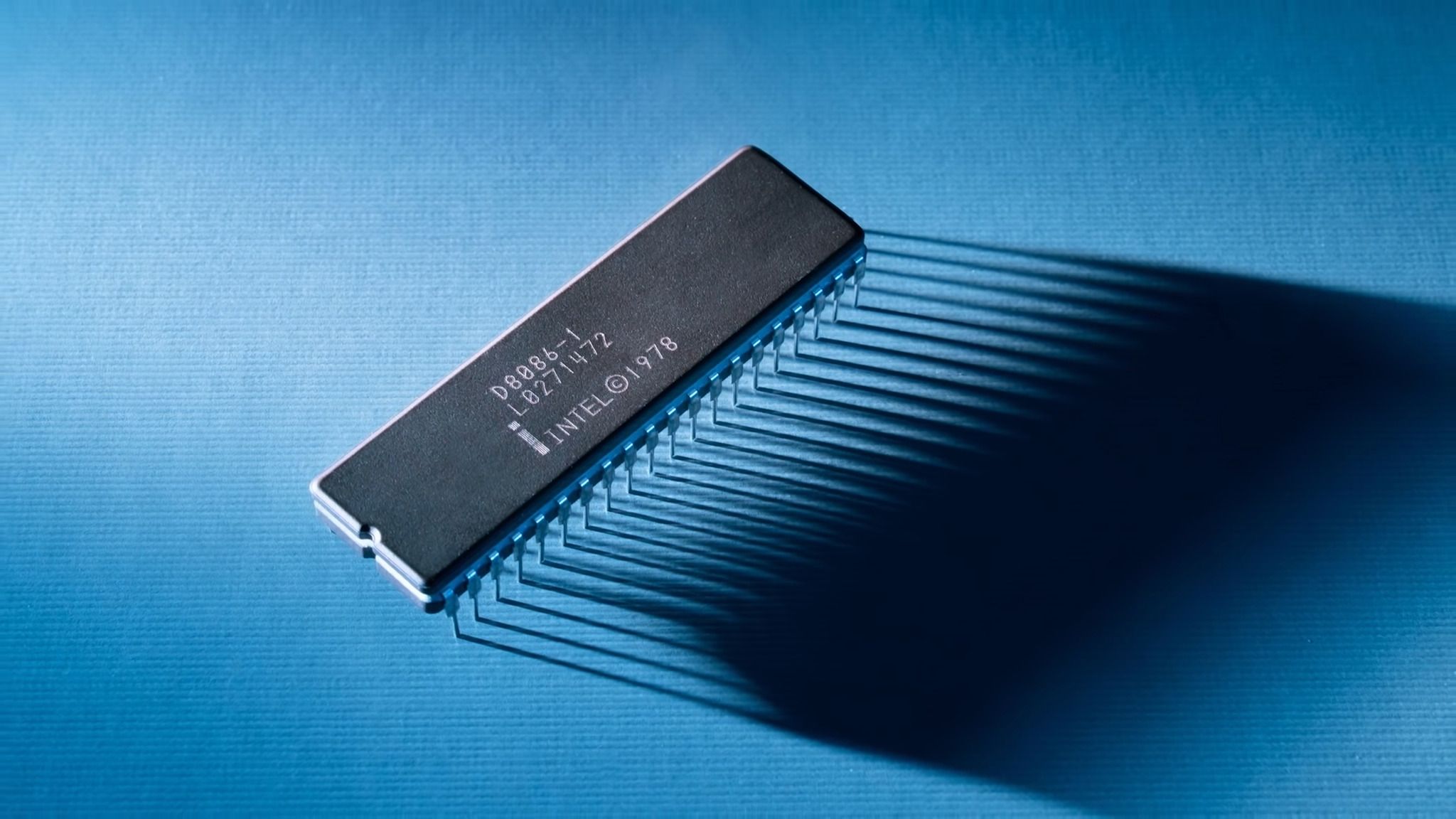
Forty-seven years ago today, Intel introduced what would become the most consequential processor in PC history. The Intel 8086, a 16-bit microprocessor, launched on June 8, 1978. It was never supposed to be important.
Intel had bigger plans. The company was working on the iAPX 432, a clean-sheet 32-bit processor that represented the future of computing. But the 432 was running late. Intel needed something to compete with upcoming 16-bit designs from Motorola and Zilog. The 8086 was that something: a practical, ship-it-now alternative built in 18 months.
“The question was not 'What features do we have space for?' but 'What features do we want in order to make the software more efficient?”
— Stephen P. Morse, Principal Architect of the 8086
Stephen P. Morse led a small team of four engineers and 12 layout designers to create the chip. The tight deadline forced pragmatic choices. Rather than designing from scratch, they made the 8086 backward-compatible with Intel's existing 8-bit processors: the 8008, 8080, and 8085. This decision would prove more important than anyone realized at the time.
The Hardware Inside
The 8086 packed roughly 29,000 transistors into a 33mm² chip. Intel manufactured it using HMOS (High performance MOS), a process originally developed for fast static RAM. The minimum feature size was 3.2 micrometers. Over its lifetime, the chip shipped at clock speeds ranging from 5 to 10 MHz.
Notable improvements over earlier Intel processors included microcode for multiply and divide instructions. The 40-pin package became a workhorse of early personal computing.
The iAPX 432: Intel's Forgotten Flagship
While the 8086 shipped and sold, Intel kept working on the iAPX 432. The chip finally arrived in 1981. It was too expensive. Too complex. And, fatally, too slow. The 432 failed in the market while its stopgap replacement conquered it.
“Any bright engineer could have designed the processor. It would probably have had a radically different instruction set, but all PCs today would be based on that architecture instead.”
— Stephen P. Morse, on the accidental nature of the 8086's dominance
Morse's observation cuts to the heart of computing history's randomness. The x86 instruction set that powers most computers today exists because of scheduling delays on a different project.
How the 8086 Won Through Software Inertia
The 8086's backward compatibility with 8080 software gave it an early advantage. Developers could port existing code. Businesses could protect their software investments. This created what historians call "software inertia."
In 1979, Intel released the 8088, a variant of the 8086 with an 8-bit external bus. IBM chose the 8088 for its first PC in 1981. That single decision cemented x86 as the standard architecture. Every subsequent Intel processor, from the 80286 to the 80386 to the 80486, maintained backward compatibility.
The "Wintel" alliance between Windows and Intel grew from this foundation. PC compatibles became the default choice for productivity, home computing, and gaming. Competitors with technically superior architectures couldn't overcome the installed base of x86 software.
The Legacy of Technical Debt
Hardware enthusiasts often describe x86 as a monument to technical debt. The architecture carries design decisions from 1978 that made sense for a rushed project but became permanent fixtures of computing. Every modern Intel and AMD processor still supports instructions from the original 8086.
Online communities, particularly on Reddit's r/hardware and r/programming forums, frequently discuss the irony. A rushed product built from compromise created the most successful processor architecture in history. The supposedly perfect iAPX 432 is a footnote.
Anniversary Celebrations and What's Next
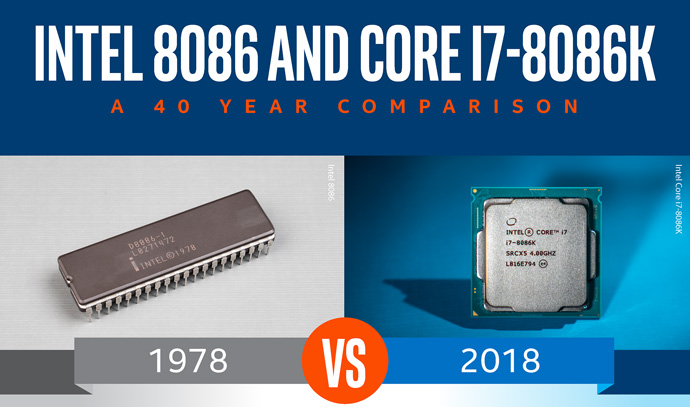
Intel marked the 40th anniversary in 2018 with the Core i7-8086K, a special edition processor. The naming paid tribute to the original chip. The 8086K's 5.0 GHz boost clock echoed the original's 5 MHz speed, a thousand-fold increase in four decades.
The 50th anniversary arrives in 2028. Industry watchers expect Intel to release another commemorative chip. What form that tribute takes remains to be seen.
Logicity's Take
Frequently Asked Questions
Why was the Intel 8086 created?
Intel designed the 8086 as a stopgap product to compete with 16-bit chips from Motorola and Zilog while its ambitious iAPX 432 project ran behind schedule.
How many transistors did the Intel 8086 have?
The Intel 8086 contained approximately 29,000 transistors, manufactured on a 3.2 micrometer process with a die size of 33mm².
Why did x86 become the dominant PC architecture?
IBM chose the 8088 (an 8086 variant) for its first PC in 1981. This, combined with backward compatibility that protected software investments, created software inertia that competitors couldn't overcome.
What happened to Intel's iAPX 432?
The iAPX 432 shipped in 1981, three years after the 8086. It failed commercially because it was too expensive, too complex, and too slow compared to existing alternatives.
How did Intel celebrate the 8086's 40th anniversary?
Intel released the Core i7-8086K in 2018, a special edition processor with a 5.0 GHz boost clock that echoed the original chip's 5 MHz speed.
For more on the evolution of processor and memory technology
Need Help Implementing This?
Source: Latest from Tom's Hardware
Huma Shazia
Senior AI & Tech Writer
اقرأ أيضاً

رأي مغاير: كيف يؤثر اختراق الأمن الداخلي الأميركي على شركاتنا الخاصة؟
في ظل اختراق عقود الأمن الداخلي الأميركي مع شركات خاصة، نناقش تأثير هذا الاختراق على مستقبل الأمن السيبراني. نستعرض الإحصاءات الموثوقة ونناقش كيف يمكن للشركات الخاصة أن تتعامل مع هذا التهديد. استمتع بقراءة هذا التحليل العميق

الإنسان في زمن ما بعد الوجود البشري: نحو نظام للتعايش بين الإنسان والروبوت - Centre for Arab Unity Studies
في هذا المقال، سنناقش كيف يمكن للبشر والروبوتات التعايش في نظام متكامل. سنستعرض التحديات والحلول المحتملة التي تضعها شركات مثل جوجل وأمازون. كما سنلقي نظرة على التوقعات المستقبلية وفقًا لتقرير ماكنزي

إطلاق ناسا لمهمة مأهولة إلى القمر: خطوة تاريخية نحو استكشاف الفضاء
تعتبر المهمة الجديدة خطوة هامة نحو استكشاف الفضاء وتطوير التكنولوجيا. سوف تشمل المهمة إرسال رواد فضاء إلى سطح القمر لconducting تجارب علمية. ستسهم هذه المهمة في تطوير فهمنا للفضاء وتحسين التكنولوجيا المستخدمة في استكشاف الفضاء.