How Vesemir's Death Scene Taught CD Projekt Quest Design
Key Takeaways
- Sasko's pitch to kill Vesemir was met with 'wide eyes and silence' from the dev team
- The scene required multiple failed prototypes before the emotional beats worked
- This experience directly influenced the tragic narrative moments in Cyberpunk 2077 and Phantom Liberty
The Pitch That Silenced the Room
Spoilers for The Witcher 3 follow. If you haven't played the 2015 RPG yet, consider this your warning.
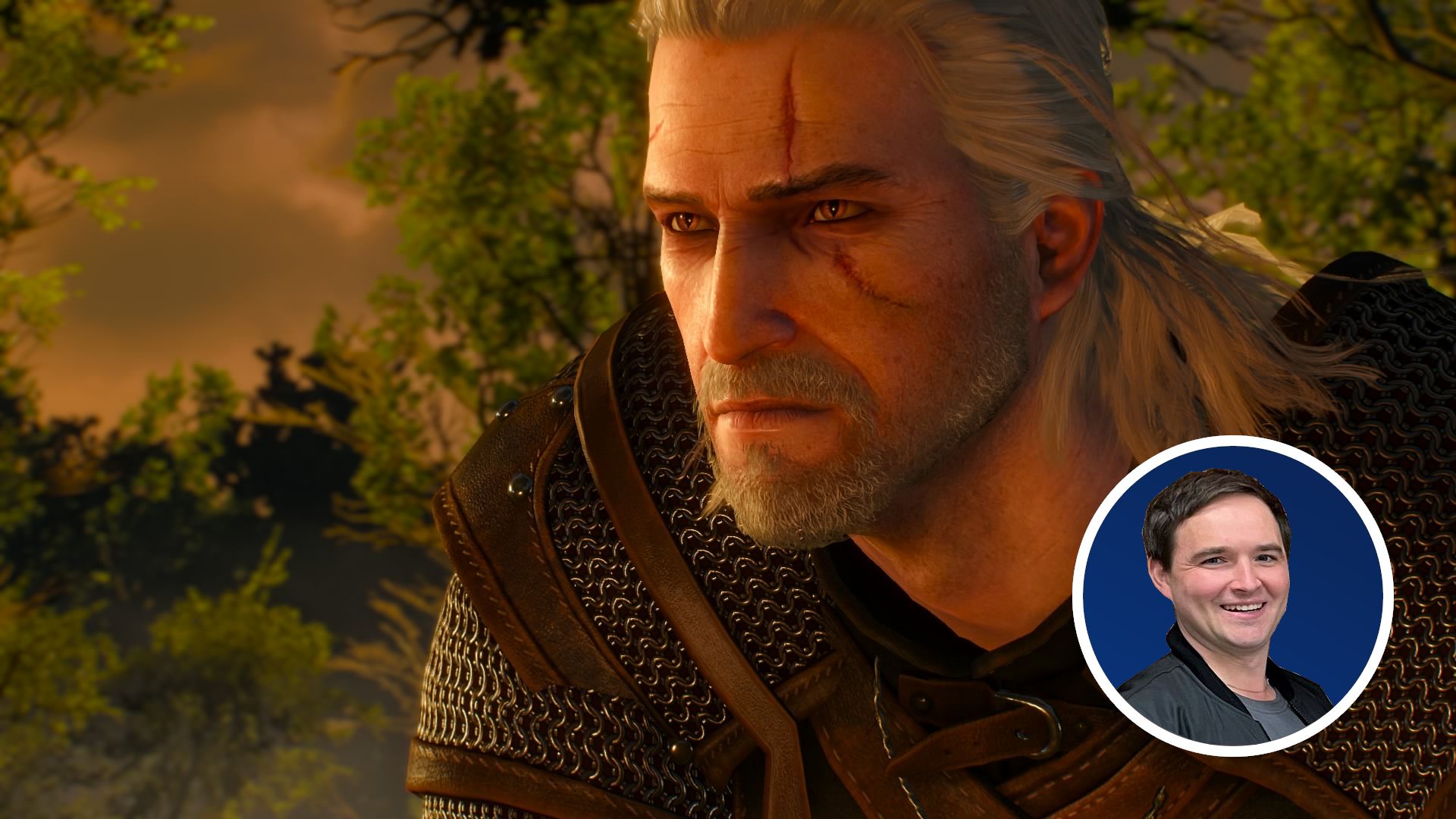
Paweł Sasko, lead quest designer on The Witcher 3 and current associate game director on Cyberpunk 2, shared a behind-the-scenes look at one of the game's most devastating moments. When he first suggested killing Vesemir during the Battle of Kaer Morhen, his colleagues didn't push back or debate. They went silent.
“The reaction I got was wide eyes and silence.”
— Paweł Sasko on X
For players who experienced the scene, that reaction makes sense. Vesemir is the Wolf School's master, a father figure to Geralt and his fellow witchers. After hours of searching for Ciri across Velen, Novigrad, and Skellige, players finally get a breather at Kaer Morhen. You squabble with Yennefer, trade stories with Eskel, compose poetry with Lambert. Then the Wild Hunt arrives and kills the old witcher who held everyone together.
Why the Scene Had to Happen
The team's emotional resistance eventually gave way to narrative logic. Sasko explained that Vesemir's death serves a specific structural purpose: it triggers Ciri's emotional explosion that throws back the Wild Hunt.
The developers concluded that "the weight of Vesemir's death is exactly what the act needs. Ciri's outburst, the moment she throws the Wild Hunt back, requires that the floor fall out from under her first."
This is a core principle of dramatic writing. Big emotional payoffs require equally big emotional investments. You can't earn Ciri's desperate power surge without making players feel genuine loss first.
The Technical Struggle Behind the Scene
Knowing the scene needed to happen was one thing. Making it work was another. Sasko detailed the prototyping process, and it wasn't smooth.
"I prototype meteors, rifts opening in the forest, Wild Hunt pouring out of them, the ride back to the keep on horseback," Sasko wrote. "So much of it does not work. Technical issues. The quest flow is unclear. Review feedback I get is negative, so I rebuild."
This is the unglamorous reality of game development. The finished product feels inevitable, but it emerged from dozens of failed attempts. The spectacle elements, the environmental storytelling, the pacing, each piece had to be tested and rebuilt until they clicked.
Learning the Craft Through Failure
What makes Sasko's account valuable isn't just the behind-the-scenes trivia. It's his observation about how skills develop through iteration.
"Pieces start to hold. I begin to see why something works and why the thing next to it does not. Through repetition I truly start understanding the craft."
This tracks with how expertise develops in any creative field. Pattern recognition comes from seeing enough failures. You learn what works by experiencing what doesn't. The Vesemir scene forced Sasko through enough iterations that the underlying principles became visible.
How This Shaped Cyberpunk 2077
Sasko went on to be lead quest designer on Cyberpunk 2077 and quest director on its Phantom Liberty expansion. Both games are packed with tragic moments and impossible choices, the kind of narrative gut-punches that made the Vesemir scene memorable.
The connection isn't subtle. If designing Vesemir's death is when Sasko started understanding narrative quest craft, it explains why his later work leans so heavily on emotional devastation. He learned the tools by building one of gaming's most effective sad scenes. Of course he kept using them.
Despite the emotional weight of the work, Sasko describes the development period fondly. "I was having the time of my life," he wrote. "Designers are showing each other ideas in the team room. Someone solves a problem, someone else builds on top of it, someone else innovates and iterates. We are playing. We are putting cool things into a game we love."
Logicity's Take
What This Means for Cyberpunk 2
Sasko is now associate game director on Cyberpunk 2, the sequel currently in development at CD Projekt. If his design philosophy holds, players should expect plenty of emotional sucker punches.
The Witcher 3 established CD Projekt's reputation for narrative RPGs with real stakes. Vesemir's death was a turning point in that reputation. Knowing the scene was built through painful iteration, by a designer learning his craft in real-time, adds context to what followed.
Frequently Asked Questions
Why did CD Projekt kill Vesemir in The Witcher 3?
The developers determined that Ciri's emotional outburst against the Wild Hunt needed a devastating trigger. Vesemir's death provides the emotional weight that makes her power surge feel earned.
Who is Paweł Sasko?
Sasko was lead quest designer on The Witcher 3, lead quest designer on Cyberpunk 2077, quest director on Phantom Liberty, and is currently associate game director on Cyberpunk 2.
What problems did CD Projekt face when designing the Vesemir death scene?
Sasko described technical issues with prototyped elements like meteors and rifts, unclear quest flow, and negative review feedback that forced multiple rebuilds.
When did the Battle of Kaer Morhen happen in The Witcher 3?
The battle occurs in Act 2 of The Witcher 3: Wild Hunt, after Geralt has tracked Ciri across Velen, Novigrad, and Skellige and brought her back to the witcher fortress.
Is Cyberpunk 2 in development?
Yes. CD Projekt has confirmed Cyberpunk 2 (codenamed 'Orion') is in development with Paweł Sasko as associate game director.
Need Help Implementing This?
Source: PCGamer latest
Huma Shazia
Senior AI & Tech Writer
اقرأ أيضاً

رأي مغاير: كيف يؤثر اختراق الأمن الداخلي الأميركي على شركاتنا الخاصة؟
في ظل اختراق عقود الأمن الداخلي الأميركي مع شركات خاصة، نناقش تأثير هذا الاختراق على مستقبل الأمن السيبراني. نستعرض الإحصاءات الموثوقة ونناقش كيف يمكن للشركات الخاصة أن تتعامل مع هذا التهديد. استمتع بقراءة هذا التحليل العميق

الإنسان في زمن ما بعد الوجود البشري: نحو نظام للتعايش بين الإنسان والروبوت - Centre for Arab Unity Studies
في هذا المقال، سنناقش كيف يمكن للبشر والروبوتات التعايش في نظام متكامل. سنستعرض التحديات والحلول المحتملة التي تضعها شركات مثل جوجل وأمازون. كما سنلقي نظرة على التوقعات المستقبلية وفقًا لتقرير ماكنزي

إطلاق ناسا لمهمة مأهولة إلى القمر: خطوة تاريخية نحو استكشاف الفضاء
تعتبر المهمة الجديدة خطوة هامة نحو استكشاف الفضاء وتطوير التكنولوجيا. سوف تشمل المهمة إرسال رواد فضاء إلى سطح القمر لconducting تجارب علمية. ستسهم هذه المهمة في تطوير فهمنا للفضاء وتحسين التكنولوجيا المستخدمة في استكشاف الفضاء.