How to See the Lunar X and V Tonight
Key Takeaways
- The lunar X and V will be visible from 6 p.m. EDT on May 23 through early May 24
- You'll need binoculars or a small telescope to see the shapes clearly
- Three craters combine to form the X: Purbach, Blanchinus, and La Caille
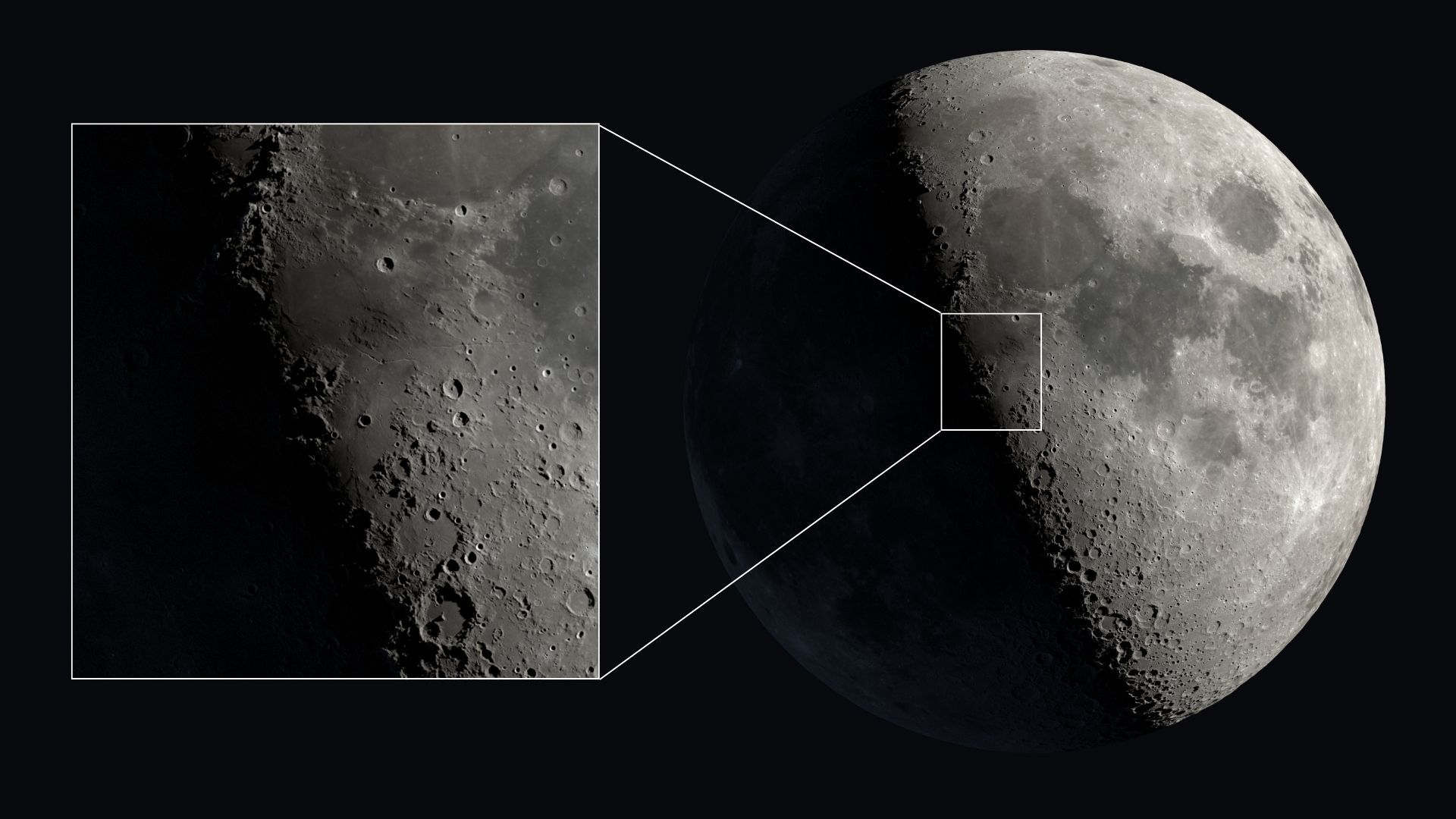
Tonight, the moon will display two massive letter shapes. A giant X and a V will appear on its surface, visible to anyone with binoculars or a small telescope. The effect happens when sunlight catches the broken rims of craters along the line separating lunar day from night.
This optical illusion is called a clair-obscur effect. The name comes from the French words for light (clair) and shadow (obscur). It occurs because the sun's low angle illuminates high-altitude crater rims while leaving the surrounding crater floors in deep shadow.
When to Watch
Both shapes will be most visible from 6 p.m. EDT (2200 GMT) on May 23 through the early hours of May 24. The window lasts about four hours. After that, the changing solar angle softens the contrast and the letters fade.
The moon will be at its first quarter phase, with the right half lit by direct sunlight and the left hidden in shadow. Look for the X and V close to the terminator, the line separating lunar night from day.
“It is a beautiful example of how the sun's low angle can transform familiar craters into striking, temporary letters etched in light against the lunar darkness.”
— Dr. Sarah Arnett, Lunar Surface Specialist
Where to Find the V
The lunar V appears close to the terminator between two lunar seas: Sinus Medii and Mare Vaporum. It sits about 10 degrees above the lunar equator. The shape forms where sunlight glances off the rim of Ukart crater, along with other pieces of broken terrain and small impact sites.
Where to Find the X
Follow the terminator down to a point 25 degrees below the lunar equator. There you'll find the X, formed from the broken rims of three impact sites: Purbach, Blanchinus, and La Caille. These crater walls catch the sun at just the right angle to create the letter shape.
What You'll Need
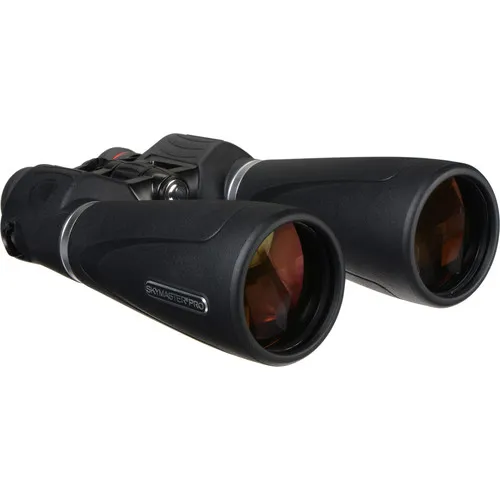
The X and V are too small to see with the naked eye. You'll need binoculars or a small telescope. For binoculars, 15x magnification with 70mm objective lenses will deliver sharp contrast along the terminator. Use a tripod for steady views. Handheld binoculars shake too much at high magnification.
If you want to photograph the effect, the same equipment works. A smartphone held up to the eyepiece of a telescope can capture decent images. For better results, a camera with a telephoto lens or one attached to a telescope mount will give you sharper shots.
Why This Happens
The face of the moon never looks the same from one night to the next. As the angle between the moon and sun shifts, sunlight sweeps across the lunar surface. This changes the shadows cast by craters, mountain ranges, and ravines.
Our brains are wired to find familiar shapes in random patterns. The heavily cratered lunar landscape gives us plenty of material to work with. The X and V are just two of many clair-obscur effects observers have catalogued over the centuries.
Community Tips
Stargazing communities on Reddit are preparing for tonight's event. Users on r/astrophotography are sharing tips: use a steady tripod, focus carefully, and catch the effect before the moon rises too high. As the moon climbs, the shadow contrast softens and the letters become harder to see.
Logicity's Take
This is one of the most accessible astronomy events of the year. You don't need expensive equipment, clear skies, or rural darkness. Just binoculars, a first quarter moon, and a free evening. If you've been looking for a reason to dust off that old telescope, tonight's the night.
Frequently Asked Questions
Can I see the lunar X and V with the naked eye?
No. The shapes are too small. You'll need binoculars with at least 10x magnification or a small telescope.
How often does the lunar X appear?
The lunar X appears once per lunar cycle, around the first quarter moon. That's roughly once a month, though visibility depends on your location and weather.
What time zone is the 6 p.m. viewing window in?
The peak visibility starts at 6 p.m. EDT (Eastern Daylight Time) on May 23, which is 2200 GMT. Convert to your local time zone accordingly.
Can I photograph the lunar X with my phone?
Yes, but you'll get better results by holding your phone camera to the eyepiece of a telescope. Direct phone photos without magnification won't show the detail.
Need Help Implementing This?
Planning a company stargazing event or looking for team-building activities with a scientific twist? Reach out to the Logicity team for ideas on incorporating astronomy and science education into your corporate programming.
Source: Latest from Space.com
Huma Shazia
Senior AI & Tech Writer
اقرأ أيضاً

رأي مغاير: كيف يؤثر اختراق الأمن الداخلي الأميركي على شركاتنا الخاصة؟
في ظل اختراق عقود الأمن الداخلي الأميركي مع شركات خاصة، نناقش تأثير هذا الاختراق على مستقبل الأمن السيبراني. نستعرض الإحصاءات الموثوقة ونناقش كيف يمكن للشركات الخاصة أن تتعامل مع هذا التهديد. استمتع بقراءة هذا التحليل العميق

الإنسان في زمن ما بعد الوجود البشري: نحو نظام للتعايش بين الإنسان والروبوت - Centre for Arab Unity Studies
في هذا المقال، سنناقش كيف يمكن للبشر والروبوتات التعايش في نظام متكامل. سنستعرض التحديات والحلول المحتملة التي تضعها شركات مثل جوجل وأمازون. كما سنلقي نظرة على التوقعات المستقبلية وفقًا لتقرير ماكنزي

إطلاق ناسا لمهمة مأهولة إلى القمر: خطوة تاريخية نحو استكشاف الفضاء
تعتبر المهمة الجديدة خطوة هامة نحو استكشاف الفضاء وتطوير التكنولوجيا. سوف تشمل المهمة إرسال رواد فضاء إلى سطح القمر لconducting تجارب علمية. ستسهم هذه المهمة في تطوير فهمنا للفضاء وتحسين التكنولوجيا المستخدمة في استكشاف الفضاء.