Honor X80 Pro Max Leak Points to 11,000mAh Battery
Key Takeaways
- The Honor X80 Pro Max may pack an 11,000mAh battery with 90W fast charging
- The device is rumored to feature a 6.8-inch flat AMOLED display at 2788 x 1280 pixels
- Snapdragon 6 Gen 5 chipset expected to power both X80 and X80 Pro Max variants
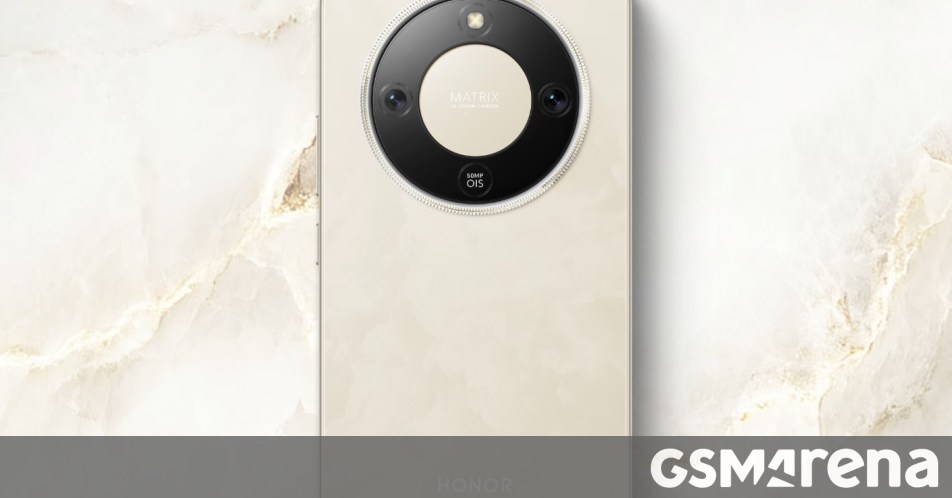
Honor may be preparing to push smartphone battery capacity into new territory. A leak from prolific tipster Digital Chat Station suggests the company is working on an X80 Pro Max variant with an 11,000mAh battery. If accurate, this would represent one of the largest batteries ever fitted into a mainstream smartphone.
The leak, shared on Weibo, does not include a launch timeline. However, the standard Honor X80 is rumored to arrive in China later this month, which could place the Pro Max variant on a similar schedule.
What the Leak Reveals
According to Digital Chat Station, the Honor X80 Pro Max will pair its massive battery with 90W fast charging. The combination addresses a common concern with large batteries: refill time. At 90W, users could expect a full charge in roughly the same time it takes to charge phones with half the capacity.
The display is said to be a 6.8-inch flat AMOLED panel with slim bezels and rounded corners. Resolution sits at 2788 x 1280 pixels, which works out to a taller-than-standard aspect ratio common in recent Honor devices.
Under the hood, the Snapdragon 6 Gen 5 chipset is expected to handle processing duties. This chip also appears in leaks for the standard X80, suggesting Honor is standardizing on Qualcomm's mid-range silicon across the lineup.
Additional Features
The leak mentions several durability features for the X80 Pro Max:
- Full water resistance (IP rating not specified)
- Drop-resistant design
- Flagship-level biometric authentication
These additions suggest Honor is positioning the Pro Max as a practical workhorse rather than a fragile flagship. The emphasis on durability makes sense for a phone this size. A device built around a massive battery needs to withstand the everyday abuse that comes with being carried everywhere.
How It Compares to the Standard X80
The standard Honor X80 is also rumored to feature the Snapdragon 6 Gen 5 and a 6.8-inch AMOLED display. The main difference appears to be battery capacity. The X80 is expected to carry a 10,000mAh cell, which is still enormous by industry standards but falls 1,000mAh short of the Pro Max.
| Spec | Honor X80 | Honor X80 Pro Max |
|---|---|---|
| Battery | 10,000mAh | 11,000mAh |
| Charging | TBD | 90W |
| Display | 6.8-inch AMOLED | 6.8-inch flat AMOLED |
| Resolution | TBD | 2788 x 1280 |
| Chipset | Snapdragon 6 Gen 5 | Snapdragon 6 Gen 5 |
The Battery Endurance Trend
Honor has been pushing battery capacity aggressively in recent releases. The company has invested in silicon-carbon battery technology, which allows higher energy density without proportional increases in size and weight. This tech lets manufacturers fit larger batteries into chassis that remain reasonably thin.
The strategy targets what the industry calls "battery anxiety." Users increasingly rely on their phones for everything from navigation to mobile payments. Running out of power has real consequences. A phone that genuinely lasts two days on a single charge solves a problem that faster processors and better cameras don't.
“The era of the 'two-day phone' is finally here, and Honor is leading the charge by pushing battery density to levels we once thought impossible for a handheld device.”
— Tech Analyst, Industry Insider
Community Response
Online discussion has been mixed but engaged. Some users question whether an 11,000mAh battery will make the phone uncomfortably heavy. Others welcome the shift away from the "thinness at all costs" approach that has dominated flagship design for years.
The real question is whether this capacity becomes a new baseline for competitors. If Honor proves that buyers will accept a slightly heavier phone for dramatically better battery life, Samsung, Xiaomi, and others may follow.
Logicity's Take
Frequently Asked Questions
When will the Honor X80 Pro Max launch?
No launch date has been confirmed. The standard Honor X80 is rumored to launch in China later this month, which could provide a timing clue for the Pro Max.
How long will the 11,000mAh battery last?
Exact battery life depends on usage patterns and display brightness. However, a battery this size could realistically deliver two full days of moderate use on a single charge.
What chipset will the Honor X80 Pro Max use?
The leak indicates the Snapdragon 6 Gen 5, a mid-range Qualcomm processor that balances performance with power efficiency.
Will the Honor X80 Pro Max be available outside China?
No international availability has been confirmed. Honor typically launches devices in China first before expanding to other markets.
How heavy will the Honor X80 Pro Max be?
Weight has not been leaked. A battery this size will add mass, though silicon-carbon technology helps minimize the increase compared to traditional lithium-ion cells.
See what Apple is prioritizing in its latest mobile software update
Another mid-range smartphone update worth watching
Need Help Implementing This?
Source: GSMArena.com / Siddharth
Manaal Khan
Tech & Innovation Writer
اقرأ أيضاً

رأي مغاير: كيف يؤثر اختراق الأمن الداخلي الأميركي على شركاتنا الخاصة؟
في ظل اختراق عقود الأمن الداخلي الأميركي مع شركات خاصة، نناقش تأثير هذا الاختراق على مستقبل الأمن السيبراني. نستعرض الإحصاءات الموثوقة ونناقش كيف يمكن للشركات الخاصة أن تتعامل مع هذا التهديد. استمتع بقراءة هذا التحليل العميق

الإنسان في زمن ما بعد الوجود البشري: نحو نظام للتعايش بين الإنسان والروبوت - Centre for Arab Unity Studies
في هذا المقال، سنناقش كيف يمكن للبشر والروبوتات التعايش في نظام متكامل. سنستعرض التحديات والحلول المحتملة التي تضعها شركات مثل جوجل وأمازون. كما سنلقي نظرة على التوقعات المستقبلية وفقًا لتقرير ماكنزي

إطلاق ناسا لمهمة مأهولة إلى القمر: خطوة تاريخية نحو استكشاف الفضاء
تعتبر المهمة الجديدة خطوة هامة نحو استكشاف الفضاء وتطوير التكنولوجيا. سوف تشمل المهمة إرسال رواد فضاء إلى سطح القمر لconducting تجارب علمية. ستسهم هذه المهمة في تطوير فهمنا للفضاء وتحسين التكنولوجيا المستخدمة في استكشاف الفضاء.