GoPro Mission 1 Specs and Features: 8K 60fps Video, 1-Inch Sensor, and Interchangeable Lenses Explained
Key Takeaways
- All three Mission 1 models pack a new 50MP 1-inch sensor with 14 stops of dynamic range
- The Mission 1 Pro ILS supports Micro Four Thirds lenses from Panasonic and OM System
- 8K 60fps recording on Pro models, with slow-motion up to 960fps at 1080p
- New GP3 processor on 5nm architecture promises better battery life and thermal performance
- Enduro 2 battery delivers 3+ hours of 4K 30p recording
Read in Short
GoPro's fighting back against Insta360 and DJI with the Mission 1 lineup. You're getting a 50MP 1-inch sensor, 8K recording at up to 60fps, and the Pro ILS model even takes interchangeable Micro Four Thirds lenses. The new GP3 chip promises better battery life and thermal management than anything GoPro's made before.
Look, GoPro's been having a rough few years. Insta360 and DJI have been absolutely hammering them in the action camera space, and the company needed something big to stay relevant. The Mission 1 lineup? This is that something big.
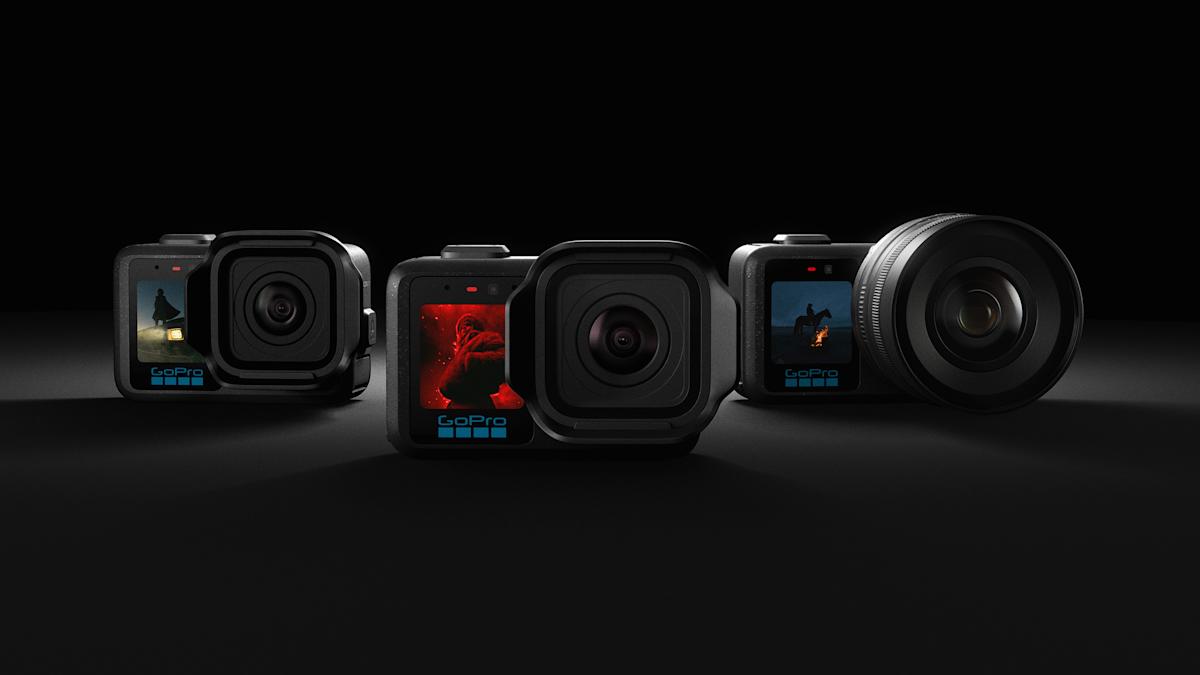
The company just announced three new cameras that completely reimagine what an action camera can do. We're talking cinema-quality video in a package that still fits in your pocket. And yeah, one of them actually takes interchangeable lenses. On an action camera. In 2026.
The Mission 1 Lineup: Three Models, One Goal
GoPro's splitting this launch into three distinct cameras. All of them share the same core DNA, but each targets a different type of creator.
| Feature | Mission 1 | Mission 1 Pro | Mission 1 Pro ILS |
|---|---|---|---|
| Max Video Resolution | 8K 30fps | 8K 60fps | 8K 60fps |
| 4K Slow Motion | 120fps | 240fps | 240fps |
| 1080p Slow Motion | 480fps | 960fps | 960fps |
| Sensor | 50MP 1-inch | 50MP 1-inch | 50MP 1-inch |
| Interchangeable Lenses | No | No | Yes (MFT mount) |
| Open Gate 4:3 | No | Yes | Yes |
The base Mission 1 is your entry point into this new generation. You still get that gorgeous 1-inch sensor and 8K recording, just capped at 30fps instead of 60. For most people filming vacation footage or casual action sports, that's probably fine.
The Mission 1 Pro bumps everything up. 8K at 60fps. 4K at a ridiculous 240fps. And if you really want to slow things down, 1080p at 960 frames per second. That's nearly 40x slow motion. You could capture a hummingbird's wingbeat in detail.

The Pro ILS: GoPro's Boldest Move Ever
Here's where things get wild. The Mission 1 Pro ILS comes with a Micro Four Thirds lens mount. That means you can slap on glass from Panasonic, OM System, or any other MFT lens maker. This is absolutely unprecedented in the action camera space.
Think about what this means. You want shallow depth of field for a cinematic vlog? Throw on a fast prime. Need telephoto reach for wildlife? There's a lens for that. Want ultra-wide for skateboarding or snowboarding? You've got options beyond whatever GoPro ships in the box.
Deep dive into the Pro ILS model and what interchangeable lenses mean for action camera filmmaking
That 1-Inch Sensor Is the Real Story
Forget the 8K headlines for a second. The real upgrade here is that 1-inch sensor. GoPro's been stuck with smaller sensors for years, and it's limited what they could do in challenging light. This changes everything.
The sensor uses a quad-bayer design that's smart about how it handles resolution. At full 50MP or 8K video, you're using all those tiny 1.6 micron pixels. But drop down to 4K and the camera fuses four pixels into one larger 3.2 micron pixel. Bigger pixels means more light gathering, which means cleaner footage when the sun goes down.
“The combination of our new 50 megapixel one-inch sensor and ultra-efficient GP3 processor sets a new performance bar for compact cinema cameras, enabling resolutions, frame rates, low-light performance, runtimes and thermal capabilities never seen before in cameras this small.”
— Pablo Lema, GoPro Senior VP
GoPro's claiming 14 stops of dynamic range here. That's honestly in cinema camera territory. You'll be able to hold detail in bright clouds while still seeing into shadows. The company says you'll get "exceptional detail in the darkest of shadows while protecting highlight details." We'll see how that holds up in real world testing, but the specs look promising.
The GP3 Processor: 5nm Efficiency
All that sensor data needs processing power, and GoPro built a new chip for the job. The GP3 processor uses a 5nm design, which is the same manufacturing process you'd find in flagship smartphones. Smaller transistors mean less heat and better battery efficiency.
Why Chip Size Matters
A 5nm processor packs more transistors into less space than older designs. This means the GP3 can crunch 8K video while generating less heat and using less power. Previous GoPros were notorious for overheating during long recording sessions.
Heat management has always been GoPro's achilles heel. Try recording 4K 60fps on a Hero 13 for more than 20 minutes and you'll hit thermal throttling. The company says the new processor architecture specifically addresses this, though we'll need independent testing to confirm.
Battery Life and Physical Design
The new Enduro 2 battery promises over three hours of continuous 4K 30p recording. That's genuinely impressive for an action camera pushing this much resolution. And here's the nice part: you can still use your old Hero 13 batteries if you've got them lying around, though you'll see reduced runtime.
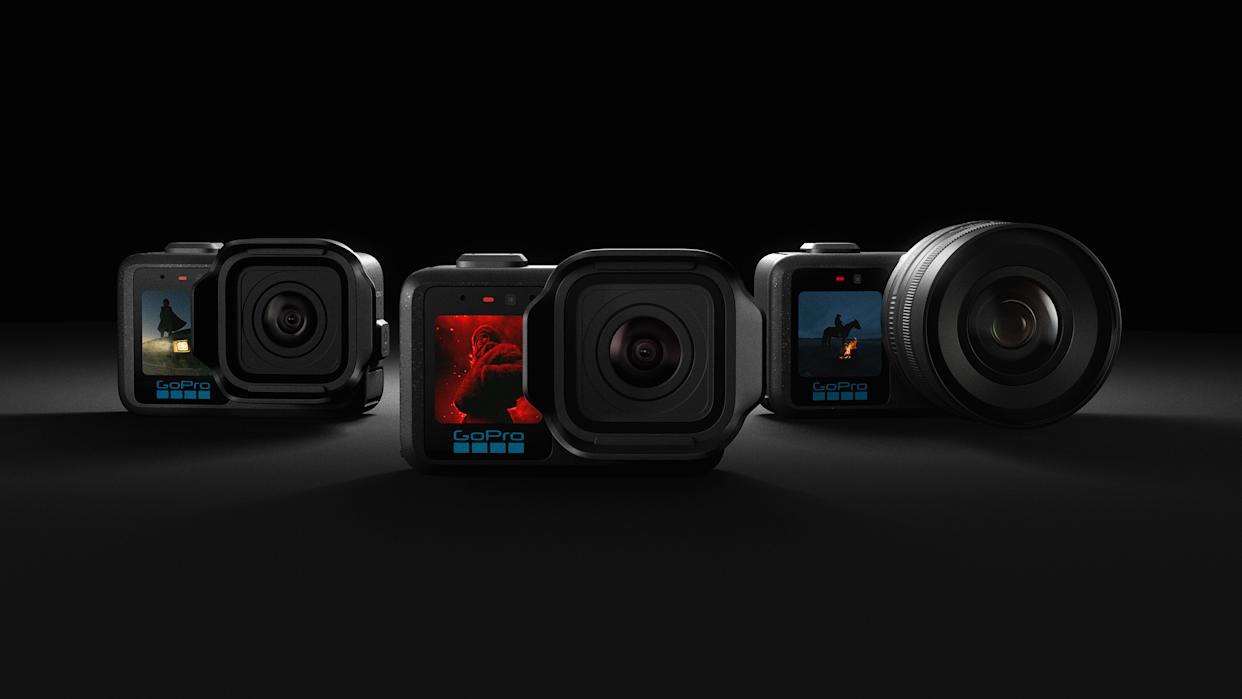
GoPro also redesigned the physical camera body. The rear display is now OLED and 14 percent larger than previous flagships. The buttons are bigger and raised higher, so you can actually use them with ski gloves or cycling gloves. Small details, but they matter when you're trying to change settings in the middle of a run.
- 159-degree native field of view, the widest in its category
- New OLED rear display, 14% larger than Hero 13
- Raised buttons designed for use with gloves
- Removable lens hood to reduce glare and lens flare
- 10-bit HLG/HDR recording for high dynamic range displays
- GP-Log2 mode for maximum flexibility in post-production
Video Modes and Professional Features
The spec sheet reads like something you'd see on a dedicated video camera, not an action cam. All Mission 1 models shoot 10-bit color, which gives colorists way more flexibility in post. You can choose between HLG for instant HDR playback or GP-Log2 when you want to grade everything yourself.
The Pro models also support 4:3 open gate capture. This records the full sensor area without cropping, so you can reframe your shots later. Made a vertical video for TikTok but now need a horizontal cut for YouTube? Open gate footage lets you pull both versions from the same clip.
For stills shooters, all three cameras capture 50MP RAW photos at up to 60fps burst. That's fast enough to grab the perfect frame from any action sequence.
New Accessories: Wireless Mic and More
GoPro's not just releasing cameras. They've got a new wireless mic system that looks like a direct response to the DJI Mic Mini. Audio has always been an afterthought on action cameras, and built-in mics struggle with wind noise. A dedicated wireless solution could be huge for creators who actually care about sound quality.
There's also a new point-and-shoot grip for handheld use. Details are slim right now, but it sounds like GoPro's trying to make these cameras work as everyday vlogging tools, not just specialized action gear.
What This Means for the Competition
So here's the thing. Insta360 and DJI have been eating GoPro's lunch for a while now. The Insta360 Ace Pro 2 and DJI Osmo Action 5 Pro both offer compelling alternatives at similar price points. GoPro needed to do something dramatic to reclaim the crown.
The Mission 1 lineup feels like that dramatic move. Nobody else is offering interchangeable lenses on an action camera. Nobody else is hitting 8K 60fps in this form factor. And if the low-light performance lives up to the hype, GoPro might finally have the edge again.
✅ Pros
- • Massive 1-inch sensor with genuine low-light improvements
- • 8K 60fps and 960fps slow motion on Pro models
- • Interchangeable MFT lenses on the Pro ILS
- • 10-bit recording with professional log profiles
- • Improved thermal management on 5nm processor
❌ Cons
- • Pricing not yet announced, but expect premium prices
- • Pro ILS adds bulk with interchangeable lens system
- • 8K footage requires serious storage and editing power
- • Battery life claims need real-world verification
The Bottom Line
GoPro just threw down the gauntlet. The Mission 1 lineup represents the biggest generational leap the company's made in years, maybe ever. A 1-inch sensor, 8K video, interchangeable lenses on an action camera. Two years ago, this spec sheet would've seemed impossible.
The real question is pricing. If GoPro comes in aggressive, they could reclaim a lot of market share. If they price these as premium professional tools, they might struggle against Insta360 and DJI's more accessible options. We'll know more when full pricing and availability drop.
But one thing's clear: GoPro's not going down without a fight. And for action camera buyers, that competition means we all win.
Frequently Asked Questions
Can I use my existing Hero 13 batteries in the Mission 1?
Yes, Hero 13 batteries are compatible but you'll get reduced runtime compared to the new Enduro 2 battery.
What lenses work with the Mission 1 Pro ILS?
The Pro ILS uses a Micro Four Thirds mount, so lenses from Panasonic, OM System, and other MFT manufacturers will work.
Does the base Mission 1 support 8K video?
Yes, but capped at 30fps. You need the Pro or Pro ILS models for 8K at 60fps.
What's the slow motion capability?
The Pro models hit 4K 240fps and 1080p 960fps. The base Mission 1 does 4K 120fps and 1080p 480fps.
Huma Shazia
Senior AI & Tech Writer
اقرأ أيضاً

رأي مغاير: كيف يؤثر اختراق الأمن الداخلي الأميركي على شركاتنا الخاصة؟
في ظل اختراق عقود الأمن الداخلي الأميركي مع شركات خاصة، نناقش تأثير هذا الاختراق على مستقبل الأمن السيبراني. نستعرض الإحصاءات الموثوقة ونناقش كيف يمكن للشركات الخاصة أن تتعامل مع هذا التهديد. استمتع بقراءة هذا التحليل العميق

الإنسان في زمن ما بعد الوجود البشري: نحو نظام للتعايش بين الإنسان والروبوت - Centre for Arab Unity Studies
في هذا المقال، سنناقش كيف يمكن للبشر والروبوتات التعايش في نظام متكامل. سنستعرض التحديات والحلول المحتملة التي تضعها شركات مثل جوجل وأمازون. كما سنلقي نظرة على التوقعات المستقبلية وفقًا لتقرير ماكنزي

إطلاق ناسا لمهمة مأهولة إلى القمر: خطوة تاريخية نحو استكشاف الفضاء
تعتبر المهمة الجديدة خطوة هامة نحو استكشاف الفضاء وتطوير التكنولوجيا. سوف تشمل المهمة إرسال رواد فضاء إلى سطح القمر لconducting تجارب علمية. ستسهم هذه المهمة في تطوير فهمنا للفضاء وتحسين التكنولوجيا المستخدمة في استكشاف الفضاء.