Google, Microsoft, xAI Agree to Pre-Release AI Testing by US
Key Takeaways
- All major US frontier AI labs now participate in voluntary pre-release government evaluations
- CAISI has completed over 40 model assessments, including unreleased state-of-the-art systems
- The agreements come as the Trump administration considers making pre-release AI reviews mandatory
Google, Microsoft, and Elon Musk's xAI agreed today to give the US Commerce Department access to their AI models before public release. The move brings every major American frontier AI lab under a single voluntary evaluation framework.
OpenAI and Anthropic already had evaluation partnerships dating to 2024. Both companies renegotiated their deals to align with priorities in Trump's AI Action Plan, according to the Commerce Department.
The agreements go to CAISI, the Center for AI Standards and Innovation. It operates within NIST and has completed more than 40 model assessments to date. Some of those evaluations covered unreleased state-of-the-art systems.
Same Function, New Name
CAISI started life as the AI Safety Institute under Biden in 2023. The Trump administration renamed it last June. Commerce Secretary Howard Lutnick called the rebrand a move away from regulation "used under the guise of national security."
The rhetoric shifted. The actual work did not. The center still evaluates frontier models for cybersecurity, biosecurity, and chemical weapons risks.
“These expanded industry collaborations help us scale our work in the public interest at a critical moment.”
— Chris Fall, CAISI director
Fall took over the center after a brief leadership crisis. Collin Burns, a former Anthropic and OpenAI researcher, was pushed out just four days into the job. The Washington Post reported that White House officials worried about Burns's Anthropic ties, given the administration's ongoing dispute with the company. Burns had relocated across the country and given up Anthropic equity to take the position.
Anthropic's Complicated Relationship
Anthropic's renegotiated CAISI deal sits alongside a hostile set of interactions with the federal government. The Pentagon designated Anthropic a supply chain risk in March after the company refused to lower guardrails on autonomous weapons.
A federal judge later called that Pentagon move "Orwellian." But the damage continues. Defense Secretary Pete Hegseth and Trump have both outlined a six-month phaseout period for government use of Anthropic's tools. Two active lawsuits remain unresolved.
Mandatory Reviews Under Consideration
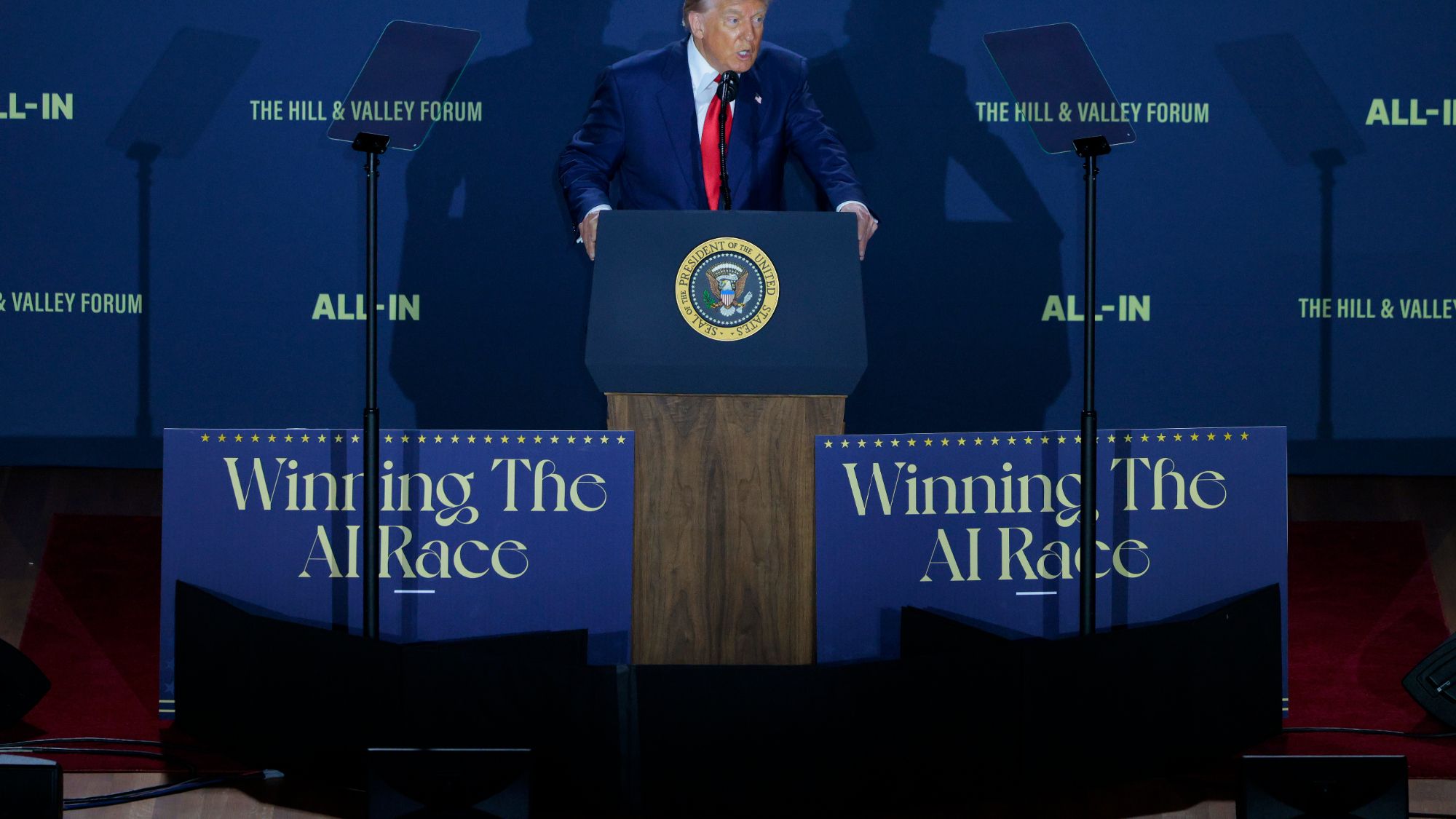
The new agreements are voluntary. That could change. Reports emerged one day before this announcement that the Trump administration was considering mandatory pre-release review processes for AI models.
Trump's AI Action Plan, announced in July last year, directs CAISI to serve as part of an "AI evaluations ecosystem" and lead national security-related model assessments. It also instructs regulators to explore using evaluations when applying existing law to AI systems.
The center still lacks permanent legal standing. Some lawmakers have introduced draft legislation to codify it, but nothing has passed.
Logicity's Take
What This Means for AI Development
For AI labs, the agreements signal a willingness to accept government scrutiny in exchange for political cover. Pre-release evaluations let companies point to federal review when facing public criticism about safety.
For enterprises building on these models, the evaluations add a layer of third-party validation. CAISI focuses on specific risks: cybersecurity, biosecurity, chemical weapons. It is not evaluating general product quality or business suitability.
More on OpenAI's hardware and product strategy
Frequently Asked Questions
What is CAISI and what does it do?
CAISI is the Center for AI Standards and Innovation, a unit within NIST that evaluates frontier AI models for cybersecurity, biosecurity, and chemical weapons risks before public release.
Which AI companies are participating in pre-release government testing?
Google, Microsoft, xAI, OpenAI, and Anthropic have all signed agreements to let CAISI evaluate their AI models before release.
Are pre-release AI evaluations mandatory in the US?
Currently no. The CAISI agreements are voluntary. However, the Trump administration is reportedly considering mandatory pre-release review processes.
What happened to the AI Safety Institute?
The Trump administration renamed it CAISI in June 2024. The core function, evaluating AI models for specific security risks, remained the same.
Why does Anthropic have a hostile relationship with the federal government?
The Pentagon designated Anthropic a supply chain risk after it refused to lower guardrails on autonomous weapons. A federal judge called that designation "Orwellian," but a six-month phaseout of Anthropic tools in government continues.
Need Help Implementing This?
Source: Latest from Tom's Hardware
Huma Shazia
Senior AI & Tech Writer
اقرأ أيضاً

iQOO Z11i يظهر في الصين: هاتف vivo Y60 بثوب جديد وبطارية 6,500 مللي أمبير
بدأت iQOO بالتشويق لهاتفها الجديد Z11i في السوق الصينية، ليُضاف إلى عائلة Z11 المتنامية التي باتت تضم نماذج عدة. الهاتف يأتي ببطارية ضخمة سعة 6,500 مللي أمبير، لكن تسريبات من منصة Weibo تشير إلى أنه ق

Honor Watch 6: بطارية تدوم 35 يوماً في ساعة تزن 68 غراماً فقط
كشفت Honor عن ساعتها الذكية الجديدة Honor Watch 6، وهي تطرح سؤالاً مباشراً على منافسيها: كيف تحشرون بطارية بسعة 980mAh في ساعة لا يتجاوز وزنها مع السوار 68 غراماً، وتجعلونها تدوم 35 يوماً كاملة؟ هذا ل

الإمارات تحظر وسائل التواصل الاجتماعي على من هم دون 15 عاماً: أول دولة عربية تتخذ هذه الخطوة
في خطوة تاريخية تضع الإمارات في طليعة الدول العربية، أعلنت الحكومة الإماراتية حظر وسائل التواصل الاجتماعي على الأطفال دون 15 عاماً حظراً فعلياً، لتصبح بذلك أول دولة عربية تتخذ إجراءً بهذا الحجم لحماية