FTC Probes Arm Holdings Over Chip Licensing Practices
Key Takeaways
- The FTC is investigating whether Arm is illegally monopolizing parts of the semiconductor market
- Regulators are examining whether Arm might reject or downgrade licensing agreements for chip blueprints
- South Korea is conducting a parallel investigation into Arm's licensing practices
What the FTC Investigation Covers
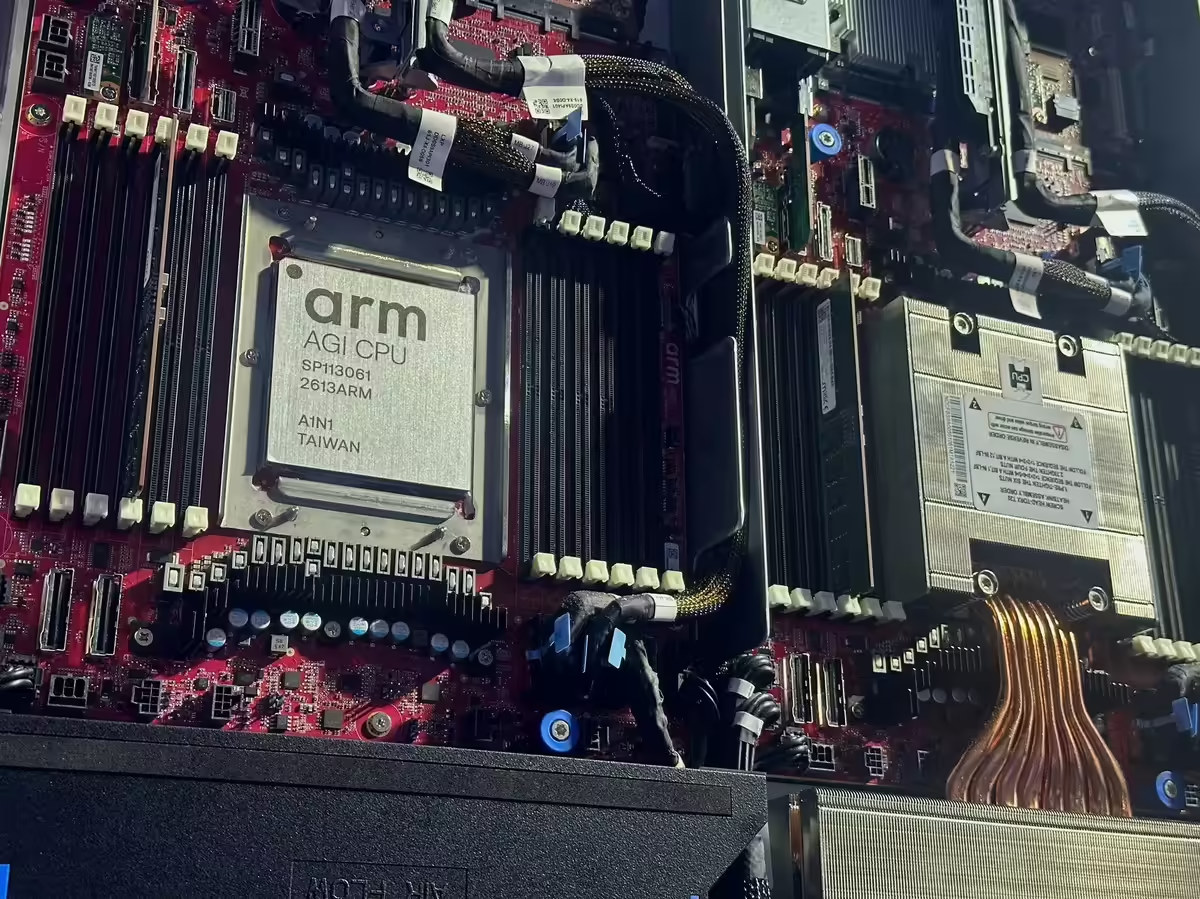
The US Federal Trade Commission is investigating whether Arm Holdings is trying to illegally monopolize parts of the semiconductor market, according to a Bloomberg News report. The probe focuses on Arm's licensing of its chip technology, which forms the backbone of processors used in smartphones, laptops, and data centers worldwide.
Regulators are examining whether Arm plans to reject or downgrade licensing agreements for its chip blueprints. These blueprints are used by companies to design central processing units. The FTC notified Arm of the investigation this year and demanded the company preserve documents, Bloomberg reported, citing people familiar with the matter.
Arm declined to comment on any possible investigation. The FTC did not immediately respond to a request for comment from Reuters.
Why Arm's Licensing Model Matters
Arm does not manufacture chips. Instead, it designs chip architectures and licenses them to companies that build their own processors. A big portion of Arm's revenue comes from licensing its technology to companies such as Nvidia and Apple, plus collecting royalty payments on design use.
This model puts Arm at the center of the global chip industry. Nearly every smartphone processor, from Apple's A-series to Qualcomm's Snapdragon, uses Arm architecture. Any disruption to Arm's licensing terms could ripple across the entire semiconductor supply chain.
Apple is one of Arm's major licensees and is exploring new chip production options
The Qualcomm Factor
The investigation comes amid an ongoing dispute between Arm and Qualcomm. The conflict centers on whether Qualcomm breached its contract with Arm after acquiring chip startup Nuvia.
“Qualcomm's baseless allegation of anticompetitive conduct is nothing more than a desperate and underhanded attempt to obtain leverage in the parties' ongoing commercial dispute for its own competitive benefit.”
— Arm Holdings statement
Qualcomm did not immediately respond to a request for comment. The Nuvia acquisition has become a flashpoint in the broader debate over how Arm licenses its technology and what happens when a licensee acquires another company that also holds Arm licenses.
Global Regulatory Pressure
The US probe is not happening in isolation. South Korea's antitrust regulator was investigating the Seoul offices of Arm in November as part of ongoing scrutiny of the company's licensing practices. Bloomberg reported that the South Korean investigation stemmed from a complaint from Qualcomm, though Reuters could not verify that claim.
This coordinated attention from regulators in multiple countries suggests Arm's business practices are under the microscope globally. For a company whose technology touches nearly every mobile device on the planet, these investigations could force changes to how it structures licensing deals.
Logicity's Take
What Happens Next
FTC investigations can take months or years to complete. The agency could pursue a formal complaint, reach a settlement, or close the investigation without action. For now, Arm must preserve documents and cooperate with regulators while continuing to navigate its dispute with Qualcomm.
Companies that depend on Arm licenses should monitor this situation closely. Any changes to Arm's licensing practices, whether voluntary or mandated by regulators, could affect chip development timelines and costs across the industry.
Frequently Asked Questions
What is the FTC investigating Arm Holdings for?
The FTC is investigating whether Arm is illegally monopolizing parts of the semiconductor market through its chip licensing practices, specifically examining whether Arm might reject or downgrade licensing agreements.
How does Arm make money from chip designs?
Arm licenses its chip architectures to companies like Nvidia and Apple, which use them to design their own processors. Arm collects licensing fees and royalty payments on each chip sold.
What is the dispute between Arm and Qualcomm about?
The dispute centers on whether Qualcomm breached its contract with Arm after acquiring chip startup Nuvia. Arm claims Qualcomm's anticompetitive allegations are attempts to gain leverage in this commercial dispute.
Is Arm being investigated in other countries?
Yes. South Korea's antitrust regulator investigated Arm's Seoul offices in November 2024 as part of scrutiny into the company's licensing practices.
Which major tech companies use Arm chip designs?
Apple, Nvidia, Qualcomm, Samsung, and MediaTek all license Arm's chip architectures. Nearly every smartphone processor uses Arm technology.
Need Help Implementing This?
Source: Tech-Economic Times / ET
Huma Shazia
Senior AI & Tech Writer
اقرأ أيضاً

رأي مغاير: كيف يؤثر اختراق الأمن الداخلي الأميركي على شركاتنا الخاصة؟
في ظل اختراق عقود الأمن الداخلي الأميركي مع شركات خاصة، نناقش تأثير هذا الاختراق على مستقبل الأمن السيبراني. نستعرض الإحصاءات الموثوقة ونناقش كيف يمكن للشركات الخاصة أن تتعامل مع هذا التهديد. استمتع بقراءة هذا التحليل العميق

الإنسان في زمن ما بعد الوجود البشري: نحو نظام للتعايش بين الإنسان والروبوت - Centre for Arab Unity Studies
في هذا المقال، سنناقش كيف يمكن للبشر والروبوتات التعايش في نظام متكامل. سنستعرض التحديات والحلول المحتملة التي تضعها شركات مثل جوجل وأمازون. كما سنلقي نظرة على التوقعات المستقبلية وفقًا لتقرير ماكنزي

إطلاق ناسا لمهمة مأهولة إلى القمر: خطوة تاريخية نحو استكشاف الفضاء
تعتبر المهمة الجديدة خطوة هامة نحو استكشاف الفضاء وتطوير التكنولوجيا. سوف تشمل المهمة إرسال رواد فضاء إلى سطح القمر لconducting تجارب علمية. ستسهم هذه المهمة في تطوير فهمنا للفضاء وتحسين التكنولوجيا المستخدمة في استكشاف الفضاء.