Freecash App Scam Exposed: How a Data Harvesting Rewards App Gamed Apple and Google Play Charts
Key Takeaways
- Freecash climbed to #2 on the US App Store using deceptive TikTok marketing
- Malwarebytes found the app collects data on users' race, religion, health, sex life, and biometrics
- Apple pulled the app Monday after TechCrunch reached out for comment
- The app's parent company Almedia denies all allegations of deceptive practices
- Google Play still lists the app as of this writing
Read in Short
That Freecash app you've seen all over TikTok? Yeah, it's been harvesting your most sensitive personal data while promising you easy money. Apple just yanked it from the App Store, but Google Play users are still at risk.
If you've spent any time on TikTok in 2026, you've probably seen the ads. "Make money just by scrolling!" "Get paid to play games!" The Freecash app seemed almost too good to be true. Spoiler alert: it was.
The rewards app rocketed up the charts over the past few months, hitting the number two spot on the US App Store. Millions of users downloaded it hoping to score some easy cash. What they got instead was something far more sinister.
What Freecash Was Actually Doing With Your Data
Here's where things get really ugly. Cybersecurity firm Malwarebytes dug into Freecash's data practices, and what they found should make anyone who downloaded this app immediately uncomfortable.
The app wasn't just tracking your game preferences or how long you played. According to the Malwarebytes report, Freecash was potentially collecting information about users' race, religion, health status, sexual orientation, sex life, and other biometric data. That's not a rewards app. That's a data broker wearing a friendly mask.
What Data Was Freecash Collecting?
According to Malwarebytes, the app may have collected: racial and ethnic origin, religious beliefs, health information, sexual orientation and sex life details, and various biometric identifiers. This data is considered highly sensitive under most privacy regulations.
The business model? Freecash essentially acts as a middleman connecting game developers with users who'll install their apps and spend money. Games like Monopoly Go and Disney Solitaire were among those promoted on the platform. You thought you were earning rewards. They were selling your most personal information to the highest bidder.
The TikTok Marketing Machine
So how did an app this sketchy climb so high so fast? TikTok ads. Lots and lots of TikTok ads.
The marketing was aggressive and, according to investigators, pretty misleading. Ads claimed users could make money just by scrolling TikTok, which isn't really how the app worked at all. You had to install other games and spend time (and sometimes real money) on them to earn anything.
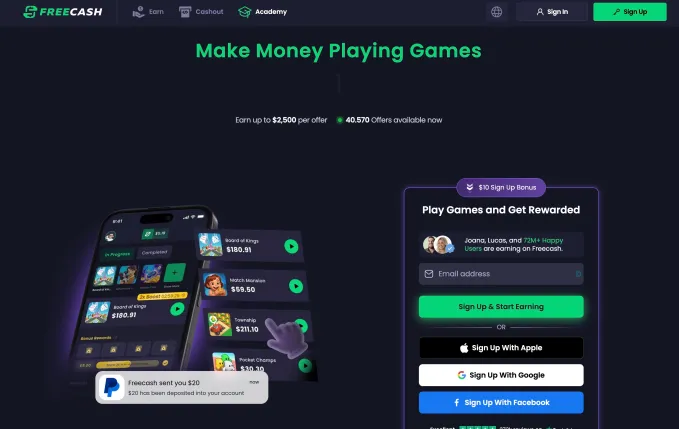
Wired called this out back in January, publishing a report showing Freecash used deceptive marketing and pushed users to spend money in games. TikTok responded by pulling some of the ads, citing violations of their financial misrepresentation rules.
“The ads were generated by third-party affiliates, not itself.”
— Freecash's response to the January allegations
Classic move, right? Blame the affiliates. The thing is, those affiliates were promoting YOUR app with YOUR branding. At some point, you have to take responsibility for how your product gets marketed.
This story about app safety concerns connects directly to growing worries about how platforms protect vulnerable users
Timeline: How Freecash's Fall From Grace Unfolded
The Company Behind Freecash Responds
Almedia, the Germany-based company that owns Freecash, isn't going down without a fight. They're denying pretty much everything.
When TechCrunch reached out, Almedia's PR manager James Law sent an email (signed "Almedia Press Office" because apparently that's more official?) pushing back on all allegations.
“Our apps are fully compliant with the Apple App Store and Google Play Store policies, as demonstrated by the fact that they are live and regularly pass platform reviews. We do not comment on internal product strategy regarding specific app listings.”
— James Law, Almedia PR Manager
There's just one problem with that statement. Hours after sending it, Apple pulled the app. So much for being "fully compliant."
The company also denied driving artificial traffic to the platform or using deceptive marketing. But when your affiliates are running misleading ads and you're not stopping them, that defense starts to look pretty thin.
Google Play: Still Hosting the App
Here's the frustrating part. As of Monday afternoon, Freecash was still available on Google Play. Apple acted fast once TechCrunch started asking questions. Google? Crickets.
This isn't the first time we've seen this pattern. Apple tends to be quicker on the draw when privacy scandals break, while Google Play often takes longer to respond. That's cold comfort if you're an Android user who downloaded this app.
If You Downloaded Freecash
Delete the app immediately. Review what permissions you granted and consider revoking any that seem excessive. Check your accounts for any suspicious activity. Consider running a security scan on your device.
The Bigger Problem With Rewards Apps
Look, Freecash isn't the first rewards app to pull something like this, and it won't be the last. The entire business model is built on a simple truth: if you're not paying for the product, you ARE the product.
These apps offer you pennies to complete tasks, but your data is worth way more than what they're paying out. The math only works if they're monetizing you in ways you don't fully understand.
That doesn't mean every rewards app is a scam. But it does mean you should be incredibly skeptical of any app promising easy money. Read the privacy policy (I know, nobody does this, but seriously). Check what permissions the app requests. And if something seems too good to be true, trust that instinct.
Another story about questionable digital monetization practices targeting casual users
What Happens Next?
Apple's ban is a good start, but there are millions of users who already downloaded this app. Their data is already out there. You can't un-harvest that information.
Regulatory bodies in the EU might take interest given that Almedia is based in Germany. GDPR has some serious teeth when it comes to sensitive personal data collection. If Malwarebytes' findings hold up, Almedia could be looking at substantial fines.
For now, the best thing you can do is spread the word. If you know someone who downloaded Freecash thinking they'd make some easy money, tell them what was really going on. The app may be gone from Apple's store, but the damage it did isn't.
Frequently Asked Questions
Is Freecash still available to download?
Apple removed it from the App Store on April 14, 2026. As of this writing, it's still available on Google Play.
What should I do if I already have Freecash installed?
Delete the app immediately, review the permissions you granted, and monitor your accounts for any unusual activity.
Did Freecash actually pay users?
Yes, the app did pay users for completing tasks and playing games, but the real value came from the extensive personal data it collected.
Who owns Freecash?
A Germany-based company called Almedia owns the Freecash app.
Can I get my data back?
Unfortunately, once data is collected, it's very difficult to reclaim. You can try contacting Almedia directly to request data deletion under GDPR if you're in the EU.
This whole saga is a reminder that app store rankings don't mean an app is safe. Both Apple and Google let this one through their review processes. It climbed to number two on the charts. And the whole time, it was hoovering up some of the most sensitive personal information imaginable. We really need to do better.
Source: TechCrunch / Sarah Perez
Manaal Khan
Tech & Innovation Writer
اقرأ أيضاً

رأي مغاير: كيف يؤثر اختراق الأمن الداخلي الأميركي على شركاتنا الخاصة؟
في ظل اختراق عقود الأمن الداخلي الأميركي مع شركات خاصة، نناقش تأثير هذا الاختراق على مستقبل الأمن السيبراني. نستعرض الإحصاءات الموثوقة ونناقش كيف يمكن للشركات الخاصة أن تتعامل مع هذا التهديد. استمتع بقراءة هذا التحليل العميق

الإنسان في زمن ما بعد الوجود البشري: نحو نظام للتعايش بين الإنسان والروبوت - Centre for Arab Unity Studies
في هذا المقال، سنناقش كيف يمكن للبشر والروبوتات التعايش في نظام متكامل. سنستعرض التحديات والحلول المحتملة التي تضعها شركات مثل جوجل وأمازون. كما سنلقي نظرة على التوقعات المستقبلية وفقًا لتقرير ماكنزي

إطلاق ناسا لمهمة مأهولة إلى القمر: خطوة تاريخية نحو استكشاف الفضاء
تعتبر المهمة الجديدة خطوة هامة نحو استكشاف الفضاء وتطوير التكنولوجيا. سوف تشمل المهمة إرسال رواد فضاء إلى سطح القمر لconducting تجارب علمية. ستسهم هذه المهمة في تطوير فهمنا للفضاء وتحسين التكنولوجيا المستخدمة في استكشاف الفضاء.