Framework's $1,199 GPU Module Shows GDDR7 Memory Crisis
Key Takeaways
- Framework's 12 GB RTX 5070 graphics module costs $1,199, twice the price of the 8 GB version
- Memory shortages driven by AI demand won't ease until new factories come online around 2028
- Framework CEO warned customers to buy storage-heavy configurations now before prices climb further
Framework doubles down on pricing transparency
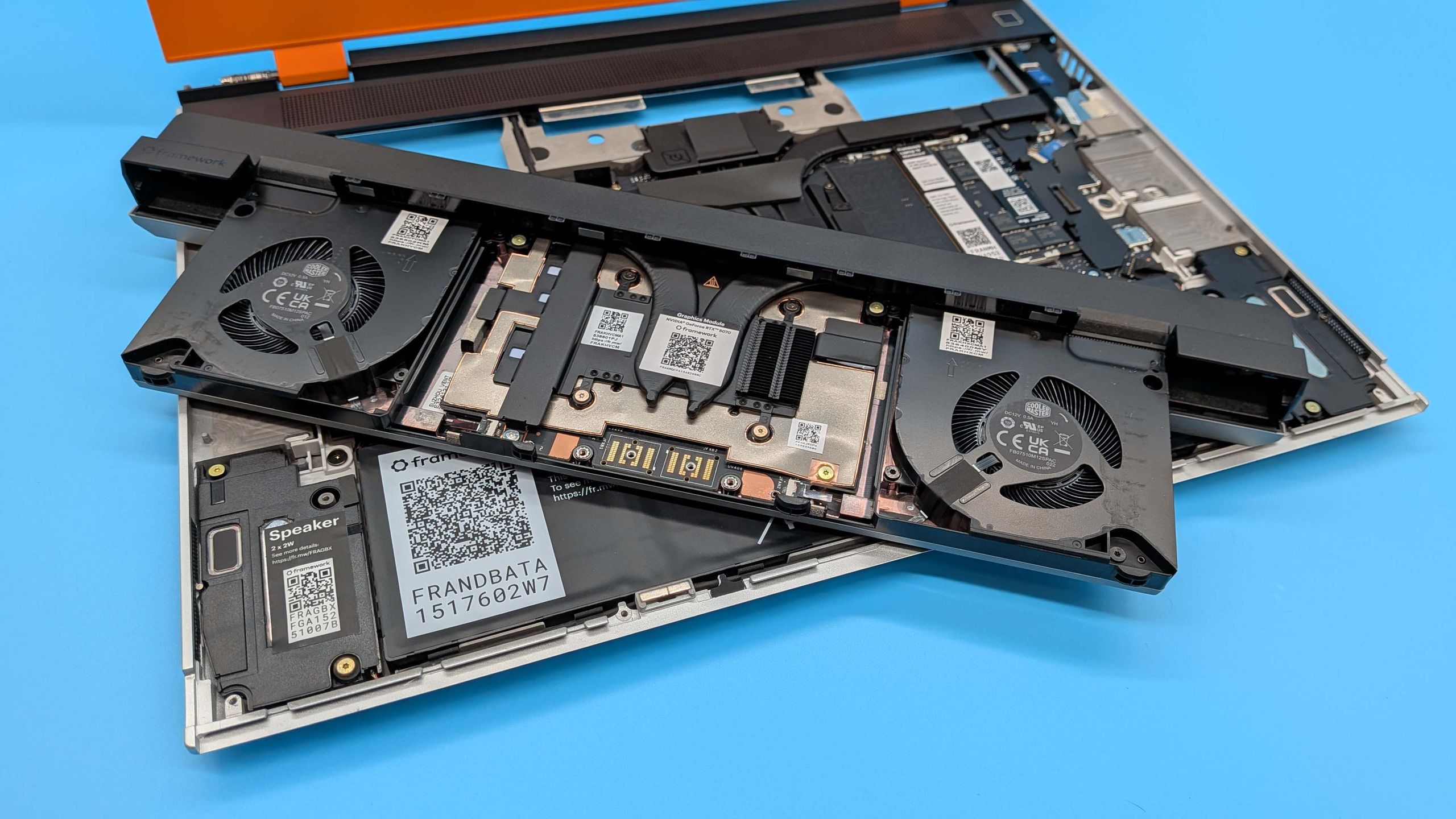
Framework, the modular laptop company known for repairable hardware, opened pre-orders for a 12 GB version of its Framework Laptop 16 graphics module. Powered by Nvidia's GeForce RTX 5070, the module costs $1,199. That's double the price of the 8 GB version.
When TechPowerUp highlighted this pricing gap on X, Framework's official account responded with two words: 'Thanks @OpenAI.' The implication was clear. AI companies are consuming memory at a pace that's distorting the entire supply chain.
Another user pushed back, arguing the 12 GB module should cost less. Framework's reply was characteristically direct: 'Feel free to start a laptop company and see what suppliers quote you for GDDR7.'
AI demand is eating the memory supply
The memory shortage isn't new. Framework warned earlier this year that stabilizing prices were only a 'temporary reprieve.' The company's CEO, Nirav Patel, went further last month: 'If you're looking to order a Framework Laptop or Desktop with a lot of storage, now is the time to do that.'
AI workloads require enormous amounts of RAM and fast storage. Data centers are buying SSDs and memory modules in quantities that dwarf consumer demand. This leaves smaller hardware makers competing for scraps from the same supply pool.
Major memory manufacturers are building new factories. SK Hynix, Micron, and Samsung all have expansion projects underway. But these facilities won't make a meaningful dent in supply until around 2028. That's three years of constrained inventory and elevated prices.
What this means for GPU pricing
The Framework situation previews what's coming for the broader GPU market. If a 12 GB module for a modular laptop costs $1,199, entry-level discrete GPUs face similar pressure.
Leaks suggest Nvidia's upcoming RTX 5050 will ship with 9 GB of GDDR7. That configuration would use three 3 GB chips instead of four 2 GB chips. Fewer chips could help with cost, in theory. In practice, an 'entry-tier' card with GDDR7 may not feel entry-tier at all.
Framework's candor stands out here. Most hardware companies hide behind vague references to 'supply chain challenges.' Framework is naming names and pointing at the AI industry's consumption patterns as a direct cause.
Framework's position in the market
The company has built its brand on transparency and repairability. Its modular approach lets users upgrade individual components rather than replacing entire machines. The graphics module is central to this promise for gaming users.
But modularity only works if components remain affordable enough to swap. A $1,199 graphics module pushes against that value proposition. Framework's public frustration suggests the company recognizes this tension but has limited options.
Alternative approaches to hardware tinkering
The bottom line
Memory prices are going up. They'll stay up for years. Framework is being unusually honest about why. The company's 'start a laptop company' comment sounds defensive, but it reflects a genuine constraint. Small hardware makers don't set supplier prices. They pay what the market demands.
For buyers, the calculus is straightforward. If you need memory-heavy hardware, buy it now. Waiting for prices to drop means waiting until at least 2028. And there's no guarantee prices will drop even then if AI demand keeps growing.
Logicity's Take
Frequently Asked Questions
Why does Framework's 12 GB graphics module cost twice as much as the 8 GB version?
GDDR7 memory is in short supply due to massive AI industry demand. Framework says supplier quotes for the higher-capacity module reflect this constrained market.
When will memory prices come down?
New factories from SK Hynix, Micron, and Samsung won't meaningfully impact supply until around 2028. Prices may stay elevated until then.
What GPU powers the Framework Laptop 16 graphics module?
The 12 GB module uses Nvidia's GeForce RTX 5070. An 8 GB version with the same GPU is also available at half the price.
Should I buy memory-heavy hardware now or wait?
Framework's CEO recommends buying now if you need lots of storage or memory. Prices are expected to rise further before supply constraints ease.
How is AI causing memory shortages?
AI training and inference require large amounts of RAM and fast storage. Data center demand has outpaced consumer electronics demand, straining the entire supply chain.
Need Help Implementing This?
Source: PCGamer latest
Manaal Khan
Tech & Innovation Writer
اقرأ أيضاً

رأي مغاير: كيف يؤثر اختراق الأمن الداخلي الأميركي على شركاتنا الخاصة؟
في ظل اختراق عقود الأمن الداخلي الأميركي مع شركات خاصة، نناقش تأثير هذا الاختراق على مستقبل الأمن السيبراني. نستعرض الإحصاءات الموثوقة ونناقش كيف يمكن للشركات الخاصة أن تتعامل مع هذا التهديد. استمتع بقراءة هذا التحليل العميق

الإنسان في زمن ما بعد الوجود البشري: نحو نظام للتعايش بين الإنسان والروبوت - Centre for Arab Unity Studies
في هذا المقال، سنناقش كيف يمكن للبشر والروبوتات التعايش في نظام متكامل. سنستعرض التحديات والحلول المحتملة التي تضعها شركات مثل جوجل وأمازون. كما سنلقي نظرة على التوقعات المستقبلية وفقًا لتقرير ماكنزي

إطلاق ناسا لمهمة مأهولة إلى القمر: خطوة تاريخية نحو استكشاف الفضاء
تعتبر المهمة الجديدة خطوة هامة نحو استكشاف الفضاء وتطوير التكنولوجيا. سوف تشمل المهمة إرسال رواد فضاء إلى سطح القمر لconducting تجارب علمية. ستسهم هذه المهمة في تطوير فهمنا للفضاء وتحسين التكنولوجيا المستخدمة في استكشاف الفضاء.