ESA Fires Tiny Mars Capsules at 2,600 MPH to Test Rover Landing
Key Takeaways
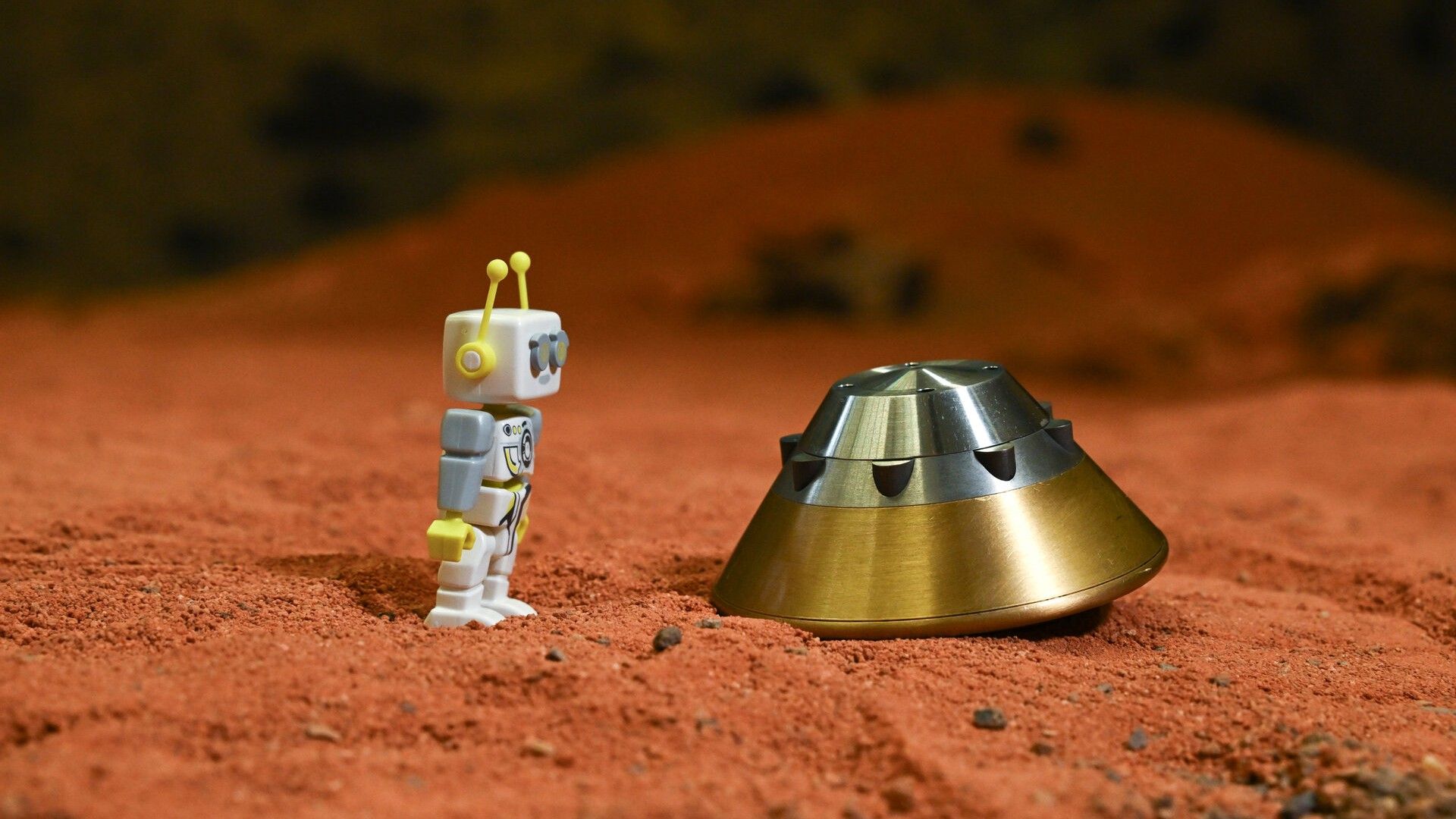
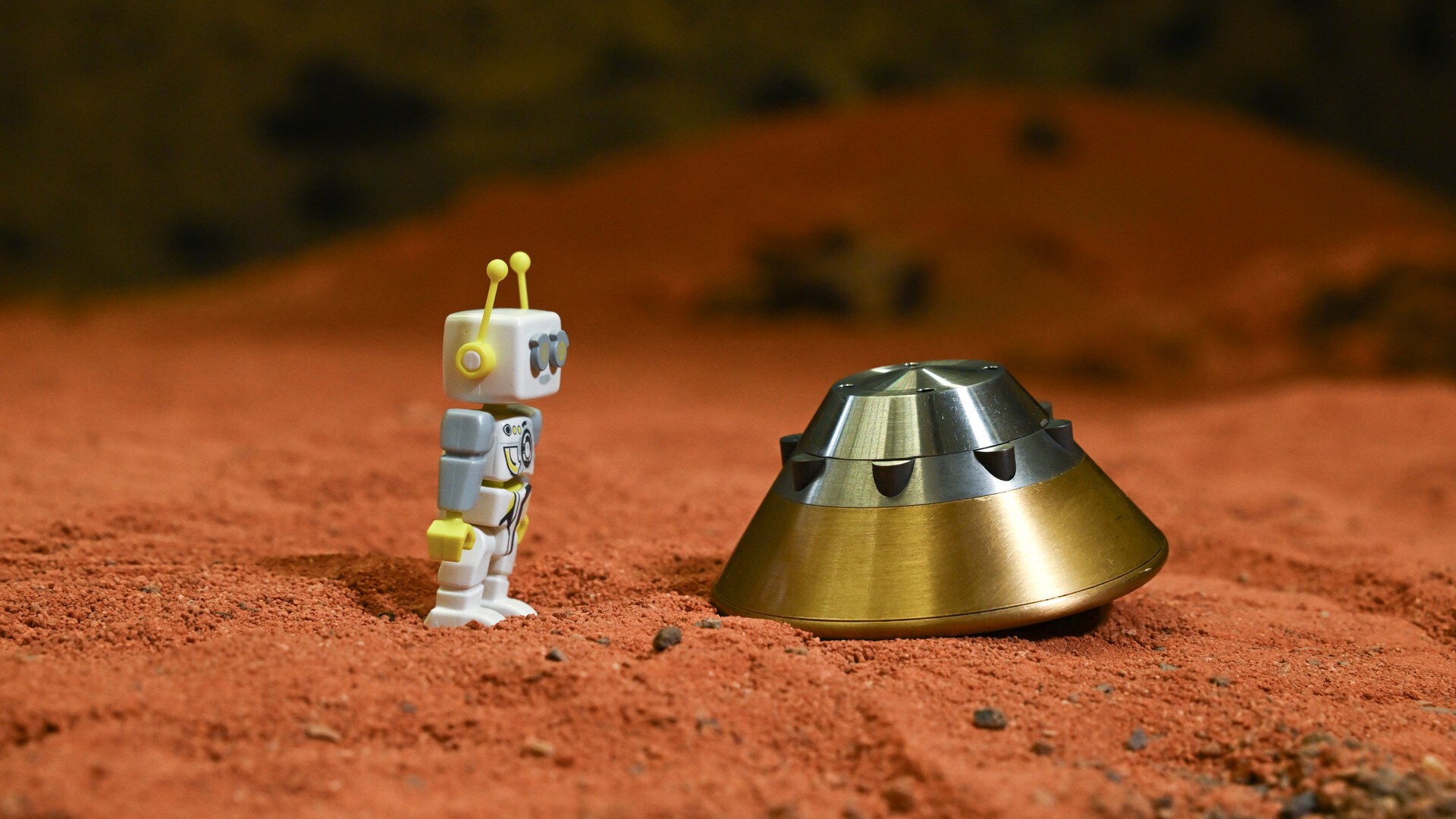
- ESA fired 20 miniature capsules at 2,600 mph to simulate Mars atmospheric entry
- The 3-inch models withstood 17,000 g-forces during 755-foot test flights
- Data from these tests will help protect the Rosalind Franklin rover during its 2028 Mars landing
When engineers need to know if a spacecraft can survive a supersonic plunge through another planet's atmosphere, they sometimes reach for a gun. A very powerful gun.
The European Space Agency recently fired 20 miniature space capsules from a bore gun at over 2,600 mph. That's nearly four times the speed of sound. The tests are part of ESA's preparations for the ExoMars mission, which aims to deliver the Rosalind Franklin rover to Mars in 2028.
Why Shoot Tiny Capsules From a Gun?
ESA is developing the Entry Descent and Landing Module (EDLM) to carry the Rosalind Franklin rover through the Martian atmosphere. Getting a spacecraft from orbital velocity to a soft landing on Mars is one of the hardest problems in space exploration. The atmosphere is thick enough to generate extreme heat and turbulence, but too thin to slow a capsule with parachutes alone.
Testing a full-size capsule at supersonic speeds on Earth would be expensive and logistically difficult. So ESA's engineers built 20 scale models, each just 3 inches wide. They outfitted these miniature capsules with electronic circuits that monitored acceleration, movement, trajectory, and stability throughout their flights.
The bore gun propelled each capsule through a 755-foot (230-meter) flight path. At 2,600 mph, that journey takes a fraction of a second. But the electronic sensors captured data throughout, giving engineers detailed information about how the capsule shape behaves at supersonic speeds.
The Physics of Atmospheric Entry
When a spacecraft hits a planet's atmosphere at orbital speeds, it experiences forces that would destroy most objects. The capsule's shape determines whether it tumbles unpredictably or maintains stable flight. Even small asymmetries in the heat shield or structure can cause catastrophic instability.
These miniature tests replicate the aerodynamic conditions a Mars capsule would experience during the most violent phase of entry. The 17,000 g-forces that the tiny capsules withstood represent the kind of punishment the full-size EDLM will face when it hits the Martian atmosphere.
The data from these tests helps engineers validate their computer models. If the miniature capsules behave as predicted, the team can have more confidence that the full-size version will perform correctly. If something unexpected happens, they can adjust the design before building expensive flight hardware.
The Rosalind Franklin Mission
The ExoMars program has had a difficult history. Originally a joint project between ESA and NASA, it later became an ESA-Roscosmos collaboration. Russia's invasion of Ukraine in 2022 ended that partnership, forcing ESA to find new solutions for critical mission components.
The Rosalind Franklin rover, named after the British chemist whose work was crucial to understanding DNA structure, carries instruments designed to search for signs of ancient life on Mars. The rover can drill up to 2 meters below the Martian surface, accessing soil that has been protected from the harsh radiation environment.
For those instruments to work, they first need to survive the landing. The EDLM has to protect the rover through atmospheric entry, supersonic flight, parachute deployment, and final touchdown. Any failure in this sequence would end the mission before it begins.
Logicity's Take
What Comes Next
The data from these 20 test flights will feed into the final design of the EDLM. Engineers will compare the observed capsule behavior against their aerodynamic models and make adjustments where needed.
Full-scale testing will follow as the 2028 launch date approaches. But these miniature capsules have already done their job: proving that the basic shape can handle supersonic flight without tumbling out of control.
Frequently Asked Questions
What is the ExoMars mission?
ExoMars is a European Space Agency program designed to search for signs of past or present life on Mars. The current mission aims to land the Rosalind Franklin rover on Mars in 2028.
Why does ESA test miniature capsules instead of full-size ones?
Scale models are cheaper and easier to test at supersonic speeds. The aerodynamic behavior of the small capsules provides data that helps engineers validate their computer simulations of the full-size spacecraft.
What is the Rosalind Franklin rover designed to do?
The rover will search for signs of ancient life on Mars by drilling up to 2 meters below the surface. This depth protects samples from surface radiation that would destroy biological signatures.
How fast will the ExoMars capsule travel through the Martian atmosphere?
The capsule will enter the Martian atmosphere at supersonic speeds, similar to the 2,600 mph (4,200 kph) velocities tested with the miniature models.
When will the ExoMars mission launch?
ESA aims to launch the Rosalind Franklin rover mission in 2028.
Need Help Implementing This?
Source: Latest from Space.com
Manaal Khan
Tech & Innovation Writer
اقرأ أيضاً

رأي مغاير: كيف يؤثر اختراق الأمن الداخلي الأميركي على شركاتنا الخاصة؟
في ظل اختراق عقود الأمن الداخلي الأميركي مع شركات خاصة، نناقش تأثير هذا الاختراق على مستقبل الأمن السيبراني. نستعرض الإحصاءات الموثوقة ونناقش كيف يمكن للشركات الخاصة أن تتعامل مع هذا التهديد. استمتع بقراءة هذا التحليل العميق

الإنسان في زمن ما بعد الوجود البشري: نحو نظام للتعايش بين الإنسان والروبوت - Centre for Arab Unity Studies
في هذا المقال، سنناقش كيف يمكن للبشر والروبوتات التعايش في نظام متكامل. سنستعرض التحديات والحلول المحتملة التي تضعها شركات مثل جوجل وأمازون. كما سنلقي نظرة على التوقعات المستقبلية وفقًا لتقرير ماكنزي

إطلاق ناسا لمهمة مأهولة إلى القمر: خطوة تاريخية نحو استكشاف الفضاء
تعتبر المهمة الجديدة خطوة هامة نحو استكشاف الفضاء وتطوير التكنولوجيا. سوف تشمل المهمة إرسال رواد فضاء إلى سطح القمر لconducting تجارب علمية. ستسهم هذه المهمة في تطوير فهمنا للفضاء وتحسين التكنولوجيا المستخدمة في استكشاف الفضاء.