Dying Light Director: Games Belong to Players After Release
Key Takeaways
- Smektała believes games belong to both creators and players after release
- Developers should listen to player feelings but not treat their solutions as gospel
- Word of mouth and community backing increasingly drive game success
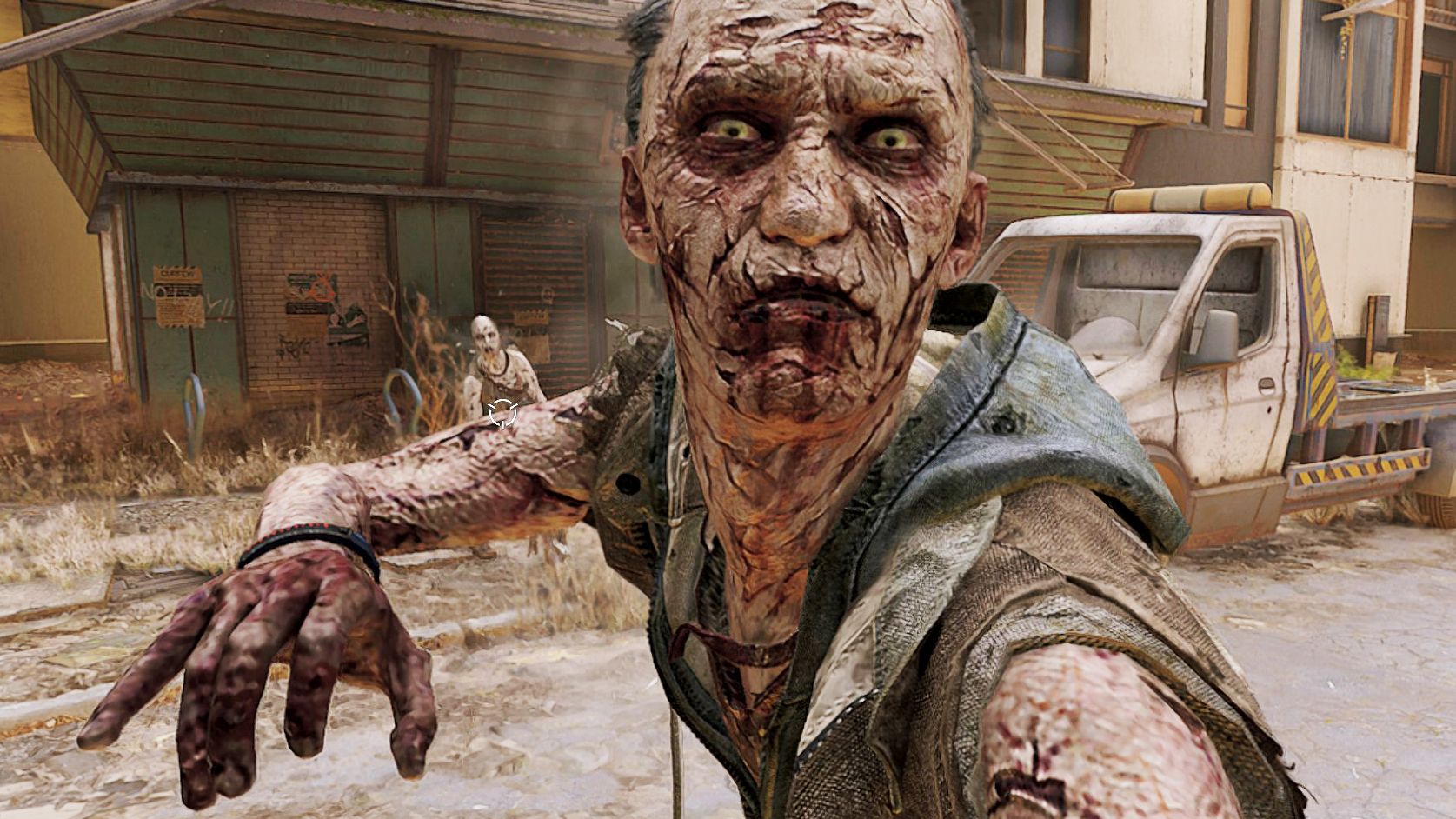
Tymon Smektała stepped away from directing Dying Light earlier this month after 13 years with the zombie parkour franchise. At the Digital Dragons Conference, he shared his philosophy on something every game studio struggles with: how much to listen to players.
His answer sits in uncomfortable middle ground. Players deserve to be heard. They also shouldn't be obeyed.
The Ownership Shift
Smektała's core argument is that releasing a game changes its fundamental nature. It stops being the studio's creation and becomes shared property.
“As soon as you release the game, it stops being only your game. Suddenly, there are hundreds, thousands, hopefully millions of 'stakeholders,' players with opinions, expectations, memories, frustrations, theories, ideas, requests. Suddenly, the game starts belonging not only to you, the makers, the creators, but also to the people who play it.”
— Tymon Smektała, former Dying Light director
This isn't just philosophy. It's economics. Games now depend heavily on word of mouth, streamer coverage, and community backing. Steam player counts may not tell the whole story, but they influence purchasing decisions. A healthy community keeps a live service game alive. An angry one can tank it.
Smektała frames this as relationship building rather than transaction. "We are not just selling products to customers, we are building a leading relationship with our community," he said.
The Listening Paradox
Here's where Smektała's advice gets tricky. Listen to players, yes. But don't take their word as gospel.
“This doesn't mean that you have to do what the loudest players are saying. Players are not always right about the solution… They're very often wrong.”
— Tymon Smektała
The distinction he draws is between feelings and solutions. Players are always right about how they feel. If a mechanic frustrates them, that frustration is real. If a narrative choice bothers them, that discomfort matters. If something excites or scares them, pay attention.
But their proposed fixes? Those often miss the mark. A player might demand a boss be nerfed when the real problem is unclear attack telegraphing. They might ask for a feature that would break game balance. The job of the developer is to diagnose the underlying issue, not implement the first suggested remedy.
Why This Matters Now
Game development has changed. The release date used to be the finish line. Now it's closer to the starting gun.
Live service games receive updates for years. Even single player titles get patches, DLC, and sometimes complete overhauls based on reception. The relationship between developer and player has become ongoing rather than transactional.
This creates pressure. Some studios chase every trending complaint on Reddit. Others wall themselves off entirely. Neither extreme works well.
Smektała's framework offers a middle path. Acknowledge that players have legitimate ownership stake in a game they've invested time in. Take their emotional responses seriously. But maintain enough creative distance to diagnose problems properly and implement solutions that actually work.
The Dying Light Example
Dying Light's success suggests this approach works. The original game launched in 2015 and received support for years. Its sequel, Dying Light 2, arrived in 2022 after multiple delays. Both games maintained active player communities.
The franchise became known for listening to its community while maintaining creative vision. That balance kept players engaged through a development process that wasn't always smooth.
Logicity's Take
Frequently Asked Questions
Who is Tymon Smektała?
Tymon Smektała served as director for the Dying Light franchise at Techland for 13 years before stepping away from the role in early 2025.
Should game developers always listen to player feedback?
According to Smektała, developers should always listen to player feelings but not always implement player-suggested solutions. Players accurately identify problems but often propose fixes that wouldn't work.
What does Smektała mean by games belonging to players?
He argues that once a game releases, it becomes shared property between creators and the community. Players invest time, form memories, and develop expectations that give them legitimate stake in the game's direction.
How important is community for game success?
Increasingly critical. Word of mouth, streamer coverage, and community backing now drive game sales and longevity. Steam player counts influence purchasing decisions and studio reputations.
Need Help Implementing This?
Source: PCGamer latest
Manaal Khan
Tech & Innovation Writer
اقرأ أيضاً

رأي مغاير: كيف يؤثر اختراق الأمن الداخلي الأميركي على شركاتنا الخاصة؟
في ظل اختراق عقود الأمن الداخلي الأميركي مع شركات خاصة، نناقش تأثير هذا الاختراق على مستقبل الأمن السيبراني. نستعرض الإحصاءات الموثوقة ونناقش كيف يمكن للشركات الخاصة أن تتعامل مع هذا التهديد. استمتع بقراءة هذا التحليل العميق

الإنسان في زمن ما بعد الوجود البشري: نحو نظام للتعايش بين الإنسان والروبوت - Centre for Arab Unity Studies
في هذا المقال، سنناقش كيف يمكن للبشر والروبوتات التعايش في نظام متكامل. سنستعرض التحديات والحلول المحتملة التي تضعها شركات مثل جوجل وأمازون. كما سنلقي نظرة على التوقعات المستقبلية وفقًا لتقرير ماكنزي

إطلاق ناسا لمهمة مأهولة إلى القمر: خطوة تاريخية نحو استكشاف الفضاء
تعتبر المهمة الجديدة خطوة هامة نحو استكشاف الفضاء وتطوير التكنولوجيا. سوف تشمل المهمة إرسال رواد فضاء إلى سطح القمر لconducting تجارب علمية. ستسهم هذه المهمة في تطوير فهمنا للفضاء وتحسين التكنولوجيا المستخدمة في استكشاف الفضاء.