Dell XPS 13 at $699: Wildcat Lake takes aim at MacBook Neo
Key Takeaways
- Dell's entry-level XPS 13 starts at $699 ($599 for students) with Intel's new Wildcat Lake processor
- The laptop weighs just 2.2 pounds with a 13.4-inch 120Hz touch display, undercutting MacBook Neo by half a pound
- Single-channel memory limits performance, but Panther Lake models with dual-channel support are coming
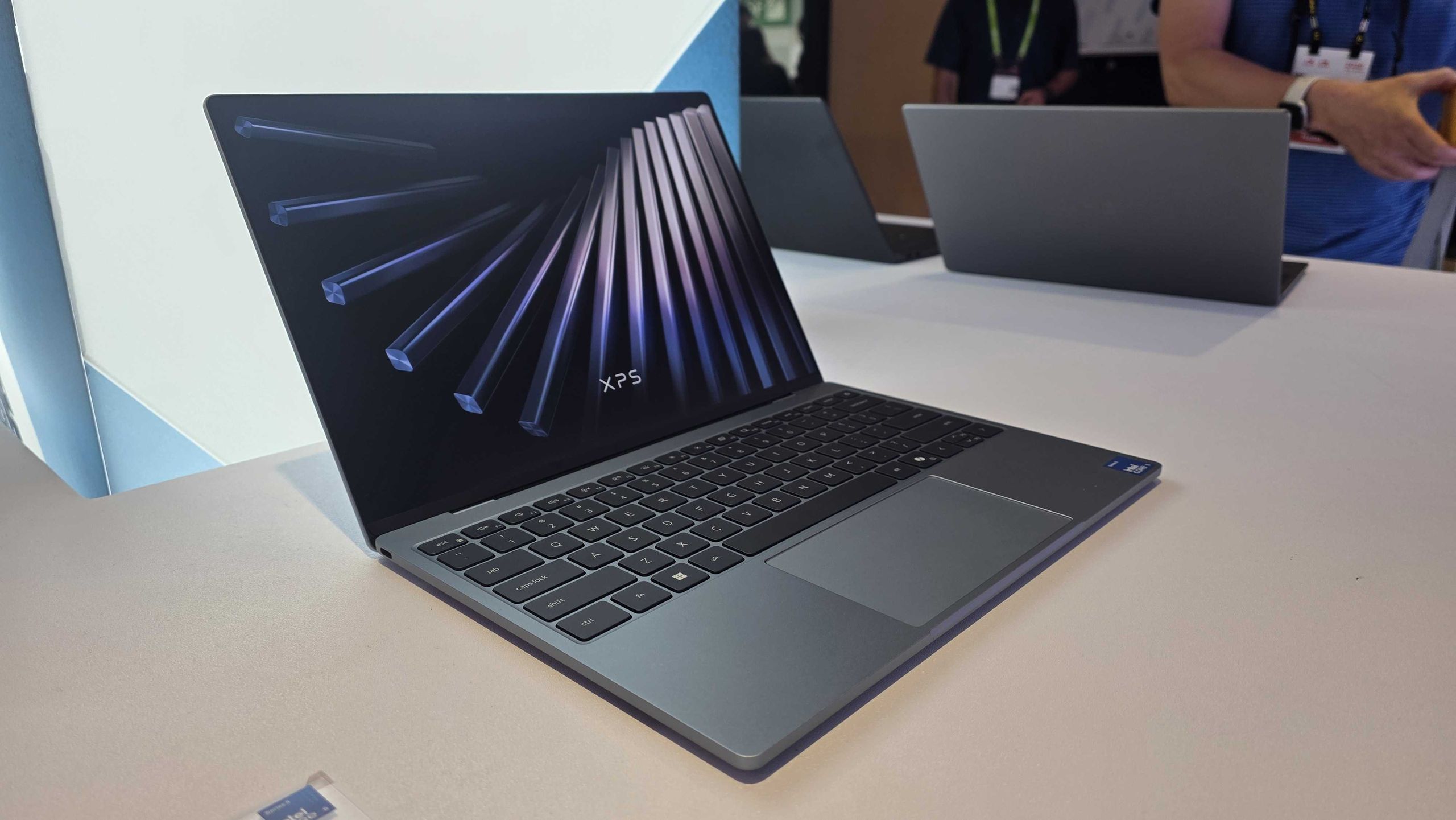
Dell's $699 XPS 13 is now shipping, putting Intel's Wildcat Lake chips inside the company's premium ultrabook chassis for the first time. Students get it for $599. The machine directly targets Apple's MacBook Neo, which occupies the same price bracket with similar promises: premium build, modest specs, all-day battery.
This is Dell's attempt to prove that entry-level doesn't have to feel entry-level. The all-aluminum body weighs 2.2 pounds, about 20% lighter than the MacBook Neo's 2.7 pounds. You get a 13.4-inch 2560x1600 touch display running at 120Hz and 500 nits brightness. That's a better panel than most laptops costing $200 more.
What's inside the new XPS 13?
The $699 configuration ships with Intel's Core 5 320 processor. This is a six-core Wildcat Lake chip: two Cougar Cove performance cores and four Darkmont low-power efficiency cores. Base power draw sits at 15W, with turbo peaking at 35W. Intel Graphics with two Xe3 cores handles display output and light GPU tasks.
Memory is 8GB of LPDDR5X-7467 in a single-channel configuration. Storage is a 512GB NVMe SSD. Ports are limited to two USB 3.2 Gen 2 Type-C connectors. Wi-Fi 7 is included, which is notable at this price.

The 52Whr battery reportedly pushes up to 17 hours of runtime, competitive with Apple's efficiency-focused silicon. The NPU delivers 40 TOPS, meeting Microsoft's Copilot+ AI PC requirements. That's surprising for a chip this stripped-back.
Why single-channel memory matters
Here's the tradeoff Dell made to hit $699. Wildcat Lake uses single-channel memory across the board. Even the $899 configuration with 16GB still runs in single-channel mode. Memory bandwidth drops by roughly half compared to dual-channel setups.
For web browsing, documents, and video streaming, you won't notice. For anything memory-intensive, like running multiple browser tabs alongside Slack and a local LLM, the bottleneck becomes real. Developers on Reddit's r/laptop community have flagged this as a concern for coding workflows.
Dell says Panther Lake configurations are coming later. Those will include dual-channel memory, the Core Ultra 7 355 processor, Thunderbolt 4, and memory options up to 32GB. If single-channel is a dealbreaker, wait for those SKUs.
How does it compare to MacBook Neo?
Apple's MacBook Neo occupies the same market position: affordable entry point, premium materials, efficiency-first chip design. The XPS 13 undercuts it on weight and display refresh rate. The Neo likely wins on memory architecture, given Apple's unified memory approach versus Intel's single-channel limitation.
Price parity puts these machines in direct competition. The choice comes down to ecosystem preference and whether you value the 120Hz touch display over Apple's software integration. Neither machine is for power users. Both are for people who want something that looks and feels expensive without costing $1,200.
Available configurations and what's coming
Right now Dell sells two configurations: the $699 base model with 8GB RAM and 512GB storage, and an $899 variant with 16GB RAM. Both use the same Core 5 320 processor and single-channel memory.
Dell has announced 256GB and 1TB storage options, but neither is available yet. The Panther Lake models with Core Ultra 7 355 chips will arrive later, bringing Thunderbolt 4 and dual-channel memory support. No pricing or dates announced for those.
| Spec | Dell XPS 13 ($699) | Dell XPS 13 ($899) |
|---|---|---|
| CPU | Intel Core 5 320 | Intel Core 5 320 |
| Memory | 8GB LPDDR5X (single-channel) | 16GB LPDDR5X (single-channel) |
| Storage | 512GB NVMe | 512GB NVMe |
| Display | 13.4" 2.5K 120Hz touch | 13.4" 2.5K 120Hz touch |
| Weight | 2.2 lbs | 2.2 lbs |
Who should buy this?
Students on a budget who want something that doesn't feel like a compromise. Professionals who need a lightweight travel machine for email, documents, and video calls. Anyone who prioritizes build quality and display over raw compute power.
Skip this if you compile code, run local AI models, or regularly work with large files. The single-channel memory will frustrate you. Wait for the Panther Lake SKUs or look at higher-end options entirely.
Logicity's Take
Dell is betting that the sub-$800 laptop buyer cares more about how a machine looks and feels than how it benchmarks. That's probably correct. Most people buying at this price use Chrome, Zoom, and Office. They never hit memory bandwidth limits. The 120Hz display and 2.2-pound chassis will matter more to them than dual-channel specs. Intel's Wildcat Lake gives Dell a way to deliver premium aesthetics without premium thermals or power draw. The question is whether Apple's MacBook Neo can match this hardware polish at the same price. If it can, the XPS 13 becomes a harder sell outside the Windows-loyal crowd.
Frequently Asked Questions
What processor does the $699 Dell XPS 13 use?
The base model uses Intel's Core 5 320, a six-core Wildcat Lake chip with two performance cores and four efficiency cores, running at up to 4.6 GHz.
Can you upgrade the RAM in the new XPS 13?
No. Memory is soldered. The $699 model ships with 8GB and cannot be upgraded. If you need more, buy the $899 16GB configuration upfront.
Does the Dell XPS 13 have Thunderbolt 4?
The current Wildcat Lake models have USB 3.2 Gen 2 Type-C only. Thunderbolt 4 will come with the upcoming Panther Lake configurations.
How does battery life compare to MacBook Neo?
Dell claims up to 17 hours, which is competitive with Apple's efficiency-focused chips. Real-world results will depend on workload and display brightness.
Is the $599 student price available to everyone?
No. The $599 price requires student verification through Dell's education store. General consumers pay $699.
Need Help Implementing This?
Evaluating laptops for your team or organization? Logicity covers the hardware decisions that matter for developers, founders, and tech leaders. Subscribe to our newsletter for in-depth analysis on the tools that run your business.
Source: Latest from Tom's Hardware
Manaal Khan
Tech & Innovation Writer
اقرأ أيضاً

رأي مغاير: كيف يؤثر اختراق الأمن الداخلي الأميركي على شركاتنا الخاصة؟
في ظل اختراق عقود الأمن الداخلي الأميركي مع شركات خاصة، نناقش تأثير هذا الاختراق على مستقبل الأمن السيبراني. نستعرض الإحصاءات الموثوقة ونناقش كيف يمكن للشركات الخاصة أن تتعامل مع هذا التهديد. استمتع بقراءة هذا التحليل العميق

الإنسان في زمن ما بعد الوجود البشري: نحو نظام للتعايش بين الإنسان والروبوت - Centre for Arab Unity Studies
في هذا المقال، سنناقش كيف يمكن للبشر والروبوتات التعايش في نظام متكامل. سنستعرض التحديات والحلول المحتملة التي تضعها شركات مثل جوجل وأمازون. كما سنلقي نظرة على التوقعات المستقبلية وفقًا لتقرير ماكنزي

إطلاق ناسا لمهمة مأهولة إلى القمر: خطوة تاريخية نحو استكشاف الفضاء
تعتبر المهمة الجديدة خطوة هامة نحو استكشاف الفضاء وتطوير التكنولوجيا. سوف تشمل المهمة إرسال رواد فضاء إلى سطح القمر لconducting تجارب علمية. ستسهم هذه المهمة في تطوير فهمنا للفضاء وتحسين التكنولوجيا المستخدمة في استكشاف الفضاء.