CB vs GMRS vs Ham Radio: Which License Do You Actually Need?
Key Takeaways
- CB radio requires no license but is limited to 40 channels with poor range beyond line of sight
- GMRS costs $35 for a 10-year family license and has become the go-to for outdoor groups and off-roaders
- Amateur radio requires passing a technical exam but offers the highest power, most frequencies, and global communication capabilities
I don't think you need to be building a bunker to appreciate what happens when your phone can't find a signal and the Wi-Fi suddenly dies. Most of us treat modern communication infrastructure as magic that just works. Towers, fiber-optic cables, apps. It all keeps flowing until it doesn't.
When it fails, you get a whole new understanding of just how fragile telecommunication networks actually are. That fragility is exactly what makes radio interesting again. It feels like old tech and long nights yelling "CQ" into a microphone, but it has a real place in modern society alongside smartphones and laptops.
In the US, you have three main options for personal radio communication: CB (Citizens Band), GMRS (General Mobile Radio Service), and amateur (ham) radio. Each serves different purposes, costs different amounts, and requires different levels of commitment. Here's how to figure out which one fits your situation.
CB Radio: No License, But Major Limits
CB radio is the option most people have at least heard of. It's been associated with truckers, farmers, and off-roaders for decades. People who just need a simple way to talk without thinking about frequencies or modes. That familiarity is what makes CB useful. It's not intimidating, and you're unlikely to cause interference or accidentally broadcast over an emergency channel.
In the US, CB radio doesn't require an FCC license. That makes it the easiest way to experiment with radio communication. You buy a radio, turn it on, and start talking.
CB offers 40 channels in the 27 MHz range (11 meters). Modern radios can use AM, FM, and Single-Side Band (SSB). In countries like Australia and New Zealand, UHF frequencies can also be used alongside the 11-meter band.
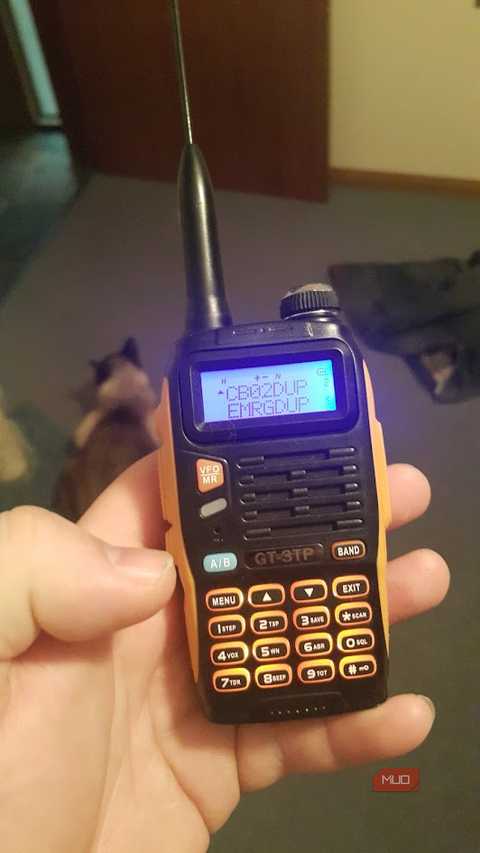
The catch: CB is really only good for short-range communication. I wouldn't rely on it for anything beyond line of sight. The 27 MHz frequency band is also notoriously noisy, filled with atmospheric interference and skip conditions that can make local communication unreliable while letting you accidentally hear someone in another country.
CB can get your foot in the door, but licensed operation is where radio starts to become far more useful.
GMRS: The Modern Family Radio
GMRS has emerged as what many in the radio community call "CB 2.0." It operates on UHF frequencies (around 462-467 MHz), which provide clearer audio and better penetration through obstacles than CB's 27 MHz band. The radios are smaller, the antennas are more compact, and the audio quality is noticeably better.
Unlike CB, GMRS does require an FCC license. But there's no exam. You fill out an application, pay $35, and you're licensed for 10 years. Your spouse and children are also covered under the same license. For a family that goes camping, hiking, or off-roading together, GMRS is hard to beat on value.
GMRS also supports repeaters. These are relay stations, often on hilltops, that receive your signal and retransmit it at higher power. This extends your range dramatically. Many communities have public or semi-public GMRS repeaters you can use.
“GMRS is 'CB 2.0'—simple, pre-programmed, and ideal for 'normal people' doing activities like hiking or off-roading.”
— NotaRubicon, Tech Content Creator
The off-roading community has noticed. Reddit communities like r/gmrs and r/cbradio frequently discuss what's called the "off-roading shift." Many Jeep and Toyota clubs have officially migrated from CB to GMRS because of better handheld performance and smaller, more durable antennas.
That said, CB still has one advantage for long-distance drivers: truckers use it. If you want real-time traffic warnings from someone who just drove through whatever's ahead of you, CB channel 19 is still where that happens.
Amateur Radio: Maximum Capability, Exam Required
Amateur radio is the heavyweight option. It offers the highest power limits, the most frequency bands, and capabilities that include bouncing signals off the moon, communicating through satellites, and talking to people on the other side of the planet using nothing but a wire antenna and the ionosphere.
The entry-level Technician license is actually a lot easier to get than most people assume. The exam is 35 multiple-choice questions. Study materials are free online, and most people pass after a week or two of casual study. The exam fee is typically $15, though some volunteer examiner groups charge nothing.
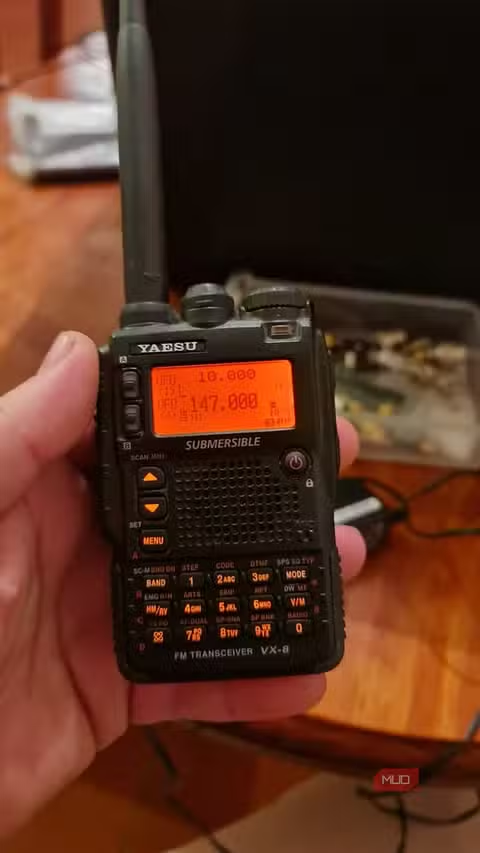
As of May 2026, there are 733,461 active FCC amateur radio licenses in the US. Worldwide, an estimated 3 million people hold amateur radio licenses. The ham radio equipment market is projected to grow at 5.5% annually through 2033, driven by software-defined radio (SDR) and AI integration.
The Technician license gives you access to VHF and UHF frequencies, which are good for local communication and accessing repeaters. Higher license classes (General and Extra) unlock HF frequencies, where you can communicate across continents without any infrastructure. Just your radio and an antenna.
“While Ham radio is technically superior on paper, GMRS is rapidly replacing the 'social role' Ham radio used to fill because it is easier and friendlier for families.”
— HamShackTV Host
That quote gets at something important. Ham radio offers maximum technical capability, but it requires more investment. Not just in getting the license, but in learning how radio propagation works, how to choose equipment, and how to operate effectively. For some people, that's the appeal. For others, it's a barrier.
How the Three Services Compare
| Feature | CB Radio | GMRS | Amateur Radio |
|---|---|---|---|
| License Required | No | Yes ($35/10 years) | Yes (exam required) |
| Family Coverage | N/A | Entire immediate family | Individual only |
| Frequency Band | 27 MHz (HF) | 462-467 MHz (UHF) | Multiple HF/VHF/UHF bands |
| Typical Range | 1-5 miles | 2-25 miles (repeater-assisted) | Local to global |
| Repeater Access | No | Yes | Yes |
| Audio Quality | Often poor (AM noise) | Good (FM) | Varies by mode |
| Equipment Cost | $50-200 | $30-500 | $30-5000+ |
| Best For | Truckers, casual use | Families, outdoor groups | Hobbyists, emergency comms |
Which Should You Get?
If you just want to listen to truckers or need occasional backup communication with zero paperwork, CB is fine. The radios are cheap, and you can start immediately.
If you do outdoor activities with family or friends and want reliable local communication, GMRS is the clear choice. The $35 family license makes it the most cost-effective option for groups, and the equipment is easy to use right out of the box.
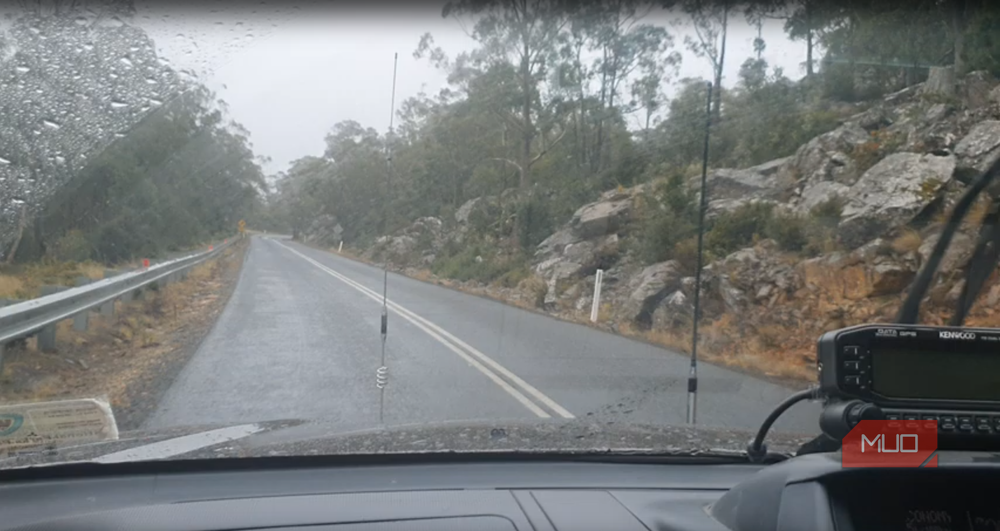
If you want to go deeper into radio as a hobby, or you're serious about emergency preparedness that doesn't depend on any infrastructure, amateur radio is worth the effort of getting licensed. The Technician exam isn't hard. What you get in return is access to a global communication network that works when everything else fails.
There's nothing stopping you from having all three. Many radio enthusiasts do. But if you're picking one to start with, GMRS hits the sweet spot for most people. Easy licensing, good equipment options, clear audio, and enough capability to be genuinely useful.
Logicity's Take
Getting Started
For GMRS, apply through the FCC Universal Licensing System (ULS). The process is online and straightforward. For amateur radio, find a local exam session through ARRL.org or HamStudy.org. Many sessions are now held online via video conference.
For equipment, don't overthink it at first. A $30-50 handheld radio is enough to get started with either GMRS or amateur VHF/UHF. You can always upgrade later once you know what you actually need.
Frequently Asked Questions
Can I use a ham radio without a license?
You can listen to amateur radio frequencies without a license, but transmitting requires passing an FCC exam. Using amateur frequencies without a license carries fines up to $100,000 per violation.
Is GMRS the same as FRS (the walkie-talkies at Walmart)?
No. FRS (Family Radio Service) is license-free but limited to 2 watts and non-removable antennas. GMRS allows up to 50 watts and external antennas. Some radios are dual FRS/GMRS, but higher-power GMRS features require a license.
How far can GMRS radios reach?
Handheld to handheld, expect 1-5 miles depending on terrain. With a repeater, 25+ miles is common. Some GMRS users report contacts over 50 miles using high-mounted antennas and repeaters.
Do I need a separate GMRS license for each family member?
No. A single GMRS license covers the licensee, their spouse, children, grandchildren, stepchildren, parents, grandparents, stepparents, siblings, aunts, uncles, nieces, nephews, and in-laws.
How hard is the amateur radio Technician exam?
Most people pass after 5-10 hours of study. The question pool is public, so you know exactly what could be asked. Free study apps like HamStudy drill you on the actual exam questions.
If communication resilience interests you, understanding how even government networks can be compromised adds context to why infrastructure-independent options matter.
Need Help Implementing This?
Source: MakeUseOf
Manaal Khan
Tech & Innovation Writer
اقرأ أيضاً

رأي مغاير: كيف يؤثر اختراق الأمن الداخلي الأميركي على شركاتنا الخاصة؟
في ظل اختراق عقود الأمن الداخلي الأميركي مع شركات خاصة، نناقش تأثير هذا الاختراق على مستقبل الأمن السيبراني. نستعرض الإحصاءات الموثوقة ونناقش كيف يمكن للشركات الخاصة أن تتعامل مع هذا التهديد. استمتع بقراءة هذا التحليل العميق

الإنسان في زمن ما بعد الوجود البشري: نحو نظام للتعايش بين الإنسان والروبوت - Centre for Arab Unity Studies
في هذا المقال، سنناقش كيف يمكن للبشر والروبوتات التعايش في نظام متكامل. سنستعرض التحديات والحلول المحتملة التي تضعها شركات مثل جوجل وأمازون. كما سنلقي نظرة على التوقعات المستقبلية وفقًا لتقرير ماكنزي

إطلاق ناسا لمهمة مأهولة إلى القمر: خطوة تاريخية نحو استكشاف الفضاء
تعتبر المهمة الجديدة خطوة هامة نحو استكشاف الفضاء وتطوير التكنولوجيا. سوف تشمل المهمة إرسال رواد فضاء إلى سطح القمر لconducting تجارب علمية. ستسهم هذه المهمة في تطوير فهمنا للفضاء وتحسين التكنولوجيا المستخدمة في استكشاف الفضاء.