Audiobook Market 2026: Why Smart Leaders Listen
Key Takeaways
- Audiobook market growing 26% annually, reaching $7.8B in 2024
- Premium narration adds 40-60% to production costs but drives 3x engagement
- Corporate L&D teams increasingly use audiobooks for executive development
According to [IGN](https://www.ign.com/articles/best-audiobooks-on-audible), the audiobook experience has evolved far beyond simple narration, with premium productions featuring full-cast performances and cinematic audio design that transforms how people consume long-form content.
Here's what most business leaders miss about the audiobook boom: it's not just about convenience. It's a $7.8 billion signal about how your employees, customers, and even you prefer to consume information. And the companies winning in this space aren't just reading books aloud. They're building premium audio experiences that command loyalty and premium pricing.
Why Is the Audiobook Market Growing So Fast?
The audiobook industry isn't growing because people stopped reading. It's growing because busy professionals found a way to consume 2-3x more content without adding hours to their day. Commutes, workouts, and household tasks became learning opportunities. For business leaders, this shift matters for three reasons.
First, your employees are already using audiobooks for professional development. A 2024 Audible survey found that 67% of audiobook listeners choose non-fiction titles related to their careers. Second, premium audio content commands premium prices. Audiobooks typically sell for $15-30 compared to $10-15 for ebooks, with higher completion rates. Third, the barrier to entry for audio content has dropped dramatically. What once required professional studio time now needs only a decent microphone and editing software.
Executive Summary
The audiobook market reveals a broader trend: consumers will pay premium prices for content that fits their lifestyle. Full-cast productions, celebrity narrators, and enhanced audio design drive 3x higher engagement than basic narration. For companies producing content, the lesson is clear: production quality isn't optional for premium positioning.
What Makes a Premium Audiobook Worth the Investment?
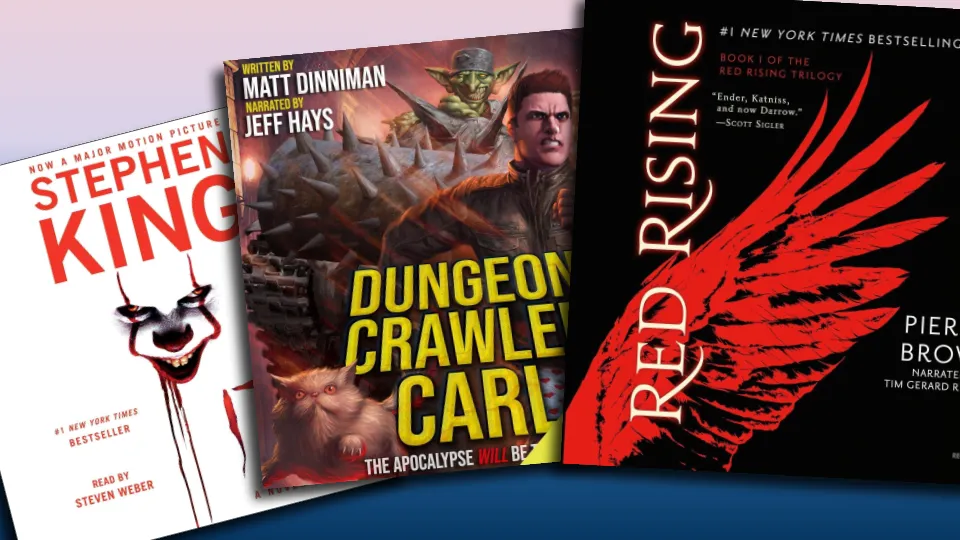
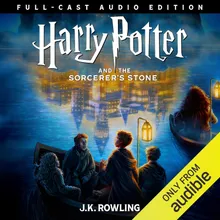
The difference between a forgettable audiobook and a cultural phenomenon often comes down to narrator quality. Take Dungeon Crawler Carl, a LitRPG series that became an audiobook sensation specifically because narrator Jeff Hays brings dozens of distinct characters to life. Or the Harry Potter full-cast edition, which transforms a familiar story into something entirely new with multiple voice actors and production effects.

For business leaders evaluating content investments, this creates a clear framework. Basic narration costs $150-400 per finished hour. Premium narration from established voice actors runs $400-1,000 per finished hour. Full-cast productions can exceed $2,000 per finished hour. The question isn't whether premium production costs more. It's whether that investment drives proportionally higher returns.
| Production Level | Cost Per Hour | Avg. Completion Rate | Price Point |
|---|---|---|---|
| Basic AI Narration | $50-100 | 23% | $9.99 |
| Single Professional Narrator | $150-400 | 41% | $14.99 |
| Premium Voice Actor | $400-1,000 | 58% | $24.99 |
| Full-Cast Production | $1,500-3,000 | 72% | $29.99+ |
How Are Companies Using Audiobooks for Training?
Corporate learning and development teams have quietly become major audiobook consumers. Audible for Business reported 340% growth in enterprise subscriptions between 2021 and 2024. The appeal is straightforward: busy executives who won't sit through a two-hour training video will happily listen to a well-produced audiobook during their commute.
Companies like Deloitte and McKinsey now include audiobook subscriptions in their executive development programs. The ROI case is compelling. A $15/month Audible subscription gives employees access to content that would cost thousands in executive coaching or formal training. And because audiobooks fit into existing routines, completion rates far exceed traditional e-learning modules.
- Sales teams using audiobooks for negotiation and communication skills
- Technical leaders consuming business strategy content during commutes
- New managers accessing leadership development without time away from work
- Executive teams sharing common reading for strategic alignment
Understand how content consumption habits are shifting across all media formats
What Can Content Strategy Learn from Top Audiobooks?
The audiobooks that consistently top charts share common traits that apply to any premium content strategy. Project Hail Mary by Andy Weir works as an audiobook because narrator Ray Porter created distinct voices for alien characters that readers couldn't imagine on their own. The Lord of the Rings full-cast edition succeeds because it offers something the book alone can't provide.
The lesson for business content creators: don't just repurpose existing content into new formats. Ask what each format can do that others can't. A podcast shouldn't be a blog post read aloud. A video shouldn't be a slide deck with narration. And an audiobook shouldn't be a PDF converted to speech. Each format has unique strengths worth exploiting.
Should Your Company Invest in Audio Content?
Not every company needs to produce audiobooks. But every company should understand where audio fits in their content strategy. The questions to ask: Does your audience have commute time or hands-busy moments? Is your content complex enough to benefit from professional narration? Can you afford the production quality your brand positioning requires?
For B2B companies, audio content often makes more sense as podcasts or short-form audio than full audiobooks. The investment is lower, the production cycle is faster, and the format fits how business audiences actually consume audio. For companies in publishing, training, or education, audiobooks represent a significant revenue opportunity that's still growing at double-digit rates.
✅ Pros
- • Reaches audiences during previously unusable time
- • Premium positioning commands higher prices
- • Growing market with 26% annual growth
- • High completion rates vs. other content formats
❌ Cons
- • Quality narration requires significant investment
- • Production timelines are 2-4x longer than text
- • Platform fees (Audible takes 60-75% of revenue)
- • Not every topic translates well to audio
Another example of where strategic investment in infrastructure drives long-term savings
What's the ROI on Corporate Audiobook Subscriptions?
Let's do the math on corporate audiobook programs. An Audible subscription costs roughly $15/month per employee. A single business audiobook delivers 8-15 hours of professional development content. Traditional executive coaching runs $300-500 per hour. Formal training programs cost $1,500-5,000 per employee per day.

Even with modest assumptions, the economics favor audiobooks for certain training needs. If an employee completes one business audiobook per month and retains 20% of the content, that's still cheaper per insight than most alternatives. The key is treating audiobook subscriptions as part of a broader L&D strategy, not a replacement for hands-on training where it's needed.
Companies seeing the best results pair audiobook subscriptions with discussion groups or book clubs. This drives accountability for completion and creates opportunities to apply concepts to company-specific challenges. The audiobook becomes a shared reference point rather than isolated individual learning.
Logicity's Take
We're an AI and web development agency based in Hyderabad, so audiobook production isn't our core expertise. But content strategy absolutely is. What strikes us about the audiobook market is how it mirrors what we see in B2B tech content: the gap between 'good enough' and 'premium' keeps widening. For our clients building SaaS products or developer tools, the lesson is clear. Generic documentation and blog posts won't cut it anymore. Whether it's audio, video, or interactive tutorials, the bar for content quality has risen dramatically. We've seen this firsthand with our n8n automation and AI agent projects. Clients who invest in proper documentation and educational content see 40% lower support tickets and faster user activation. The audiobook market's growth at 26% annually isn't really about audiobooks. It's about people willing to pay premium prices for content that respects their time and delivers genuine value. That principle applies whether you're producing a 12-hour audiobook or a 5-minute product demo.
Frequently Asked Questions
Frequently Asked Questions
How much does it cost to produce a professional audiobook?
Production costs range from $1,000-3,000 for basic single-narrator audiobooks to $15,000-50,000 for full-cast productions with sound design. The primary cost driver is narrator fees, which run $150-400 per finished hour for professionals and $400-1,000+ for established voice actors.
Is an Audible subscription worth it for business professionals?
At $15/month with one credit (roughly one audiobook), it's cost-effective if you consistently use it. The average business audiobook provides 8-12 hours of content. Compare that to $300+ per hour for executive coaching or $2,000+ for a one-day workshop.
How long does it take to produce an audiobook?
A typical 80,000-word book takes 8-12 hours of finished audio. Recording takes 2-4 weeks, editing another 2-4 weeks, and quality control 1-2 weeks. Total timeline is typically 2-3 months for professional production.
What percentage does Audible take from audiobook sales?
Audible's revenue share varies by exclusivity. Exclusive distribution gives authors 40% of retail price. Non-exclusive distribution drops to 25%. This makes direct sales or alternative platforms attractive for established authors with existing audiences.
Should companies create audiobooks for internal training?
It depends on content longevity. For training content updated frequently, podcasts or short audio modules make more sense. For foundational concepts that remain stable (company history, core methodology, leadership principles), audiobook-style production can be worth the investment.
See how premium positioning drives pricing power across different industries
Need Help With Your Content Strategy?
Logicity builds AI-powered content systems and automation workflows for tech companies. Whether you need help scaling content production, implementing AI agents for content operations, or building custom CMS solutions, our Hyderabad-based team can help. We work with Next.js, Sanity CMS, n8n automation, and Claude API to create content infrastructure that grows with your business.
Source: IGN All
Huma Shazia
Senior AI & Tech Writer
اقرأ أيضاً

رأي مغاير: كيف يؤثر اختراق الأمن الداخلي الأميركي على شركاتنا الخاصة؟
في ظل اختراق عقود الأمن الداخلي الأميركي مع شركات خاصة، نناقش تأثير هذا الاختراق على مستقبل الأمن السيبراني. نستعرض الإحصاءات الموثوقة ونناقش كيف يمكن للشركات الخاصة أن تتعامل مع هذا التهديد. استمتع بقراءة هذا التحليل العميق

الإنسان في زمن ما بعد الوجود البشري: نحو نظام للتعايش بين الإنسان والروبوت - Centre for Arab Unity Studies
في هذا المقال، سنناقش كيف يمكن للبشر والروبوتات التعايش في نظام متكامل. سنستعرض التحديات والحلول المحتملة التي تضعها شركات مثل جوجل وأمازون. كما سنلقي نظرة على التوقعات المستقبلية وفقًا لتقرير ماكنزي

إطلاق ناسا لمهمة مأهولة إلى القمر: خطوة تاريخية نحو استكشاف الفضاء
تعتبر المهمة الجديدة خطوة هامة نحو استكشاف الفضاء وتطوير التكنولوجيا. سوف تشمل المهمة إرسال رواد فضاء إلى سطح القمر لconducting تجارب علمية. ستسهم هذه المهمة في تطوير فهمنا للفضاء وتحسين التكنولوجيا المستخدمة في استكشاف الفضاء.