Astronaut Sophie Adenot Photographs Mount Vesuvius from ISS
Key Takeaways
- Sophie Adenot photographed Mount Vesuvius during Day 103 of her ISS mission, capturing the volcano's crater and Naples in a single frame
- The ISS travels at 17,500 mph, giving astronauts only seconds to photograph specific surface targets
- Adenot is part of SpaceX's Crew-12 mission and may complete the longest mission ever by a European astronaut
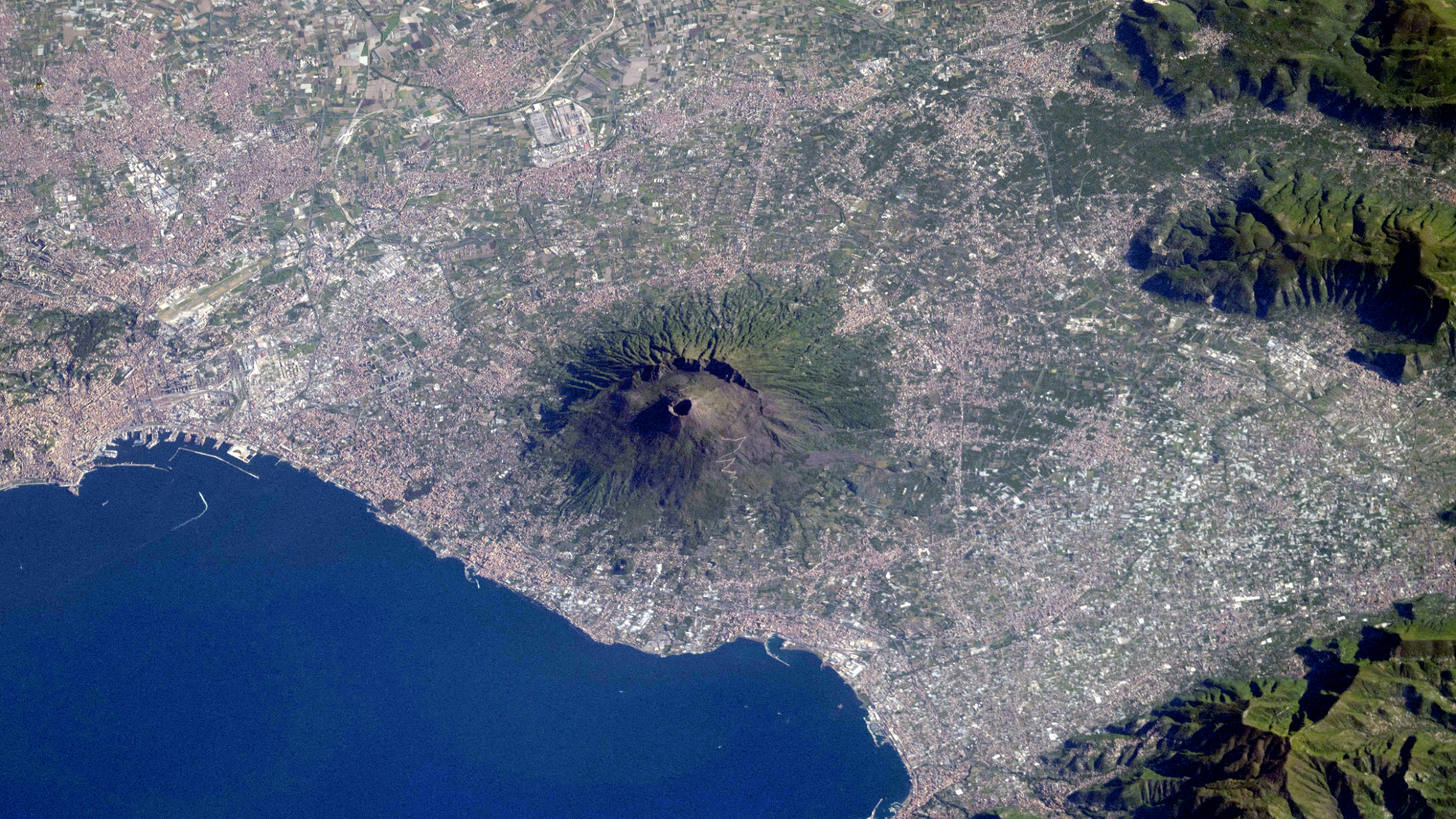
French astronaut Sophie Adenot has shared an extraordinary photograph of Mount Vesuvius taken from the International Space Station. The image, captured during orbit 1598 of her mission, shows the volcano's massive crater, the winding path to its summit, and the city of Naples spreading out around its base.
Adenot, an astronaut with the European Space Agency, is currently aboard the ISS as part of SpaceX's Crew-12 mission. She arrived in February 2026 alongside NASA astronauts Jessica Meir and Jack Hathaway and Russian cosmonaut Andrey Fedyaev. The crew is scheduled to complete a six-month stay in space.
Capturing Volcanoes at 17,500 MPH
The ISS travels at approximately 17,500 mph, which means astronauts have only seconds to frame and capture specific surface targets like Vesuvius. That speed makes each successful photograph a testament to preparation and timing.
“From up here, you don't just see a mountain; you see the deep geological heartbeat of our planet, a reminder of the raw power that shaped human history.”
— Sophie Adenot, ESA Astronaut
Adenot's post on social media described the moment of capture. She noted that Mount Vesuvius was "instantly recognisable by the vast crater, the path winding up to the summit, and, most of all, Naples spread out all around it."
A Mission Marked by Challenges
The Crew-12 mission has not been without complications. On June 5, the crew temporarily took shelter in their Dragon capsule during a spacewalk intended to fix a concerning leak on the station. The Vesuvius photograph was taken before this temporary sheltering event.
Adenot's current mission could stretch to nine months, which would make it the longest mission ever completed by a European astronaut. That extended timeline gives her more opportunities to photograph geological landmarks from orbit.
Mount Etna Also Caught Her Eye
Before capturing Vesuvius, Adenot photographed Mount Etna at the end of April. She described being surprised by the view one morning when she opened the shutters on the ISS.
"The whiteness of its slopes... and that elegant plume of smoke which is a gentle reminder that it's only lightly, very lightly, asleep," Adenot wrote. She noted that the two volcanoes appeared less than a minute apart during her orbital pass over Italy.
Adenot also sent "a special thought" to fellow ESA astronaut Luca Parmitano, who is from Catania at the foot of Mount Etna.
Why Orbital Volcano Photography Matters
Mount Vesuvius sits near Naples, one of the most densely populated volcanic regions in the world. The volcano famously destroyed Pompeii and Herculaneum in 79 AD, an eruption that remains one of the most studied geological events in history.
From the ISS, astronauts provide scientists with unique top-down data on changes in crater morphology and surrounding urban development. These images offer a temporal record that ground-based observation cannot replicate.
The photograph has generated significant discussion online. Users on Reddit's r/space and r/EarthPorn have noted the contrast between the peaceful appearance of the summit from space and the destructive potential it holds over the Italian coastline.
Logicity's Take
Frequently Asked Questions
Who photographed Mount Vesuvius from space?
French ESA astronaut Sophie Adenot captured the image from the International Space Station during Day 103 of her Crew-12 mission.
How fast does the ISS travel?
The International Space Station travels at approximately 17,500 mph, giving astronauts only seconds to photograph specific surface targets.
When did Mount Vesuvius last have a major eruption?
The most famous eruption occurred in 79 AD, destroying Pompeii and Herculaneum. It remains one of the most studied geological events in history.
How long is Sophie Adenot's ISS mission?
Her mission could last up to nine months, potentially making it the longest mission ever completed by a European astronaut.
Need Help Implementing This?
Source: Latest from Space.com
Manaal Khan
Tech & Innovation Writer
اقرأ أيضاً

رأي مغاير: كيف يؤثر اختراق الأمن الداخلي الأميركي على شركاتنا الخاصة؟
في ظل اختراق عقود الأمن الداخلي الأميركي مع شركات خاصة، نناقش تأثير هذا الاختراق على مستقبل الأمن السيبراني. نستعرض الإحصاءات الموثوقة ونناقش كيف يمكن للشركات الخاصة أن تتعامل مع هذا التهديد. استمتع بقراءة هذا التحليل العميق

الإنسان في زمن ما بعد الوجود البشري: نحو نظام للتعايش بين الإنسان والروبوت - Centre for Arab Unity Studies
في هذا المقال، سنناقش كيف يمكن للبشر والروبوتات التعايش في نظام متكامل. سنستعرض التحديات والحلول المحتملة التي تضعها شركات مثل جوجل وأمازون. كما سنلقي نظرة على التوقعات المستقبلية وفقًا لتقرير ماكنزي

إطلاق ناسا لمهمة مأهولة إلى القمر: خطوة تاريخية نحو استكشاف الفضاء
تعتبر المهمة الجديدة خطوة هامة نحو استكشاف الفضاء وتطوير التكنولوجيا. سوف تشمل المهمة إرسال رواد فضاء إلى سطح القمر لconducting تجارب علمية. ستسهم هذه المهمة في تطوير فهمنا للفضاء وتحسين التكنولوجيا المستخدمة في استكشاف الفضاء.