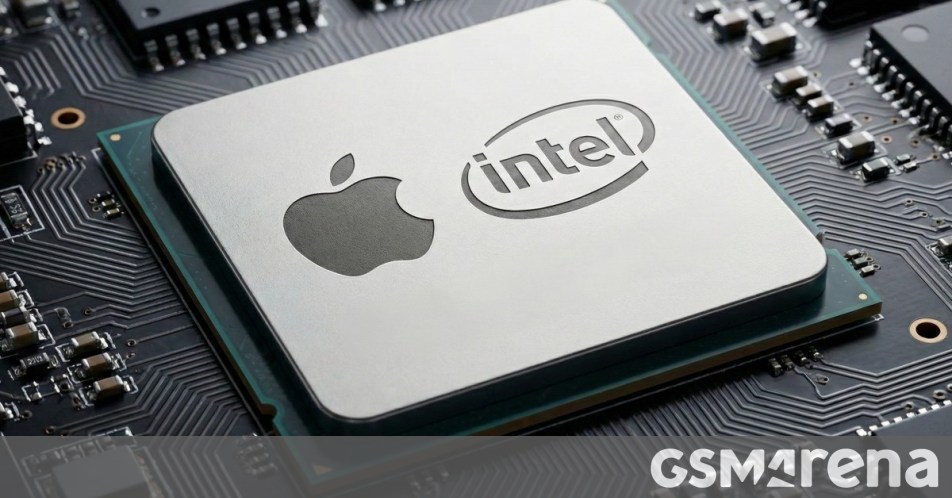
Apple Tests iPhone Chip Production at Intel's US Fabs
Key Takeaways
- Apple and Intel have started small-scale testing of legacy Apple Silicon chips on Intel's 18A-P process
- 80% of these Intel-made chips are destined for iPhones, with production ramp-up planned for 2027-2028
- TSMC will remain Apple's primary supplier with roughly 90% of all Apple Silicon production
Apple has quietly begun testing iPhone chip production at Intel's US factories. The move marks a significant step in Apple's effort to reduce its heavy reliance on Taiwan Semiconductor Manufacturing Company (TSMC), which currently makes nearly all of Apple's custom silicon.
The news comes from Apple analyst Ming-Chi Kuo, who has a track record of accurate predictions about Apple's supply chain moves. According to Kuo, Apple and Intel have kicked off production testing using Intel's 18A-P process node. That process is roughly equivalent to what TSMC uses for the A18 Pro chip found in recent iPhones.
What Apple Is Making at Intel
These aren't flagship processors. Kuo describes them as "legacy Apple Silicon chips" and "low-end chips" destined for iPhones, iPads, and Macs. The analyst estimates that 80% of these Intel-produced chips will go into iPhones.
The production will happen in the United States. This aligns with broader industry trends of reshoring semiconductor manufacturing, driven partly by US government incentives under the CHIPS Act and partly by geopolitical concerns about Taiwan.
The Timeline
Apple and Intel are currently in small-scale testing throughout 2025. Kuo expects production to ramp up in 2027 and 2028 before eventually scaling back in 2029. The limited window suggests Apple views this as a specific project rather than a permanent shift in manufacturing strategy.
Apple is also reportedly evaluating Intel's more advanced process nodes. This suggests Cupertino wants to understand what Intel can deliver beyond the current 18A-P generation before committing to larger orders.
TSMC Stays on Top
Despite the Intel testing, TSMC isn't losing its position as Apple's primary chip supplier. Kuo estimates TSMC will still produce around 90% of all Apple Silicon chips. The Intel partnership appears designed to add manufacturing flexibility rather than replace TSMC entirely.
This follows earlier reports that Apple was also exploring Samsung as a potential chip manufacturing partner. Both moves point to Apple's desire to avoid putting all its eggs in one Taiwanese basket, especially given ongoing tensions between China and Taiwan.
Why This Matters for Intel
For Intel, landing Apple as a foundry customer would be a major validation of its turnaround strategy. Intel has been investing billions to transform itself from a company that only makes its own chips into one that manufactures chips for other companies. Apple, as one of the world's largest chip buyers, represents the kind of customer that could make Intel's foundry business viable.
The 18A-P process is Intel's attempt to match TSMC's leading-edge manufacturing. If Apple's testing goes well, it could open doors to more customers who have been waiting to see if Intel can actually deliver on its promises.
Logicity's Take
Frequently Asked Questions
Will Intel replace TSMC as Apple's chip manufacturer?
No. TSMC will remain Apple's primary supplier with an estimated 90% share of Apple Silicon production. Intel's role appears limited to lower-end chips and serves as a diversification strategy.
Which Apple products will use Intel-made chips?
According to analyst Ming-Chi Kuo, 80% of Intel-produced chips will go into iPhones. The remainder will be used in iPads and Macs. These are described as low-end or legacy chips, not flagship processors.
When will Intel start mass-producing Apple chips?
Apple and Intel are currently in small-scale testing throughout 2025. Mass production is expected to ramp up in 2027 and 2028, with capacity potentially scaling back by 2029.
Why is Apple diversifying away from TSMC?
Apple likely wants to reduce supply chain risk. TSMC is based in Taiwan, which faces ongoing geopolitical tensions with China. Having alternative suppliers in the US provides insurance against potential disruptions.
Need Help Implementing This?
Source: GSMArena.com / Michail
Manaal Khan
Tech & Innovation Writer
اقرأ أيضاً

رأي مغاير: كيف يؤثر اختراق الأمن الداخلي الأميركي على شركاتنا الخاصة؟
في ظل اختراق عقود الأمن الداخلي الأميركي مع شركات خاصة، نناقش تأثير هذا الاختراق على مستقبل الأمن السيبراني. نستعرض الإحصاءات الموثوقة ونناقش كيف يمكن للشركات الخاصة أن تتعامل مع هذا التهديد. استمتع بقراءة هذا التحليل العميق

الإنسان في زمن ما بعد الوجود البشري: نحو نظام للتعايش بين الإنسان والروبوت - Centre for Arab Unity Studies
في هذا المقال، سنناقش كيف يمكن للبشر والروبوتات التعايش في نظام متكامل. سنستعرض التحديات والحلول المحتملة التي تضعها شركات مثل جوجل وأمازون. كما سنلقي نظرة على التوقعات المستقبلية وفقًا لتقرير ماكنزي

إطلاق ناسا لمهمة مأهولة إلى القمر: خطوة تاريخية نحو استكشاف الفضاء
تعتبر المهمة الجديدة خطوة هامة نحو استكشاف الفضاء وتطوير التكنولوجيا. سوف تشمل المهمة إرسال رواد فضاء إلى سطح القمر لconducting تجارب علمية. ستسهم هذه المهمة في تطوير فهمنا للفضاء وتحسين التكنولوجيا المستخدمة في استكشاف الفضاء.