Apple Smart Glasses Aim for 2027, Target $200B Eyewear Market
Key Takeaways
- Apple's smart glasses, codenamed N50, are now expected to ship by early 2027 after delays pushed them past the original late 2026 target.
- Priced between $200 and $500, the glasses will compete directly with traditional eyewear brands like Ray-Ban and Warby Parker, not just tech competitors.
- Apple is betting on brand recognition, iPhone integration, and AI features to convince regular glasses buyers to switch to Apple-branded eyewear.
The Apple Watch Playbook, Applied to Glasses
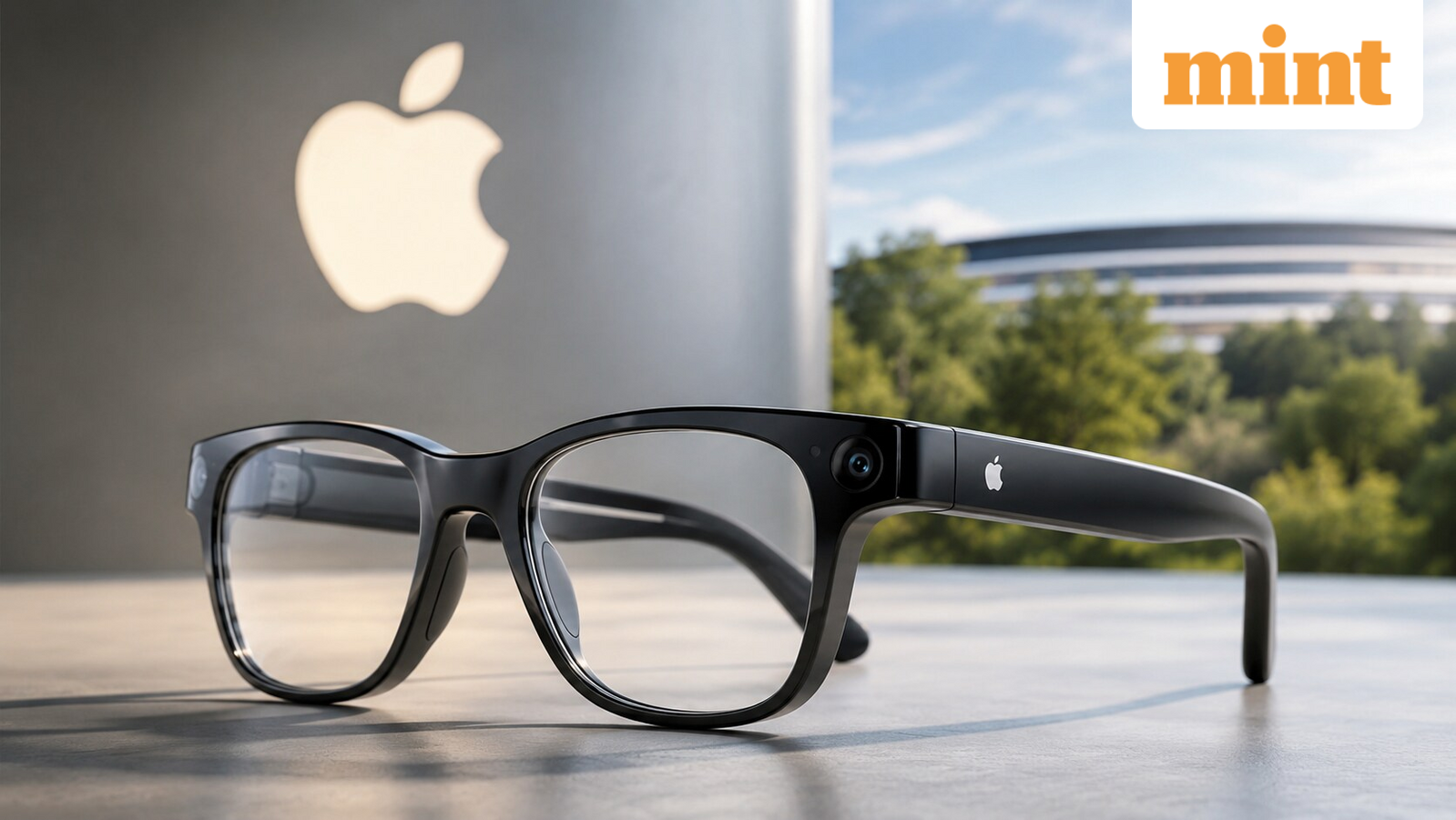
Apple is preparing to launch smart glasses by early 2027, according to Bloomberg's Mark Gurman. The product, codenamed N50, was originally slated for late 2026 but has been delayed. The company sees this as its next major product category. And Apple is not thinking small.
The strategy mirrors what Apple did with the Apple Watch in 2015. Back then, smartwatches were a niche dominated by Samsung, Motorola, LG, and Pebble. Apple did not just want the smartwatch market. It wanted to replace traditional watches entirely. The company convinced iPhone users that they needed a wrist accessory that tracked health, showed notifications, and still told time.
That bet paid off. Apple became the world's largest watchmaker by unit volume. Traditional watch companies like Swatch and Fossil saw revenues drop significantly between 2014 and 2025.
“Apple views smart glasses as a natural evolution of the wearable portfolio, similar to the opportunity they saw when launching the first Apple Watch in 2015.”
— Mark Gurman, Chief Tech Correspondent at Bloomberg
Why Eyewear, and Why Now
The global eyewear industry is worth roughly $200 billion annually. The World Health Organization estimates that 2.2 billion people worldwide have some form of vision impairment. Hundreds of millions of glasses are sold every year. If Apple captures even a fraction of this market, it could rival the company's smartphone business in scale.
Apple's target is not the small smart glasses category where Meta currently leads. It is the entire eyewear market. People shopping for prescription glasses or sunglasses from Ray-Ban, Oakley, Persol, Oliver Peoples, or Warby Parker. Apple wants them to consider Apple-branded eyewear instead.
Pricing and Positioning
Apple plans to price the smart glasses between $200 and $500. That is roughly ₹19,000 to ₹47,000. This puts them directly against mainstream eyewear brands, not positioned as expensive tech gadgets.
The approach suggests Apple wants these glasses to be a normal accessory, not a specialty device. The company is betting that brand recognition, industrial design, and tight iPhone integration will persuade consumers. AI-powered features that help users interact with their surroundings are also part of the pitch.
What We Know About N50
The Meta Competition
Meta currently dominates the smart glasses segment with its Ray-Ban Meta collaboration. Those glasses have found modest success by keeping expectations realistic. They take photos, play audio, and let users interact with Meta AI. They do not try to be AR devices.
Apple appears to be taking a similar approach. Rather than cramming displays into glasses like the Vision Pro, the N50 project focuses on lightweight hardware with AI features. The question is whether Apple's AI capabilities will be compelling enough to justify the purchase for people who just want to see clearly.
Community Skepticism and Excitement
Online discussions show mixed reactions. On Reddit's r/apple community, users are comparing the project to Meta Ray-Bans. Key concerns include battery life, privacy implications of the dual cameras, and whether Apple can deliver a fashion-forward design.
Hacker News discussions focus on a more fundamental question: are display-free smart glasses useful enough to drive mass adoption? Many wonder if the 'Visual Intelligence' features will be compelling before true AR technology matures. Others note that Apple has a track record of making tech products feel like natural accessories.
Apple's Advantages
- Brand recognition: Apple's name carries weight with mainstream consumers, not just tech enthusiasts.
- Industrial design: The company has consistently delivered hardware that people want to wear.
- iPhone integration: Deep software ties could make the glasses feel essential rather than optional.
- Retail presence: Apple Stores could let customers try on glasses, handle prescriptions, and offer same-day pickup.
- Ecosystem lock-in: Users already invested in iPhone, Apple Watch, and AirPods may see glasses as a natural addition.
Logicity's Take
Frequently Asked Questions
When will Apple smart glasses be released?
According to Bloomberg's Mark Gurman, Apple's smart glasses are expected to ship by early 2027. The original target was late 2026, but the project has been delayed.
How much will Apple smart glasses cost?
Apple plans to price the glasses between $200 and $500 (approximately ₹19,000 to ₹47,000), positioning them as mainstream accessories rather than premium tech devices.
Will Apple smart glasses have a display?
Current reports suggest the N50 glasses will be display-free, relying on audio feedback and iPhone connectivity rather than integrated screens like the Vision Pro.
What features will Apple smart glasses have?
The glasses are expected to include two cameras, one for photos and video, another for AI tasks. Apple's 'Visual Intelligence' could enable object identification, translation, and navigation.
How do Apple smart glasses compare to Meta Ray-Bans?
Both focus on lightweight, display-free designs with camera and AI capabilities. Apple is betting on tighter iPhone integration and brand appeal to differentiate from Meta's offering.
Another look at how competitors are positioning against Apple hardware
Need Help Implementing This?
Source: mint / Aman Gupta
Manaal Khan
Tech & Innovation Writer
اقرأ أيضاً

رأي مغاير: كيف يؤثر اختراق الأمن الداخلي الأميركي على شركاتنا الخاصة؟
في ظل اختراق عقود الأمن الداخلي الأميركي مع شركات خاصة، نناقش تأثير هذا الاختراق على مستقبل الأمن السيبراني. نستعرض الإحصاءات الموثوقة ونناقش كيف يمكن للشركات الخاصة أن تتعامل مع هذا التهديد. استمتع بقراءة هذا التحليل العميق

الإنسان في زمن ما بعد الوجود البشري: نحو نظام للتعايش بين الإنسان والروبوت - Centre for Arab Unity Studies
في هذا المقال، سنناقش كيف يمكن للبشر والروبوتات التعايش في نظام متكامل. سنستعرض التحديات والحلول المحتملة التي تضعها شركات مثل جوجل وأمازون. كما سنلقي نظرة على التوقعات المستقبلية وفقًا لتقرير ماكنزي

إطلاق ناسا لمهمة مأهولة إلى القمر: خطوة تاريخية نحو استكشاف الفضاء
تعتبر المهمة الجديدة خطوة هامة نحو استكشاف الفضاء وتطوير التكنولوجيا. سوف تشمل المهمة إرسال رواد فضاء إلى سطح القمر لconducting تجارب علمية. ستسهم هذه المهمة في تطوير فهمنا للفضاء وتحسين التكنولوجيا المستخدمة في استكشاف الفضاء.