Apple Building Anti-Snatch Lock That Detects Phone Theft Instantly
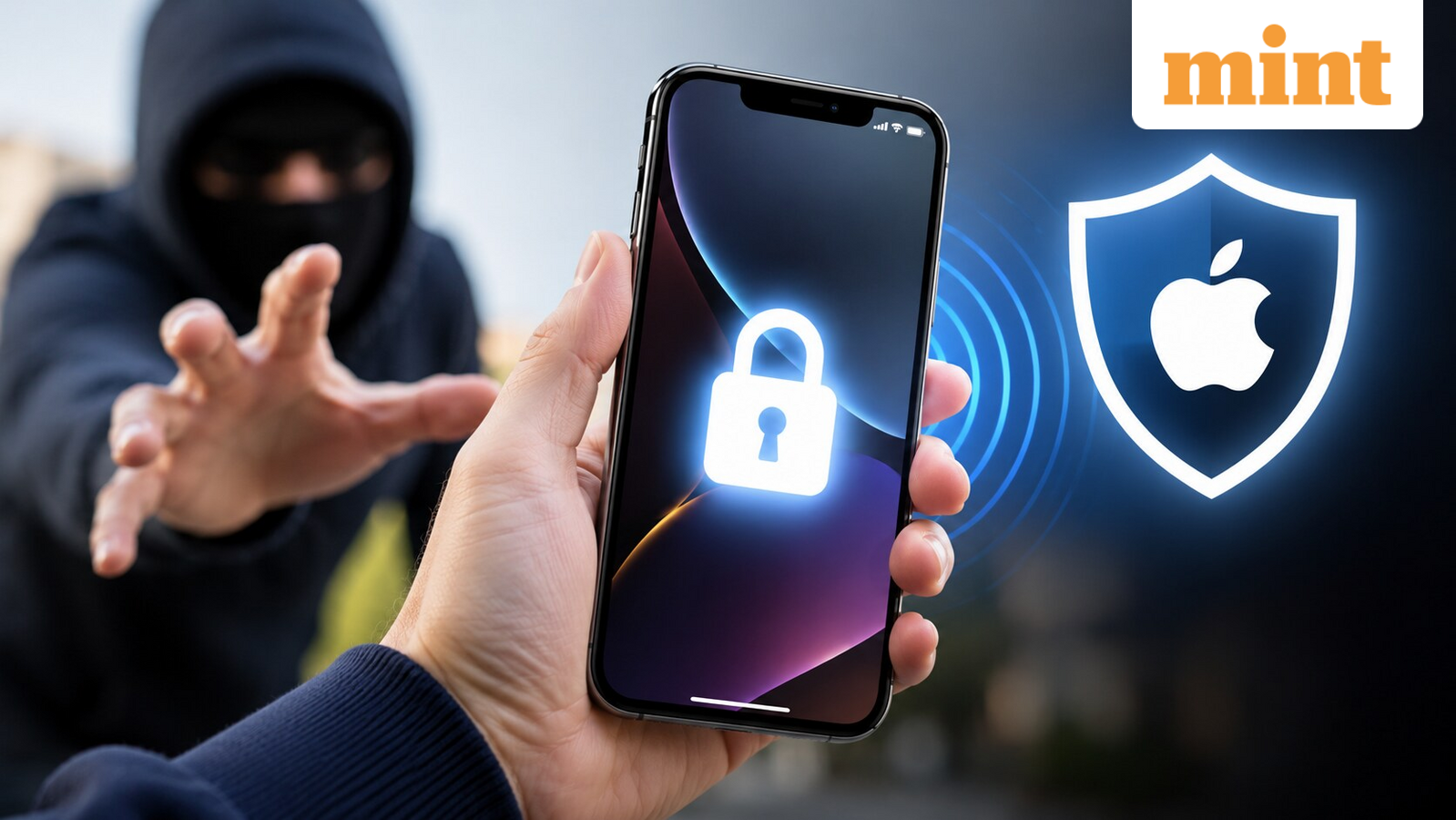
Key Takeaways
- Apple is developing a feature that uses the iPhone's accelerometer to detect snatching movements and lock the screen instantly
- The system will also check proximity to a paired Apple Watch to verify theft
- The feature could debut at WWDC 2026, though Apple has not confirmed a timeline
The Problem With Current iPhone Security
Your iPhone already has several theft protection features. Find My can locate a stolen device. Activation Lock prevents a thief from wiping and reselling it. Stolen Device Protection, introduced in iOS 17.3, adds time delays before sensitive actions can be performed when the phone is away from trusted locations.
None of these help when someone grabs your phone out of your hand while you're using it. The screen is unlocked. Your apps are open. Your payment information is accessible. By the time you realize what happened, a thief can access your email, banking apps, and personal data.
According to a report from 9to5Mac, Apple is working on a solution. The company is developing a feature that detects the specific motion of a phone being snatched and locks the device immediately.
How the Anti-Snatch System Works
The new feature relies on hardware sensors already built into every iPhone. According to code discovered by 9to5Mac, the system monitors the device's accelerometer for sudden movements consistent with a phone being grabbed and pulled away from its owner.
A snatch has a distinctive motion signature. It's a quick, forceful movement in one direction, different from dropping a phone or shaking it during normal use. The system is designed to recognize this pattern in real time.
To reduce false positives, Apple is adding a second verification layer: proximity to a paired Apple Watch. If your iPhone suddenly accelerates away from your wrist at high speed, that's strong evidence of theft rather than routine movement.
The feature will also integrate with existing Stolen Device Protection logic. It checks whether your iPhone is connected to a familiar Wi-Fi network or located at a trusted place like home or work. An unfamiliar location plus a snatching motion would trigger the most aggressive lockdown.
What Happens When Theft Is Detected
If the system detects a snatch in an unfamiliar location, it won't just lock the screen. According to the report, it will immediately restrict access to sensitive apps, settings, and payment information. The goal is to render the phone useless to the thief within seconds of the grab.
This approach mirrors Android's Theft Detection Lock, which Google rolled out in 2024. That feature uses machine learning to identify theft-related motions and locks the device automatically. Apple appears to be building a similar system with the added benefit of Apple Watch integration.
The False Positive Challenge
The biggest technical hurdle is accuracy. Reddit users on r/apple have raised concerns about false positives. What happens if you're jogging and your phone bounces in your hand? What if you quickly pass your phone to a friend? The system needs to distinguish theft from routine high-intensity movement.
HackerNews commenters have debated the technical feasibility, noting that Apple Watch proximity detection is likely essential for the feature to work reliably. Without that second data point, accelerometer data alone might trigger too many false alarms.
Apple's decision to tie the feature to trusted locations adds another layer of protection against false positives. If you're at home or work, the system would presumably be less aggressive about locking down, since a snatch is less likely in familiar environments.
Timeline and Availability
9to5Mac reports the feature is under "active development," but Apple has not announced a release timeline. The company could unveil it at WWDC 2026 next month, alongside iOS 19, macOS 16, and other system updates.
If the feature requires Apple Watch pairing for full functionality, that limits its usefulness. Not every iPhone user owns an Apple Watch. Apple may offer a reduced-accuracy mode that works with accelerometer data alone, or require the Watch for the feature to activate.
Logicity's Take
Frequently Asked Questions
When will Apple release the anti-snatch feature?
Apple has not confirmed a release date. The feature is under active development and could debut at WWDC 2026 in June, but no timeline has been announced.
Do I need an Apple Watch for the theft detection feature to work?
According to reports, Apple Watch proximity is one verification method the system uses. It's unclear if the feature will work without a Watch or with reduced accuracy.
How does iPhone theft detection differ from Android's Theft Detection Lock?
Both use accelerometer data to detect snatching motions. Apple's version adds Apple Watch proximity checks and integration with existing Stolen Device Protection features.
Will the anti-snatch feature cause false lockouts during exercise?
This is a concern users have raised. Apple appears to be using multiple signals, including Watch proximity and trusted locations, to reduce false positives during activities like jogging.
Need Help Implementing This?
Source: mint / Aman Gupta
Manaal Khan
Tech & Innovation Writer
اقرأ أيضاً

رأي مغاير: كيف يؤثر اختراق الأمن الداخلي الأميركي على شركاتنا الخاصة؟
في ظل اختراق عقود الأمن الداخلي الأميركي مع شركات خاصة، نناقش تأثير هذا الاختراق على مستقبل الأمن السيبراني. نستعرض الإحصاءات الموثوقة ونناقش كيف يمكن للشركات الخاصة أن تتعامل مع هذا التهديد. استمتع بقراءة هذا التحليل العميق

الإنسان في زمن ما بعد الوجود البشري: نحو نظام للتعايش بين الإنسان والروبوت - Centre for Arab Unity Studies
في هذا المقال، سنناقش كيف يمكن للبشر والروبوتات التعايش في نظام متكامل. سنستعرض التحديات والحلول المحتملة التي تضعها شركات مثل جوجل وأمازون. كما سنلقي نظرة على التوقعات المستقبلية وفقًا لتقرير ماكنزي

إطلاق ناسا لمهمة مأهولة إلى القمر: خطوة تاريخية نحو استكشاف الفضاء
تعتبر المهمة الجديدة خطوة هامة نحو استكشاف الفضاء وتطوير التكنولوجيا. سوف تشمل المهمة إرسال رواد فضاء إلى سطح القمر لconducting تجارب علمية. ستسهم هذه المهمة في تطوير فهمنا للفضاء وتحسين التكنولوجيا المستخدمة في استكشاف الفضاء.