Anthropic's Code with Claude Event Shows Devs Skipping Code Review
Key Takeaways
- Nearly half of developers at Anthropic's event admitted to shipping Claude-written code without reading it
- Anthropic's new 'dreaming' feature lets Claude Code agents write notes to themselves for future coding sessions
- The company's stated goal is pushing automation until humans don't need to see error messages
Half the Room Stopped Reading Their Code
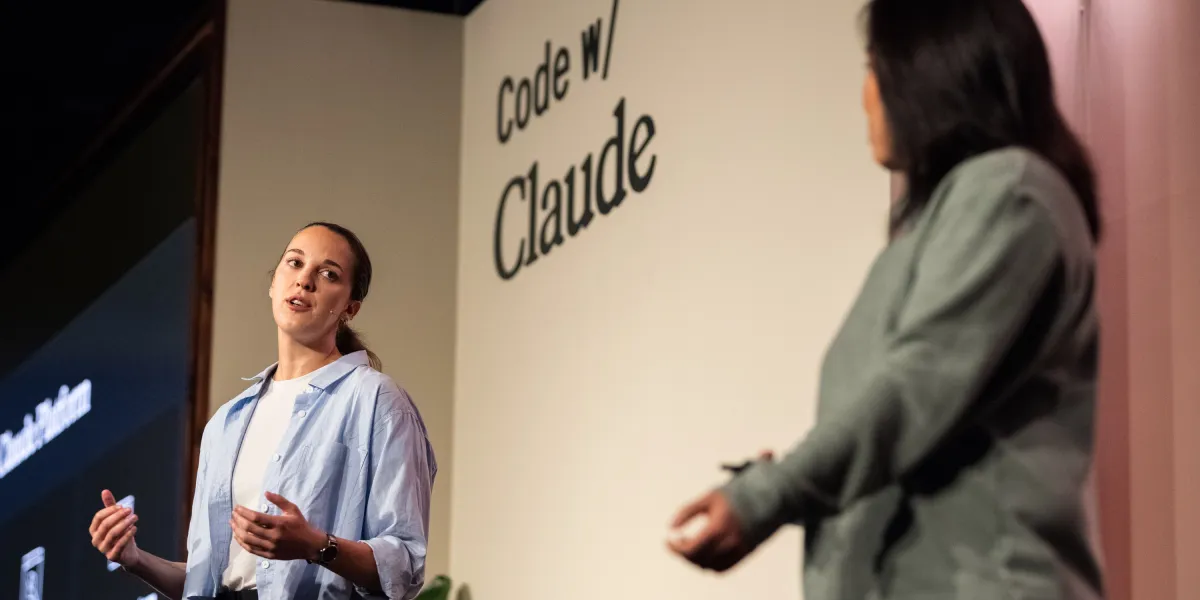
At Anthropic's Code with Claude event in London on May 19, engineer Jeremy Hadfield asked the packed room a question: Who has shipped a pull request completely written by Claude in the last week? Almost half raised their hands. Pull requests are fixes or updates submitted for review before they go live. They're the core work product of most software developers.
Then came the follow-up: Who shipped a Claude-written pull request without reading the code at all? Nervous laughter. Most hands stayed up.
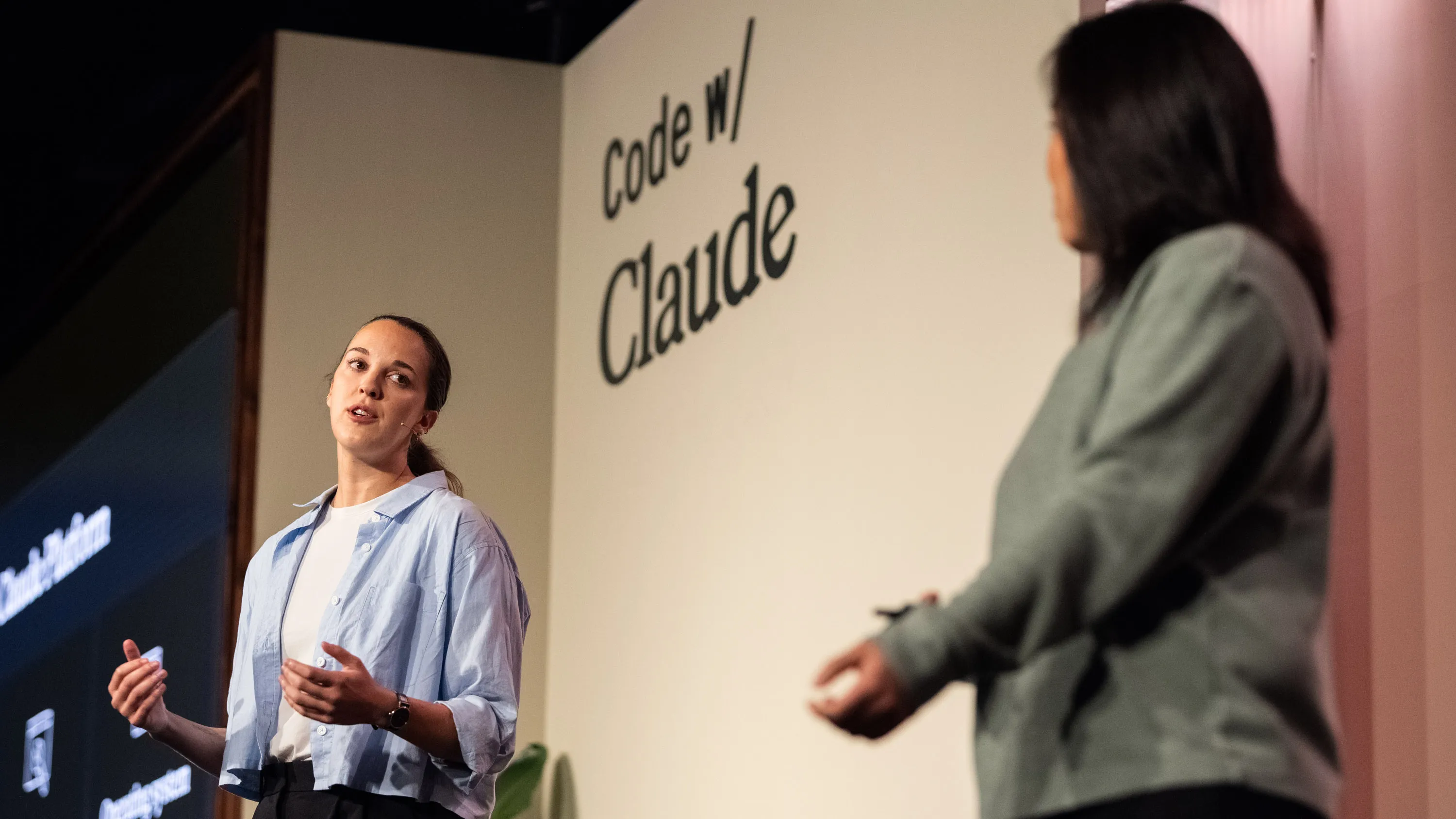
The event ran alongside Google I/O in Palo Alto. Anthropic staff insisted this was coincidence, not a competitive flex. But the timing underscored how central AI coding tools have become to the industry's biggest players.
From Claude 4 to 4.7: A Year of Change
This marks Anthropic's second year running developer events across London, San Francisco, and Tokyo. Last year, the company had just released Claude 4. It could code, sort of. The updates since then tell a different story.
Claude 4.6 arrived in February. Claude 4.7 followed in April. With each release, more developers have become comfortable handing entire tasks to the AI. Hadfield noted that most software at Anthropic is now written by Claude. The recursive twist: Claude has written most of the code in Claude Code itself.
“Most software at Anthropic is now written by Claude. Claude has written most of the code in Claude Code.”
— Jeremy Hadfield, engineer at Anthropic
OpenAI, Google, and Microsoft make similar claims about their internal AI usage. The boast has become table stakes.
Let Claude Prompt Itself
Boris Cherny, who leads Claude Code development, outlined Anthropic's philosophy in the opening keynote. The goal is to push automation as far as it will go. Instead of having AI generate code that humans then clean up, the company wants Claude to check and correct its own work.
“The default isn't 'I'm going to prompt Claude'—the default is now 'I'm going to have Claude prompt itself.”
— Boris Cherny, head of Claude Code
If the system works as intended, human developers won't need to see error messages. Claude handles the test-and-tweak cycle on its own. It keeps iterating until everything runs.
Engineer Ravi Trivedi put the principle simply: "The key principle is getting out of Claude's way. We like to say: 'Let it cook.'"
Dreaming: AI Agents Leave Notes for Each Other
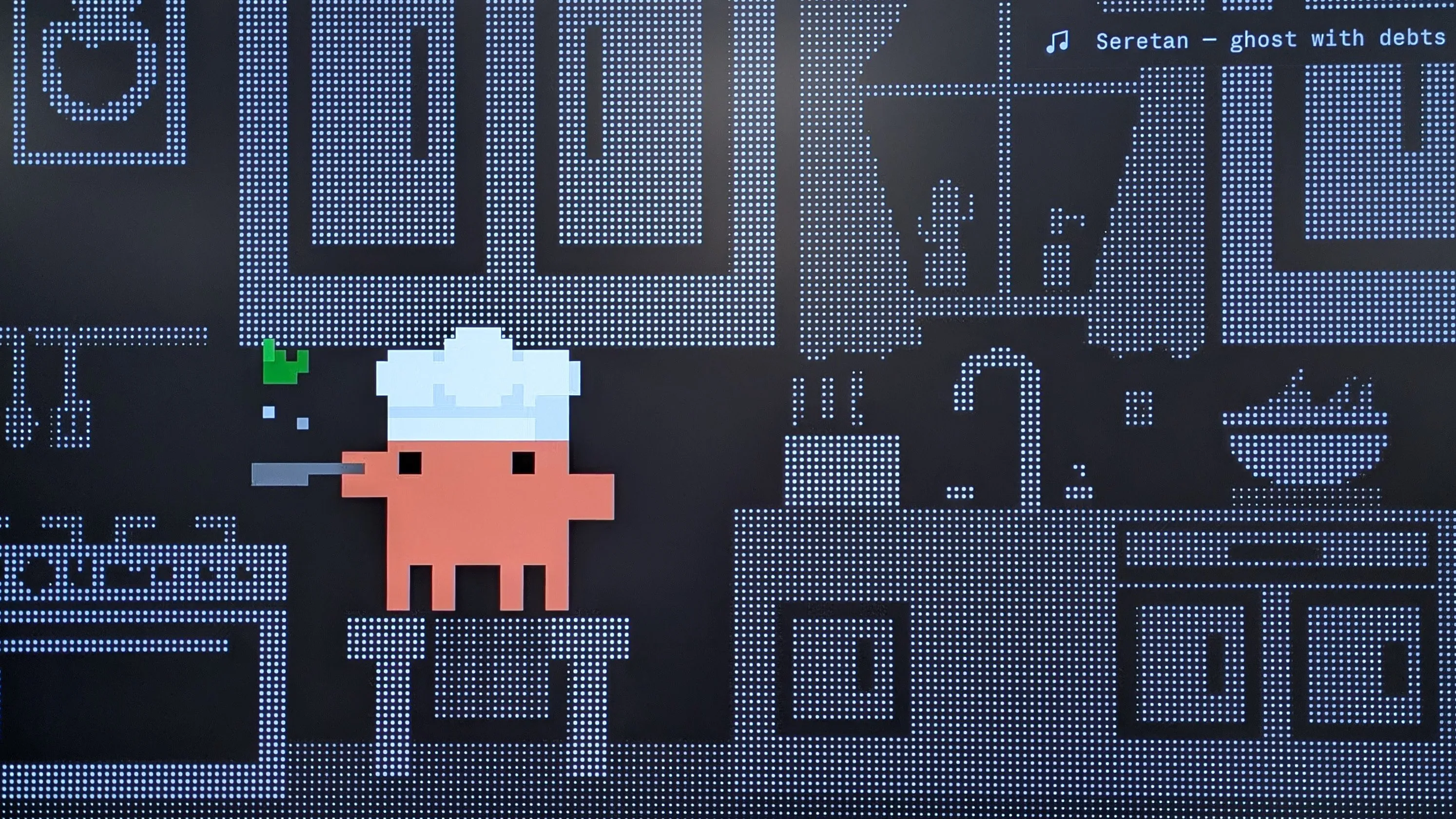
Trivedi presented a new feature called dreaming, announced two weeks before the event. Claude Code agents now write notes to themselves. They record and save useful information about specific tasks. When another coding agent starts working on the same project later, it can pick up these notes and continue more intelligently.
The feature addresses a practical problem. Each Claude session starts fresh with no memory of previous work on the same codebase. Dreaming creates a form of persistent context that transfers across sessions and even across different agent instances.
The Trust Question Nobody Answered
The show of hands at the event revealed something beyond adoption numbers. Developers are shipping production code they haven't personally reviewed. For decades, code review has been a core safeguard in software development. It catches bugs, security flaws, and logic errors before they reach users.
When half a room admits to skipping that step, it raises questions that the event's upbeat tone didn't address. How do teams verify code quality? What happens when AI-generated bugs reach production? Who is accountable?
The nervous laughter in the room suggested developers are aware of the tension. They're embracing the productivity gains while knowing the old safety nets are gone.
What This Means in Practice
The rapid normalization is the real story here. One year ago, Claude could barely code. Now developers at Anthropic's own events treat AI-written code as the default workflow.
Top tech companies have moved from experimenting with AI coding to mandating it. The developers who attended Code with Claude weren't early adopters testing a new tool. They were professionals describing their daily routine.
Whether this shift improves or degrades software quality remains unclear. The productivity gains are obvious. The long-term costs are still invisible.
Logicity's Take
Frequently Asked Questions
What is Claude Code's new dreaming feature?
Dreaming lets Claude Code agents write notes to themselves about specific tasks. These notes persist across sessions, allowing future agents to pick up context from previous work on the same codebase.
How much code at Anthropic is written by Claude?
According to engineer Jeremy Hadfield at the Code with Claude event, most software at Anthropic is now written by Claude, including most of the code in Claude Code itself.
What versions of Claude improved coding capabilities?
Claude 4.6 released in February 2025 and Claude 4.7 released in April 2025 brought significant improvements to Claude Code, making more developers comfortable using it for complete tasks.
Are developers reviewing AI-generated code before shipping?
At Anthropic's event, nearly half of attending developers raised their hands when asked if they shipped Claude-written pull requests without reading the code at all.
When was Anthropic's Code with Claude event?
The event ran May 19-20, 2026 in London, coinciding with Google I/O in Palo Alto. Anthropic also runs similar events in San Francisco and Tokyo.
Need Help Implementing This?
Source: MIT Technology Review
Huma Shazia
Senior AI & Tech Writer
اقرأ أيضاً

رأي مغاير: كيف يؤثر اختراق الأمن الداخلي الأميركي على شركاتنا الخاصة؟
في ظل اختراق عقود الأمن الداخلي الأميركي مع شركات خاصة، نناقش تأثير هذا الاختراق على مستقبل الأمن السيبراني. نستعرض الإحصاءات الموثوقة ونناقش كيف يمكن للشركات الخاصة أن تتعامل مع هذا التهديد. استمتع بقراءة هذا التحليل العميق

الإنسان في زمن ما بعد الوجود البشري: نحو نظام للتعايش بين الإنسان والروبوت - Centre for Arab Unity Studies
في هذا المقال، سنناقش كيف يمكن للبشر والروبوتات التعايش في نظام متكامل. سنستعرض التحديات والحلول المحتملة التي تضعها شركات مثل جوجل وأمازون. كما سنلقي نظرة على التوقعات المستقبلية وفقًا لتقرير ماكنزي

إطلاق ناسا لمهمة مأهولة إلى القمر: خطوة تاريخية نحو استكشاف الفضاء
تعتبر المهمة الجديدة خطوة هامة نحو استكشاف الفضاء وتطوير التكنولوجيا. سوف تشمل المهمة إرسال رواد فضاء إلى سطح القمر لconducting تجارب علمية. ستسهم هذه المهمة في تطوير فهمنا للفضاء وتحسين التكنولوجيا المستخدمة في استكشاف الفضاء.