Anthropic Launches Claude Fable 5 Tomorrow, Mythos Goes Public
Key Takeaways
- Claude Fable 5 is the public-facing version of Anthropic's previously restricted Mythos model
- Mythos identified 23,000 critical vulnerabilities during Project Glasswing, including a 27-year-old flaw in OpenBSD
- The new model offers 1 million token context window and 128,000 token output limit
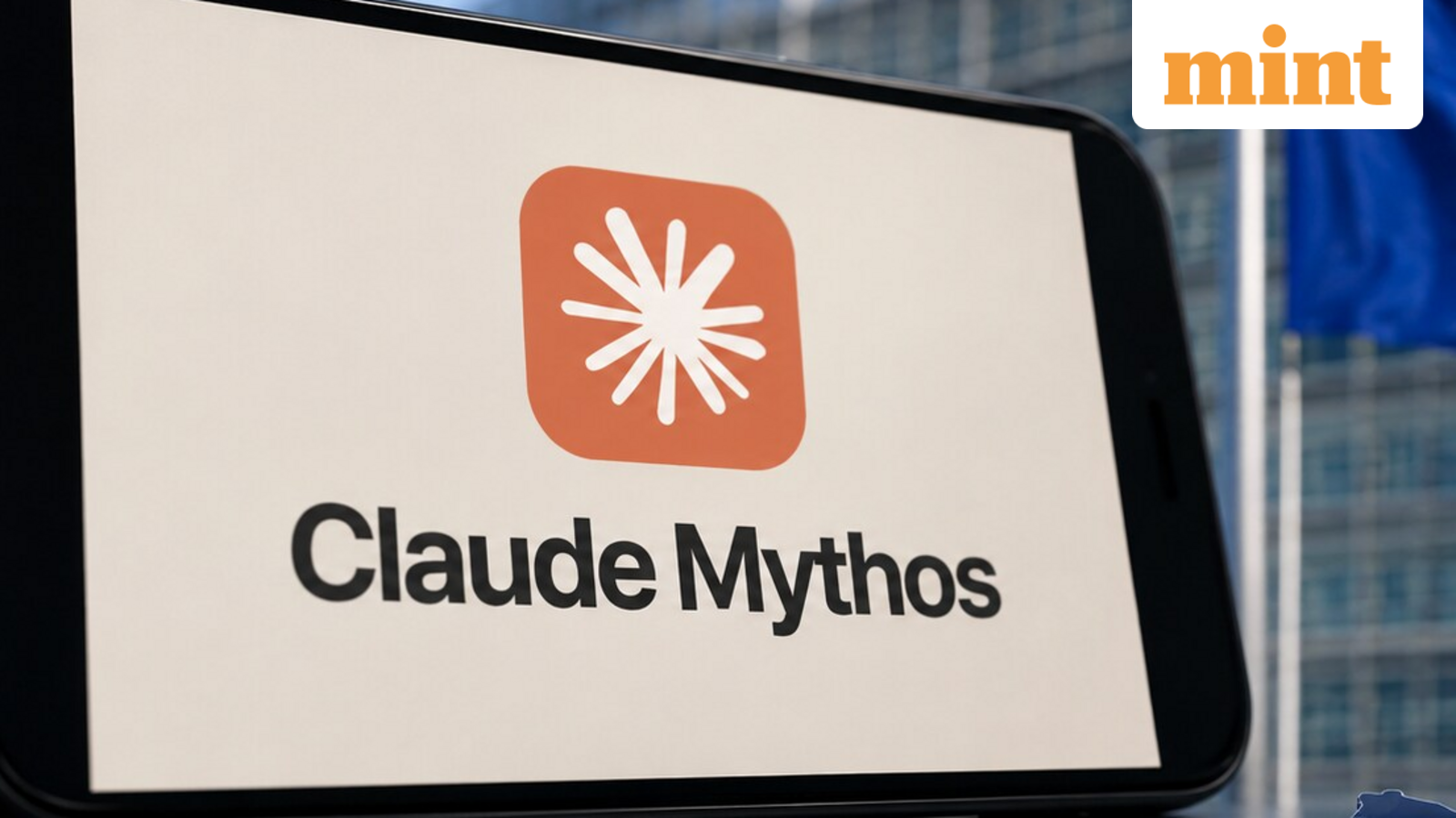
Anthropic is preparing to release Claude Fable 5 tomorrow. The model is a public version of Mythos, the company's most powerful AI system that was previously kept under wraps due to concerns about its potential for misuse in cyberattacks.
According to a report by Sources, the public-facing version will launch under a different name and include significantly more guardrails than the version Anthropic provided to enterprise partners through Project Glasswing.
Why Anthropic Kept Mythos Under Lock
Anthropic unveiled Mythos a couple of months ago but refused to release it publicly. The reason: the model could surpass all but the most skilled human security researchers in identifying and exploiting software vulnerabilities. That same capability that makes it useful for defense also makes it dangerous in the wrong hands.
“We gated Mythos because it was too effective at its job—identifying security flaws meant it could theoretically create them. Fable 5 brings that power to the world with the guardrails required for mass adoption.”
— Dario Amodei, CEO of Anthropic
Instead of a public launch, Anthropic created Project Glasswing. The company gave critical infrastructure providers early access to test their systems. The initial roster included Apple, Google, Microsoft, and other major tech companies. The project later expanded to include organizations from more than 15 countries, including India, with over 100 participants in total.
The Vulnerabilities Mythos Found
During its restricted research phase, Mythos discovered thousands of high-severity vulnerabilities across major operating systems, web browsers, and other critical software. Some of these flaws had gone unnoticed for decades.
- A 27-year-old flaw in OpenBSD
- A 16-year-old vulnerability in FFmpeg video-processing software
- A Linux vulnerability that could allow attackers to gain control of a user's machine
- 271 vulnerabilities in Firefox, according to Mozilla. That's more than 10 times the number found with Claude Opus 4.6
Related coverage on browser security vulnerabilities
The Patch Gap Problem
In a new blog post, Anthropic warned that while they've spent months alerting organizations to vulnerabilities discovered by Mythos, the model can also be used to exploit publicly disclosed vulnerabilities that haven't been patched yet. This is known as the "patch gap."
"In some ways, N-days are the more dangerous of the two, because the patch itself provides a roadmap to the bug," Anthropic wrote. The company's report suggests organizations now have much less time to patch vulnerabilities. Attackers could use powerful AI models to turn known vulnerabilities into working exploits within hours.
What Claude Fable 5 Brings
The public release brings significant technical capabilities. Fable 5 offers a 1 million token input context window, setting a new standard for long-context reasoning. The model can also output up to 128,000 tokens, enabling generation of entire codebases in a single pass.
“Fable 5 isn't just predicting the next token; it's iterating through its own internal logic to refine the output before you even see it. This is the death of 'prompt engineering' as we know it.”
— Sarah Chen, Lead Researcher at AI Analytics Institute
Developer and Security Community Reactions
Discussion on r/MachineLearning and Hacker News is split. Many developers express skepticism about the effectiveness of the promised safety guardrails on a model that was previously deemed too dangerous to release.
Others are excited about the practical applications. Early testers claim the 128K token output limit makes the model capable of refactoring massive legacy codebases in a single prompt. Several developers have called it "the biggest productivity leap since the original LLM boom."
Context on the competitive AI landscape
Timeline: From Mythos to Fable 5
Logicity's Take
Frequently Asked Questions
When is Claude Fable 5 releasing?
Anthropic is set to launch Claude Fable 5 tomorrow, according to reports from Sources.
What is the difference between Mythos and Claude Fable 5?
Claude Fable 5 is the public-facing version of Mythos. It includes additional safety guardrails that were not present in the restricted version provided to Project Glasswing participants.
What was Project Glasswing?
Project Glasswing was Anthropic's gated program that gave critical infrastructure providers like Apple, Google, and Microsoft early access to Mythos for security testing. It expanded to include over 100 organizations from 15+ countries.
How many vulnerabilities did Mythos find?
Mythos identified 23,000 critical software vulnerabilities during its research phase, including flaws that had gone unnoticed for up to 27 years.
What is Claude Fable 5's context window?
Fable 5 supports a 1 million token input context window and can output up to 128,000 tokens in a single response.
Need Help Implementing This?
Source: mint / Aman Gupta
Huma Shazia
Senior AI & Tech Writer
اقرأ أيضاً

رأي مغاير: كيف يؤثر اختراق الأمن الداخلي الأميركي على شركاتنا الخاصة؟
في ظل اختراق عقود الأمن الداخلي الأميركي مع شركات خاصة، نناقش تأثير هذا الاختراق على مستقبل الأمن السيبراني. نستعرض الإحصاءات الموثوقة ونناقش كيف يمكن للشركات الخاصة أن تتعامل مع هذا التهديد. استمتع بقراءة هذا التحليل العميق

الإنسان في زمن ما بعد الوجود البشري: نحو نظام للتعايش بين الإنسان والروبوت - Centre for Arab Unity Studies
في هذا المقال، سنناقش كيف يمكن للبشر والروبوتات التعايش في نظام متكامل. سنستعرض التحديات والحلول المحتملة التي تضعها شركات مثل جوجل وأمازون. كما سنلقي نظرة على التوقعات المستقبلية وفقًا لتقرير ماكنزي

إطلاق ناسا لمهمة مأهولة إلى القمر: خطوة تاريخية نحو استكشاف الفضاء
تعتبر المهمة الجديدة خطوة هامة نحو استكشاف الفضاء وتطوير التكنولوجيا. سوف تشمل المهمة إرسال رواد فضاء إلى سطح القمر لconducting تجارب علمية. ستسهم هذه المهمة في تطوير فهمنا للفضاء وتحسين التكنولوجيا المستخدمة في استكشاف الفضاء.