Android 17 Poll: Security and AirDrop Win, Wear OS Ignored
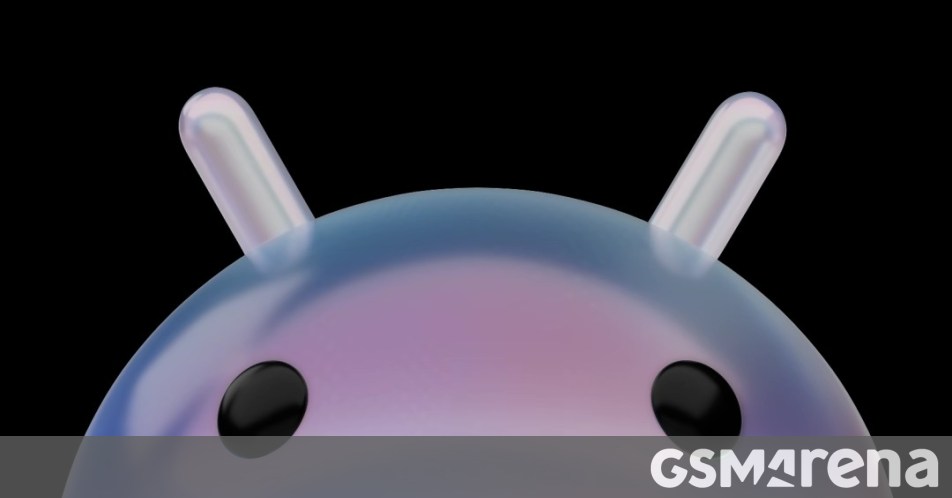
Key Takeaways
- Security features topped the Android 17 wishlist, reflecting user concerns about phone-based threats
- AirDrop compatibility finally closes a long-standing gap between Android and iOS file sharing
- Wear OS 7 generated almost no excitement, signaling Google needs to rethink its smartwatch strategy
Android 17 Dominated I/O Buzz
GSMArena ran a reader poll after Google I/O 2026, asking which announcements generated the most excitement. The winner was clear: Android 17 crushed everything else.
The runner-up results surprised even the publication. Gemini Intelligence and Android Auto tied for second place. The new Googlebook laptops, Android-powered machines aimed at desktop use, came next. And Wear OS 7? Almost nobody cared.
That last point matters. Google has poured resources into Wear OS, but the poll suggests users see smartwatches as an afterthought. As one commenter put it, the platform "needs more attention next year."
Security Features Top the Android 17 Wishlist
When asked specifically about Android 17, "extra security features" was the most-voted option. This makes sense. Phones now hold banking apps, health records, two-factor authentication codes, and private conversations. A breach means more than losing a device.
“The new security layer isn't just an update; it's a fundamental rethinking of how we protect users from physical theft and remote credential hijacking.”
— Parisa Tabriz, VP of Chrome and Android Security
Google claims Android 17's live threat detection engine improves malware detection speed by 45%. The update also introduces a "Mark as Lost" feature that lets users remotely flag stolen devices, similar to Apple's approach.
AirDrop Compatibility Closes a Years-Long Gap
The second most popular feature was AirDrop compatibility. Android users have watched iPhone owners beam files to each other for years while cobbling together alternatives like Nearby Share, Samsung Quick Share, or plain old Bluetooth.
Android 17 changes that. Google's updated Quick Share now speaks Apple's protocol, letting Android phones send and receive files from iPhones without third-party apps.
“We are breaking down the walled gardens, not just with words, but with protocols that finally let everyone share regardless of the logo on the back of their device.”
— Hiroshi Lockheimer, Senior VP of Platforms & Ecosystems at Google
GSMArena compared this to the "green bubble" texting debate, though with less emotional baggage. Still, the poll shows cross-platform friction remains a real annoyance for Android users.
Gemini Intelligence: Cautious Optimism
Google's AI integration, branded Gemini Intelligence, received a "fairly warm reception." That's notable because AI features tend to polarize. Some users want smarter assistants. Others worry about battery drain and data collection.
HackerNews discussions reflect this split. Developers are asking whether Gemini-driven features will chew through battery or process data in ways that feel invasive. Reddit's r/Android community leans more positive, calling the update a sign of Android's maturity.
The easier phone-switching tool also scored well. Google has long trailed Apple in migration smoothness. If the new tool works as promised, the 120 million iPhone-to-Android switches projected for 2026-2027 might actually happen.
What Users Did Not Care About
Some Android 17 features landed with a thud. New emojis got little attention. Picture-in-picture Screen Reactions, a feature for video calls, barely registered. Pause Point, designed to curb app addiction, was similarly ignored.
The poll also revealed general frustration. Multiple respondents called I/O 2026 "underwhelming," saying Google failed to add anything particularly interesting to its core operating systems. That sentiment extended to Wear OS, which clearly needs a rethink.
Googlebooks Spark Desktop UI Hopes
One bright spot: the new Googlebook laptops generated more interest than expected. These Android-powered machines push app developers to build desktop-friendly interfaces. Some users hope this will finally fix Android's "not quite there yet" desktop mode for phones with video-capable USB-C ports.
If Googlebooks gain traction, Android apps might finally work well on big screens. That would benefit phones, tablets, and the laptops themselves.
The Sideloading Controversy
Commenters also raised concerns about Google's new rules for sideloaded apps. This was not part of I/O, but it clearly bothers the Android community. Sideloading, the ability to install apps outside the Play Store, has always been an Android differentiator. Tighter restrictions feel like a step toward Apple's walled garden.
Logicity's Take
Related look at Android's desktop ambitions
Frequently Asked Questions
When will Android 17 be released?
Google announced Android 17 at I/O 2026 but has not confirmed a public release date. Based on past schedules, expect a stable release in late 2026.
Will Android 17 work with Apple AirDrop?
Yes. Android 17's updated Quick Share feature is compatible with Apple's AirDrop protocol, allowing direct file sharing between Android and iPhone users.
What is Gemini Intelligence in Android 17?
Gemini Intelligence is Google's AI integration layer for Android 17. It powers smarter assistant features, though specific capabilities depend on device and app support.
Is Wear OS 7 worth upgrading to?
Based on the GSMArena poll, user excitement for Wear OS 7 is minimal. Google may need to add more compelling features before the update feels worthwhile.
What are Googlebooks?
Googlebooks are Android-powered laptops announced at I/O 2026. They aim to bring Android apps to a desktop form factor with improved UI support.
Need Help Implementing This?
Source: GSMArena.com / Peter
Manaal Khan
Tech & Innovation Writer
اقرأ أيضاً

رأي مغاير: كيف يؤثر اختراق الأمن الداخلي الأميركي على شركاتنا الخاصة؟
في ظل اختراق عقود الأمن الداخلي الأميركي مع شركات خاصة، نناقش تأثير هذا الاختراق على مستقبل الأمن السيبراني. نستعرض الإحصاءات الموثوقة ونناقش كيف يمكن للشركات الخاصة أن تتعامل مع هذا التهديد. استمتع بقراءة هذا التحليل العميق

الإنسان في زمن ما بعد الوجود البشري: نحو نظام للتعايش بين الإنسان والروبوت - Centre for Arab Unity Studies
في هذا المقال، سنناقش كيف يمكن للبشر والروبوتات التعايش في نظام متكامل. سنستعرض التحديات والحلول المحتملة التي تضعها شركات مثل جوجل وأمازون. كما سنلقي نظرة على التوقعات المستقبلية وفقًا لتقرير ماكنزي

إطلاق ناسا لمهمة مأهولة إلى القمر: خطوة تاريخية نحو استكشاف الفضاء
تعتبر المهمة الجديدة خطوة هامة نحو استكشاف الفضاء وتطوير التكنولوجيا. سوف تشمل المهمة إرسال رواد فضاء إلى سطح القمر لconducting تجارب علمية. ستسهم هذه المهمة في تطوير فهمنا للفضاء وتحسين التكنولوجيا المستخدمة في استكشاف الفضاء.