AI Memory Shortage Could Last Until 2027, Samsung and SK Hynix Warn
Key Takeaways
- Samsung and SK Hynix warn memory shortages will continue through at least 2027
- HBM demand for AI infrastructure is the primary driver, with supply allocation already booked years ahead
- The HBM crunch is spilling over into conventional DRAM for servers, PCs, and mobile devices
Samsung's memory chief Kim Jaejune delivered a warning in the company's April 30, 2026 earnings report: "significant shortages" across memory products will continue through at least 2027. Demand fulfillment rates have dropped to record lows as customers scramble to lock in future supply.
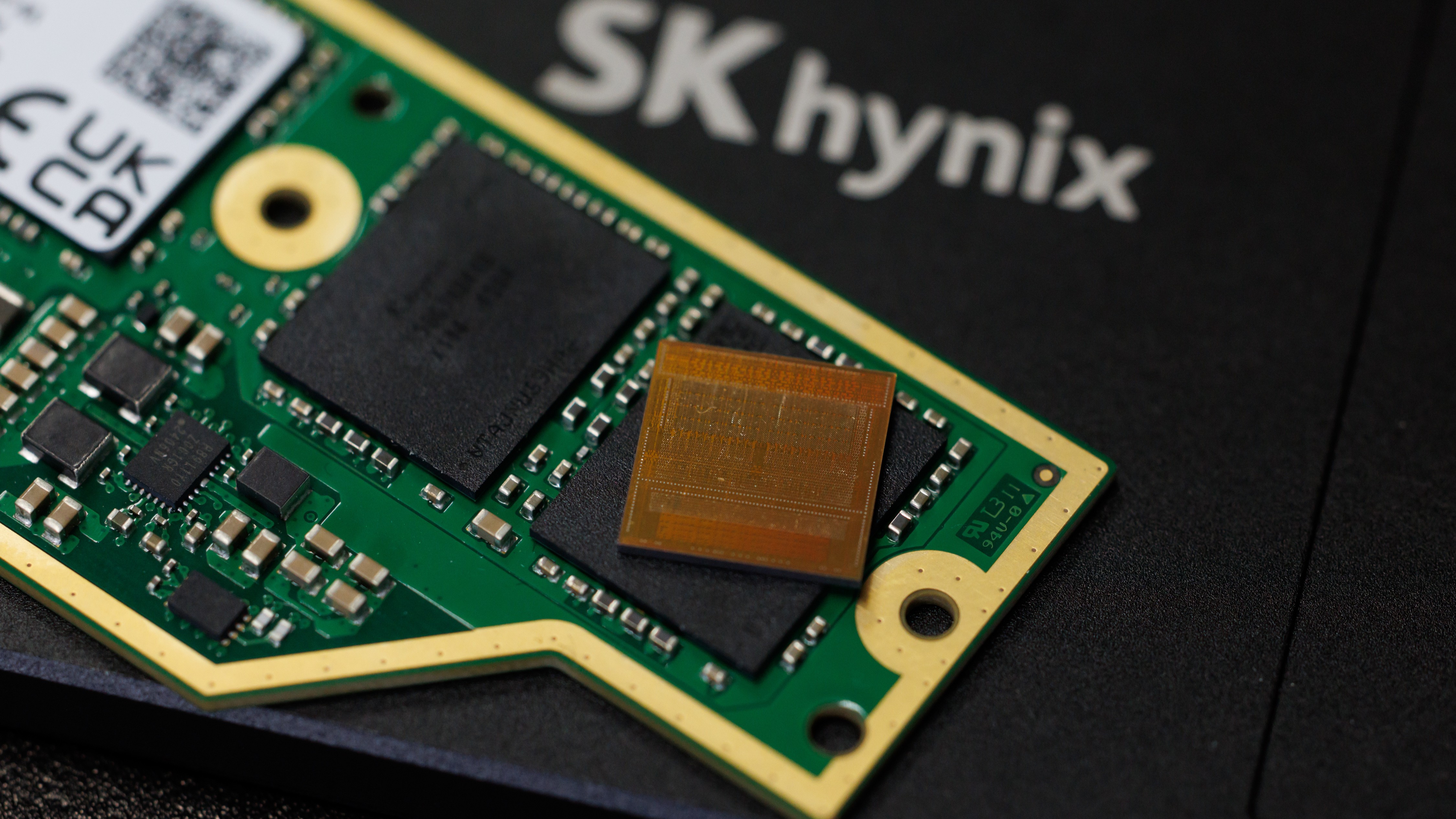
The warning came just a week after rival SK Hynix made nearly identical comments during its own earnings call. Together with US-based Micron Technology, Samsung and SK Hynix control well over 90% of the global DRAM market. When two of the world's three largest memory suppliers simultaneously warn of multi-year shortages, it signals a structural supply problem.
Why HBM Is at the Center of the Crunch
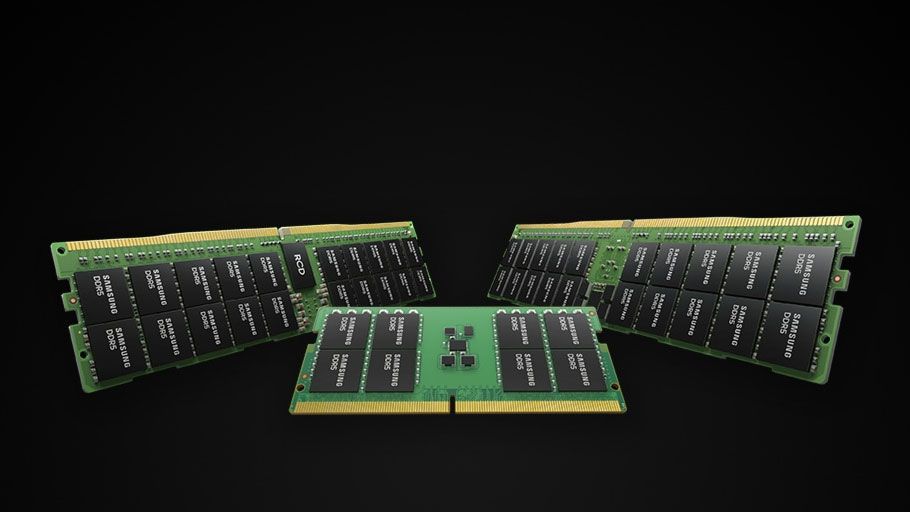
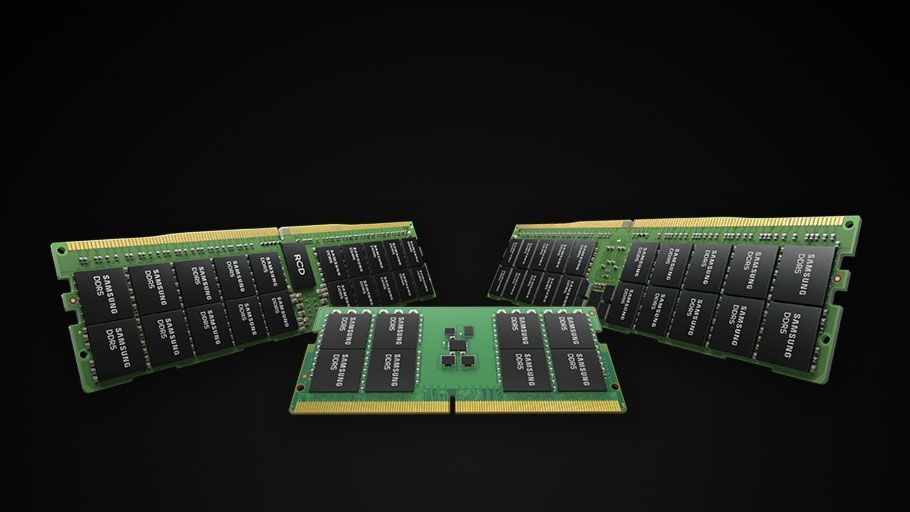
The shortages trace directly to artificial intelligence infrastructure. Modern AI systems need enormous amounts of high-speed memory to feed GPUs and accelerators. At the heart of this demand surge is HBM (high-bandwidth memory), a vertically stacked form of DRAM designed to deliver extreme bandwidth while sitting physically close to processors.
HBM has become essential for AI accelerators. But the technology is difficult and expensive to manufacture. It requires advanced die stacking, precision bonding, and sophisticated packaging techniques. Supply is constrained, and demand is growing faster than manufacturers can build capacity.
Samsung's HBM success is driving record profits even as shortages persist
Spillover Effects on Conventional DRAM
The HBM shortage is starting to affect the broader memory market. Because HBM is a form of DRAM, manufacturers are shifting manufacturing capacity, engineering resources, and investment toward high-margin AI memory products. That reallocation is tightening supply for conventional DRAM used in servers, PCs, and mobile devices.
Enterprise SSD demand is also climbing as AI data centers require massive storage infrastructure alongside compute hardware. The entire memory supply chain is feeling the strain.
Tech giants are pouring capital into AI infrastructure, driving memory demand
Customers Are Booking Supply Years in Advance
Samsung reportedly said some customers have already secured supply allocations through 2027. Earlier this year, SK Group chairman Chey Tae-won suggested that AI-related memory demand pressure may persist toward 2030.
This forward booking reflects how critical memory supply has become for AI infrastructure plans. Companies building out AI data centers cannot afford to wait and see. They are locking in capacity now to ensure their hardware roadmaps remain viable.
The Search for Alternatives
The industry faces a paradox. Current memory architectures consume enormous amounts of power, prompting a search for alternatives. Efforts are underway to develop next-generation memory technologies such as 3D X-DRAM and ZAM (Z-Angle Memory), which aim to reduce power consumption and ease scaling limitations.
Yet despite massive investment in future alternatives, demand for existing memory technologies remains overwhelming. The transition to new architectures will take years, and AI infrastructure buildout cannot wait.

Logicity's Take
Frequently Asked Questions
How long will the AI memory shortage last?
Samsung and SK Hynix warn shortages will persist through at least 2027. SK Group's chairman has suggested demand pressure may continue toward 2030.
What is HBM and why is it in short supply?
HBM (high-bandwidth memory) is vertically stacked DRAM designed for AI accelerators. It requires advanced die stacking and precision bonding, making it difficult and expensive to manufacture at scale.
Will the HBM shortage affect regular DRAM prices?
Yes. Manufacturers are shifting capacity toward high-margin HBM, which tightens supply for conventional DRAM used in servers, PCs, and mobile devices.
Who controls the global DRAM market?
Samsung, SK Hynix, and Micron Technology together control well over 90% of global DRAM production.
Are there alternatives to current memory technology?
Next-generation technologies like 3D X-DRAM and ZAM are in development to reduce power consumption, but they are years from mass production.
Need Help Implementing This?
Source: Latest from Tom's Hardware
Huma Shazia
Senior AI & Tech Writer
اقرأ أيضاً
كيف تستخدم JavaScript Fetch API: إرسال الطلبات ومعالجة الأخطاء وإلغاء الاتصالات
تُعدّ JavaScript Fetch API الأداة المدمجة لإجراء طلبات HTTP في المتصفحات الحديثة وبيئة Node.js بدءاً من الإصدار 18. تعتمد هذه الواجهة على Promises، مما يُتيح لك استخدام سلسلة .then() أو صيغة async/awa

دليل إعداد PHP-FPM مع Nginx على Ubuntu خطوة بخطوة
يُعدّ الجمع بين PHP-FPM مع Nginx الطريقة المعيارية لتشغيل تطبيقات PHP على خوادم Nginx، إذ لا يمتلك Nginx وحدة PHP مدمجة كما هو الحال مع mod_php في Apache. بدلاً من ذلك، يتولى Nginx تقديم الملفات الثاب
مستثمرون صينيون اشتروا سراً حصصاً في SpaceX قبل الطرح العام
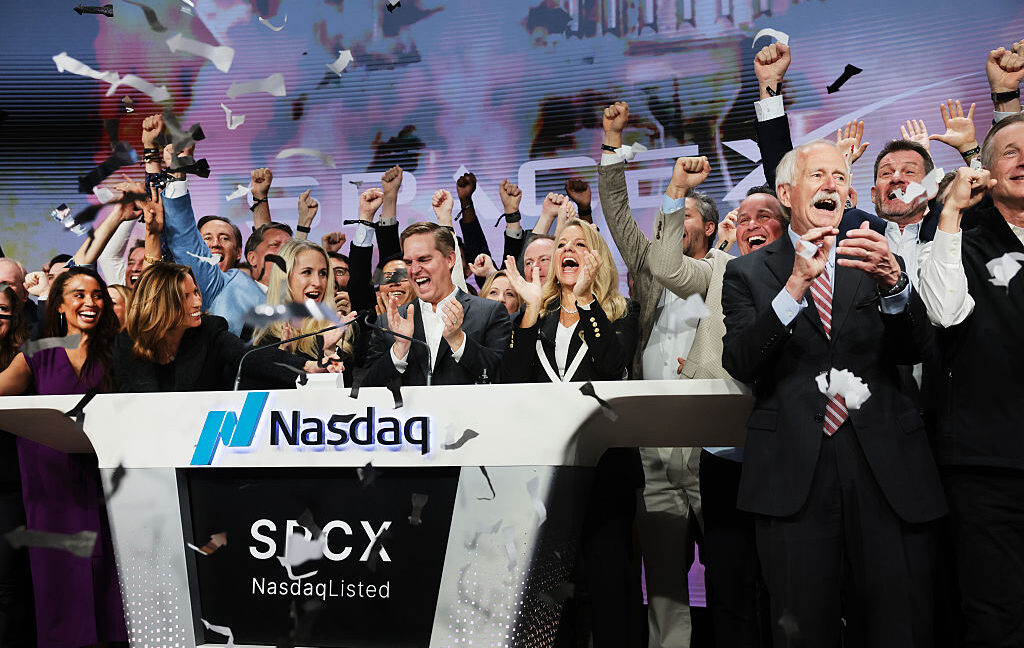
كشفت وثائق محكمة أمريكية أن مستثمرين صينيين وروس استحوذوا سراً على حصص في شركة SpaceX قبل سنوات من طرحها العام، وذلك عبر شركة وسيطة مقرها الولايات المتحدة، في وقت تبني فيه شركة إيلون ماسك أقماراً تجسس