9 Task Management Tools Worth Using in 2026
Key Takeaways
- The task management market is projected to reach $6.56 billion in 2026, driven by AI integration
- Knowledge workers save an average of 5+ hours per week using AI-integrated task platforms
- A counter-trend toward minimalist productivity tools is emerging as users experience 'tool fatigue'
The global task management software market will hit an estimated $6.56 billion in 2026. That's a lot of money chasing a problem that, at its core, remains simple: helping people track what needs doing and when. Yet the category has transformed dramatically. What started as digital checklists has morphed into what vendors now call 'Work Operating Systems.' AI agents schedule time blocks. Platforms flag project risks before humans notice them. The humble to-do list has ambitions.
Zapier's latest roundup cuts through the noise with a tested list of nine task management tools. The selection spans solo productivity apps to enterprise platforms, each evaluated for intuitive design, flexibility, and real-world usability. Here's what made the cut and why it matters.
The Nine Platforms That Made the List
Zapier's methodology is straightforward. The team spent dozens of hours testing roughly 30 apps, focusing on tools that were built specifically for task management rather than products that bolted on task features to chase funding rounds. The winners span different use cases.
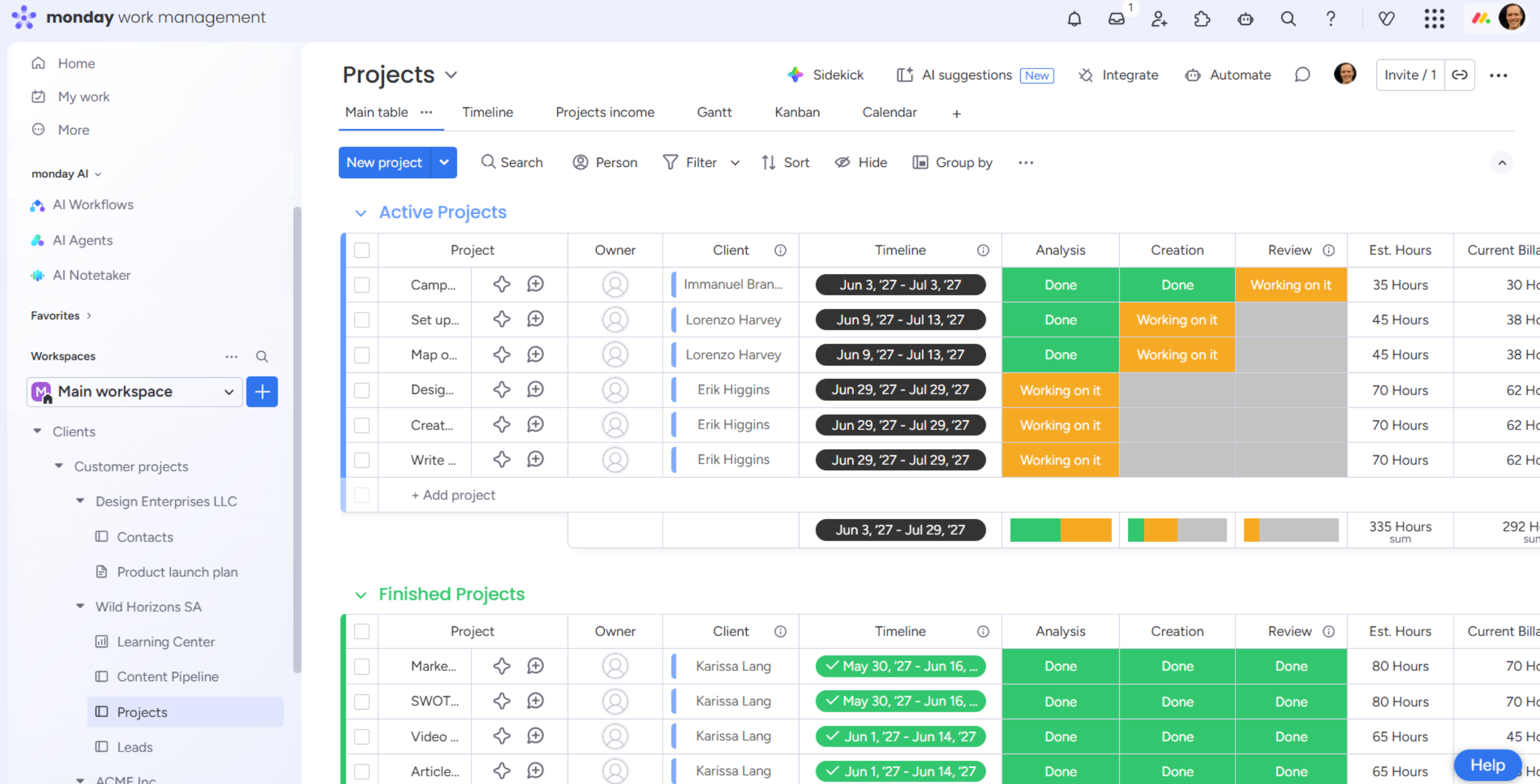
- monday.com — Best for visual workflows
- Asana — Best for cross-functional teams
- Wrike — Best for enterprise teams
- ClickUp — Best for customization
- Smartsheet — Best for spreadsheet-oriented teams
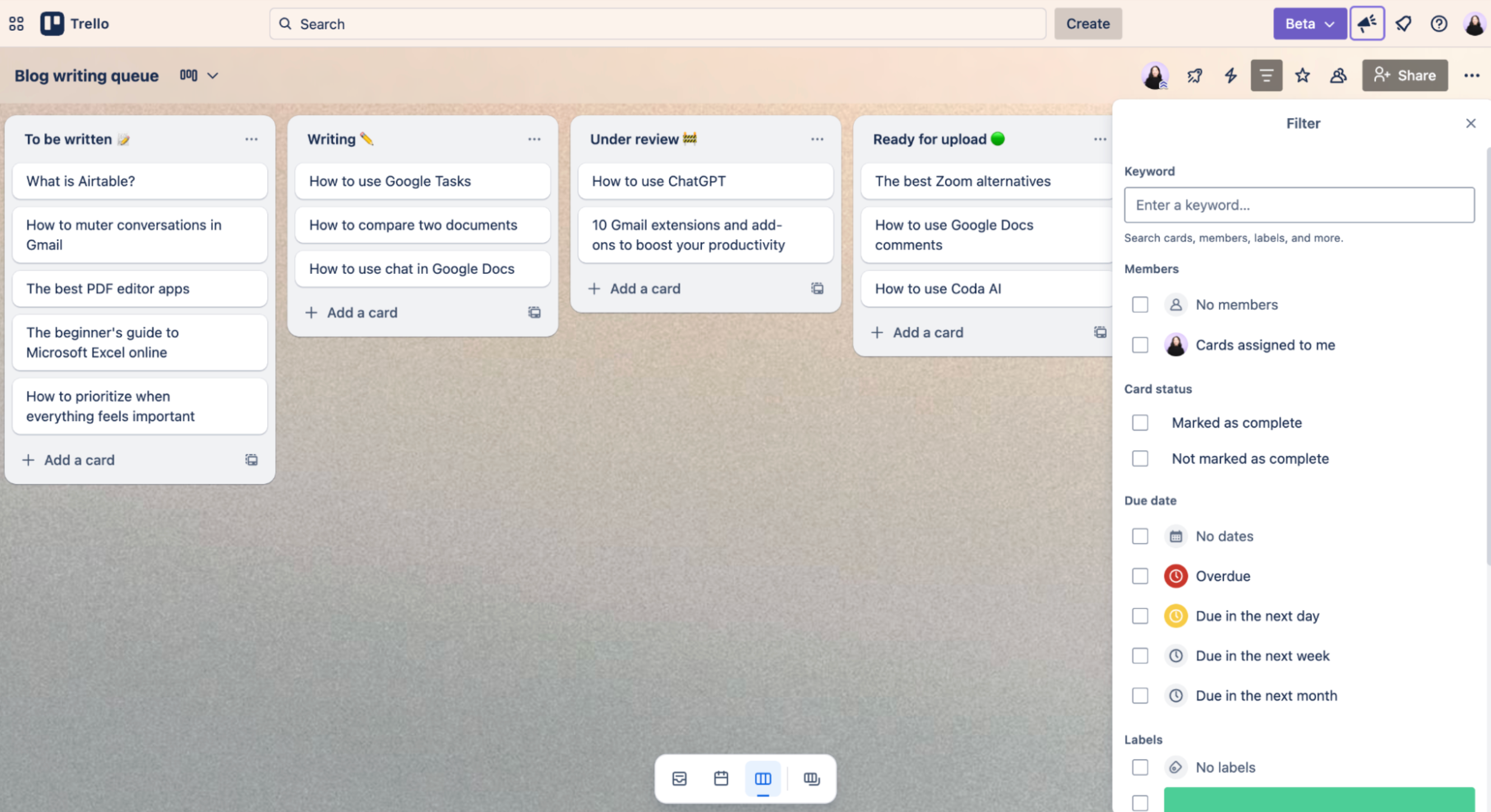
- Trello — Best for small teams
- Todoist — Best for personal task management
- Jira — Best for software development teams
- Notion — Best for documentation-heavy teams
The picks reflect a market that has segmented sharply by use case. A solo founder using Todoist has different needs than an enterprise team coordinating across departments in Wrike. The old approach of one-size-fits-all is dead.
What Changed in 2026: The AI Agentic Shift
The defining change this year is Agentic AI. Platforms like ClickUp (with ClickUp Brain) and Asana (with Asana Intelligence) have moved beyond passive tracking to active management. These systems don't just record tasks. They reschedule work when priorities shift, predict bottlenecks, and draft updates for stakeholders.
Knowledge workers using AI-integrated task platforms report saving an average of 5+ hours per week. Teams using integrated, cloud-based task ecosystems see 34% higher productivity compared to manual tracking methods. The numbers explain why vendors are racing to add AI features.
“The critical divide in 2026 is between 'AI that helps people work faster' and 'AI that removes people from the transaction flow' entirely.”
— Praveen Akkiraju, Managing Director at Insight Partners
The divide Akkiraju describes is real. monday.com and Asana have positioned themselves as AI assistants that amplify human judgment. Other tools push further toward automation, raising questions about oversight and accountability.
The Tool Fatigue Backlash
Not everyone is buying the AI hype. Discussions on Hacker News and Reddit's r/productivity subreddit reveal growing 'tool fatigue.' Many users question whether complex platforms like ClickUp or Asana are actually hindering rather than helping productivity. The complaint is consistent: too many features, too much configuration, too little actual work getting done.
“Small tasks, in sufficient quantity, can act like productivity termites, destabilizing the whole foundation of what you're trying to build.”
— Cal Newport, Author of Slow Productivity
Newport's observation resonates with the counter-trend toward minimalist productivity. Tools like Linear (for product teams) and Obsidian (for personal knowledge management) are gaining renewed interest. These platforms trade feature breadth for speed and simplicity.
The Calendar-First Method
Another shift worth noting: the 'calendar-first' productivity methodology is gaining ground. The idea is simple. Instead of maintaining separate task lists and calendars, block time for tasks directly on your calendar. If a task isn't scheduled, it's not real.
This approach prioritizes deep work over performative busyness. It also forces hard choices about what actually fits in a day. Several tools on Zapier's list support this method through calendar integrations, though implementation quality varies.
How to Pick the Right Tool
Zapier's evaluation criteria offer a useful framework for choosing a platform:
- Intuitive user experience — If onboarding takes more than an hour, reconsider.
- Flexibility and customization — Can you adapt the tool to your workflow, or must you adapt to it?
- Integration ecosystem — Does it connect to the apps your team already uses?
- Appropriate complexity — Match the tool's power to your actual needs.
| Tool | Best For | AI Features | Complexity Level |
|---|---|---|---|
| monday.com | Visual workflows | Moderate | Medium |
| Asana | Cross-functional teams | Advanced (Asana Intelligence) | Medium-High |
| Wrike | Enterprise teams | Advanced | High |
| ClickUp | Customization needs | Advanced (ClickUp Brain) | High |
| Smartsheet | Spreadsheet users | Moderate | Medium |
| Trello | Small teams | Basic | Low |
| Todoist | Personal productivity | Basic | Low |
| Jira | Software development | Advanced | High |
| Notion | Documentation-heavy work | Moderate | Medium |
The Human Skills That Still Matter
As task management becomes more automated, the skills that differentiate effective teams are shifting. AI can schedule meetings and flag overdue tasks. It can't navigate interpersonal conflicts or motivate a demoralized team.
"In 2026, the skills that matter most are human-centric—what we now call 'Power Skills': emotional intelligence, creativity, resilience, curiosity, and social influence." — Jen Paterno, Coach at CoachHub
The implication for tool selection: don't over-optimize for automation. A tool that handles busywork but creates friction in collaboration may cost more than it saves.
Logicity's Take
What This Means for Automation
Task management tools increasingly function as hubs connecting broader automation ecosystems. Zapier itself sits at this intersection, linking task platforms to CRMs, communication tools, and databases. The tools that succeed long-term will likely be those that play well with others.
Comparison of automation platforms for enterprise workflow orchestration
For teams evaluating task management software in 2026, the landscape offers real choice. The hard part isn't finding capable tools. It's being honest about what you actually need versus what sounds impressive in a vendor demo.
Frequently Asked Questions
What is the best free task management software in 2026?
Trello and Todoist both offer generous free tiers. Trello works well for small teams using Kanban boards, while Todoist suits individual productivity with its clean interface and natural language input.
Is ClickUp better than Asana?
ClickUp offers more customization options and aggressive pricing. Asana has a cleaner interface and stronger cross-functional collaboration features. ClickUp suits teams that want to configure everything; Asana suits teams that want decisions made for them.
How much does task management software cost?
Pricing varies from free to $25+ per user per month. monday.com and Asana start around $10-13 per user monthly. Enterprise tiers with advanced AI features can exceed $25 per user.
What is Agentic AI in task management?
Agentic AI refers to AI systems that take autonomous actions rather than just responding to commands. In task management, this means AI that reschedules tasks, predicts delays, and drafts status updates without explicit human instruction.
Can task management software integrate with other business tools?
Yes. Most platforms integrate with email, calendars, Slack, and CRM systems. Tools like Asana and monday.com offer native integrations; others rely on automation platforms like Zapier to connect with additional apps.
Need Help Implementing This?
Source: The Zapier Blog
Manaal Khan
Tech & Innovation Writer
اقرأ أيضاً

رأي مغاير: كيف يؤثر اختراق الأمن الداخلي الأميركي على شركاتنا الخاصة؟
في ظل اختراق عقود الأمن الداخلي الأميركي مع شركات خاصة، نناقش تأثير هذا الاختراق على مستقبل الأمن السيبراني. نستعرض الإحصاءات الموثوقة ونناقش كيف يمكن للشركات الخاصة أن تتعامل مع هذا التهديد. استمتع بقراءة هذا التحليل العميق

الإنسان في زمن ما بعد الوجود البشري: نحو نظام للتعايش بين الإنسان والروبوت - Centre for Arab Unity Studies
في هذا المقال، سنناقش كيف يمكن للبشر والروبوتات التعايش في نظام متكامل. سنستعرض التحديات والحلول المحتملة التي تضعها شركات مثل جوجل وأمازون. كما سنلقي نظرة على التوقعات المستقبلية وفقًا لتقرير ماكنزي

إطلاق ناسا لمهمة مأهولة إلى القمر: خطوة تاريخية نحو استكشاف الفضاء
تعتبر المهمة الجديدة خطوة هامة نحو استكشاف الفضاء وتطوير التكنولوجيا. سوف تشمل المهمة إرسال رواد فضاء إلى سطح القمر لconducting تجارب علمية. ستسهم هذه المهمة في تطوير فهمنا للفضاء وتحسين التكنولوجيا المستخدمة في استكشاف الفضاء.