7 smart home devices hiding useful features you already own
Key Takeaways
- Presence sensors like Everything Presence Lite double as Bluetooth proxies for room-level tracking
- Philips Hue motion sensors contain temperature sensors hidden from the official app
- Zigbee smart bulbs act as mesh network repeaters, extending range for all compatible devices
Most smart home devices ship with one advertised function: a motion sensor detects motion, a smart bulb changes color, a speaker plays music. But the hardware inside often does far more than the marketing suggests. Bluetooth radios, temperature sensors, and mesh networking capabilities sit dormant in devices you already own, waiting to be activated.
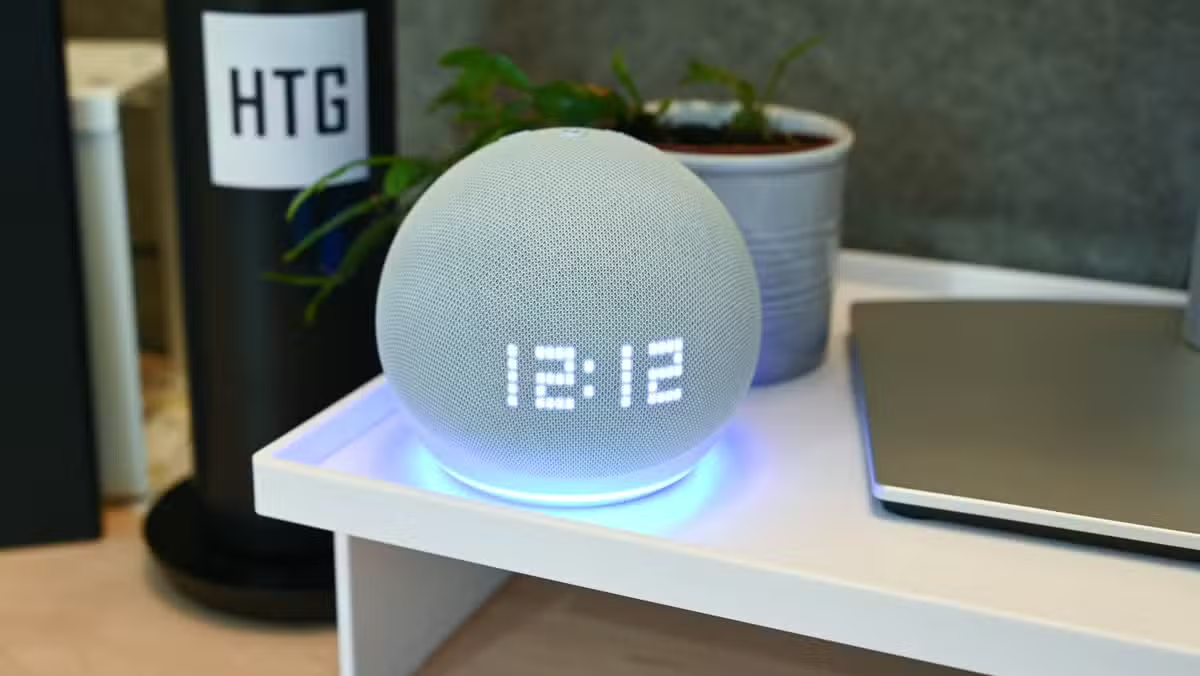
Adam Davidson at How-To Geek recently cataloged seven devices with secondary features most owners never discover. The common thread? These capabilities require third-party platforms like Home Assistant to access, since manufacturers often lock them out of their official apps.
What hidden features do presence sensors have?
The Everything Presence Lite, a $39 mmWave sensor, tracks occupancy using millimeter-wave radar. That's its primary job. What the spec sheet buries: it also contains a Bluetooth radio that can function as a proxy. Connect it to Home Assistant, and the sensor relays data from nearby Bluetooth devices over Wi-Fi to your server.

This matters for room-level presence tracking. By measuring signal strength from your phone or smartwatch, the sensor estimates which room you're in. Combine multiple sensors, and your home can track your location precisely enough to turn on lights before you enter a room, not after.
“The ideal smart home should work with minimal interaction from the user, with automations running as if by magic rather than requiring you to push buttons on a control panel.”
— Adam Davidson, Tech Journalist at How-To Geek
Does Philips Hue hide sensor data from users?
Yes. Philips Hue motion sensors contain temperature sensors that never appear in the Hue app. The hardware exists. The data is being collected. Philips just doesn't expose it to users through its own software.
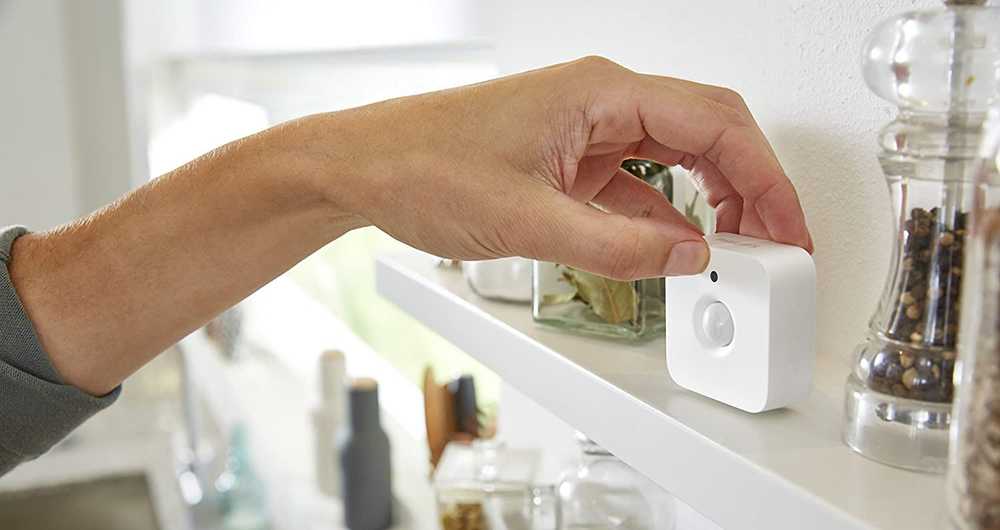
To access this data, you need Home Assistant or another third-party platform that can query the sensor directly. Once connected, your motion sensor becomes a multi-function device: detecting movement, measuring ambient light, and tracking room temperature.
The practical application? HVAC automations. A room that gets too warm in afternoon sun could trigger blinds to close. A guest bedroom that's been empty for hours could have its climate control reduced. The sensor you bought for hallway lights now saves energy.
How do Zigbee bulbs extend network range?
Zigbee operates as a mesh network. Devices don't just receive commands; they can relay them to other devices. Many Philips Hue smart bulbs function as Zigbee repeaters, forwarding signals from your hub to sensors and switches farther away.
By default, this only works within the Hue ecosystem. But pair those bulbs directly to a Home Assistant Zigbee network, and they'll repeat signals for any compatible device, regardless of brand. A $15 Hue bulb in a garage lamp extends coverage to an Aqara door sensor 50 feet away.
One caveat: the bulb needs power to work as a repeater. If someone flips off a wall switch, that node disappears from your mesh. This is why smart home enthusiasts often disable physical switches or use smart switch covers.
What sensors are hiding in HomePod?
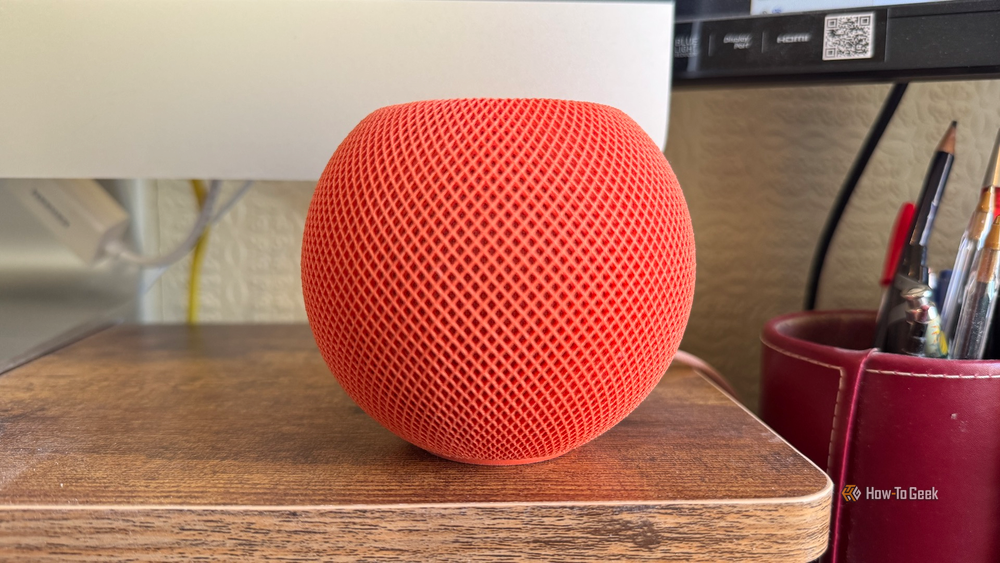
The HomePod mini and second-generation HomePod both contain temperature and humidity sensors. Unlike the Philips Hue situation, Apple actually exposes this data in the Home app. Many owners just don't know it's there.
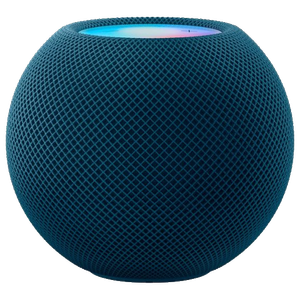
These readings can trigger HomeKit automations. If humidity rises above 60% in a bathroom, run the exhaust fan. If temperature drops below 65°F in a bedroom, adjust the thermostat. The speaker you bought for Siri commands is also an environmental monitor.
Why do manufacturers hide these features?
Several reasons. Exposing every capability increases support burden. A temperature sensor reading 2 degrees off generates complaints. A Bluetooth proxy feature that interferes with another device creates troubleshooting calls.
There's also the strategic angle. Philips could sell you a separate temperature sensor for $30. Why cannibalize that sale by revealing the motion sensor already measures temperature?
The global smart home market hit $164.1 billion in 2026. Much of that revenue comes from selling single-purpose devices for each function. The industry has little incentive to tell you that one device can do three things.
How do you unlock hidden smart home features?
Home Assistant is the common thread. This open-source platform runs locally, queries devices directly, and exposes data that manufacturer apps deliberately hide. It requires a dedicated server, usually a Raspberry Pi or mini PC, and some technical comfort with configuration files.
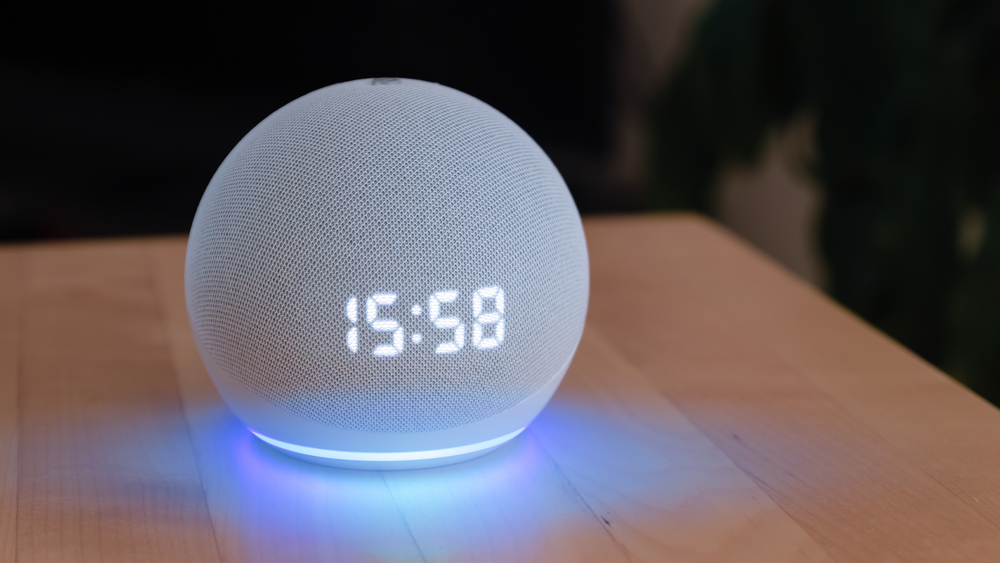
The payoff is significant. A user on r/homeautomation described discovering that an Echo Dot, years after purchase, could detect room occupancy using ultrasonic signals. An old smart speaker became a presence sensor, eliminating the need to buy dedicated hardware.
Privacy-conscious users on HackerNews raise a valid concern: if your devices have sensors you didn't know about, who else has access to that data? Local control through Home Assistant keeps sensor readings on your network. Cloud-connected apps may not.
Which devices offer the most hidden value?
Presence sensors with Bluetooth radios top the list. The Everything Presence Lite at $39 offers mmWave detection, Bluetooth proxy capability, and BLE tracking in one package. Most buyers use only the first feature.
Zigbee bulbs are the most underutilized. Every bulb you've installed is potentially a mesh repeater you're not using. With 77 million U.S. households running smart home devices, millions of people have mesh infrastructure sitting idle.
Smart speakers, particularly HomePod, offer free environmental sensing. Placing a HomePod mini in each room gives you temperature and humidity monitoring without buying dedicated sensors.
Logicity's Take
The real story here isn't that devices have hidden features. It's that manufacturers actively suppress them to sell you more hardware. Home Assistant's growth tracks directly with user frustration at walled gardens. As interoperability standards like Matter mature, expect these hidden capabilities to become selling points rather than buried secrets. The 2026 smart home user is savvier, and companies that keep hiding features will lose to those that expose them.
Frequently Asked Questions
Do I need Home Assistant to access hidden smart home features?
For most hidden features, yes. Home Assistant queries devices directly and exposes data that manufacturer apps hide. Some features, like HomePod temperature sensing, are available in native apps but poorly documented.
Will unlocking hidden features void my warranty?
Generally no. Using third-party platforms like Home Assistant doesn't modify device firmware. You're accessing data the device already collects, just through a different interface.
Can Zigbee bulbs from different brands act as repeaters for each other?
Yes, when connected to a unified Zigbee network through Home Assistant. The default brand-specific hubs typically limit repeating to same-brand devices only.
Are there privacy risks with hidden smart home sensors?
Yes. Devices collecting data you didn't know about may transmit it to manufacturer clouds. Running Home Assistant locally keeps sensor data on your network.
Which smart speakers have hidden environmental sensors?
HomePod mini and second-generation HomePod include temperature and humidity sensors. Some Echo devices have ultrasonic presence detection. Nest speakers offer similar hidden capabilities.
Security implications of hidden device capabilities
Need Help Implementing This?
Setting up Home Assistant to unlock hidden device features requires technical configuration. For enterprise deployments or complex automation needs, consider consulting with certified Home Assistant partners who can audit your existing devices and identify untapped capabilities.
Source: How-To Geek
Manaal Khan
Tech & Innovation Writer
اقرأ أيضاً

رأي مغاير: كيف يؤثر اختراق الأمن الداخلي الأميركي على شركاتنا الخاصة؟
في ظل اختراق عقود الأمن الداخلي الأميركي مع شركات خاصة، نناقش تأثير هذا الاختراق على مستقبل الأمن السيبراني. نستعرض الإحصاءات الموثوقة ونناقش كيف يمكن للشركات الخاصة أن تتعامل مع هذا التهديد. استمتع بقراءة هذا التحليل العميق

الإنسان في زمن ما بعد الوجود البشري: نحو نظام للتعايش بين الإنسان والروبوت - Centre for Arab Unity Studies
في هذا المقال، سنناقش كيف يمكن للبشر والروبوتات التعايش في نظام متكامل. سنستعرض التحديات والحلول المحتملة التي تضعها شركات مثل جوجل وأمازون. كما سنلقي نظرة على التوقعات المستقبلية وفقًا لتقرير ماكنزي

إطلاق ناسا لمهمة مأهولة إلى القمر: خطوة تاريخية نحو استكشاف الفضاء
تعتبر المهمة الجديدة خطوة هامة نحو استكشاف الفضاء وتطوير التكنولوجيا. سوف تشمل المهمة إرسال رواد فضاء إلى سطح القمر لconducting تجارب علمية. ستسهم هذه المهمة في تطوير فهمنا للفضاء وتحسين التكنولوجيا المستخدمة في استكشاف الفضاء.