5 Raspberry Pi Alternatives That Cost Half the Price
Key Takeaways
- The Raspberry Pi 4 (8GB) now costs around $200, making budget alternatives increasingly attractive
- The Orange Pi Zero 3 offers 4GB RAM for $30-$40, less than half the Pi 4's price
- Alternative boards trade polished software support for raw hardware value
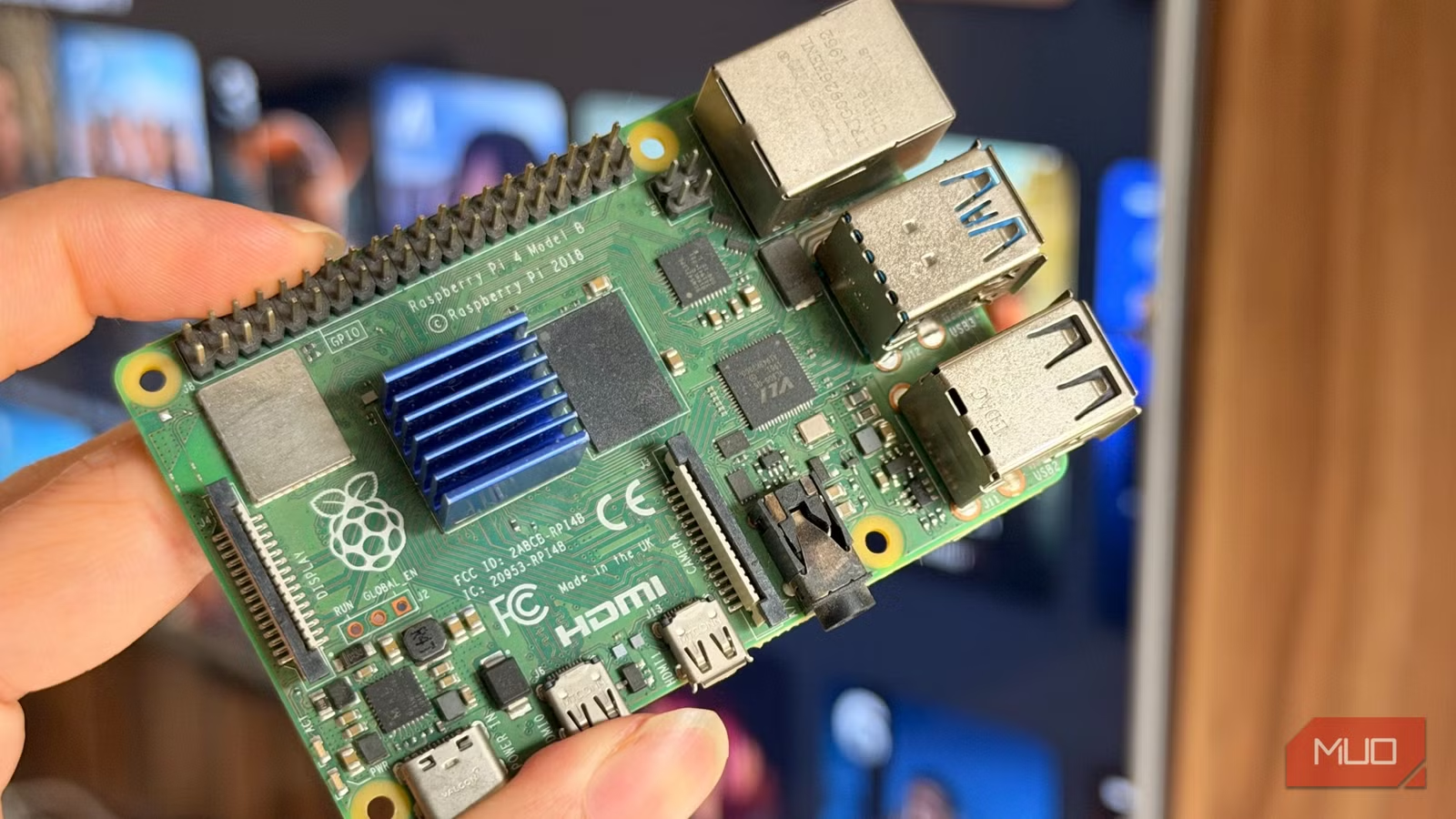
The Raspberry Pi used to be the obvious choice for hobbyists and tinkerers. It ran a polished OS, had excellent documentation, and cost around $35. That last part is no longer true.
Rising LPDDR4 memory prices have pushed Raspberry Pi to hike prices multiple times in recent months. The 8GB Raspberry Pi 4 now sells for close to $200. The 4GB model, once considered the sensible budget option, goes for over $100 at most retailers. For a board marketed to hobbyists and educators, that's a tough pill to swallow.
The good news: the alternative market has caught up. Several single-board computers now offer similar or better specs at half the price. The trade-off is usually software polish and community support, but for users comfortable with Linux, these boards get the job done.
Orange Pi Zero 3: The Budget King
If you want to spend as little as possible without sacrificing too much, the Orange Pi Zero 3 is the board to beat. The 4GB RAM version costs $30 to $40 depending on the retailer. That's less than half the price of a Raspberry Pi 4 with the same memory.
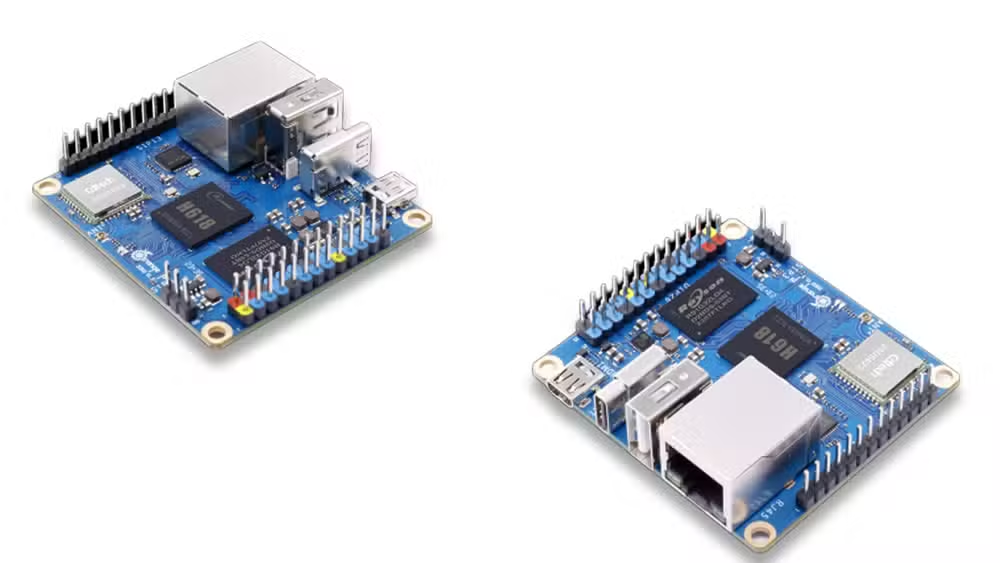
For your money, you get an Allwinner H618 quad-core Cortex-A53 processor running at 1.5GHz, up to 4GB of LPDDR4 memory, Wi-Fi 5, Bluetooth 5.0, and Gigabit Ethernet. It outputs 4K at 60fps over Micro-HDMI. That's a solid spec sheet for a board in this price range.
The compromises are real, though. You're limited to USB 2.0 ports, which matters if you're connecting external storage or peripherals. Software support leans toward Debian and Ubuntu without the polished Raspberry Pi OS experience. If you're comfortable troubleshooting Linux, this won't slow you down. If you expect plug-and-play simplicity, budget extra time for setup.
Use cases where the Zero 3 shines: lightweight home servers, Pi-hole DNS sinkholes, small automation hubs, and basic media streaming. It's not trying to be a desktop replacement. It's trying to be cheap and functional, and it succeeds at both.
Orange Pi 3B: More Power, Still Affordable
If the Zero 3 feels too stripped down, the Orange Pi 3B steps up the spec sheet while staying well under Pi 4 pricing. It runs a Rockchip RK3566 quad-core processor and comes with options up to 8GB RAM. Prices hover around $50 to $80 depending on configuration.
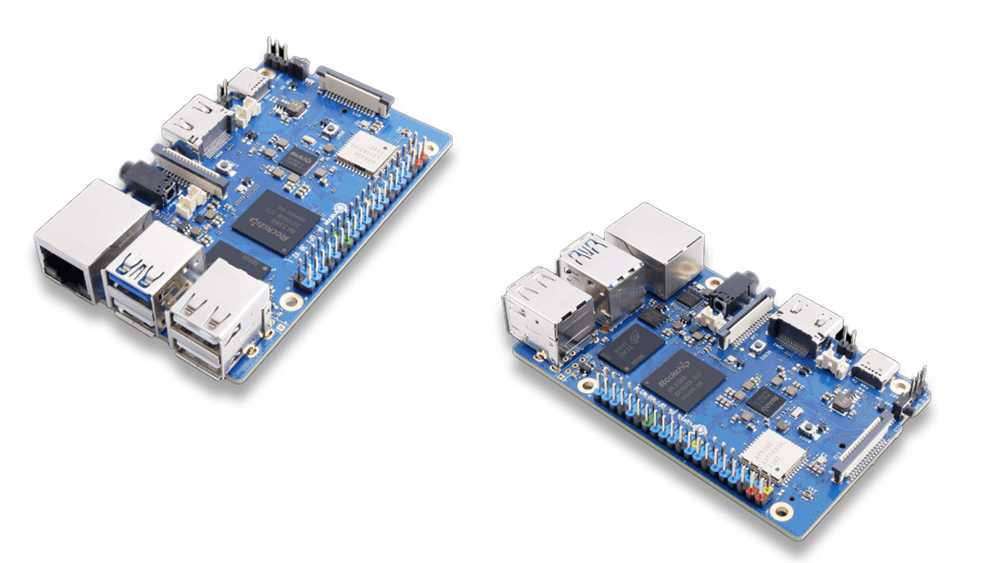
The 3B adds USB 3.0 ports, which immediately solves the external storage bottleneck on the Zero 3. It supports M.2 NVMe storage, a feature the standard Raspberry Pi 4 lacks entirely. For projects that need fast local storage, like a NAS or media server, this matters.
Libre Computer: Pi-Compatible Layout
Libre Computer boards aim to match the Raspberry Pi's physical layout while offering competitive pricing. The AML-S905X-CC, nicknamed "Le Potato," costs around $35 for the 2GB version and maintains GPIO compatibility with many Pi accessories.
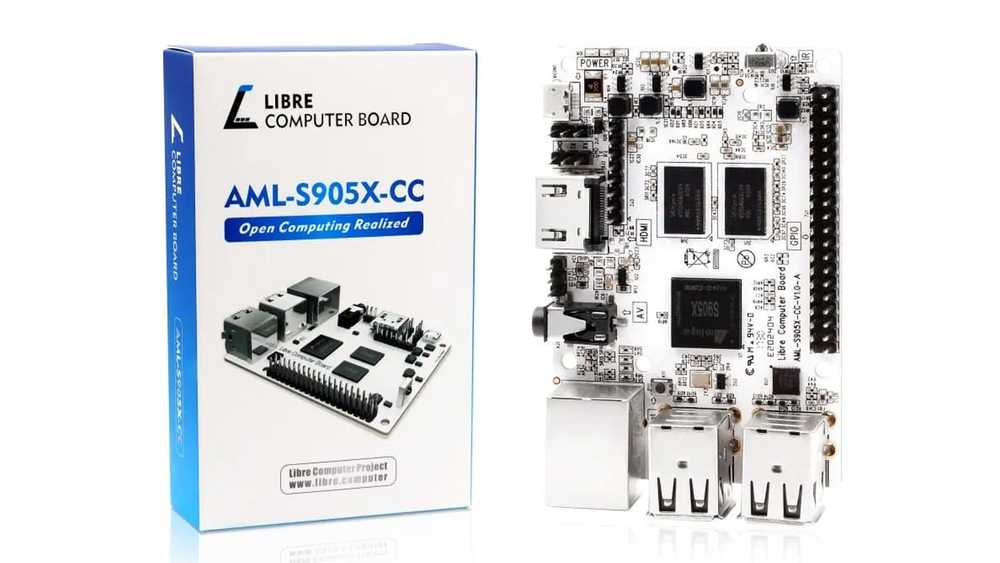
This compatibility matters if you've already invested in Pi-specific hardware. Cases, HATs, and other accessories often work without modification. The trade-off is that Libre Computer's community is smaller, so you'll find fewer ready-made projects and tutorials.
The Case for x86 Mini-PCs
Here's a perspective gaining traction in the hobbyist community: for many use cases, skip ARM entirely. Intel N100 mini-PCs sell for $100 to $150 and run standard x86 software without compatibility headaches.
“If your project is a simple home server, stop paying for Pi kits and buy an Intel N100 mini-PC; it's cheaper, faster, and runs everything natively.”
— Popular consensus on r/sbcgaming
The argument is straightforward: ARM boards require you to check whether every piece of software has an ARM build. Docker images, databases, media software, and developer tools all need ARM-compatible versions. x86 machines just run everything. The N100 draws more power than a Pi, but not dramatically so. For a home server that stays plugged in, the few extra watts rarely matter.
When the Raspberry Pi Still Makes Sense
None of this means the Raspberry Pi is obsolete. For beginners, the Pi ecosystem remains unmatched. Raspberry Pi OS works out of the box. The official documentation covers everything from setup to troubleshooting. Community forums have answers to questions you haven't thought of yet.
“The Raspberry Pi ecosystem remains the gold standard for beginners, but for anyone needing serious compute, the alternative market has finally caught up and, in many cases, surpassed the Pi.”
— Jeff Geerling, Tech Creator and SBC Expert
If you're teaching kids to code, building a first project, or following a specific tutorial that assumes Raspberry Pi hardware, the original is still the safest choice. The premium you pay goes toward polish and support, which have real value for newcomers.
Comparing the Options
| Board | Price (4GB) | CPU | USB | NVMe Support |
|---|---|---|---|---|
| Raspberry Pi 4 | $100+ | Cortex-A72 (4-core) | USB 3.0 | No |
| Orange Pi Zero 3 | $30-40 | Cortex-A53 (4-core) | USB 2.0 | No |
| Orange Pi 3B | $50-80 | RK3566 (4-core) | USB 3.0 | Yes |
| Libre Computer Le Potato | $35 (2GB) | Cortex-A53 (4-core) | USB 2.0 | No |
| Intel N100 Mini-PC | $100-150 | x86 (4-core) | USB 3.0 | Yes |
Picking the Right Board
Your choice depends on what you're building. For a Pi-hole, basic home automation, or a retro gaming setup, the Orange Pi Zero 3 handles it at one-third the Pi 4's price. For a home server or NAS with fast storage, the Orange Pi 3B or an x86 mini-PC makes more sense. For learning and education, the Raspberry Pi's ecosystem justifies the higher cost.
The single-board computer market has grown up. Raspberry Pi built the category, but it no longer owns it. Prices have forced hobbyists to look elsewhere, and they're finding capable hardware at prices the Pi can't match.
Logicity's Take
Frequently Asked Questions
Why have Raspberry Pi prices increased so much?
Rising LPDDR4 memory prices have forced Raspberry Pi to hike costs multiple times. The 8GB model now approaches $200, and the 4GB version exceeds $100 at most retailers.
Is the Orange Pi Zero 3 compatible with Raspberry Pi accessories?
Not directly. The Orange Pi Zero 3 has different GPIO layouts and connectors. Cases, HATs, and other Pi-specific accessories generally won't fit. Libre Computer boards offer better Pi compatibility.
Can I run Docker on Raspberry Pi alternatives?
Yes, most ARM-based alternatives run Docker with ARM-compatible images. The x86 mini-PCs have broader Docker image compatibility since most images target x86 architecture.
Which Raspberry Pi alternative has the best software support?
None match the Raspberry Pi's software polish. Orange Pi boards run Debian and Ubuntu reasonably well. For the smoothest software experience without paying Pi prices, Intel N100 mini-PCs run standard Linux distributions without ARM compatibility concerns.
Is the Orange Pi Zero 3 powerful enough for a home server?
For lightweight tasks like Pi-hole, file sharing, or basic automation, yes. For demanding workloads like transcoding video or running multiple Docker containers, consider the Orange Pi 3B or an x86 mini-PC.
Another practical tweak for users tired of default settings they didn't ask for
Need Help Implementing This?
Source: MakeUseOf
Huma Shazia
Senior AI & Tech Writer
اقرأ أيضاً

رأي مغاير: كيف يؤثر اختراق الأمن الداخلي الأميركي على شركاتنا الخاصة؟
في ظل اختراق عقود الأمن الداخلي الأميركي مع شركات خاصة، نناقش تأثير هذا الاختراق على مستقبل الأمن السيبراني. نستعرض الإحصاءات الموثوقة ونناقش كيف يمكن للشركات الخاصة أن تتعامل مع هذا التهديد. استمتع بقراءة هذا التحليل العميق

الإنسان في زمن ما بعد الوجود البشري: نحو نظام للتعايش بين الإنسان والروبوت - Centre for Arab Unity Studies
في هذا المقال، سنناقش كيف يمكن للبشر والروبوتات التعايش في نظام متكامل. سنستعرض التحديات والحلول المحتملة التي تضعها شركات مثل جوجل وأمازون. كما سنلقي نظرة على التوقعات المستقبلية وفقًا لتقرير ماكنزي

إطلاق ناسا لمهمة مأهولة إلى القمر: خطوة تاريخية نحو استكشاف الفضاء
تعتبر المهمة الجديدة خطوة هامة نحو استكشاف الفضاء وتطوير التكنولوجيا. سوف تشمل المهمة إرسال رواد فضاء إلى سطح القمر لconducting تجارب علمية. ستسهم هذه المهمة في تطوير فهمنا للفضاء وتحسين التكنولوجيا المستخدمة في استكشاف الفضاء.