5 Mistakes Pet Owners Make When Driving With Dogs
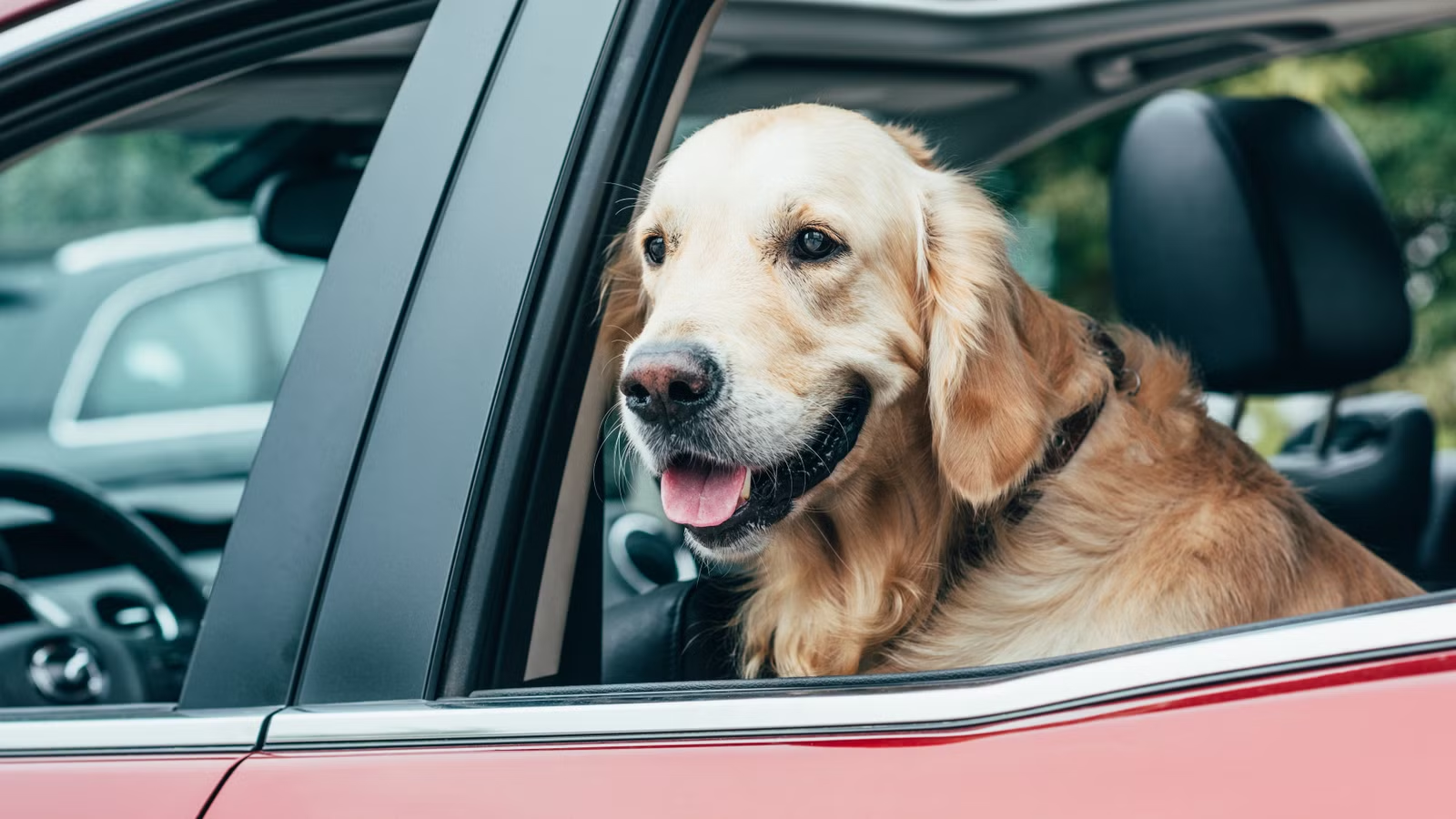
Key Takeaways
- A 10-pound dog in a 50 mph crash exerts 500 pounds of force
- Only 16% of pet owners use proper restraints despite 83% knowing the risks
- 60% of drivers admit to being distracted by their pets while driving
According to the American Pet Products Association, 87% of dog owners who travel do so by car. Boarding costs keep climbing. Pet-friendly hotels are everywhere. And for many people, leaving their dog behind for a week simply isn't an option.
But bringing a dog on a road trip takes more preparation than most people realize. Heat, distractions, unfamiliar environments, and unplanned stops can all create problems. Here's what you need to know before you leave the driveway.
The Restraint Gap: Everyone Knows, Nobody Acts
A joint survey by AAA and Kurgo found that 83% of dog owners acknowledge an unrestrained dog in a moving vehicle is dangerous. Yet only about 16% actually use any form of restraint.
The most common excuses: their dog is calm enough not to need one, short trips don't count, or they simply never considered it. The physics, however, don't make exceptions for calm dogs or quick errands.
An unrestrained 10-pound dog in a crash at 50 mph becomes a projectile, exerting roughly 500 pounds of impact force. Scale that up to an 80-pound dog in a 30 mph collision and the numbers get worse.
“The force of impact is often lethal for the pet and can severely injure human passengers, turning an unrestrained dog into a high-velocity projectile.”
— Automotive Safety Expert
Mistake #1: Only Restraining on Long Trips
Most car accidents happen close to home. The trip to the vet or the dog park carries the same physics as a cross-country drive. A 15-minute errand at 35 mph is enough to turn an unrestrained dog into a serious hazard.
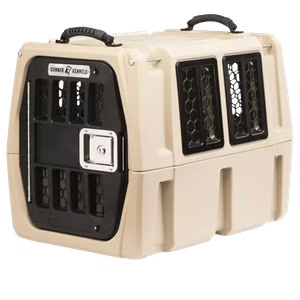
The fix: use a crash-tested harness or crate for every trip, not just road trips. Products from brands like Kurgo and Sleepypod have undergone actual crash testing. Many cheaper alternatives have not.
Mistake #2: Letting Dogs Ride in the Front Seat
Front-seat airbags deploy with explosive force designed for adult humans. For a dog, that force is often catastrophic.
“Pets should always ride in the backseat because front-seat airbags deploy with explosive force designed for adults, which is often catastrophic for a pet.”
— Pet Safety Advocate
The backseat is also farther from the windshield, giving more crumple zone protection in a frontal collision. If your dog must be in front, disable the passenger airbag and use a secured crate.
Mistake #3: Letting Dogs Hang Their Heads Out the Window
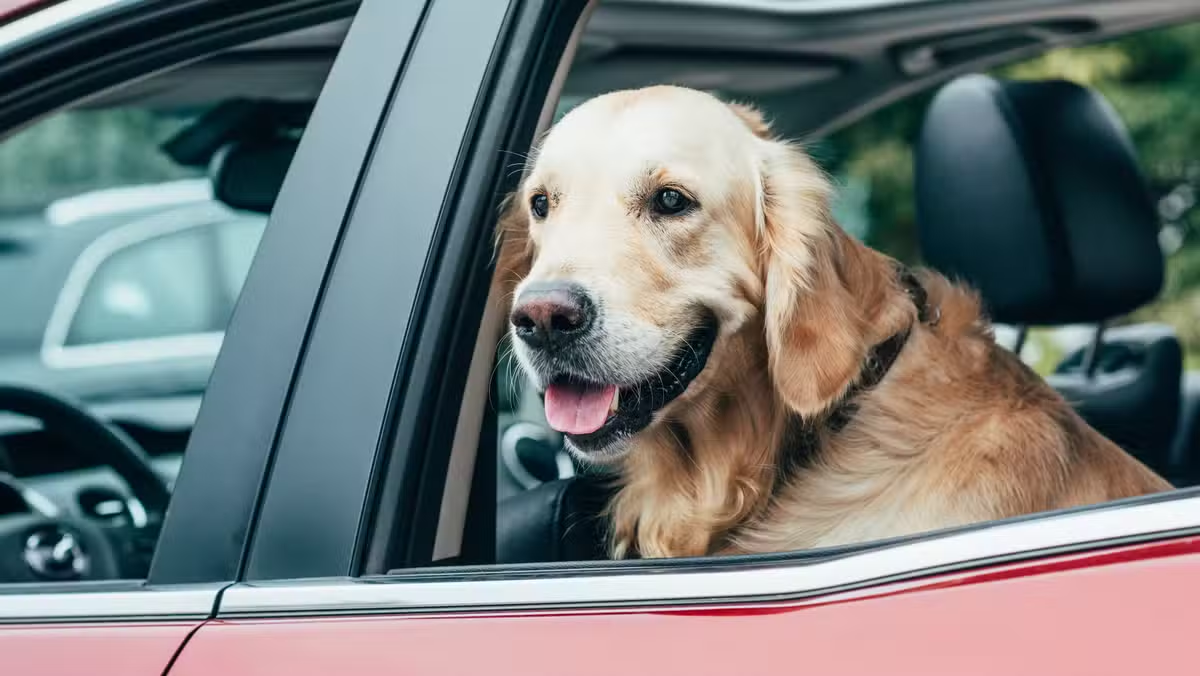
It looks fun. Dogs seem to love it. But debris, insects, and sudden stops create real risks. Eye injuries from road debris are common. In an accident, a dog with its head outside the vehicle has no protection at all.
If you want your dog to enjoy fresh air, crack the window enough for airflow but not enough for them to get their head through. Some owners use window guards designed for this purpose.
Mistake #4: Underestimating Driver Distraction
About 60% of drivers admit to being distracted by their pets while driving. A dog climbing into your lap, demanding attention, or reacting to something outside the car pulls focus from the road.
Proper restraint solves this too. A dog secured in the backseat can't climb forward, can't block your view, and can't interfere with the steering wheel or pedals.
Mistake #5: Not Planning for Heat and Stops
A parked car in 75-degree weather can reach 100 degrees inside within 10 minutes. Dogs can't regulate body temperature as efficiently as humans. Even a quick stop at a gas station can become dangerous if the car is off and windows are up.
Plan your stops. Bring water. If you can't take your dog inside, either skip that stop or have a travel partner who can stay with the car running and air conditioning on.
What Actually Works
Online discussions on Reddit's r/dogs and automotive forums consistently show that owners change their habits after watching crash-test footage from the Center for Pet Safety. The visual evidence is hard to ignore.
The debate usually centers on harness vs. crate travel. The answer depends on your dog's size, temperament, and vehicle layout. For most dogs, a crash-tested harness attached to the rear seatbelt system works well. For anxious dogs or larger breeds, a secured crate in the cargo area may be safer.
- Look for crash-tested certification, not just marketing claims
- Ensure the harness or crate is properly sized for your dog's weight
- Practice short trips before long journeys so your dog gets comfortable
- Never attach a harness to a collar. Use a proper chest harness designed for vehicle use
Logicity's Take
Frequently Asked Questions
Do I need to restrain my dog for short trips?
Yes. Most accidents happen close to home, and the physics of a crash don't change based on trip length. A 10-pound dog at 50 mph exerts 500 pounds of force on impact.
What's safer for dogs: harness or crate?
Both work when crash-tested and properly sized. Harnesses suit most dogs in rear seats. Crates work better for anxious dogs or larger breeds secured in cargo areas.
Can dogs ride in the front seat?
Not recommended. Front airbags deploy with force designed for adult humans and can cause fatal injuries to pets. The backseat is always safer.
How hot can a parked car get?
A car in 75-degree weather can reach 100 degrees inside within 10 minutes. Never leave a dog in a parked car without running AC and supervision.
Do regular pet harnesses work in cars?
No. Standard harnesses aren't designed for crash forces. Look for products specifically crash-tested by organizations like the Center for Pet Safety.
Need Help Implementing This?
Source: How-To Geek
Manaal Khan
Tech & Innovation Writer
اقرأ أيضاً

رأي مغاير: كيف يؤثر اختراق الأمن الداخلي الأميركي على شركاتنا الخاصة؟
في ظل اختراق عقود الأمن الداخلي الأميركي مع شركات خاصة، نناقش تأثير هذا الاختراق على مستقبل الأمن السيبراني. نستعرض الإحصاءات الموثوقة ونناقش كيف يمكن للشركات الخاصة أن تتعامل مع هذا التهديد. استمتع بقراءة هذا التحليل العميق

الإنسان في زمن ما بعد الوجود البشري: نحو نظام للتعايش بين الإنسان والروبوت - Centre for Arab Unity Studies
في هذا المقال، سنناقش كيف يمكن للبشر والروبوتات التعايش في نظام متكامل. سنستعرض التحديات والحلول المحتملة التي تضعها شركات مثل جوجل وأمازون. كما سنلقي نظرة على التوقعات المستقبلية وفقًا لتقرير ماكنزي

إطلاق ناسا لمهمة مأهولة إلى القمر: خطوة تاريخية نحو استكشاف الفضاء
تعتبر المهمة الجديدة خطوة هامة نحو استكشاف الفضاء وتطوير التكنولوجيا. سوف تشمل المهمة إرسال رواد فضاء إلى سطح القمر لconducting تجارب علمية. ستسهم هذه المهمة في تطوير فهمنا للفضاء وتحسين التكنولوجيا المستخدمة في استكشاف الفضاء.