4 Crime Dramas That Hit Harder After The Sopranos
Key Takeaways
- The Sopranos pioneered the TV antihero and closed the quality gap between film and television
- The Wire expanded on The Sopranos' character complexity by focusing on systemic failures across institutions
- Breaking Bad creator Vince Gilligan credits Tony Soprano as the direct inspiration for Walter White
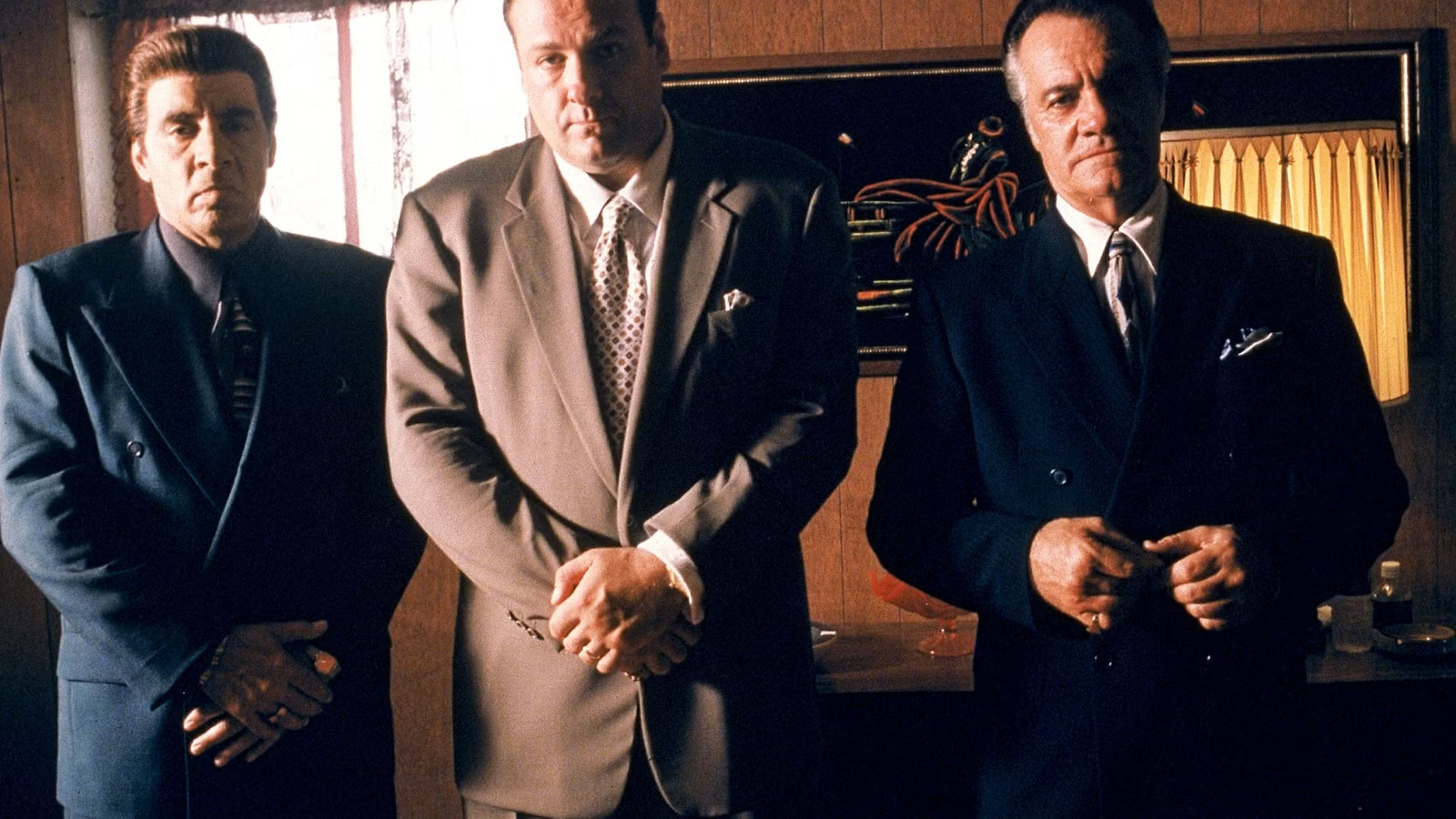
The Sopranos is one of the most important TV shows of the last 50 years. The HBO series about New Jersey mob boss Tony Soprano, played by James Gandolfini, ushered in the age of the TV antihero. Characters could do horrible, violent, objectionable things and still be sympathetic. The show took time to understand them rather than painting them as villains and moving on.
The series also helped close the gap between movies and television, bringing cinema-level cinematography to the small screen. This paved the way for prestige productions like Game of Thrones. There may never be another crime drama quite like The Sopranos, but the shows that came in its wake are more than worth watching.
“Without Tony Soprano, there would be no Walter White.”
— Vince Gilligan, Creator of Breaking Bad
The Wire: Systems Over Individuals
The Wire started its five-season run a few years after The Sopranos. The two shows ran concurrently on HBO and remain better than most new releases today. While The Sopranos focused on the inner life of one mobster, The Wire expanded its lens to cover police officers, politicians, union members, teachers, journalists, and criminals alike.
If The Sopranos changed television by highlighting the complexity of people we would normally consider "bad," The Wire's innovation was to focus on systems. The characters are drawn with as much specificity as anyone in The Sopranos. But many of them are trapped within bureaucracies that make it very hard to be their best selves, no matter which side of the law they're on.
What emerges is a very human portrait of life in Baltimore. We see that, in some ways, the criminals and the police officers who work to stop them aren't very different. Along the way, we meet unforgettable characters like Omar Little, played by Michael Kenneth Williams, a vigilante who makes a living stealing from drug dealers. Or Bubbles, played by Andre Royo, a homeless heroin addict who manages to hold onto his sense of decency despite the direst circumstances.
Breaking Bad: The Antihero Perfected
Vince Gilligan has been explicit about his debt to The Sopranos. His series about a high school chemistry teacher turned methamphetamine manufacturer took the antihero template and pushed it to its logical extreme. While Tony Soprano was born into the mob life, Walter White chooses to become a criminal. That choice makes his descent even more compelling to watch.
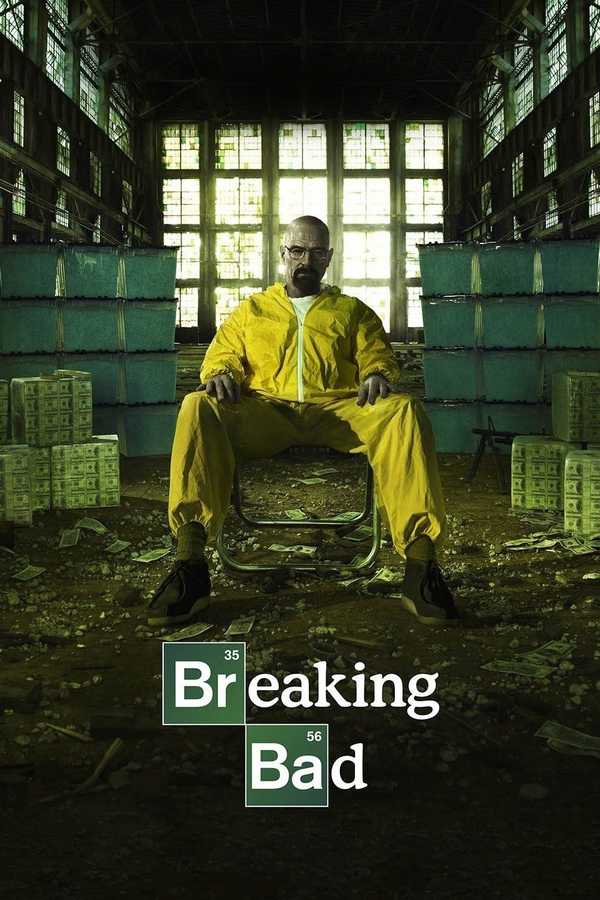
Breaking Bad works because The Sopranos taught audiences to sit with uncomfortable protagonists. Without six seasons of Tony in therapy, viewers might not have had the patience for Walter's slow transformation. The show trusts us to follow a character we increasingly despise, because The Sopranos proved that audiences could handle moral complexity.
Gomorrah: The Sopranos Goes to Naples
This Italian crime drama, based on Roberto Saviano's nonfiction book about the Camorra crime syndicate, strips away almost everything American audiences associate with mob stories. There's no glamour here. No wise-cracking wiseguys. Just brutal, transactional violence and the economic desperation that fuels it.
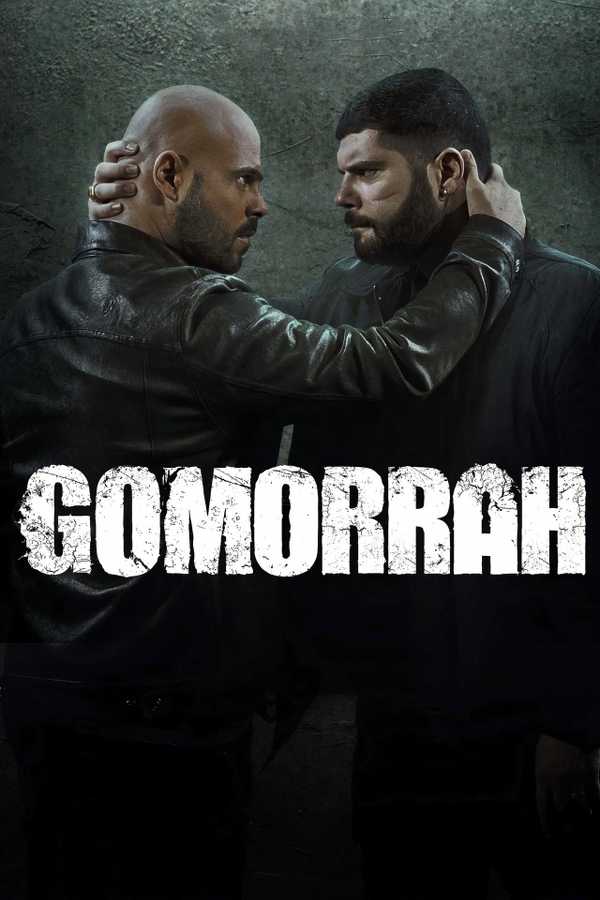
Watching Gomorrah after The Sopranos highlights what was always lurking beneath Tony's pool parties and psychiatry sessions. The Italian series shows organized crime without the mythology. It hits harder because The Sopranos taught us to look past the surface of these stories.
Why The Sopranos Still Matters
The Sopranos won 21 Primetime Emmy awards, making it one of the most decorated dramas in television history. At its peak, the show averaged 12 million weekly viewers. But its influence extends far beyond ratings and awards.
“It put to rest once and for all the notion that television is an inferior medium.”
— David Weddle, Producer
The show is widely regarded as the catalyst for the "Golden Age of Television." It shifted the medium from episodic entertainment to serialized art characterized by cinematic production and deep character analysis. By focusing on a mob boss navigating therapy, the show humanized clinical depression and pioneered the morally complex antihero archetype that dominates prestige drama today.
Reddit communities like r/thesopranos remain highly active, with fans debating the ambiguity of the finale or analyzing subtle psychological cues in Tony's relationship with Dr. Melfi. The show continues to attract new viewers who, despite a 25-year gap, find its themes of existential dread and the American Dream profoundly relevant.
More on the unfinished business of prestige TV's golden era
The Viewing Order That Works
You don't need to watch The Sopranos before these other shows. They stand on their own. But there's a reason critics and creators keep pointing back to Tony Soprano. He was the proof of concept. Every morally ambiguous protagonist that followed owes something to James Gandolfini's performance and David Chase's willingness to trust audiences with complexity.
Start with The Sopranos. Then watch these four shows. You'll see how each one builds on what came before, taking the antihero template in different directions. Some focus on systems instead of individuals. Some strip away the glamour. Some push the darkness further than Tony ever went. All of them hit harder once you understand where the blueprint came from.
Logicity's Take
Frequently Asked Questions
Do I need to watch The Sopranos before The Wire?
No, The Wire stands completely on its own. But watching The Sopranos first helps you appreciate how The Wire expanded the antihero template to focus on institutions and systems rather than a single protagonist.
How many episodes is The Sopranos?
The Sopranos ran for six seasons and 86 episodes from 1999 to 2007 on HBO.
Is Breaking Bad inspired by The Sopranos?
Yes. Creator Vince Gilligan has said explicitly that without Tony Soprano, there would be no Walter White. The Sopranos proved audiences could follow morally complex protagonists.
What makes The Sopranos different from earlier mob shows?
The Sopranos focused on the inner psychological life of its protagonist, including his therapy sessions. Earlier mob stories were about crime. The Sopranos was about what crime does to a person.
Where can I watch The Sopranos now?
The Sopranos is available on Max (formerly HBO Max), which houses the complete HBO library.
Need Help Implementing This?
Source: MakeUseOf
Huma Shazia
Senior AI & Tech Writer
اقرأ أيضاً

رأي مغاير: كيف يؤثر اختراق الأمن الداخلي الأميركي على شركاتنا الخاصة؟
في ظل اختراق عقود الأمن الداخلي الأميركي مع شركات خاصة، نناقش تأثير هذا الاختراق على مستقبل الأمن السيبراني. نستعرض الإحصاءات الموثوقة ونناقش كيف يمكن للشركات الخاصة أن تتعامل مع هذا التهديد. استمتع بقراءة هذا التحليل العميق

الإنسان في زمن ما بعد الوجود البشري: نحو نظام للتعايش بين الإنسان والروبوت - Centre for Arab Unity Studies
في هذا المقال، سنناقش كيف يمكن للبشر والروبوتات التعايش في نظام متكامل. سنستعرض التحديات والحلول المحتملة التي تضعها شركات مثل جوجل وأمازون. كما سنلقي نظرة على التوقعات المستقبلية وفقًا لتقرير ماكنزي

إطلاق ناسا لمهمة مأهولة إلى القمر: خطوة تاريخية نحو استكشاف الفضاء
تعتبر المهمة الجديدة خطوة هامة نحو استكشاف الفضاء وتطوير التكنولوجيا. سوف تشمل المهمة إرسال رواد فضاء إلى سطح القمر لconducting تجارب علمية. ستسهم هذه المهمة في تطوير فهمنا للفضاء وتحسين التكنولوجيا المستخدمة في استكشاف الفضاء.