2026 vs 2027 Total Solar Eclipse: Which One to See
Key Takeaways
- The 2026 eclipse lasts 2 minutes 18 seconds max; the 2027 eclipse lasts 6 minutes 23 seconds, the longest until 2114
- Spain offers the most accessible viewing for 2026, while Egypt provides near-guaranteed clear skies for 2027
- Choosing by duration alone is a mistake. The experience you want matters more than totality length
Between 2026 and 2028, Earth will experience three total solar eclipses in two years. But it's the first two that are sparking debate among eclipse chasers. On August 12, 2026, and August 2, 2027, the moon's shadow will sweep across some of the most accessible and visually striking regions on the planet. Both promise unforgettable views of the sun's corona. Both will plunge daytime into eerie twilight. Yet they offer very different experiences.
Eclipse chasing is expensive. Flights, hotels, and tour packages book up years in advance. If you can only pick one, which should it be?
The 2026 Eclipse: Europe's First Totality Since 1999
The path of totality on August 12, 2026 begins in Siberia, crosses eastern Greenland and western Iceland, then arcs across northern Spain before ending in the Mediterranean. For Europeans, this is the obvious choice. It's the first total solar eclipse over mainland Europe since 1999.
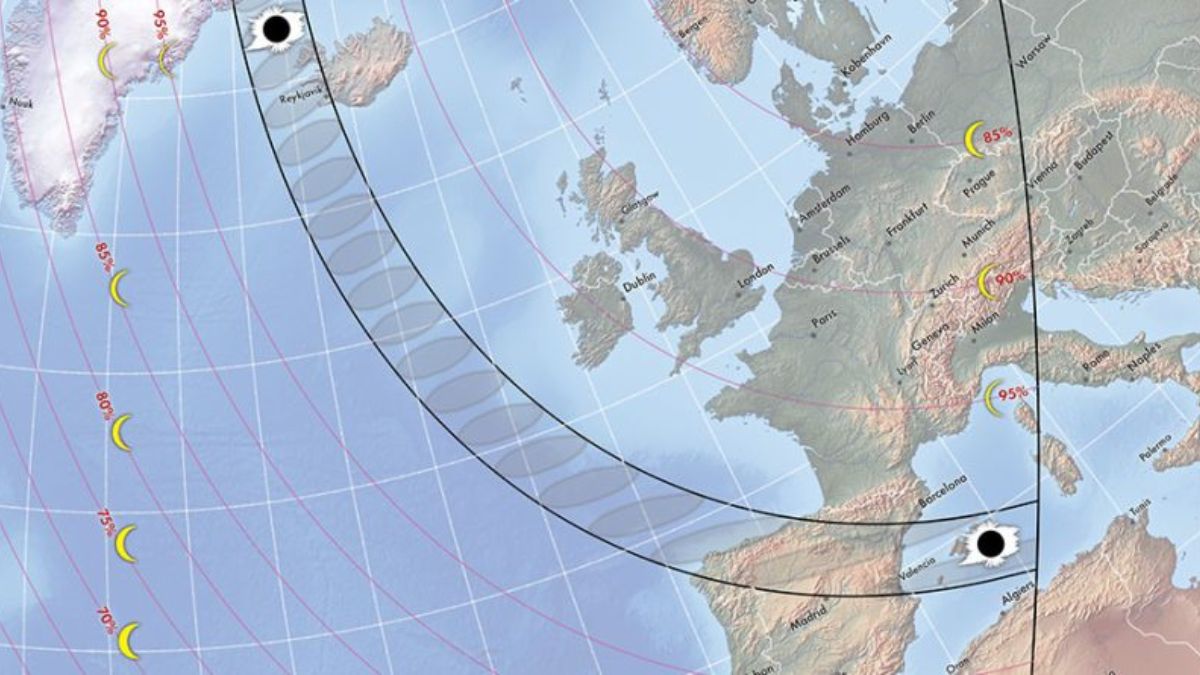
The path includes Reykjavik in Iceland and Spanish cities like Bilbao, Zaragoza, León, Burgos, and Valladolid. It's only a few hours' drive from Toulouse, Bordeaux, Montpellier, Marseille, and Lyon in France. A day's drive from Paris, Geneva, and Turin.
Spain receives about 11 million visitors each August. Many Europeans will already be there. The logistics are simple.
But the 2026 eclipse has a unique visual quality that sets it apart from any other. In Spain, the sun will sit low in the sky, only about 10 degrees above the horizon. This creates the rare spectacle of a totally eclipsed sun just before sunset. In the Balearic Islands, this effect reaches its most dramatic form.
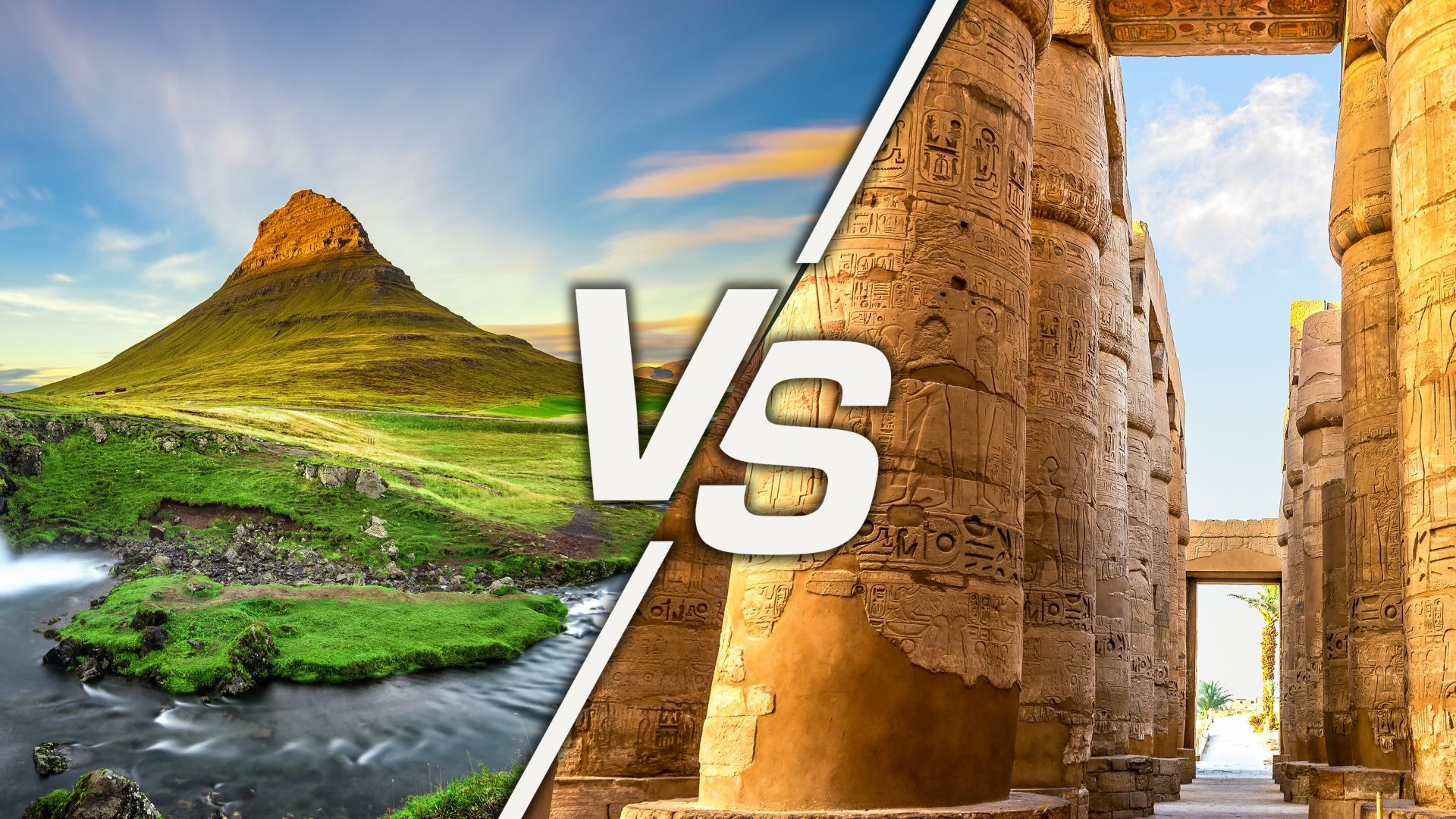
Iceland offers different drama: volcanic terrain, glaciers, rugged coastlines. The landscape becomes part of the show.
The Trade-offs
Maximum totality for 2026 lasts just 2 minutes 18 seconds, occurring off the coast of Iceland. That's shorter than what's possible for total eclipses. Congestion is expected in both Iceland and Spain. Clear skies are not guaranteed. In Spain, summer wildfires could create a smoky atmosphere that reduces clarity. This happened in summer 2025.
The 2027 Eclipse: "Eclipse of the Century"
On August 2, 2027, the "eclipse of the century" will take place. The nickname comes from its extraordinary duration: 6 minutes 23 seconds of totality at maximum. That's the longest total solar eclipse until 2114.
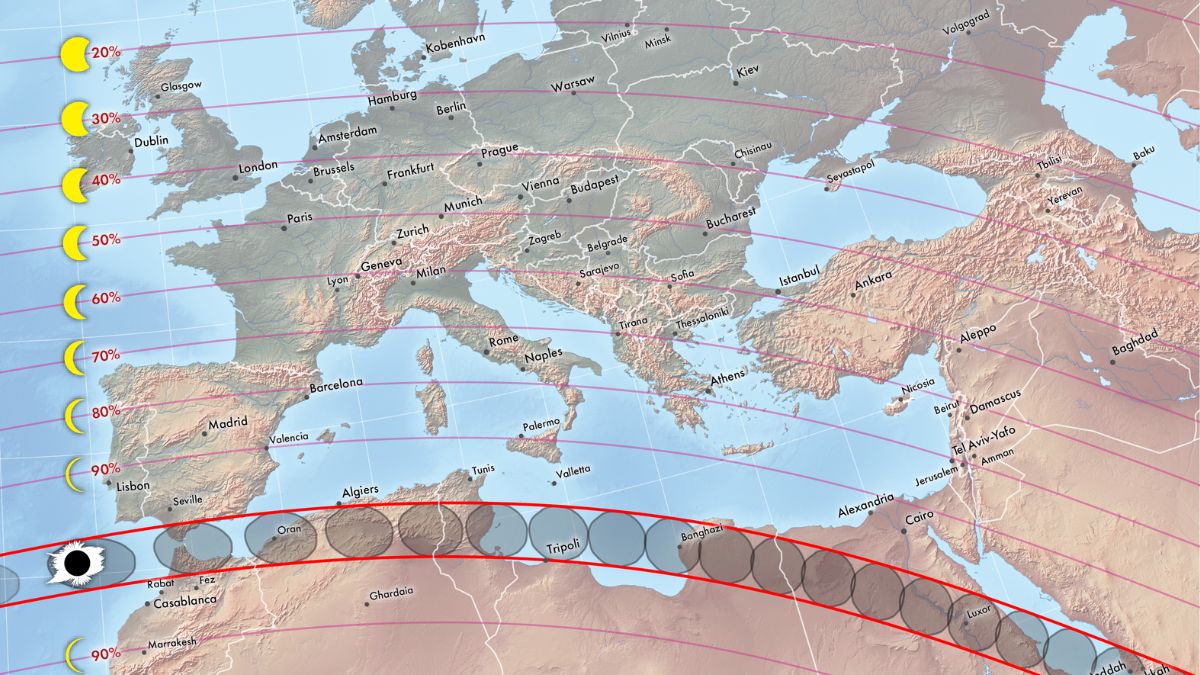
The path of totality crosses southern Spain, then sweeps across North Africa, including Morocco, Algeria, Tunisia, Libya, and Egypt. The Egyptian desert offers something Spain cannot: near 100% probability of clear skies.
For those prioritizing duration and weather certainty, 2027 is the superior choice. Six minutes of totality gives you time to look around, absorb the experience, and notice details that flash by in a two-minute event.
“A 99.9% partial eclipse is a 0% total eclipse. Get into the path.”
— Jamie Carter, Science Journalist and Editor of WhenIsTheNextEclipse.com
Why Choosing by Duration Alone Is a Mistake
Veteran eclipse chasers warn against making duration the deciding factor. A two-minute totality is still a total solar eclipse. The corona still appears. The temperature still drops. The horizon still glows 360 degrees. Diamond rings still form as the sun emerges.
The 2026 event offers something 2027 cannot: that low-sun drama over European landscapes. The sunset eclipse aesthetic is genuinely rare. If you've seen a midday totality before, 2026 offers something new.
For first-timers who want maximum time to process what they're seeing, 2027 makes more sense. Six minutes feels luxurious. Two minutes feels like a blink.
Spain's Double Opportunity
Parts of Spain fall within the path of totality for both eclipses. If you position yourself correctly, you can see totality in 2026 and then again in 2027 from the same country. This makes Spain uniquely attractive for eclipse chasers willing to make two trips.
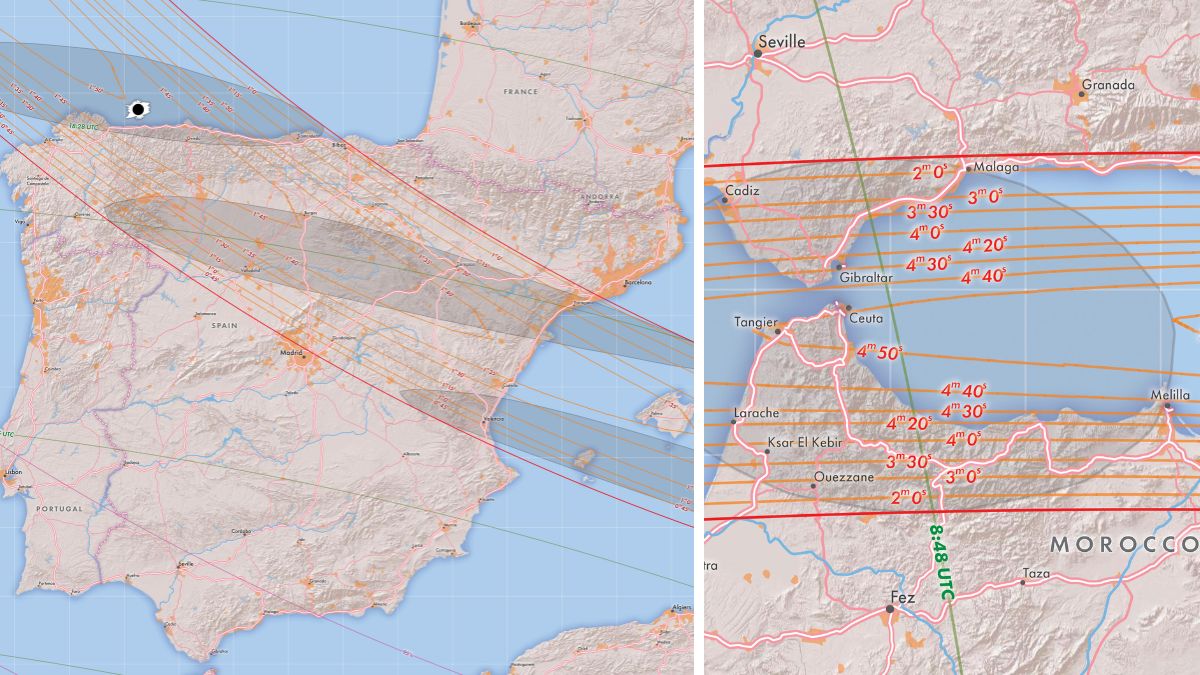
Southern Spain falls in the 2027 path. Northern Spain falls in the 2026 path. The overlap gives flexibility for those who can plan around both dates.
Comparing the Two Eclipses
| Factor | 2026 Eclipse | 2027 Eclipse |
|---|---|---|
| Date | August 12, 2026 | August 2, 2027 |
| Max Totality Duration | 2 min 18 sec | 6 min 23 sec |
| Key Locations | Iceland, Northern Spain | Southern Spain, Egypt |
| Weather Confidence | Moderate (wildfire risk in Spain) | Very high (Egyptian desert) |
| Sun Position | Low (sunset eclipse effect) | High (midday) |
| Accessibility for Europeans | Excellent | Good |
| Unique Visual Quality | Sunset totality, volcanic landscapes | Longest totality in a century |
What Experience Are You Looking For?
The 2026 eclipse is for adventurers who want a unique visual experience. The sunset angle, the Icelandic terrain, the accessibility from major European cities. It's the easier trip with the more unusual aesthetic.
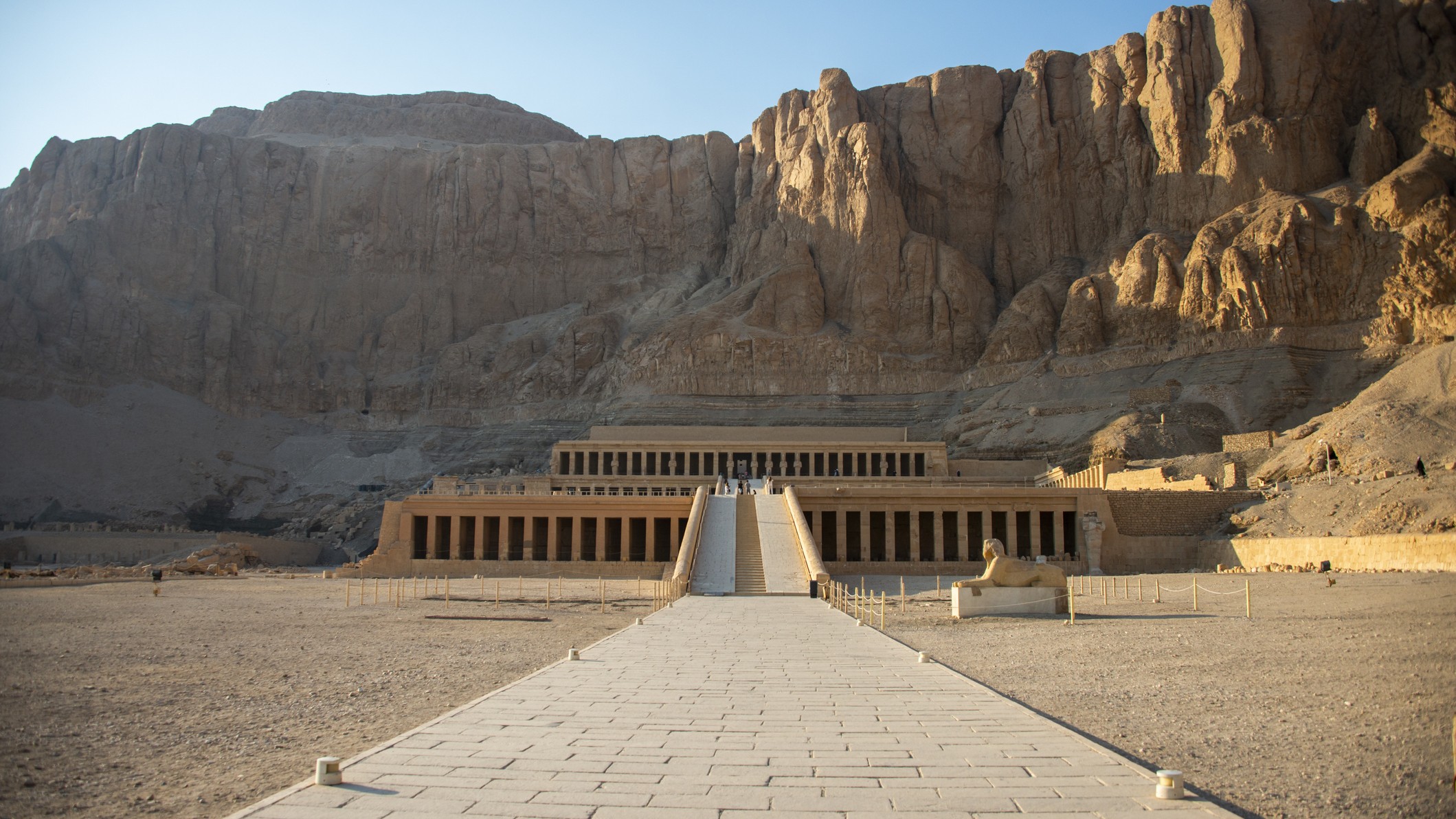
The 2027 eclipse is for those who want the definitive total solar eclipse experience. Maximum duration. Near-certain clear skies. Ancient temples in the path of totality. If you've never seen totality and want the most time possible inside the moon's shadow, this is it.
“2027 is the superior choice for those prioritizing duration and high weather certainty.”
— Jamie Carter, Author of A Complete Guide to the Total Solar Eclipse of 2026
If you can afford both, do both. They offer fundamentally different experiences. But if you can only pick one, ask yourself: do I want the rare sunset eclipse with easier logistics, or the once-in-87-years duration with guaranteed weather?
✅ Pros
- • 2026 offers rare sunset eclipse aesthetics unavailable in 2027
- • Iceland and Spain are easier to reach from Europe and North America than Egypt
- • Dramatic volcanic and coastal landscapes enhance the 2026 viewing experience
❌ Cons
- • 2026 totality lasts less than half the duration of 2027
- • Wildfire smoke risk in Spain during August
- • Weather certainty is much lower than Egypt's desert conditions
Logicity's Take
Frequently Asked Questions
Frequently Asked Questions
Where is the best place to see the 2026 total solar eclipse?
Northern Spain offers the best combination of accessibility, infrastructure, and totality duration. Cities like Bilbao, Zaragoza, and Valladolid are all in the path. Iceland provides dramatic landscapes but has less predictable weather.
How long does totality last for the 2027 eclipse?
Maximum totality for the 2027 eclipse is 6 minutes 23 seconds, the longest total solar eclipse until 2114. This occurs along the centerline in Egypt.
Can I see both eclipses from Spain?
Yes. Northern Spain is in the 2026 path. Southern Spain is in the 2027 path. With proper planning, you can experience totality in Spain both years.
What makes the 2026 eclipse unique?
The sun will be very low in the sky during the 2026 eclipse over Spain, creating a rare sunset totality effect. The Balearic Islands offer the most dramatic version of this phenomenon.
Which eclipse has better weather odds?
The 2027 eclipse has near 100% clear sky probability in the Egyptian desert. Spain in August has good but not guaranteed weather, with potential wildfire smoke as an additional risk.
Need Help Implementing This?
Source: Latest from Space.com
Huma Shazia
Senior AI & Tech Writer
اقرأ أيضاً

رأي مغاير: كيف يؤثر اختراق الأمن الداخلي الأميركي على شركاتنا الخاصة؟
في ظل اختراق عقود الأمن الداخلي الأميركي مع شركات خاصة، نناقش تأثير هذا الاختراق على مستقبل الأمن السيبراني. نستعرض الإحصاءات الموثوقة ونناقش كيف يمكن للشركات الخاصة أن تتعامل مع هذا التهديد. استمتع بقراءة هذا التحليل العميق

الإنسان في زمن ما بعد الوجود البشري: نحو نظام للتعايش بين الإنسان والروبوت - Centre for Arab Unity Studies
في هذا المقال، سنناقش كيف يمكن للبشر والروبوتات التعايش في نظام متكامل. سنستعرض التحديات والحلول المحتملة التي تضعها شركات مثل جوجل وأمازون. كما سنلقي نظرة على التوقعات المستقبلية وفقًا لتقرير ماكنزي

إطلاق ناسا لمهمة مأهولة إلى القمر: خطوة تاريخية نحو استكشاف الفضاء
تعتبر المهمة الجديدة خطوة هامة نحو استكشاف الفضاء وتطوير التكنولوجيا. سوف تشمل المهمة إرسال رواد فضاء إلى سطح القمر لconducting تجارب علمية. ستسهم هذه المهمة في تطوير فهمنا للفضاء وتحسين التكنولوجيا المستخدمة في استكشاف الفضاء.